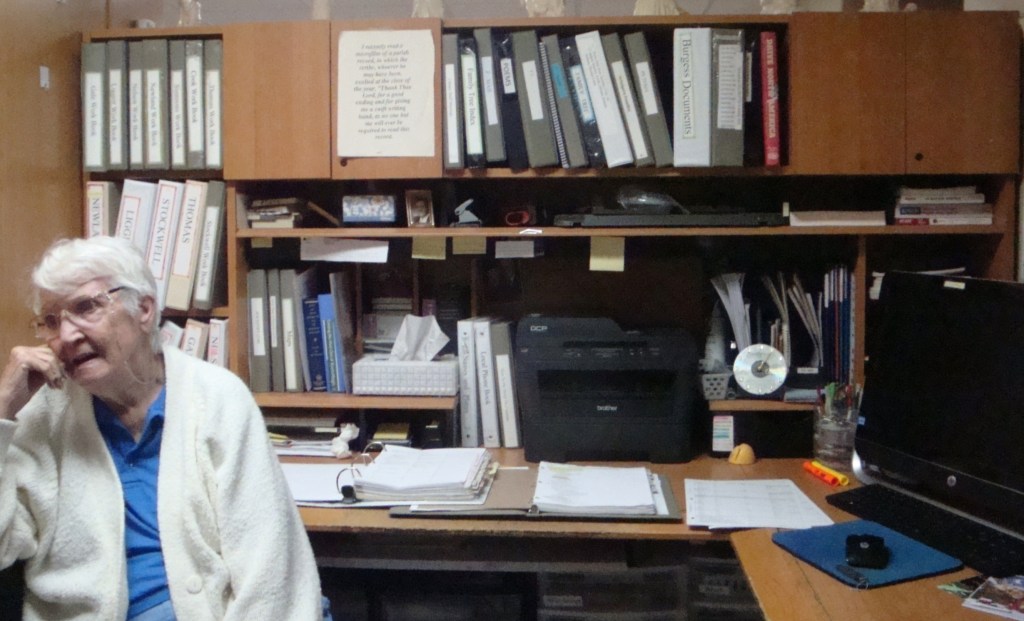
Looking back over past posts, I have come to realize that writing this blog as part of the 52 Ancestors Challenge has been an exercise in exploration. I also realized that I have written a lot about exploration, both my own and my ancestors’. In this post, I will be recounting my exploration of Cardston, Alberta in 2015, when I visited my great aunt Fon Hogg (née Burgess) and her husband Dave. Aunt Fon, who passed away in early 2021, was my maternal grandfather’s youngest sister and a dedicated genealogist.
I don’t often get the opportunity to visit ancestral homelands, so I was excited to undertake my adventure. One of the goals of my visit was to learn more about my great great grandparents – Aunt Fon’s grandparents – John Alexander Nelson and Ella Elizabeth Thomas. They were amongst the earliest settlers of Cardston, which was founded in 1887 by members of the Latter Day Saints (Mormons). John and Ella were both born in Utah a few short years after it became a territory of the United States.
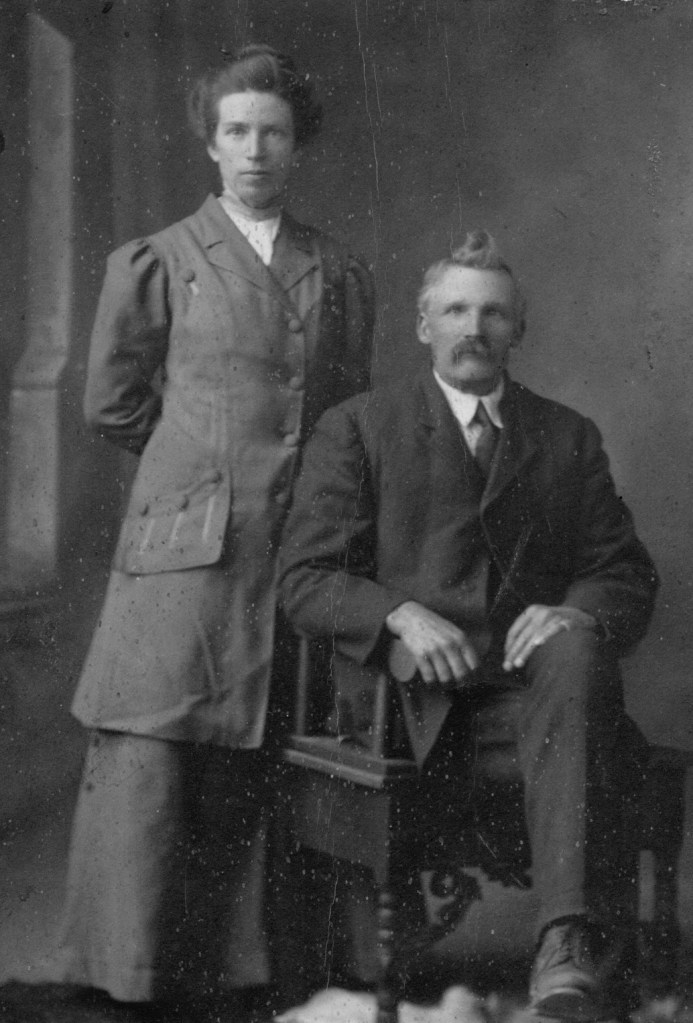
John Alexander Nelson (1854 – 1942)
John was born in 1854 to Irish immigrant parents. Ella was born in 1859. Her father was originally from North Carolina and her mother was from England. John had worked as a farm labourer in Utah before he married. John and Ella married in Salt Lake City in 1879. Shortly afterwards, John and Ella moved to Smithfield, Utah, where John continued to work in farming.
John and Ella came to Canada in September 1890. John and Ella had five children at the time. The family travelled to Canada by covered wagon. Their eldest daughter, Maria, said that she often drove the wagon team while her father managed the cattle. The family first settled in a sod dugout at “Lee’s Creek”, west of Cardston. They arrived with 13 horses, 7 cows, 7 “other horned cattle”, and a pig.
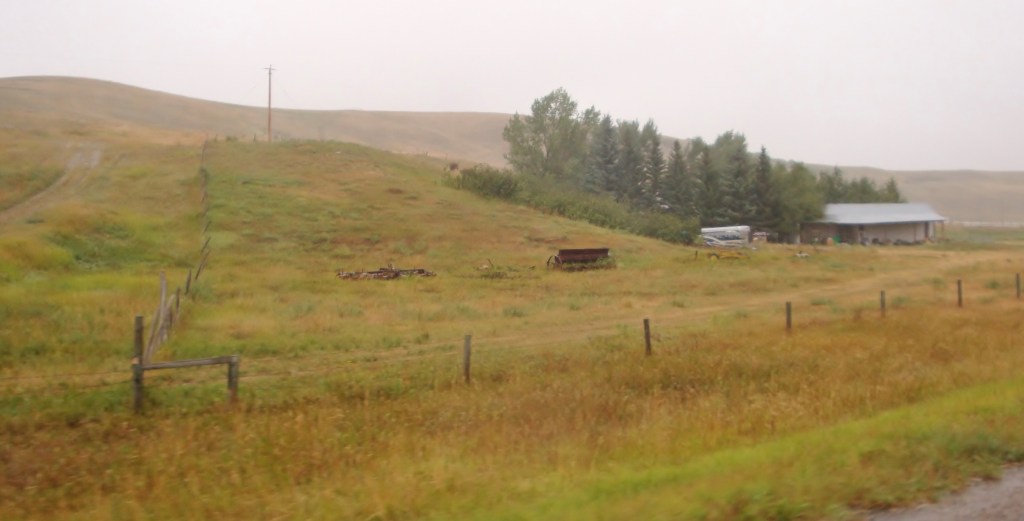
The book, Alberta Past and Present, states that upon moving to Canada, John homesteaded on 160 acres of raw land. The homestead was located on Lee Creek, which ran through the property and into the centre of Cardston. The farmhouse was about four kilometers southwest of the town centre and is located on what is now Alberta highway 501.
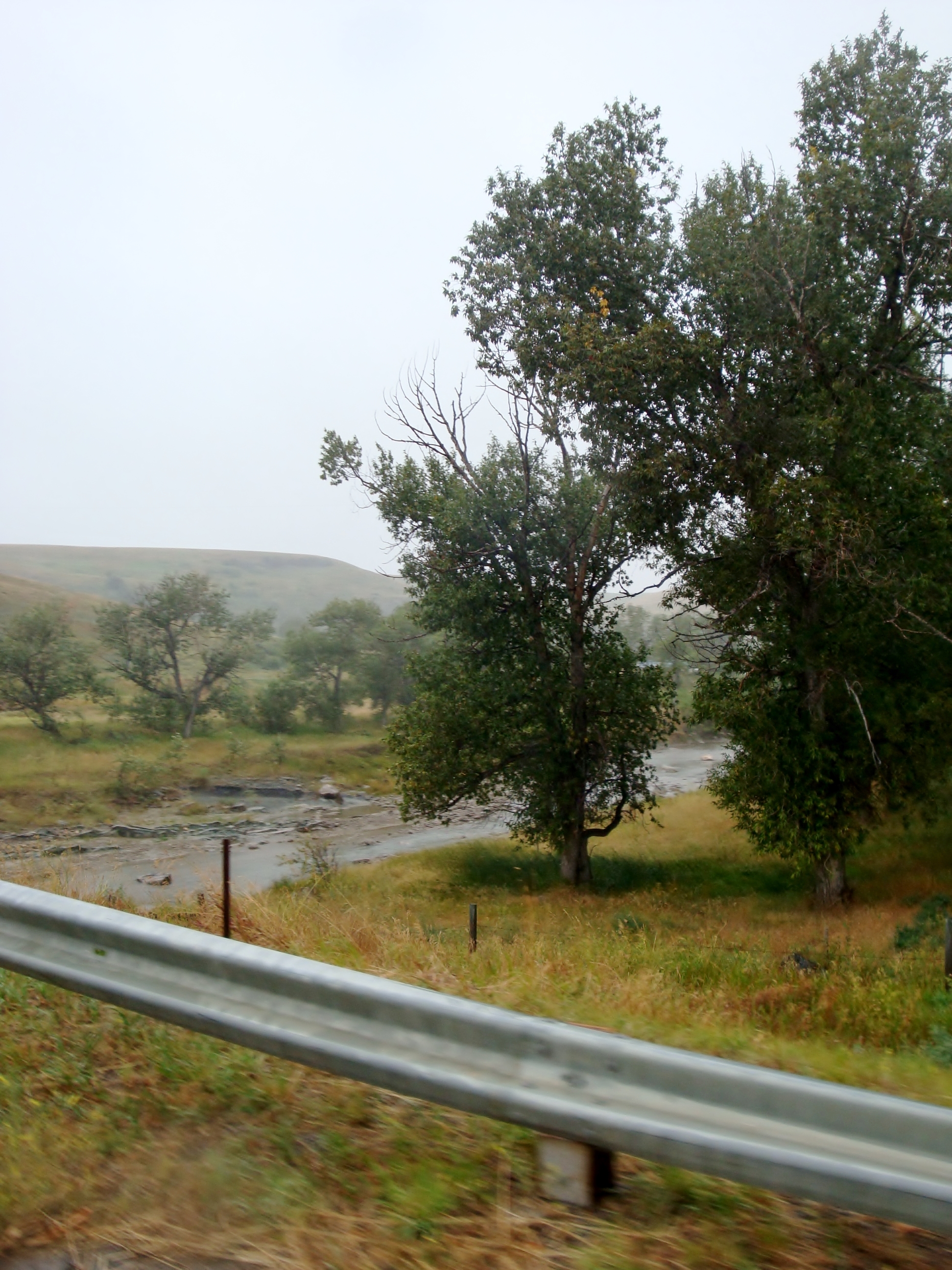
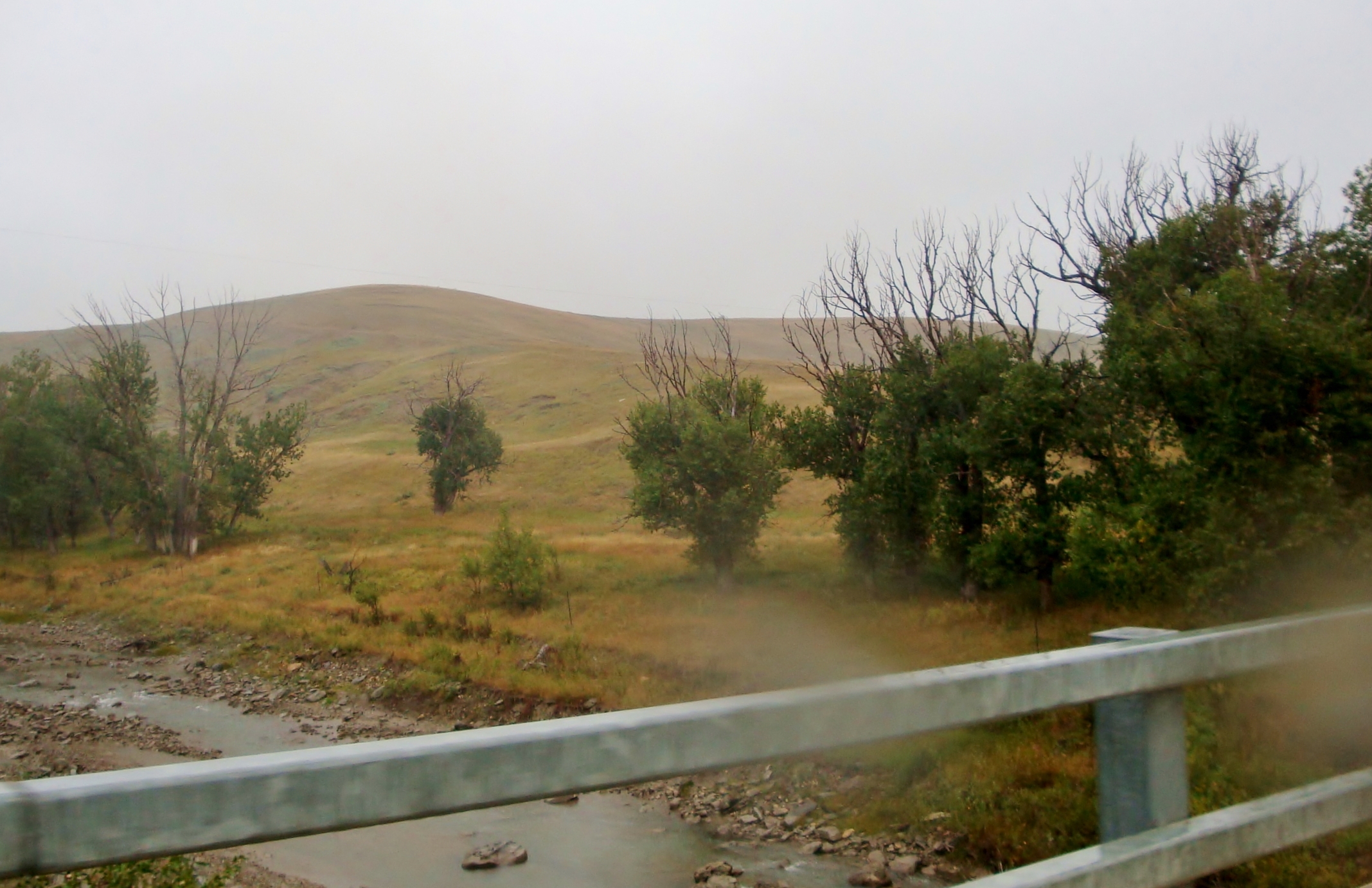
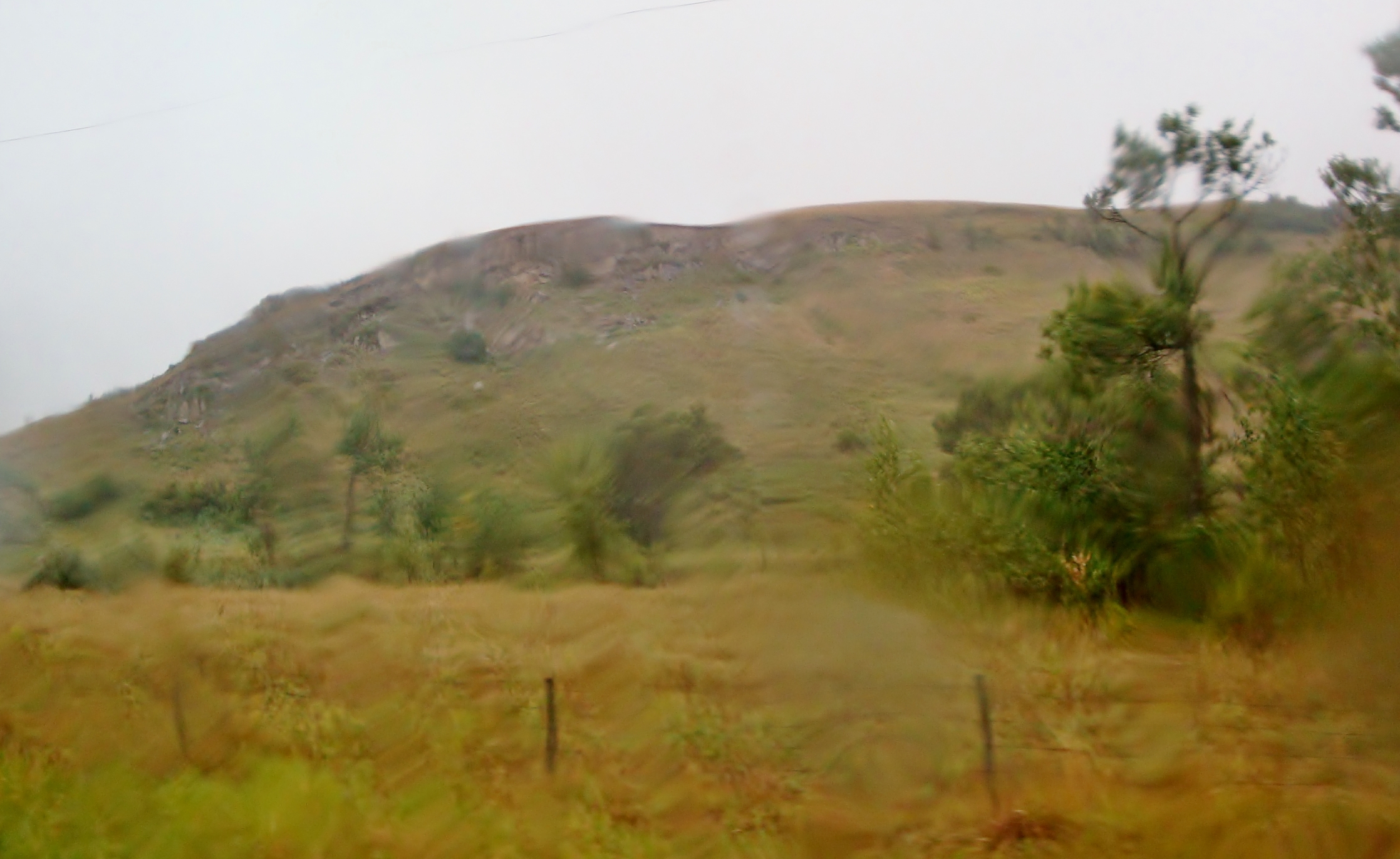
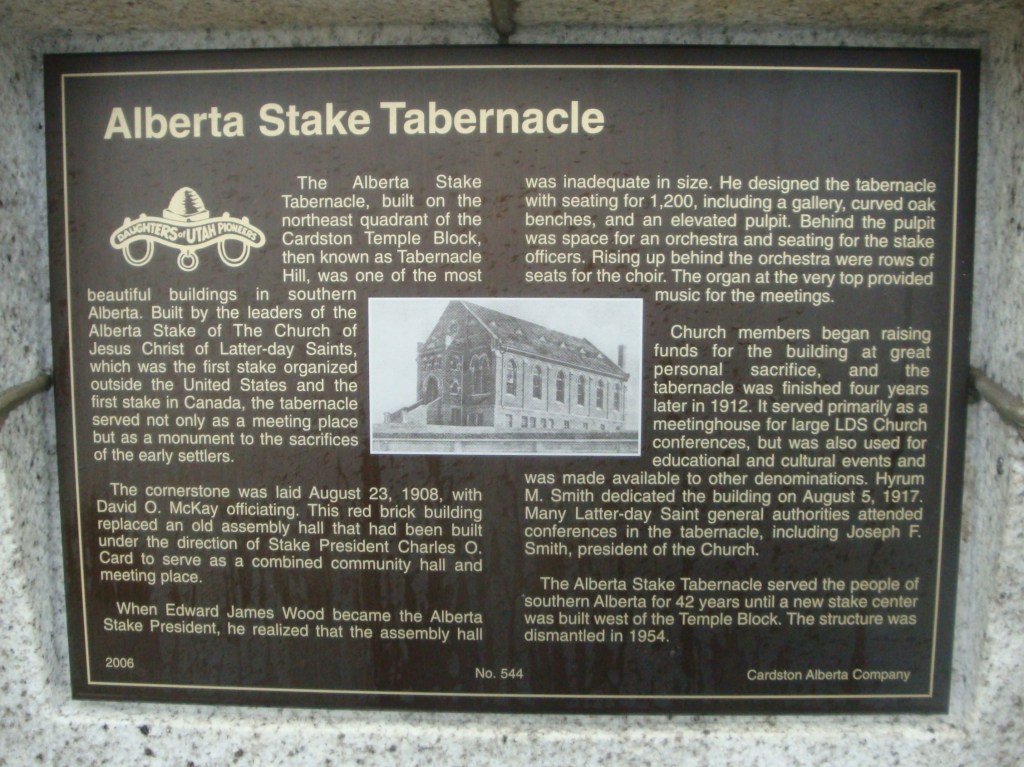
There was a quarry on the land, which supplied the stone for many of the buildings in Cardston, which, according to Alberta Past and Present, included the courthouse. According to John’s obituary, one building in Cardston built not using stone from his quarry was the first saloon built there – John refused to supply stone for that purpose. Aunt Fon told me that stone from the quarry was also used to build the foundation of the Alberta Stake Tabernacle. The Tabernacle stood from 1912 to 1954. Uncle Dave said that when the Tabernacle was demolished, people in Cardston used the stone for other projects. In fact, Uncle Dave told me that their first house originally had a fence built with stone from the Tabernacle.
In addition to farming, John also worked in carpentry. As well, John and a partner, John Turner, constructed and operated the first lime kiln in this part of the country. In 1906, John and Ella moved to nearby Woolford, Alberta, where John continued farming. John and Ella briefly returned to Utah in the early 1920s, where John operated an orchard or fruit farm, but they returned to Woolford in 1924. John continued farming the rest of his working life.
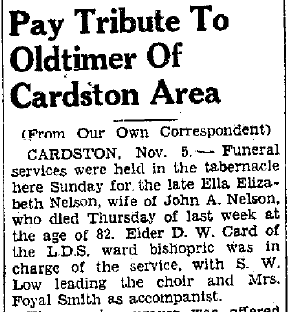
Meanwhile, Ella did not simply bide her time in the background as a farm wife and mother. According to a Lethbridge Herald article published after her death, in 1892 Charles Ora Card, Cardston’s founder and stake president, called to on Ella to study nursing and obstetrics. She was sent to Salt Lake City to study under the tutelage of a Dr. Shipp. Ella left her five eldest children at home, taking with her “a six months old baby”. Based upon this timeline, the baby would have been Seth Henry Nelson, who was born in October 1891.
However, another source stated that Ella went to Utah in 1893 and that the baby she brought with her was her son Cleveland, who was born in March 1893. After six months’ training, Ella returned to Cardston and started her service. The Herald article says that Ella “answered every call from 1892 to the time when the district was supplied with medical men, and after that time when there was more work than one doctor could do”. Ella continued as a midwife until 1932, when she was 73.
John and Ella were nationalized as British subjects domiciled in Canada in 1896 (there was no “Canadian” citizenship until 1947).
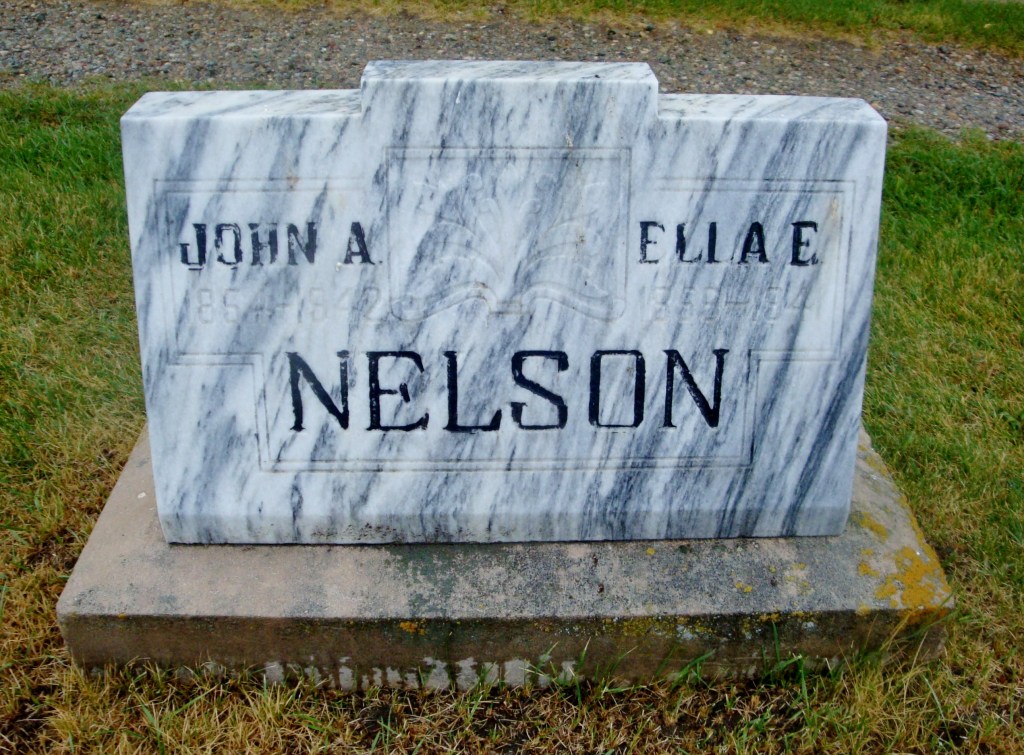
Together, John and Ella had twelve children, two of whom died in infancy. This included my great grandmother, Hazel Nelson, and her twin sister, Irene, who died at one month old. Ella died in October 1941. John died almost a year later, in September 1942. After I left Fon and Dave’s house, I drove to the Cardston Cemetery, where John and Ella are buried, along with other close relatives.
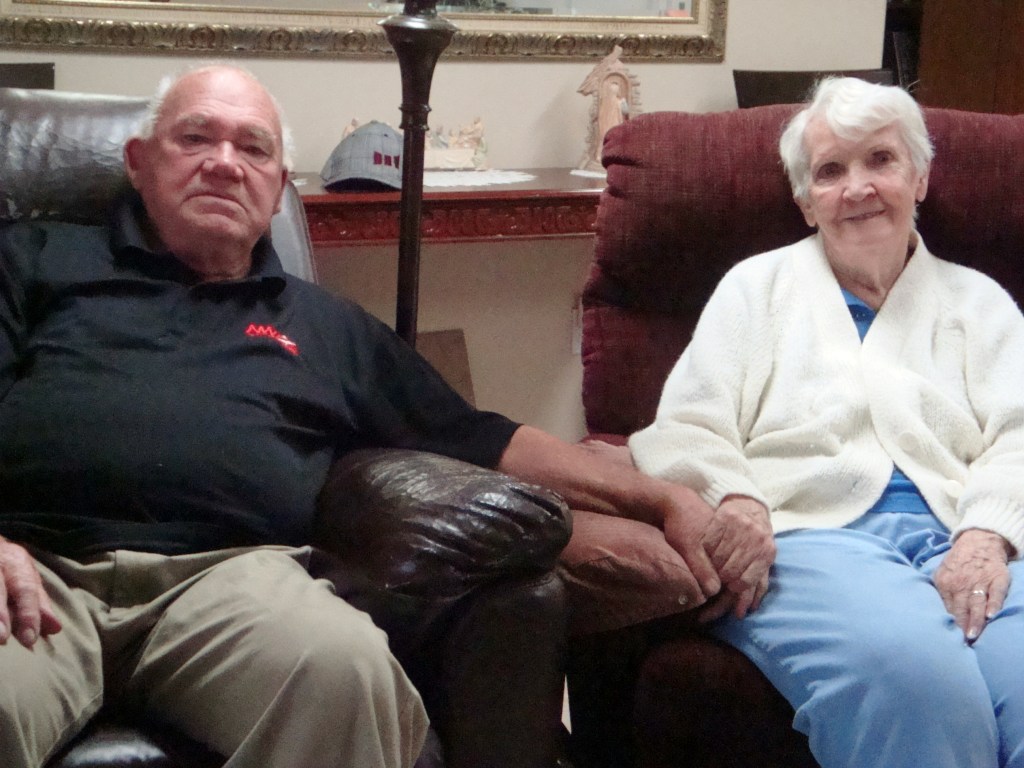
Unfortunately, while I often emailed Aunt Fon, my trip to Cardston was the last time I saw Fon and Dave. Dave passed away in October 2020 and Fon passed away five months later, in March 2021.

 A Deck of Ancestors