52W Mark V – Week 11: Martha Burns

Martha Burns (1787-1865)

Continuing in my adventures in brick walls, this week I look at my Great x4 Grandmother, Martha Burns.

Several decades ago, while visiting my Aunt Diana, she told me that she understood that through our Nelson line we had Scottish ancestry and that Robbie Burns was one of our ancestors. I was thrilled, because Burns was one of my favourite poets. So when I learned that I had an ancestor surnamed Burns I was excited, because it meant what my aunt had told me was plausible.

Unfortunately, like many family legends, the story does not hold up to scrutiny.

First of all, none of the Bard of Ayrshire’s children – legitimate and illegitimate – were named Martha. Furthermore, the Nelsons weren’t Scottish. They’re Irish. Martha was born in 1787 in Muff, Donegal, Ireland. As far as I know, Martha never left Ireland, where she may have died in 1865. Martha’s son Robert and his wife Elizabeth left Ireland for Scotland in their mid twenties and remained there for five or six years before emigrating to America. It’s possible that Robert brought his mother to Scotland, but I don’t know why he’d leave her there when he left for the States.

Like my other seventh generation Irish ancestors, I have precious little information about Martha Burns. So like the others, anything I can say about her does not have a great foundation. It is hardly definitive.

For decades, I have seen trees naming a Mary Slaak or Slaught as Martha’s mother. While this person has been persistently named and connected with Martha in many trees I’ve seen over the decades, I’ve never seen any evidence to support it. I’ve seen various fathers attached to Martha, but I don’t recall seeing one that has been consistently named or been attached for very long.

Martha married Samuel Nelson sometime around 1810. The only child that I know of was their son Robert (my Great x3 Grandfather). I have seen the names of other children come and go, but there’s never been much if any evidence to support the connection. Heck, I don’t think I’ve seen much compelling evidence to indicate that Martha was Robert’s mother. Most of the information I have is as far from the Genealogical Proof Standard as you can get.

Martha died on September 25, 1865. Again, I have little reason to believe that’s correct, but it’s the date I’ve seen most consistently set out over the years. Of course, consistency could only mean that the same mistake has been repeated ad nauseum. Is Martha my ancestor? Did she even exist?

All in all, I’d like one less brick in the wall. 🎶
Taking a Side Trip

A bit of a digression from the 52 Ancestors Challenge today.

Today we’ll be driving through Fort Macleod, Alberta. Every time we do that trip, I always remind our kids that’s where the father of one of my dearest friends was born, followed by saying that’s where Joni Mitchell was born.

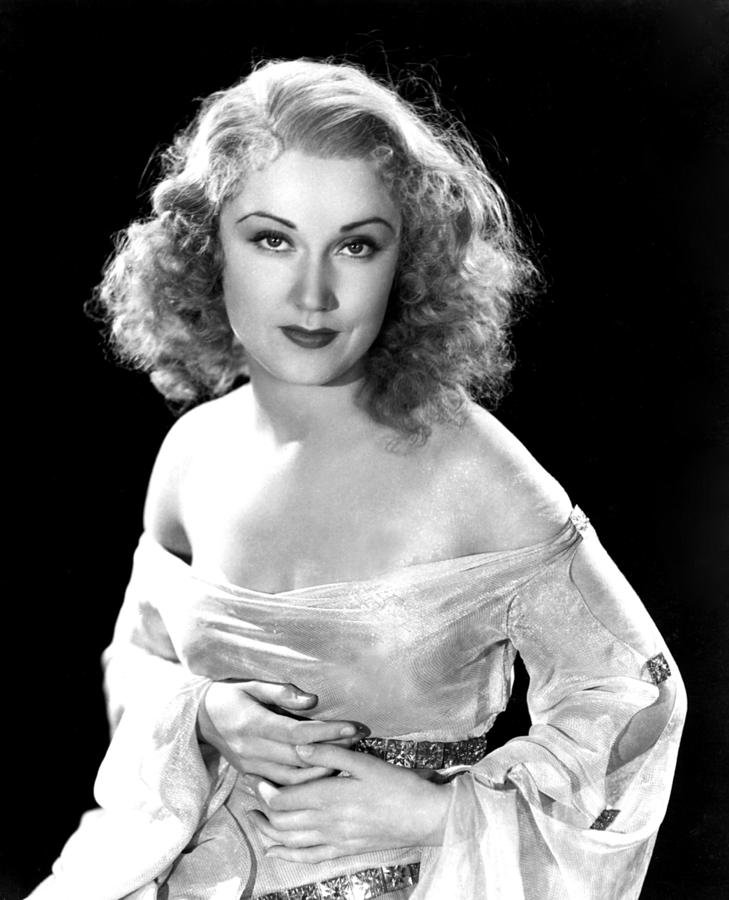
This time, I said it while at my mother’s house. She then started to wrack her mind for the name of another celebrity that she thought was born there. After a few minutes of her describing who she was trying to remember, I realized that she was thinking of Fay Wray.

Vina Fay Wray
(1907-2004)

Once I identified who my mother was thinking of, she realized that it was someone born in Cardston, not Fort Macleod.

Years ago Fay Wray was trending on social media because it was her birthday. My mother’s father, Leo Burgess, was born in Cardston and his grandparents were amongst the original settlers there. So I decided to look her up.

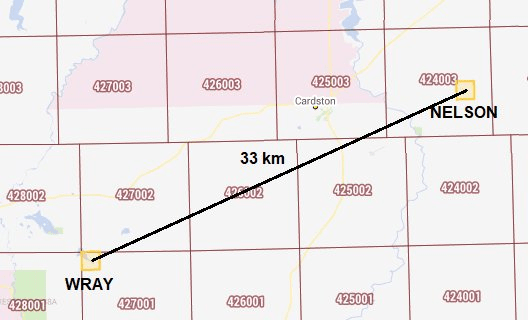
Born Vina Fay Wray, she was born near Cardston, Alberta in 1907. My great grandmother lived near Cardston with her family at that time. I wondered if the families might have known each other. They were all Mormons in the same stake (like a parish), so they could have known each other through church. Fay was born after the 1906 census, but I found her parents there. Using the census data, I mapped out where both families lived. It turns out the Wrays lived almost exactly midway between Cardston and Waterton, while my great great grandparents and their children lived east of Cardston, less than 10 km from town.

Playing with AI Image Generators

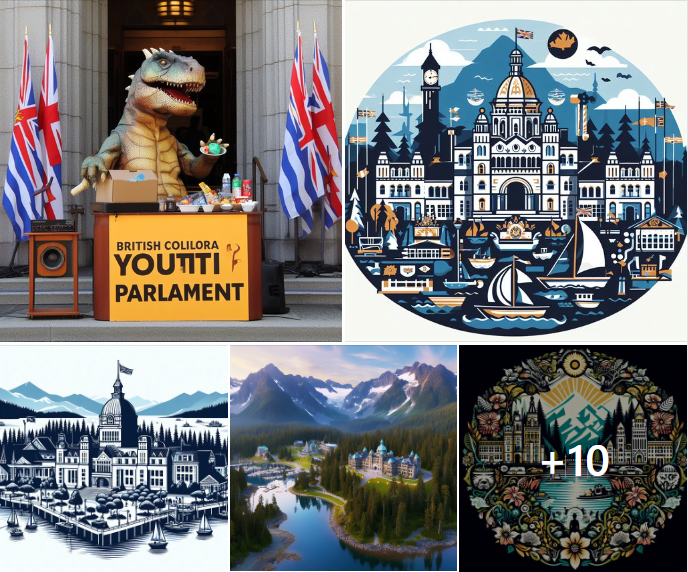
About a week ago, I learned of the Bing Image Creator through a friend who I met in the British Columbia Youth Parliament many years ago. On the BCYP Alumni Facebook page, he posted images he generated with a search of the term “British Columbia Youth Parliament”:

Every image was generated through artificial intelligence, without any human intervention. Needless to say, my favourite is the one with the dinosaur.

Later in the day I thought I would give it a try. However, I couldn’t remember the link he had posted and had logged out of Facebook. All I remembered was that it was through a Microsoft website, so I Googled: “Bing AI image generator”, which took me to the Bing Image Creator. It was only earlier today that I realized that my friend had used Microsoft Designer. That explains why he got so many more image results than I was getting.

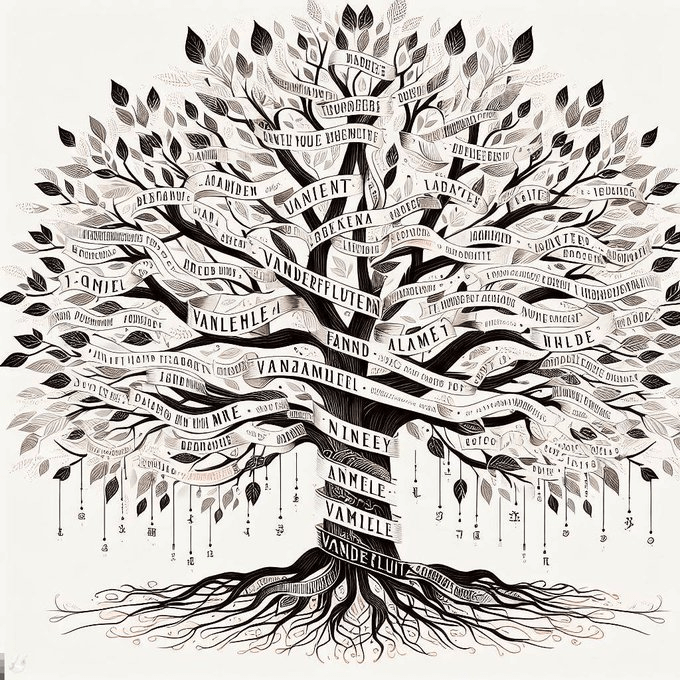
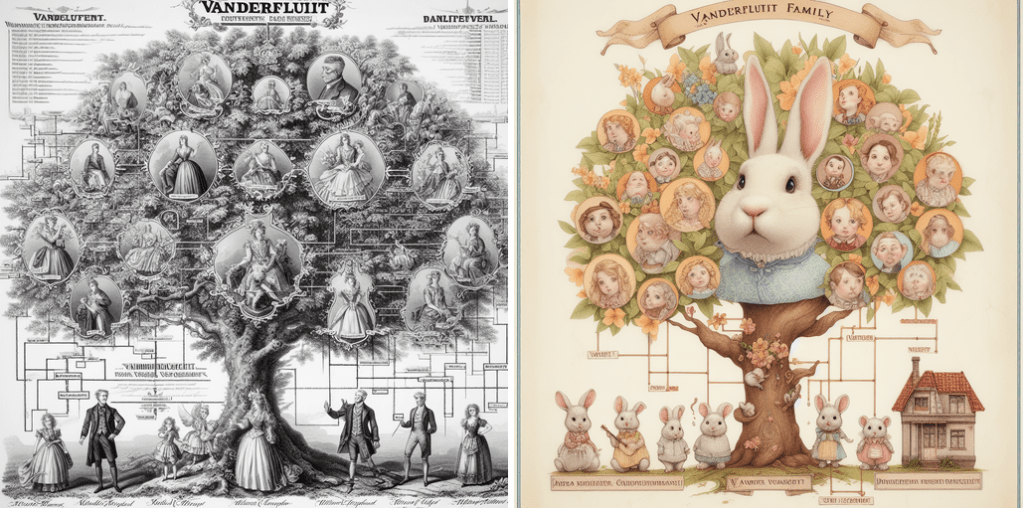
Needless to say, my first go at it was genealogical, and I entered “Vanderfluit family tree”. Of the four images that were generated, this was my favourite at the time.

However, the more I look at it, the creepier it seems. It is also an odd quirk of the AI that it messes with depicting words and phrases. There are lots of variations of “Vanderfluit” in the image, but the closest to correct spelling is at the bottom of the tree, where it says “Vandefluit”.

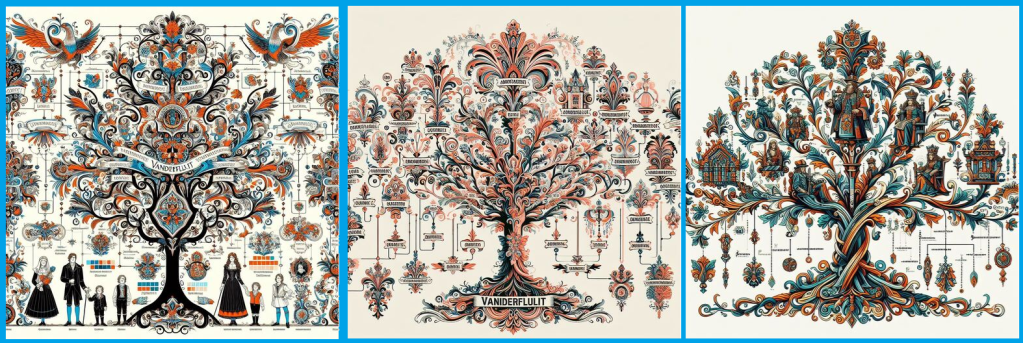
Having just discovered Microsoft Designer, I tried the same term there:

Apparently, the family patriarch or matriarch is a bunny.

Back to my initial foray into the Bing Image Creator, the next term I entered was “genealogist breaking down brick walls”:

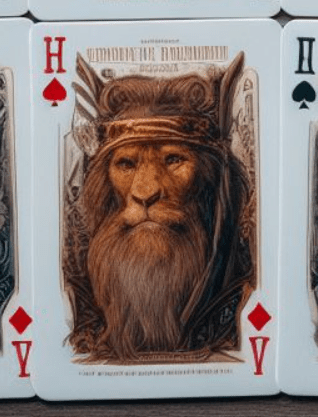
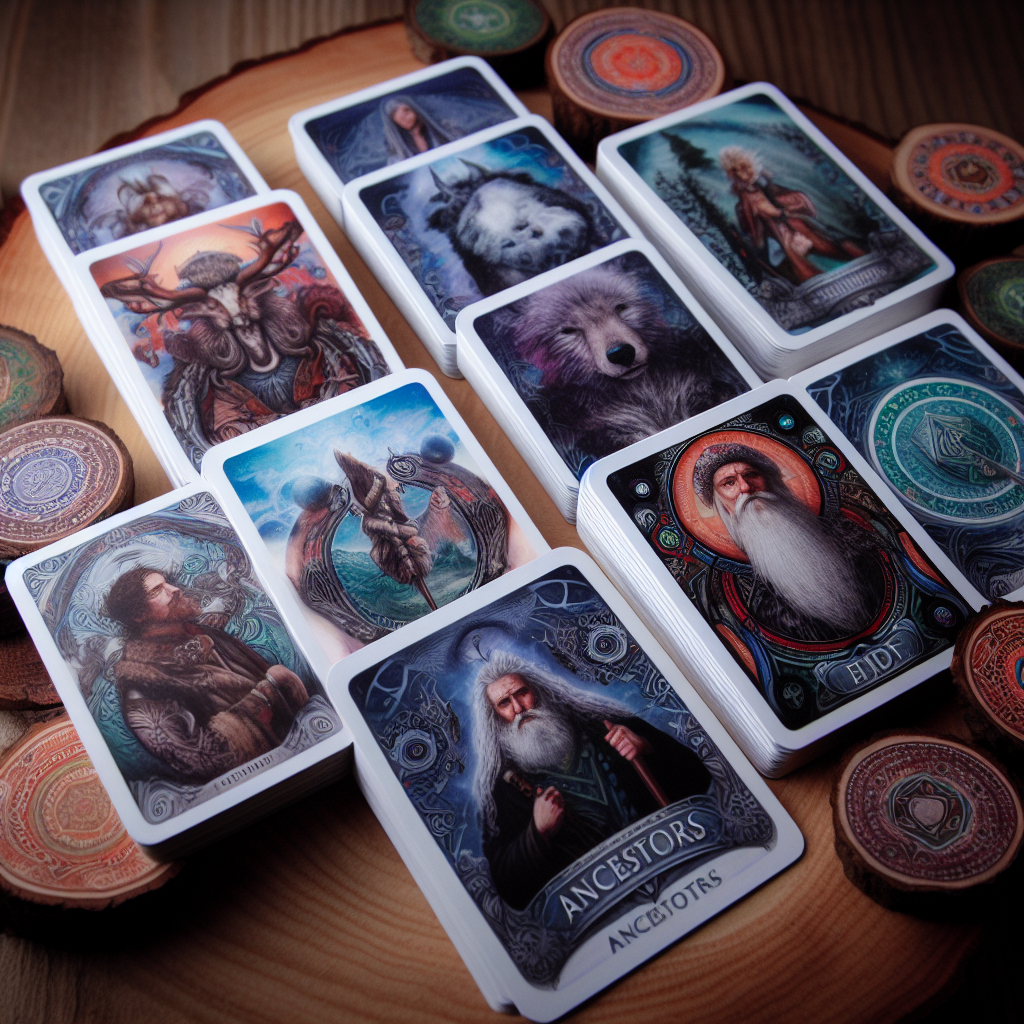
Of course, I had to try out the name of this blog, “A Deck of Ancestors”:

Of these, I liked this one best:

However, I found it interesting that the one image suggests I have a lion as an ancestor:

Meanwhile, Microsoft Designer went with a tarot card theme for “A Deck of Ancestors”:

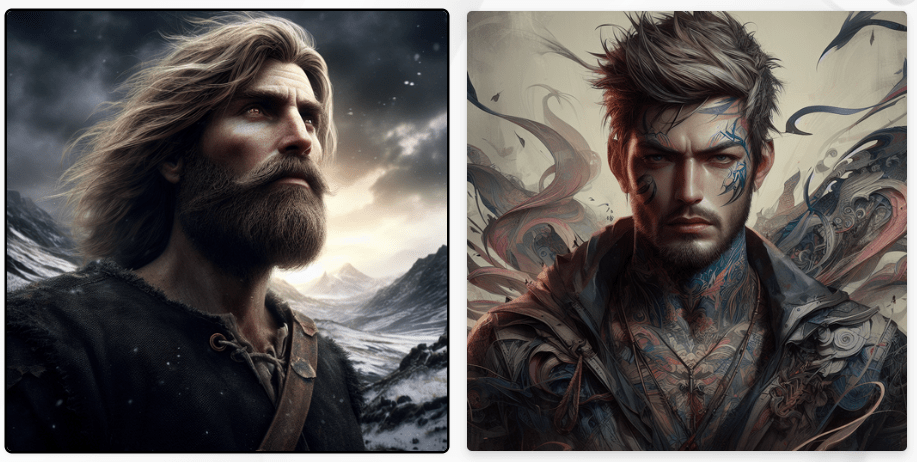
Finally, I entered my name into the Bing Image Generator. It told me the results were blocked. Microsoft Designer didn’t object and provided these results:

I can live with that. 😁

Donate Your Genealogical Material To The Archives

(Don’t Forget Family Search!)

While it might just be me, lately it seems that many archives are going out of their way to encourage donations. It even appears that they are targeting genealogists in these pitches. Even if an archive isn’t actively seeking donations, many archives’ websites provide information as to how to donate materials and published works.

Sure, the focus of this post is Canadian archives, but the last time I physically visited an archive was during my last trip to The Hague, where I popped into the Nationaal Archief.

What a great idea, particularly given how much I see on social media by genealogists pondering where their work will go, either because their children don’t care or because they have no descendants or nibblings to pass their work on to. However, even if you aren’t an endling or have someone would happily receive your genealogical materials, you should still consider what you might donate to an archive. If you’ve published a family history book, you should definitely consider it.

Don’t limit your thinking. Archives of all kinds accept donations: municipal, provincial, state, national, private, and institutional archives. Because I am based in greater Vancouver, Canada, most of the examples I am listing are Canadian. Here are but a few:

  • The University of British Columbia, my alma mater. I spent countless hours in its archives and special collections division for academic and personal research – little of which was genealogy related! “Donate“.
  • The British Columbia Archives: “Donating Records“.
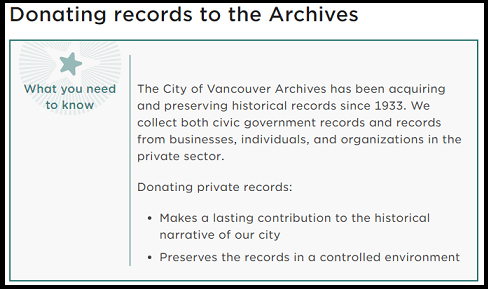
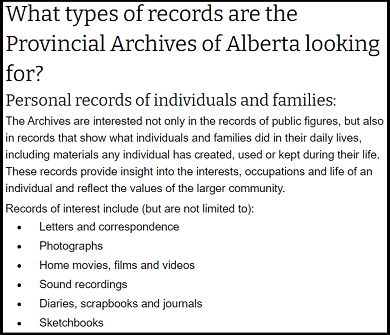
  • Most other Canadian provincial archives have a donation page on their website. I’ll note two in particular. First, the Provincial Archives of Alberta. I note on their donation page, they expressly state that the kinds of records they are seeking include personal records of individuals and families: “Donate Your Records“.

Given that there are fifty states and countless other institutions in the US, I will leave it to readers to Google the American archives that might be suitable for their records donations. However, the Society of American Archivists provides a great overview on “Donating Your Personal or Family Records to a Repository“.

Another place to consider – which might seem obvious once you think about it – is FamilySearch: “How Can I Donate?” They accept: family histories; published genealogical books; published historical books such as local and county histories; periodicals; directories; indexes and transcriptions of records in book format; yearbooks; journals (over 70 years old); family bibles containing genealogical information; and autobiographies and biographies.

Donate materials to an archive for all researchers to enjoy and benefit from!