52W Mark IV – Week 30: Card B4 John Alexander Nelson

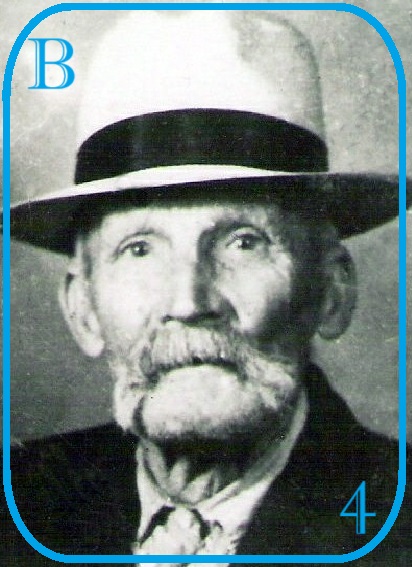
John Alexander Nelson (1854-1942)

When I was 13, we went to Montana for a family reunion of the descendants of John Alexander Nelson, my Gx2 Grandfather. Of course, we were also the descendants of his wife Ella, but there wasn’t a lot of talk of her that weekend, but there certainly seemed to be a lot of reverence and awe when people spoke about John.

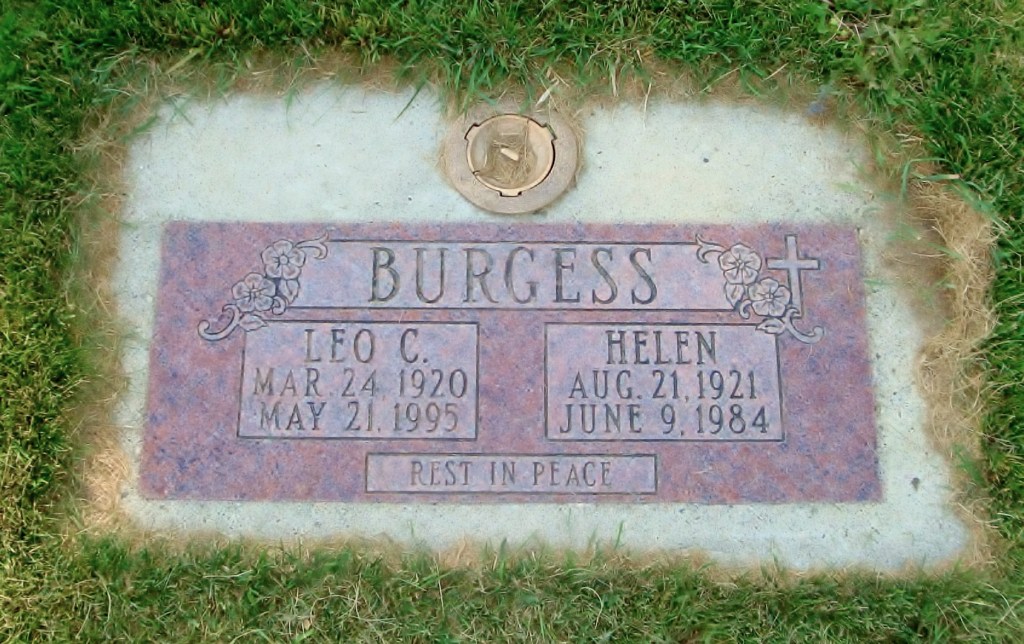
The event made an impression on me in many ways. It was the first (and pretty much only) organized family reunion I’ve ever been too. While it wasn’t my first time to the States, at that time I had not been there many times, and it had never been to see relatives. At the time I didn’t really have much connection to or knowledge about my American relatives, nor were they particularly close to me – lots of second or third cousins, once or twice removed. As well, it was my first real exposure to my Mormon relatives. John was my grandfather Leo Burgess’s grandfather, and my grandfather really wasn’t much of a practicing Mormon. He had pretty much left the church and didn’t follow any of its practices, so I didn’t really know much about it at the time.
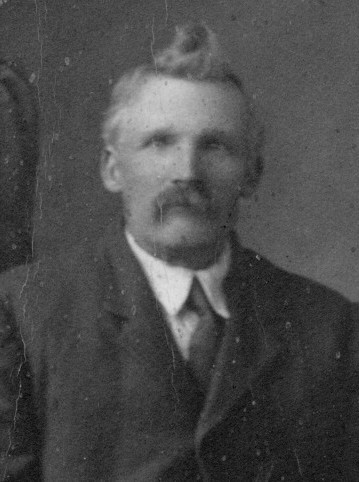
John was born in Farmington, Utah, on October 17, 1854 to Irish immigrant parents, Robert Nelson and Elizabeth Joseph, who had spent some time in Scotland before they joined the Mormon church and moved to America with their first three children. After arriving in the States, the Nelsons lived in Missouri for a couple years before continuing on to Utah in 1852. While he was Robert and Elizabeth’s second child born in the United States, John was the first of their children born in Utah.

Sometime between 1860 and 1862, when John’s youngest siblings were born, the family moved to Smithfield, Utah, almost 100 kilometers to the nouth of Farmington. While he married his wife, Ella Elizabeth Thomas, in Salt Lake City on January 9, 1879, he continued to reside in Smithfield, apparently until the family emigrated for Canada.
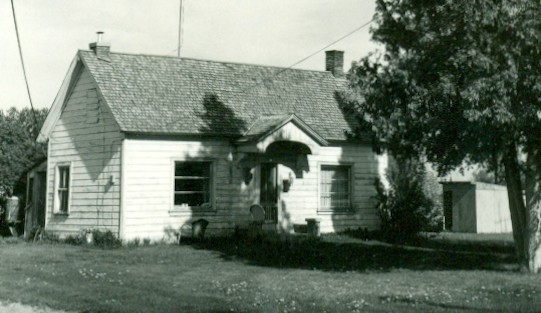
The house John built in Smithfield in 1879

It appears that John might have flirted with the polygamous practices of the Mormon church. On March 19, 1885, he was “sealed” (a Mormon ritual meant to bind familial relationships for eternity) to two sisters, Matilda Jane and Eliza Rankin. Sometime in 1892, John was sealed to Frances Rebecca Purser.

I received this information from my great aunt Fon Hogg (née Burgess), John’s granddaughter. Fon was an avid and proficient genealogist. As a member of the Mormon church, Aunt Fon had access to information that is not available to non-adherents. Fon stated that they were “only sealed,” suggesting there was no civil marriage. In any event, as a polygamous marriage, these unions would not be recognized by the civil authority. Fon also informed me that the sealing between John and Frances was “cancelled” in 1896.

In 1887, Charles Ora Card, a significant Mormon leader, founded the settlement that became Cardston. In part, Card was seeking to avoid arrest for bigamy and was hoping Canada would be more accepting of plural marriage. The Canadian government quickly quelled that prospect, but the settlement flourished. In 1889, he returned to Utah to recruit more settlers.
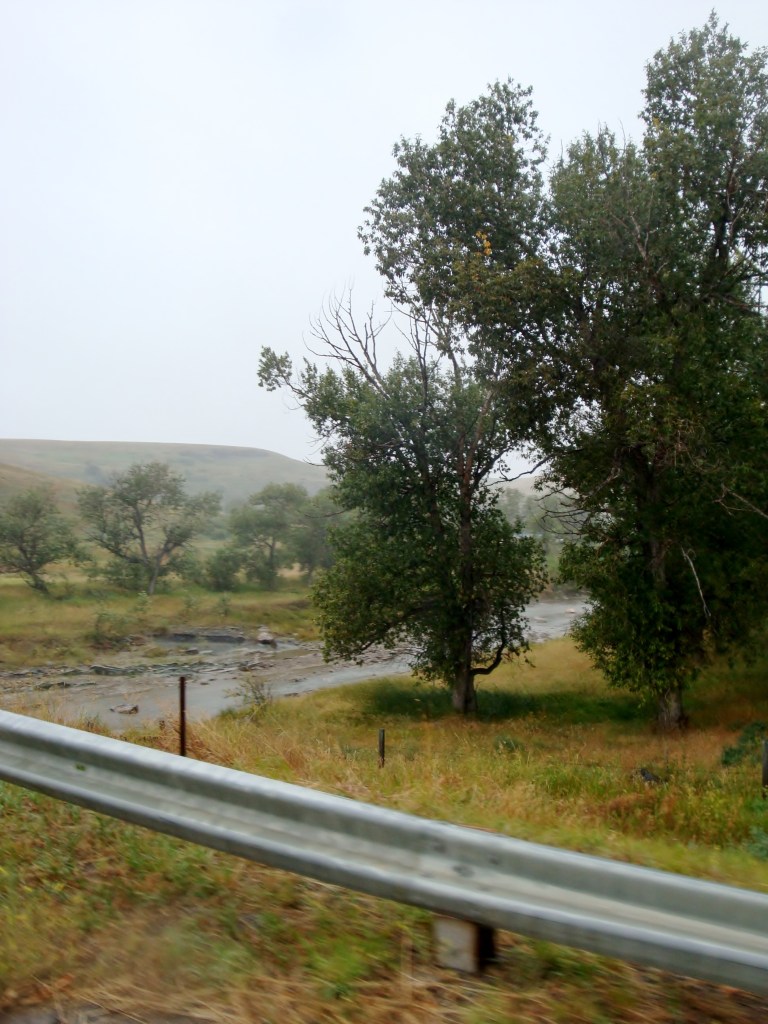
Lee Creek and the land John settled in 1890.

John and Ella answered the call, so they and their five children moved to Canada in September 1890. They travelled by covered wagon and brought 13 horses, 7 cows, 7 “other horned cattle”, and a pig. Upon arrival, John constructed a sod dugout on a 160 acre homestead on Lee Creek, which ran though the land and on to Cardston. The land is located on what is now Alberta highway 501. John and Ella were nationalized as British subjects domiciled in Canada in 1896 (there was no “Canadian” citizenship until 1947).

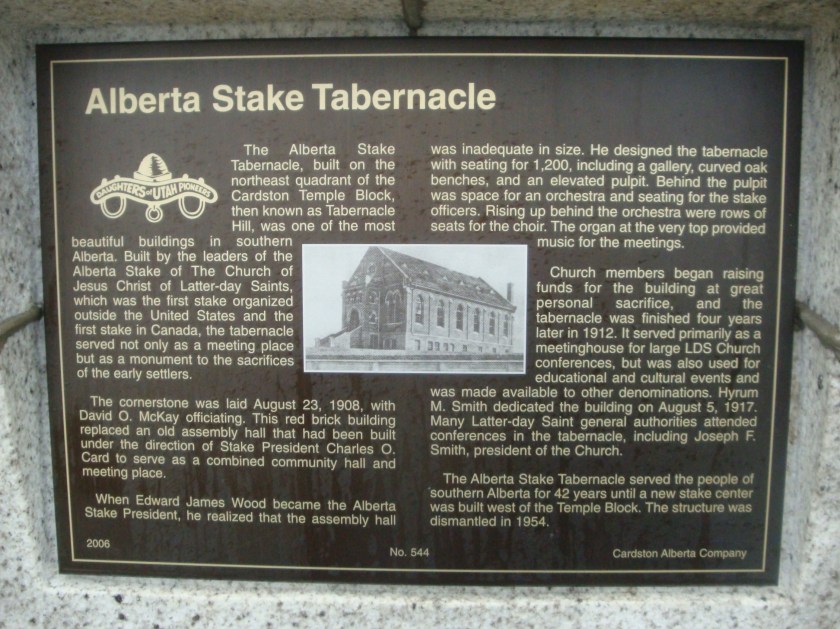
John’s land also had a quarry. Rock from his quarry helped build, among other things, included the Cardston courthouse and, reputedly, the Alberta Stake Tabernacle that stood from 1912 to 1954. The one structure for which John definitely did not supply the stone was Cardston’s first saloon. As if farming and operating a quarry was not enough, John was also a carpenter and operated the first lime kiln in the region. He also served as a school trustee in 1907.
In 1906, John and Ella moved to nearby Woolford, Alberta, where John continued farming. They briefly returned to Utah in the early 1920s, where John operated an orchard or fruit farm, but they returned to Woolford in 1924. John continued farming there for the rest of his working life.

John died on September 29, 1942, a year after Ella passed away. At the time of his death, John had 10 children, 54 grandchildren, and 25 great grandchildren, on both sides of the Canadian-US border. No wonder there were so many people at that family reunion in Montana!
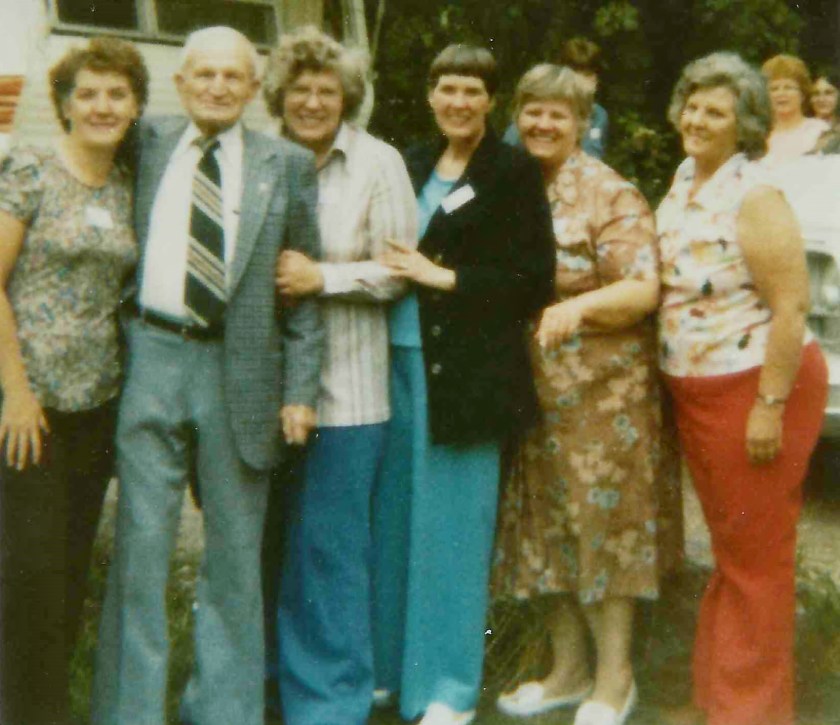
One of the big stars at the Nelson family reunion was Cleveland Nelson (1893-1982) , the last living child of John and Ella. He’s with five of his nieces, my grandfather Leo Burgess’s sisters: Fon, Cleve, Julia, Ella, Molly, and Irene. You can also see my mother over Irene’s shoulder.
52W Mark III – Week 15: School Days

I typically consider myself as a descendant of many, many farmers. However, I am always surprised to remember that I am also descended from many individuals for whom education was important. There are also several educators in my extended family, including a high school principal. One of my sisters was a school teacher before becoming a medical doctor. As well, my maternal grandmother, Helen Lerner, originally intended to become a school teacher until a nun steered her in another direction.

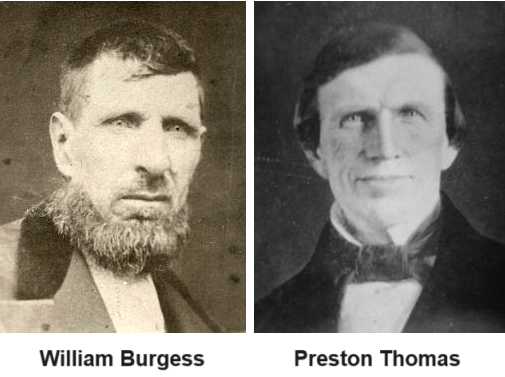
In particular, several of my direct ancestors were school board trustees. The earliest were my Gx3 grandfathers, William Burgess (1822-1904) and Preston Thomas (1814-1877). They served together on the first school board for the Lehi, Utah school district. The school district was created by the city of Lehi by resolution dated February 17, 1854. An election was held three days later, on February 20, 1854. Three school trustees were elected: William, Preston, and Daniel Collett.

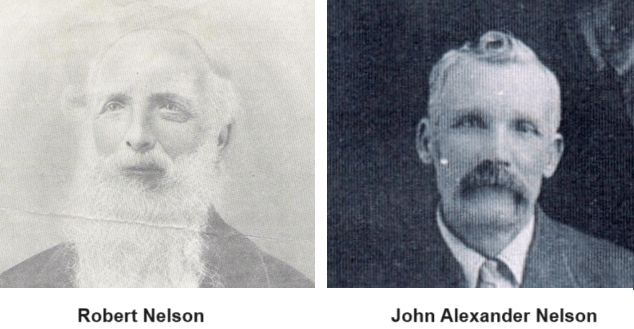
My Grandpa Burgess also had several other school trustees on his maternal line, the Nelson family. According to the 1880 US Census, his great grandfather (another of my Gx3 grandfathers), Robert Nelson (1818-1902) was a school trustee in Smithfield, Utah. Twenty-seven years later Robert’s son, John Alexander Nelson (my Gx2 grandfather) held the same office in Woolford, Alberta. John was one of the founders of the Woolford school board and was one of its first board members.

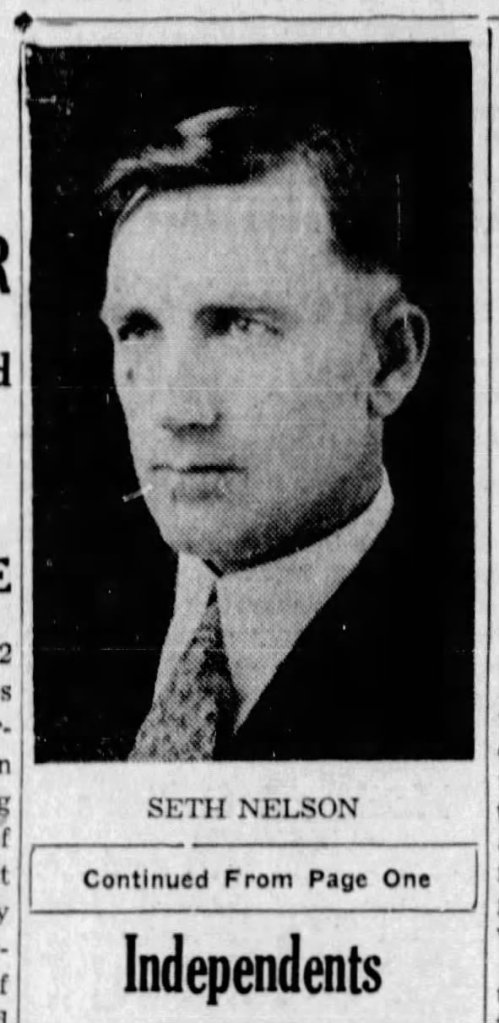
John’s son (my grandfather’s uncle), Seth Henry Nelson Q.C. (1891-1975), also served as a school board trustee in Cardston, Alberta. Seth was a school trustee for 15 years, from 1924 to 1939. Seth served as the Board’s Secretary for the last 10 years of his time in office. Following his last term as a school trustee, Seth made an unsuccessful run for a seat in the Alberta provincial legislature during the 1940 general election. Seth ran as an independent against the incumbent Social Credit candidate, Nathan Tanner. Tanner was a former Speaker of the legislature who was appointed to Cabinet in 1937. Despite running as an independent, it was a close race. Tanner defeated Seth in a two-way race, 2,160 votes to 1,808 (54.4% of the vote).

Education was also a facet of my wife’s side of the family, one of whom also served as a school trustee. Frank Eden (1839-1907), our children’s Gx3 grandfather, was a prominent Halifax, Nova Scotia merchant whose primary business was shoe manufacturing and sales. Frank served two non-consecutive terms as an alderman on the Halifax city council (1892-1893 and 1895-1896). Concurrent with both terms of office on city council, Frank served on the Halifax Board of School Commissioners.

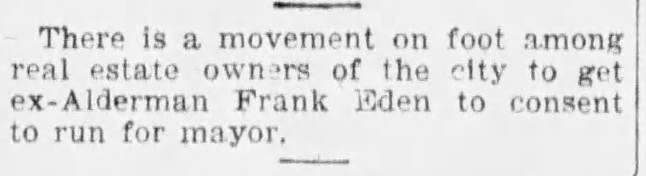
In 1902, there was an attempt to persuade Frank, who was still in the shoe industry, to run for Mayor of Halifax. As stated on page nine of the Halifax Herald, on January 1, 1902: “There is a movement on foot…to get ex-Alderman Frank Eden to consent to run for mayor.” As far as I’m concerned, all puns are intended.

52W Mark II – Week 44: Spirits

Egad, I almost ghosted this week’s 52 Ancestors Challenge, themed “Spirits”. I thought I had done this a week ago, but it turns out I only did so in my mind.

Initially I had hoped to take the theme in a more libatious direction and share an anecdote involving jenever, a Dutch liquor that is the forefather of gin. Unfortunately, once I began to write it, it became apparent that it was a rather boo-ring story.

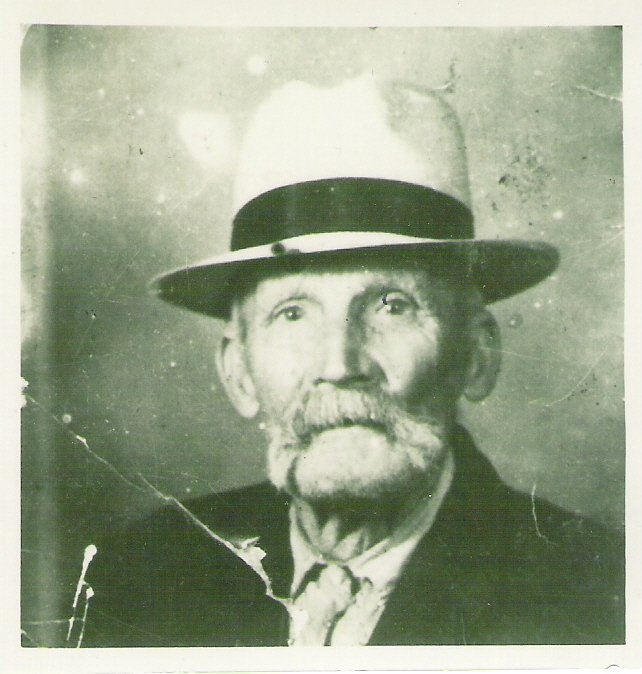
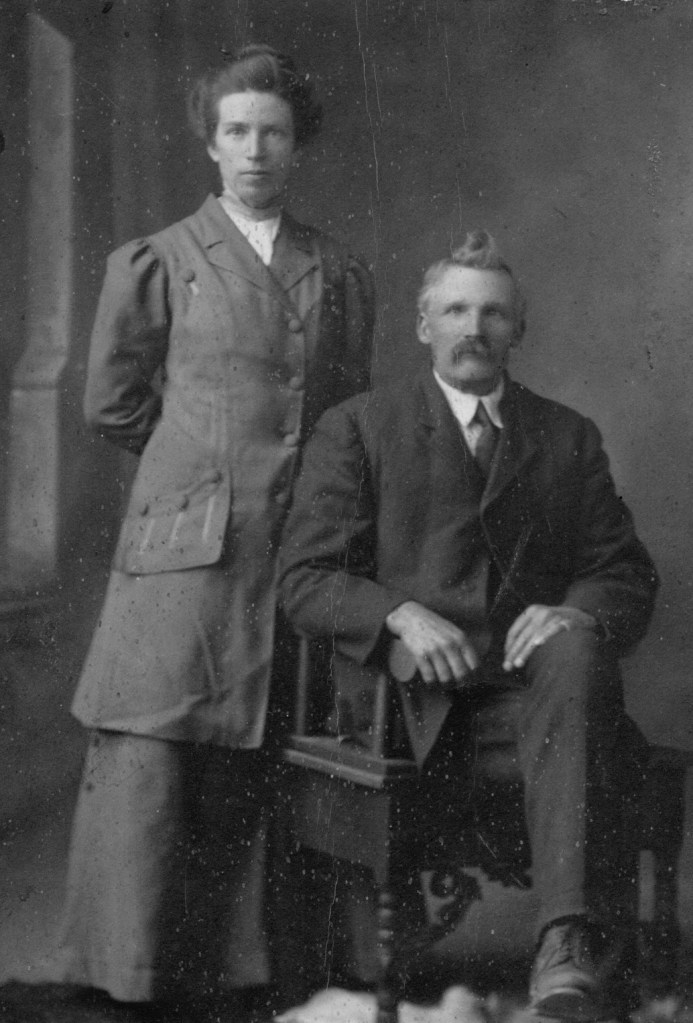
John A. Nelson

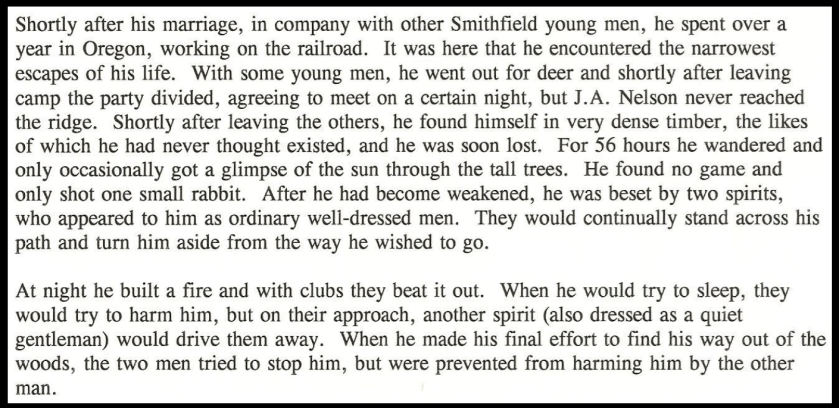
Thus I have turned to this well-worn oft-repeated anecdote about my great great grandfather, John A. Nelson (1854-1942), that I’ve seen innumerable times over the last thirty years. It’s attributed to his son Seth Henry Nelson (my mother’s great uncle, who I wrote about on Week 8 in 2022). While I’ve seen countless copies of it, I’ve never seen anything its provenance or that could be described as the original.

The tale relates to John’s encounter with two malevolent spirts and a third that may have been his protector. I’ll share it as written:

Needless to say, I don’t believe a word of it. Its greatest value may be that it tells me something I otherwise wouldn’t have known about John: he spent a year in Oregon working on the railroad. The only question is when.

The anecdote indicates that John was in Oregon for over a year shortly after his marriage to my great great grandmother, Ella Elizabeth Thomas, which occurred on January 9, 1879. Their first child, Maria (“Mimie”), was born in March 1880, so John did not leave for Oregon any earlier than June or July 1879. John and Ella’s second child, Ella, was born more than two years after Mimie, in June 1882. If John was away from home for more than a year shortly after marrying Ella, it could have occurred anywhere between late summer 1979 and the summer of 1881. However, without further evidence, I don’t have a ghost of a chance of figuring it out.

Ella Elizabeth Thomas and John Alexander Nelson

52 Weeks – Week 46: Tombstones

Pretty much anyone who has been doing genealogy for a significant period of time has likely visited their fair share of cemeteries. So it’s no surprise that one of this year’s weekly themes for the 52 Ancestors Challenge is “Tombstones”.

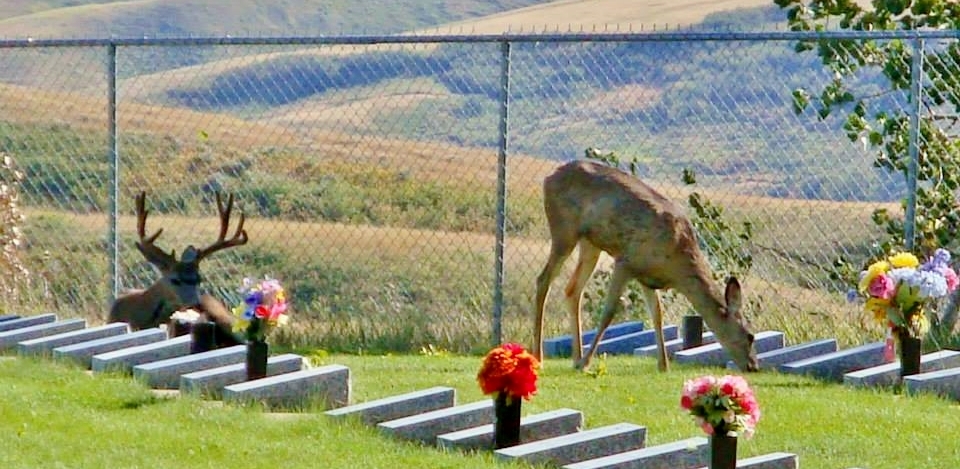
A couple of visitors I ran into at Mountain View Cemetery in Lethbridge, Alberta.

On Week 14, “Check it Out“, I considered some unique ways to consider my pedigree. For this week’s theme, I thought about my pedigree in terms of whose tombstone/headstone/grave marker I have visited.

What I was surprised to realize is that I’ve visited the final resting place of more of my great great grandparents than my great grand parents. I’ve been to where two of my great grandparents are buried, but to the site of three of my great grandparents. Granted, it’s a matter of three to two, but still, it seems like an odd statistic.

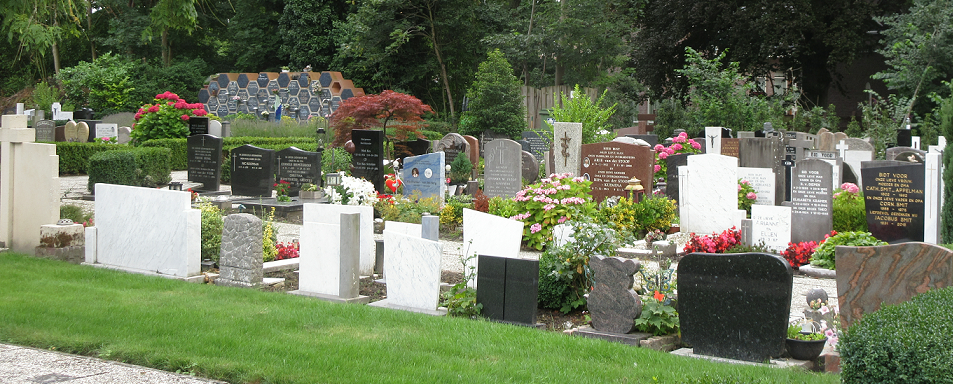
None of these include my Dutch ancestors. In general, Dutch graves are cleared after a few decades. I’ve only been to one church graveyard in the Netherlands, the Parochiële Kerkhof of St Jan de Doper (St. John the Baptist) in Noord Scharwoude, North Holland. My father has at least one aunt and uncle buried there, as well as a number of cousins of varying degrees.

Parochiële Kerkhof of St Jan de Doper

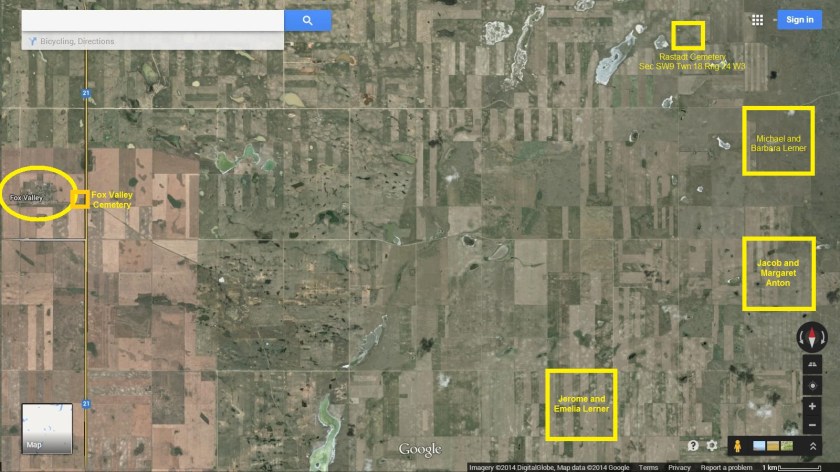
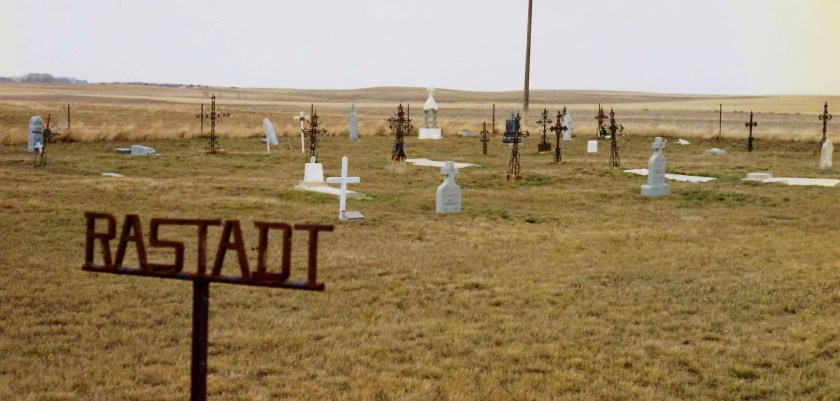
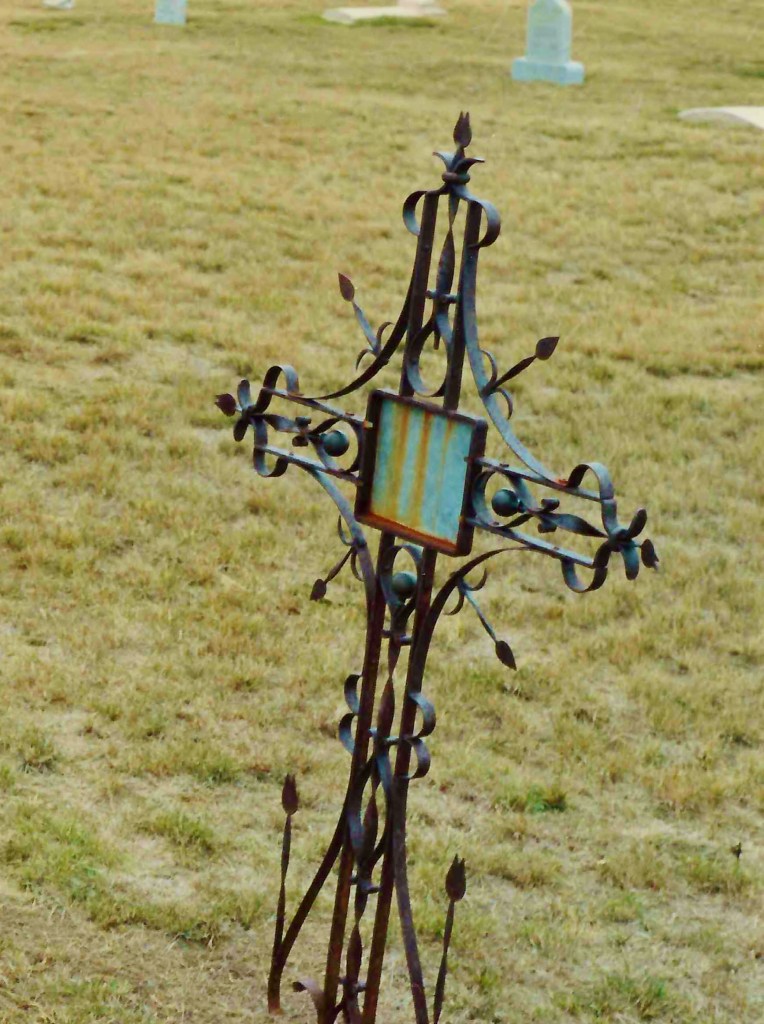
I’ve written several times about my road trip to Fox Valley, Saskatchewan with my mother, where we visited the Rastadt and Fox Valley cemeteries. My great great grandfather Jacob Anton is buried at Rastadt, while his son-in-law (my great grandfather) Heronimus (“Jerome” or “Jerry”) Lerner is buried in Fox Valley.

Fox Valley is the oval on the left, with the Fox Valley cemetery immediately to the east. The Rastadt cemetery is located in the upper right hand corner.
Rastadt, Saskatchewan Cemetery, April 1, 1997. Located at 50°30’00.9″N 109°15’32.3″W
You can find the cemetery listing here.

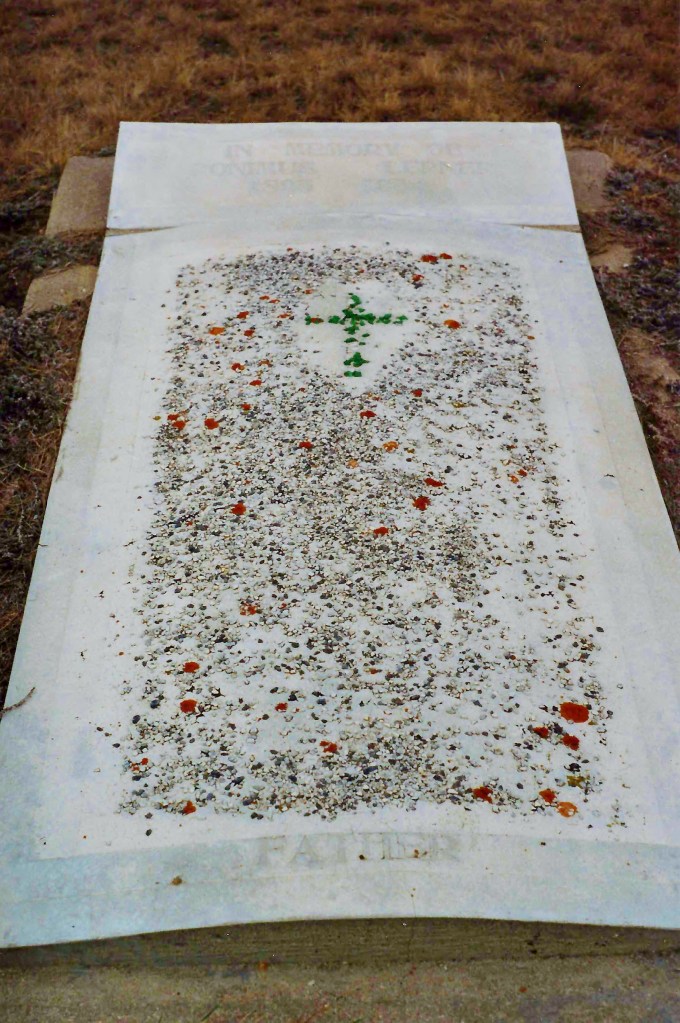
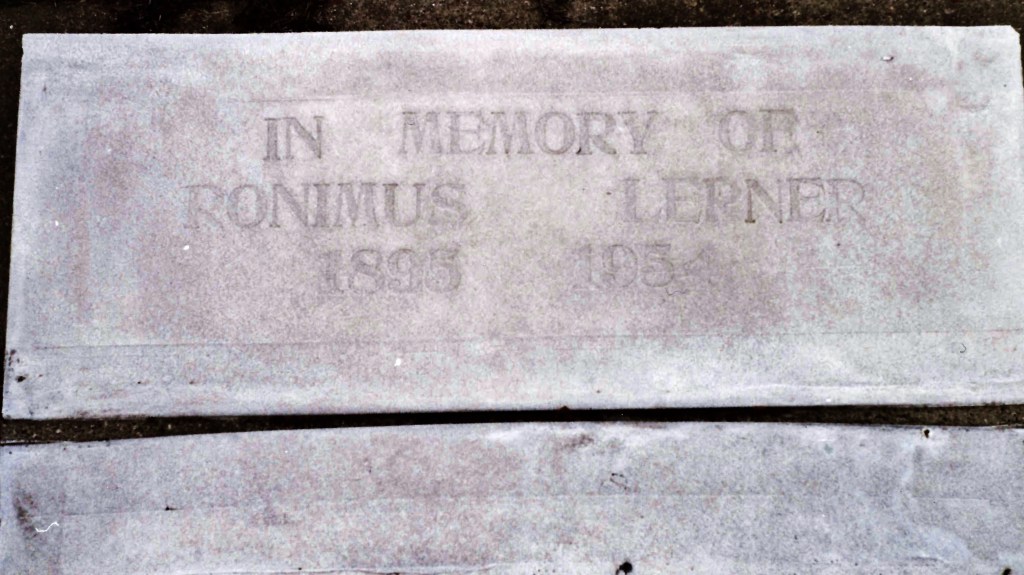
There’s an error on the headstone. I guess you could say that it’s a grave mistake.

The inscription on my great grandfather’s headstone is wrong. It should read “Heronimus” rather than “Ronimus”. During our visit, we tried to determine if the first two letters (“HE”) had worn off the headstone or if it had been deliberately written this way. Because of the centering of the text, it appears to have been deliberate. The Medicine Hat News, of December 20, 1954, page 4 states, “Jerome Lerner, of Fox Valley, Sask., who died at Maple Creek December 6. Interment was in Fox Valley cemetery.”

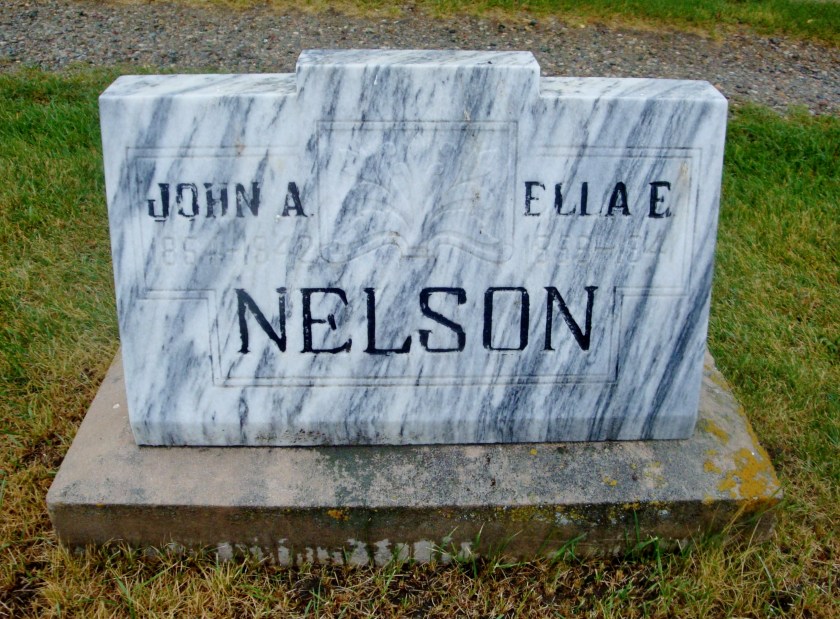
The other great great grandparents whose grave I’ve visited are John Alexander Nelson and Ella Elizabeth Thomas. They’re buried at the Cardston Cemetery. I wrote about my visit there on Week 36.

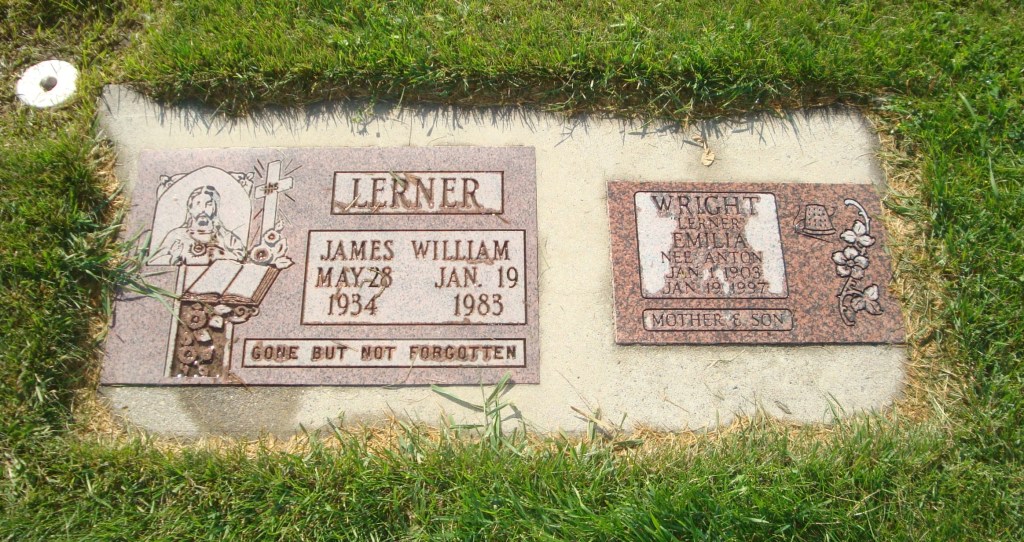
Besides Jerome, the only other great grandparent whose grave I have visited is that of his wife, Emilia Anton. She is buried at Mountain View Cemetery in Lethbridge, Alberta, along her son (my great uncle) Jim Lerner.

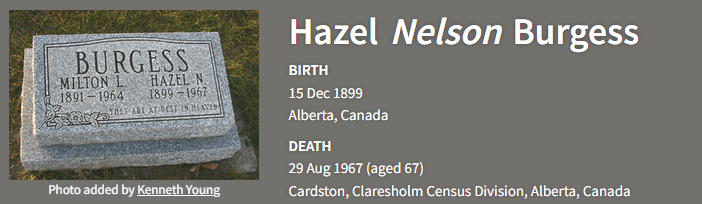
Then again, for what it’s worth, my mother was at the burial of her grandmother Hazel Nelson the day before I was born. She was buried at the Magrath, Alberta cemetery alongside my great grandfather, Milton Burgess, so in a way I’ve been to the burial site of four of my great grandparents. I’ve been to Magrath many times, just never to the cemetery.

Screenshot of the entry for Hazel Nelson at Find a Grave. The headstone is for both Hazel and her husband, Milton Burgess.

However, I should add that I’ve been to where all four of my grandparents are interred, although I was only present for three of their funerals. I was in high school and writing final exams when my grandmother, Helen Burgess, passed away. Both pairs of my grandparents are buried in close proximity to each other at Mountain View Cemetery in Lethbridge. Among others, they’re also close to Emelia, as well as my aunt Helen Diana Burgess.