52W Mark III – Week 30: Boats

Like many immigrants, my father came to Canada on a boat; in his case, the M.S. Sibajak.
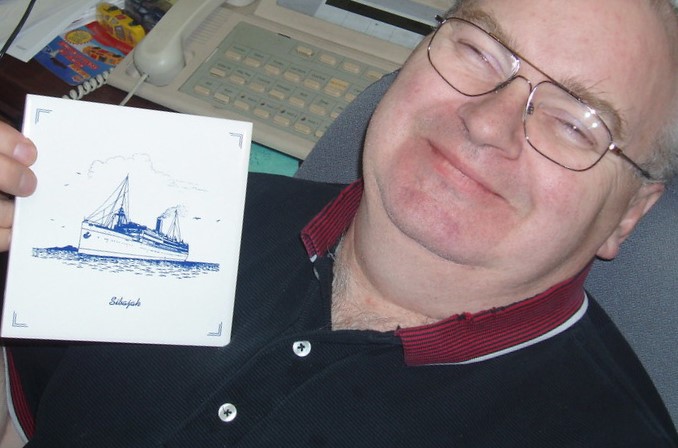
My father holding a Delft tile of the Sibajak, the ship on which he immigrated to Canada in 1954. This one is actually a replacement, as the original one I gave him had chipped. I was lucky to find this, as these tiles are no longer available.

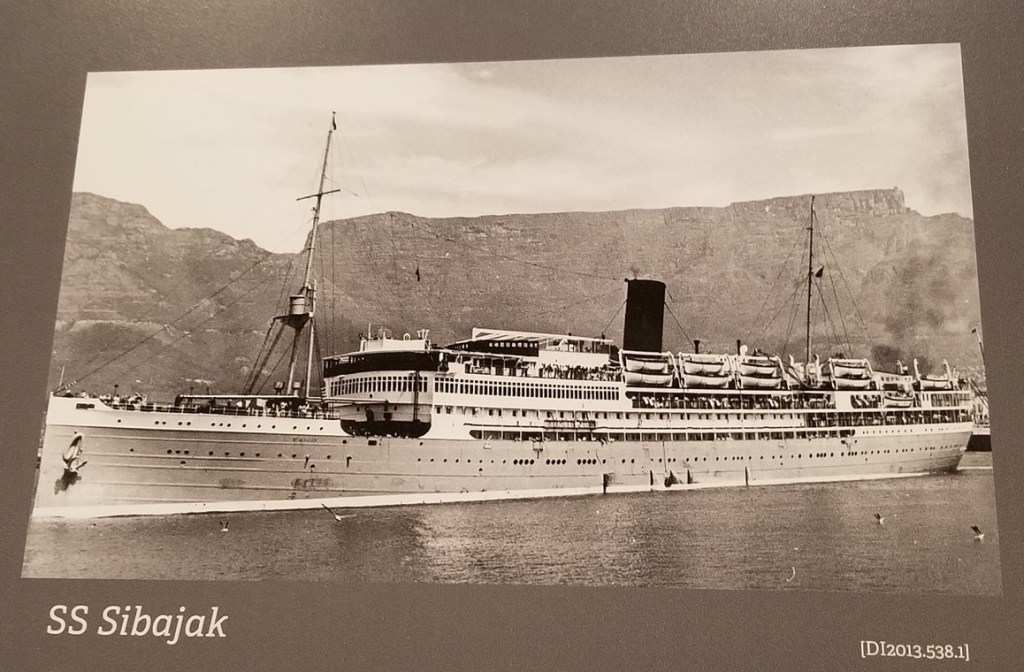
The Sibajak was named after a volcano in Sumatra. it was built for Koninklijke Rotterdamsche Lloyd (Royal Rotterdam Lloyd) at the De Schelde shipyards in Vlissingen, Zeeland. Construction began in 1926 and completed in 1927. Royal Rotterdam Lloyd received the Sibajak in January 1928. At launch, it could carry 527 passengers and had a crew of just over 200. It departed on its maiden voyage on February 8, 1928, leaving Rotterdam for Batavia, Dutch East Indies (now Jakarta, Indonesia).
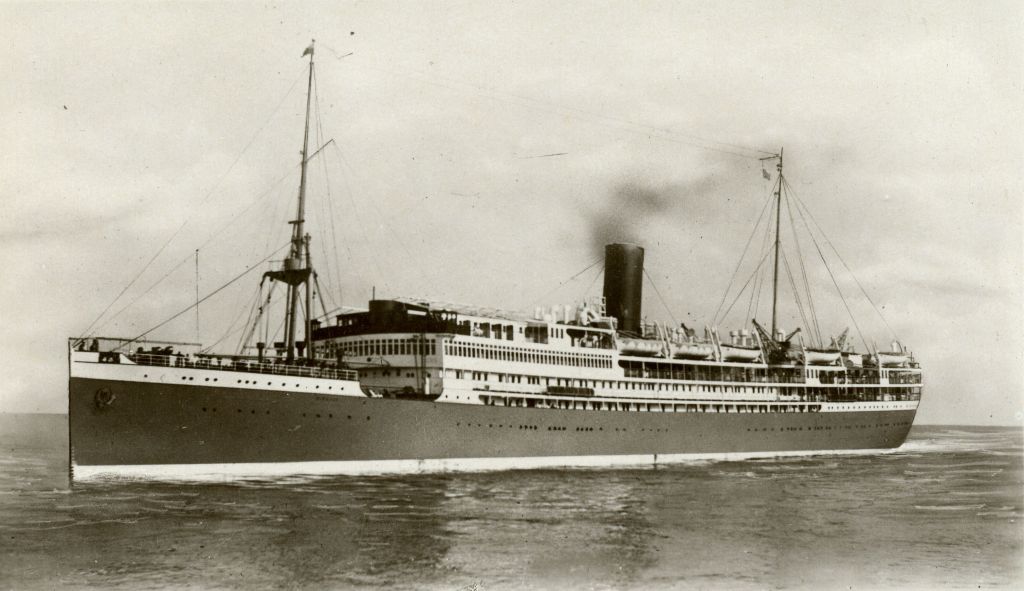
The M.S. Sibajak when it launched in 1927.

During World War II, the Sibajak ended up in Liverpool after the Dutch fell to the Nazis at home and to the Japanese in the East Indies. The Dutch government in exile seized the ship, which was re-registered in Curaçao. The British navy took control of the Sibajak, but its Dutch and Indonesian crew continued to operate the ship. After modifications were made in Singapore, the Sibajak served as a troop ship during the war. It was capable of carrying up to 2,300 troops. The British returned control of the ship back to the Dutch in 1946.
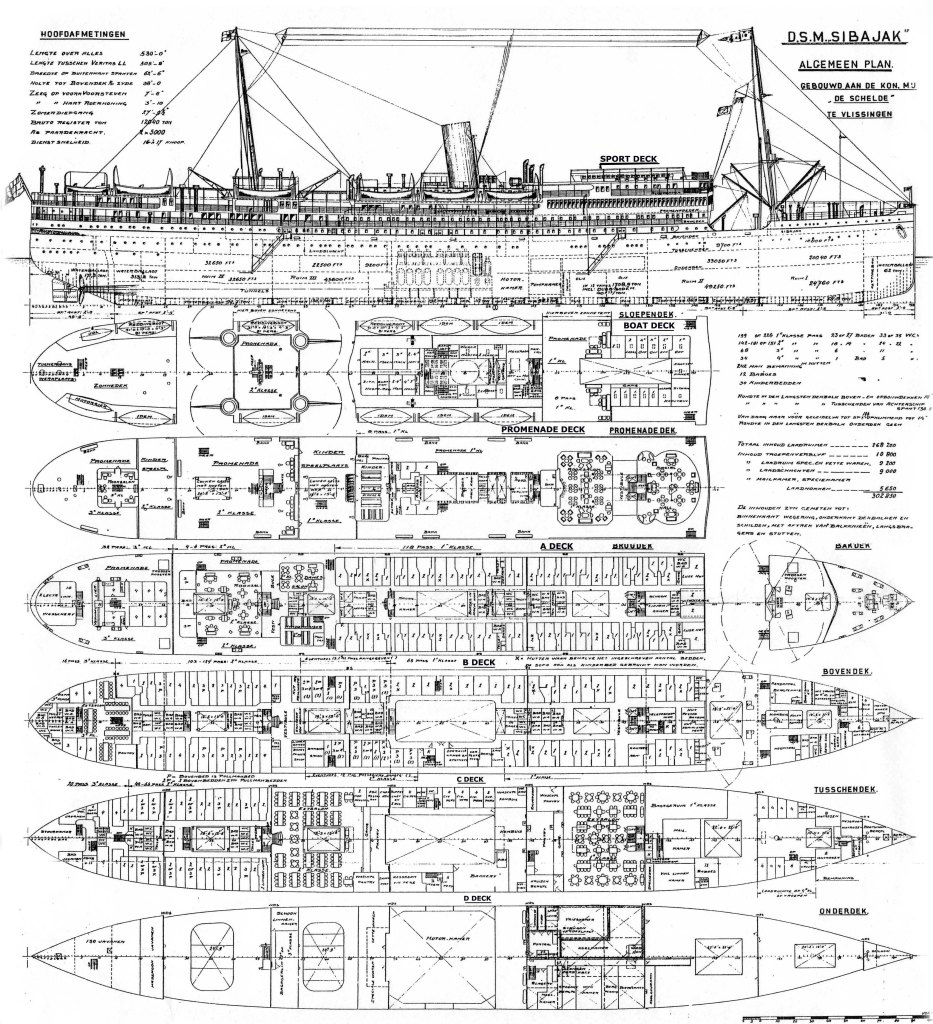
The original plans for the Sibajak.
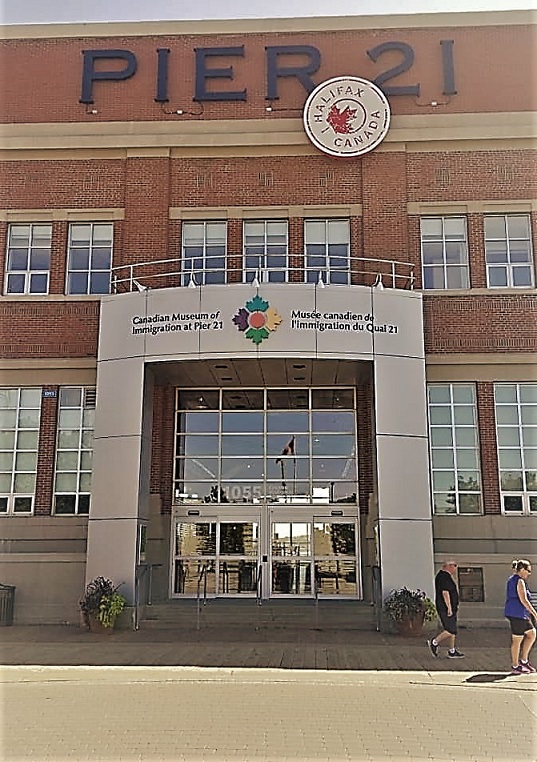
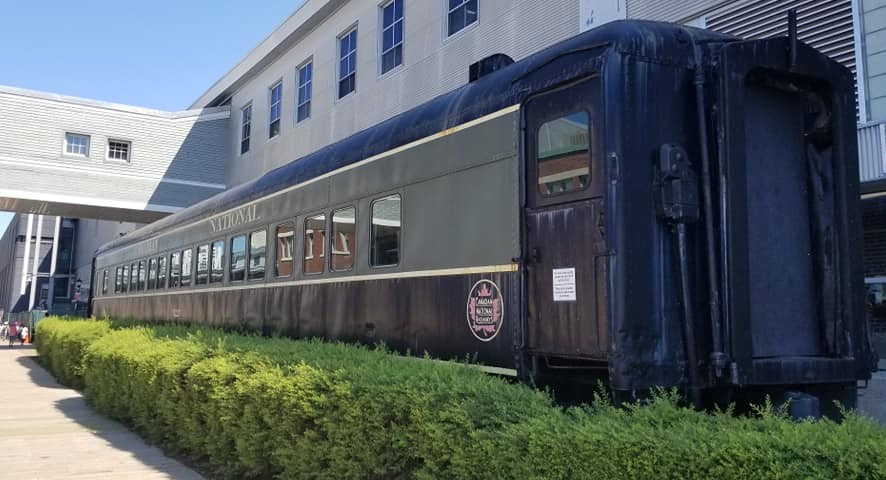
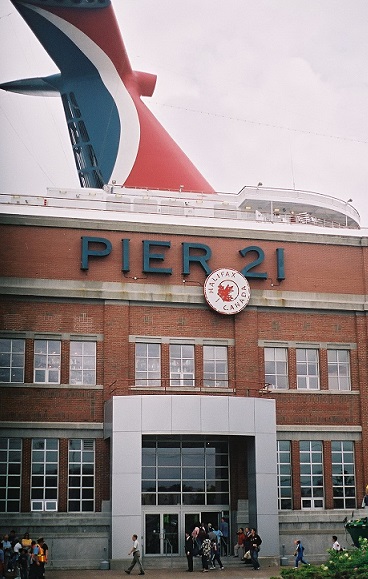
Pier 21 in Halifax, which is now a museum that I have visited twice.

The Sibajak was converted back into a passenger ship in 1950. It had the capacity to carry 956 passengers. Its first voyage after the retrofit was in April 1950, transporting Dutch emigrants departing from Rotterdam for Melbourne, Australia. It also served to repatriate Dutch citizens after Indonesia’s independence. In 1952, the Sibajak also carried passengers to New Zealand, Canada, and the United States.

In 1959, Royal Rotterdam Lloyd sold the Sibajak to a company in Hong Kong. The Sibajak’s last voyage as a passenger ship ended in July 1959, travelling from Rotterdam to Melbourne via Curaçao, the Panama Canal, Wellington, New Zealand and Sydney, Australia. In August 1959, the new owners transported the ship to Hong Kong, where it was stripped of all salvageable materials and scrapped. My understanding was that the remains were scuttled somewhere in the waters around Hong Kong. When I visited the city in 1996, I wondered how close I had come to it on the many different boats and ferries I rode on at the time.
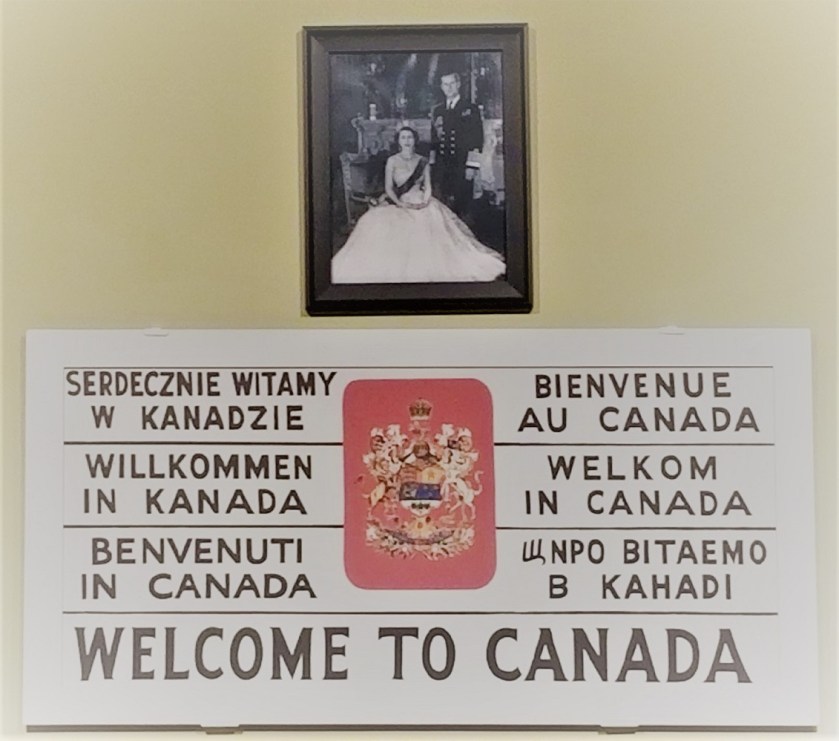
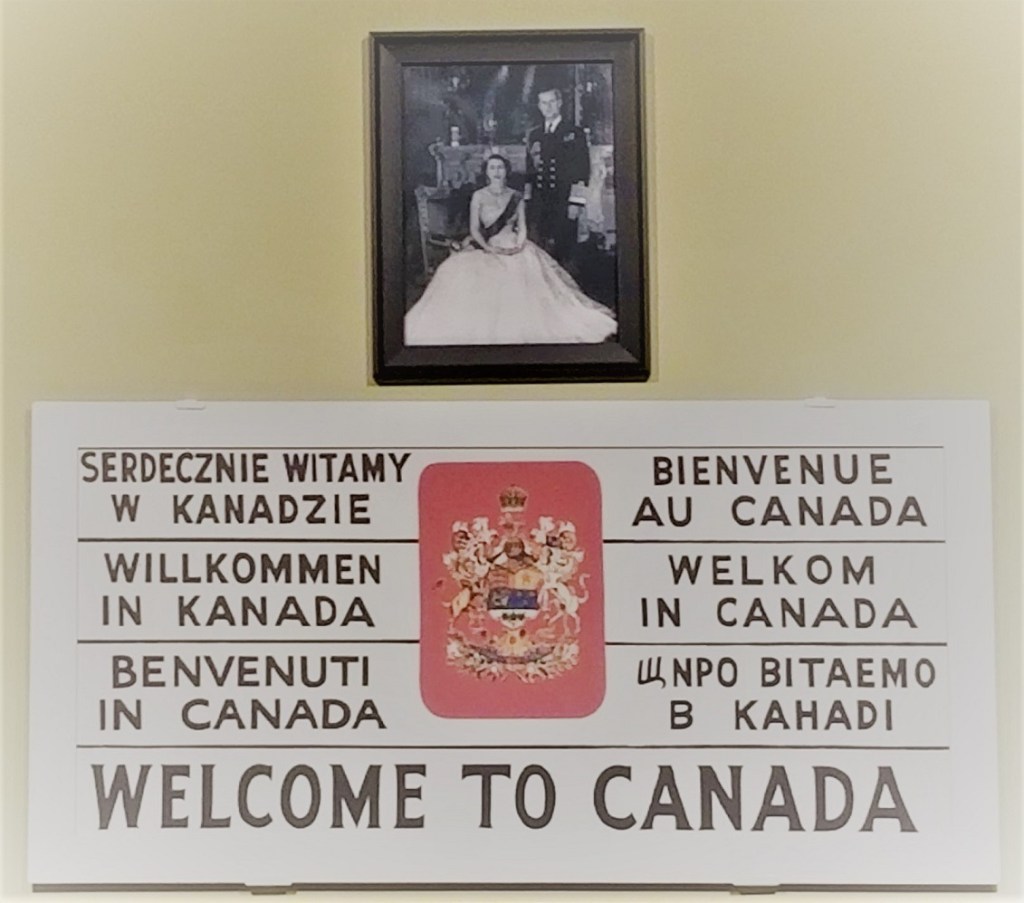
This hangs on the wall in front of the seating area in Pier 21 where immigrants waited to be interviewed by immigration officials.

My father and his family departed Rotterdam on May 5, 1954 and arrived at Pier 21 in Halifax, Nova Scotia on May 13, 1954. Pier 21 is analogous to Ellis Island in the United States. My father’s aunt and uncle came over four months earlier, in January 1954 on the Groote Beer, while another aunt and uncle followed in late May 1954, on board the Castel Felice.
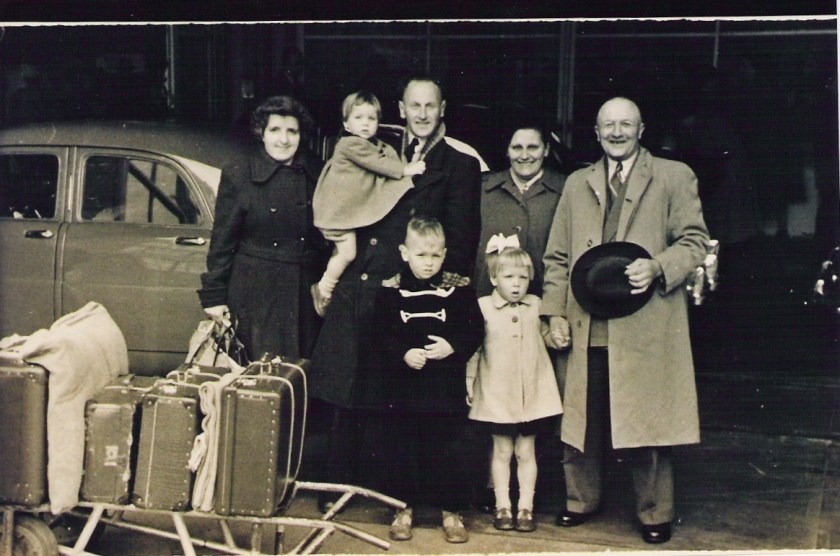
My father with my grandparents and his sisters at the Rotterdam pier on the day of their departure for Canada aboard the Sibajak. My father is standing in the centre, in front of my grandfather. The couple on the right are family friends who drove my family to the pier. At the time, my grandmother was two months pregnant with my father’s youngest brother!
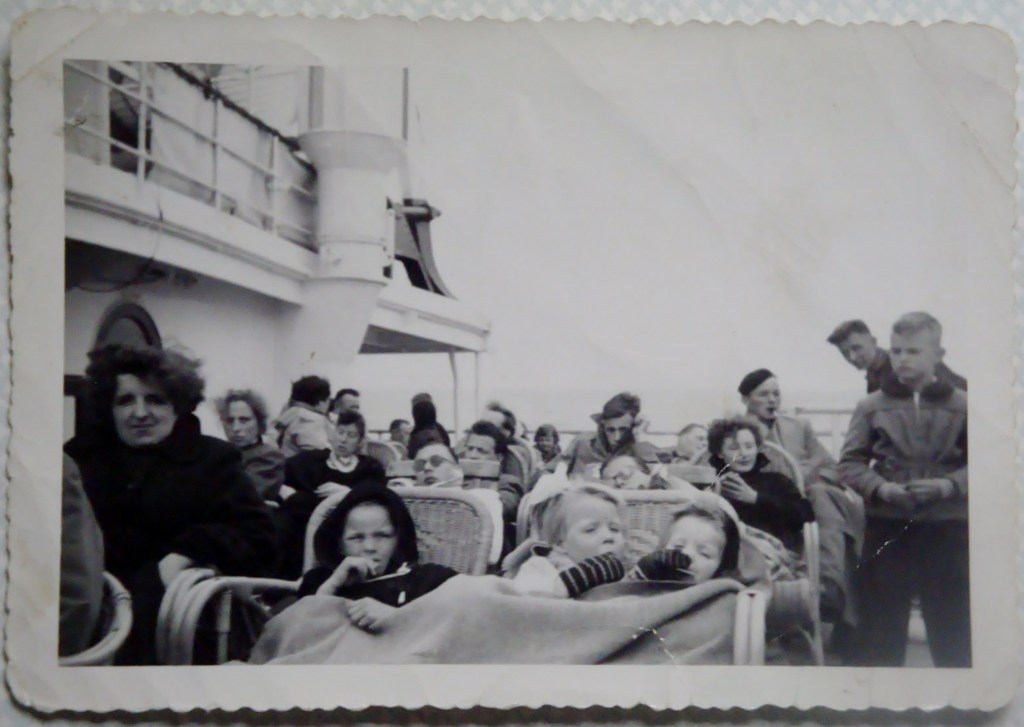
My grandmother, my father, and his two sisters seated on the deck of the Sibajak somewhere on the Atlantic Ocean between the Netherlands and Canada.

From Halifax the family took the train from Halifax to Alberta. On often-told story recounts my grandmother becoming separated from the family and lost during a stop in Montreal. Happily, she found her way back to the train before departure. he train went through Maine, U.S.A., and through Montreal. My grandfather originally planned on settling in Manitoba. However, his sister encouraged him to continue on to Alberta, where she and my great uncle had settled.
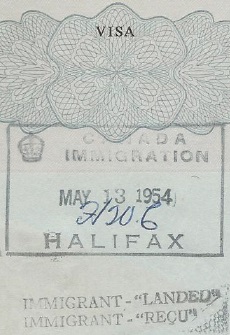
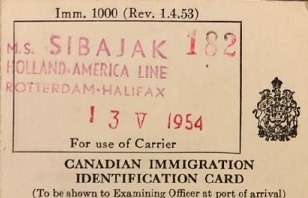
They made it!

In the late 1990s, my parents went on an Alaskan cruise on a Holland America ship. During the trip, my father, who loves to talk to people, fell into a conversation with one of the older hands on deck. My father mentioned having come to Canada on the Sibajak. After a few questions from the crew member, my dad learned that the man had been on the Sibajak during my father’s trip, in his first year or two of service.
This is a fascinating short documentary about a voyage the Sibajak made to Australia carrying Dutch emigrants. The video is in Dutch, but the images convey a lot of meaning. My father recognized many of the scenes in this video.

52W Mark III – Week 18: Love & Marriage

This week’s prompt for the 52 Ancestors Challenge is “Love & Marriage”. While this is on the topic, it may be more about genealogy serendipity.

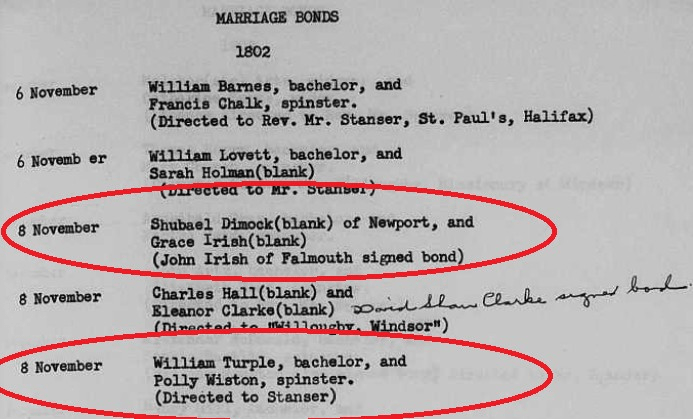
A few years ago I consulted an index of marriage bonds, looking for my 4x great grandfather, William Turple (1778 – ca. 1862), and his first wife, Polly Wiston, of Halifax, Nova Scotia. Much to my surprise, my wife’s 5x great grandparents, Shubael Dimock (1753 – 1834) and Grace Irish (1768 – 1846), are in the same record! Both couples’ bonds were registered the same day, November 8, 1802.

I don’t have an actual marriage record for either couple. William and Polly were likely married in St. Paul’s Anglican Church. I don’t know where Shubael and Grace were married, but as they were Baptist I doubt they married in St. Paul’s.

52W Mark III – Week 15: School Days

I typically consider myself as a descendant of many, many farmers. However, I am always surprised to remember that I am also descended from many individuals for whom education was important. There are also several educators in my extended family, including a high school principal. One of my sisters was a school teacher before becoming a medical doctor. As well, my maternal grandmother, Helen Lerner, originally intended to become a school teacher until a nun steered her in another direction.

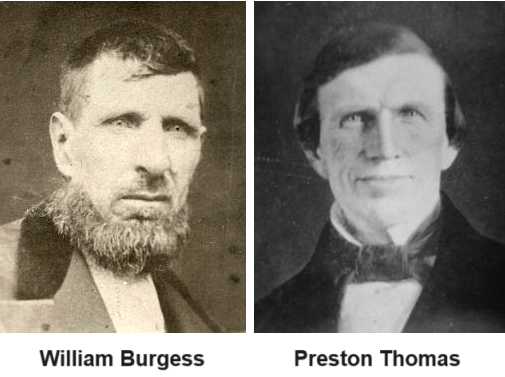
In particular, several of my direct ancestors were school board trustees. The earliest were my Gx3 grandfathers, William Burgess (1822-1904) and Preston Thomas (1814-1877). They served together on the first school board for the Lehi, Utah school district. The school district was created by the city of Lehi by resolution dated February 17, 1854. An election was held three days later, on February 20, 1854. Three school trustees were elected: William, Preston, and Daniel Collett.

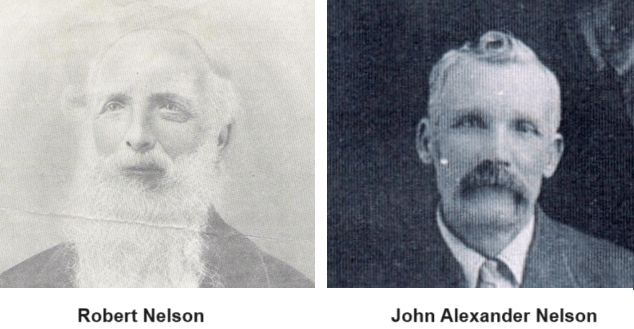
My Grandpa Burgess also had several other school trustees on his maternal line, the Nelson family. According to the 1880 US Census, his great grandfather (another of my Gx3 grandfathers), Robert Nelson (1818-1902) was a school trustee in Smithfield, Utah. Twenty-seven years later Robert’s son, John Alexander Nelson (my Gx2 grandfather) held the same office in Woolford, Alberta. John was one of the founders of the Woolford school board and was one of its first board members.

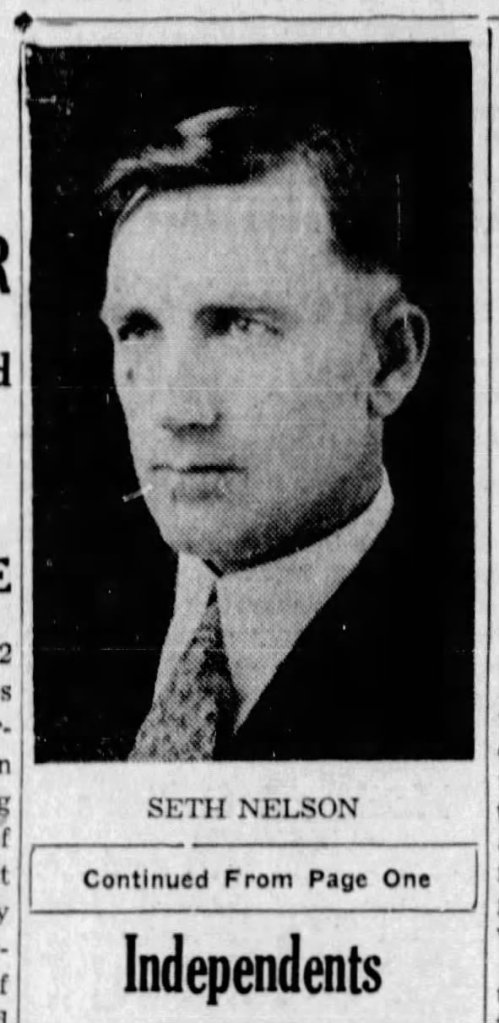
John’s son (my grandfather’s uncle), Seth Henry Nelson Q.C. (1891-1975), also served as a school board trustee in Cardston, Alberta. Seth was a school trustee for 15 years, from 1924 to 1939. Seth served as the Board’s Secretary for the last 10 years of his time in office. Following his last term as a school trustee, Seth made an unsuccessful run for a seat in the Alberta provincial legislature during the 1940 general election. Seth ran as an independent against the incumbent Social Credit candidate, Nathan Tanner. Tanner was a former Speaker of the legislature who was appointed to Cabinet in 1937. Despite running as an independent, it was a close race. Tanner defeated Seth in a two-way race, 2,160 votes to 1,808 (54.4% of the vote).

Education was also a facet of my wife’s side of the family, one of whom also served as a school trustee. Frank Eden (1839-1907), our children’s Gx3 grandfather, was a prominent Halifax, Nova Scotia merchant whose primary business was shoe manufacturing and sales. Frank served two non-consecutive terms as an alderman on the Halifax city council (1892-1893 and 1895-1896). Concurrent with both terms of office on city council, Frank served on the Halifax Board of School Commissioners.

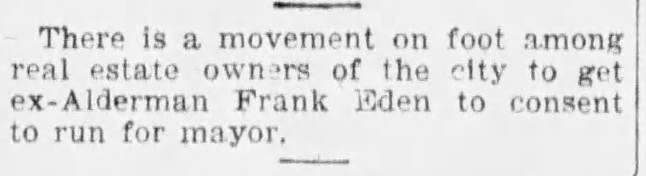
In 1902, there was an attempt to persuade Frank, who was still in the shoe industry, to run for Mayor of Halifax. As stated on page nine of the Halifax Herald, on January 1, 1902: “There is a movement on foot…to get ex-Alderman Frank Eden to consent to run for mayor.” As far as I’m concerned, all puns are intended.

52W Mark II – Week 31: Flew The Coop

This week’s theme for the week’s 52 Ancestors Challenge is “Flew The Coop”. I’m making a real stretch of the phrase to write about my recent visit to Pier 21, where my father and his family arrived in Canada after emigrating from the Netherlands. They arrived on board the Sibajak in early 1954. My father’s aunt and uncle had arrived at Pier 21 four months earlier, in January 1954 on the Groote Beer, while another aunt and uncle followed in late May 1954, on board the Castel Felice.

This was not my first visit to Pier 21 (analogous to Ellis Island in the United States), but it had been many years since my last visit. The displays are significantly different; moreover, the museum has strictly implemented privacy rules that means they don’t display ship passenger lists like they used to. I find their policy a little illogical, because the researchers on site will happily use other sources for the same information that aren’t subject to the same rules.

We began with watching in Canada/au Canada. It’s an excellent and moving short film weaving together the stories of many immigrants from countries all around the world and who have settled in all sorts of places, big and small, across Canada. We then participated in a guided tour. The tour was available in English and French. I felt bad for the fellow offering the tour in French – he had no takers at that time. I told him that my wife and kids would have gone with him if it weren’t for my lack of proficiency in French.

Our tour guide began by asking if anyone had family or friends who had come through Pier 21. Most of us on the tour raised our hands. One woman in our group had come through herself, at 18 months old, with her mother who was a war bride. The tour guide immediately welcomed her back and gave her a gold “Alumni” sticker to wear.

This hangs on the wall in front of the seating area where immigrants waited to be interviewed by immigration officials.

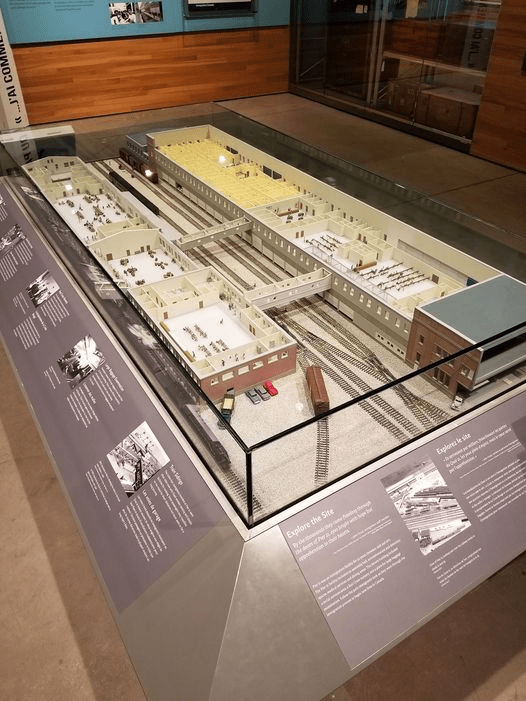
The tour began with at this model of Pier 21 as it was at the time it was in operation. The building on the left no longer exists. The guide showed the path of the immigrants as they disembarked from the ship and the steps they went through before being able to leave. We were told that if everything went without a hitch, people could be off the ship and on the train in four to six hours. However, most people were usually in and out within a day.

There were many displays recreating the immigrant experience. One was of the interior of typical tourist class accommodations and amenities. On the opposite wall were photos of many of the immigrant ships that landed at Pier 21.

The SS Sibajak, the ship that brought my father, his parents, and his siblings to Canada.
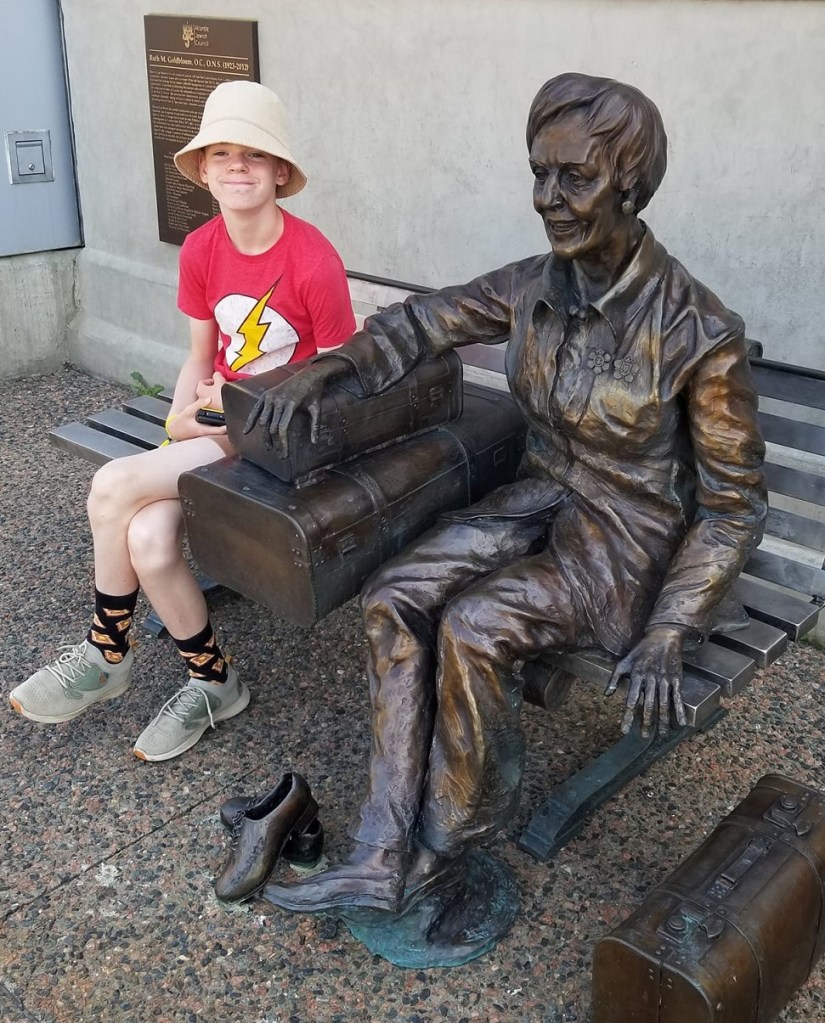
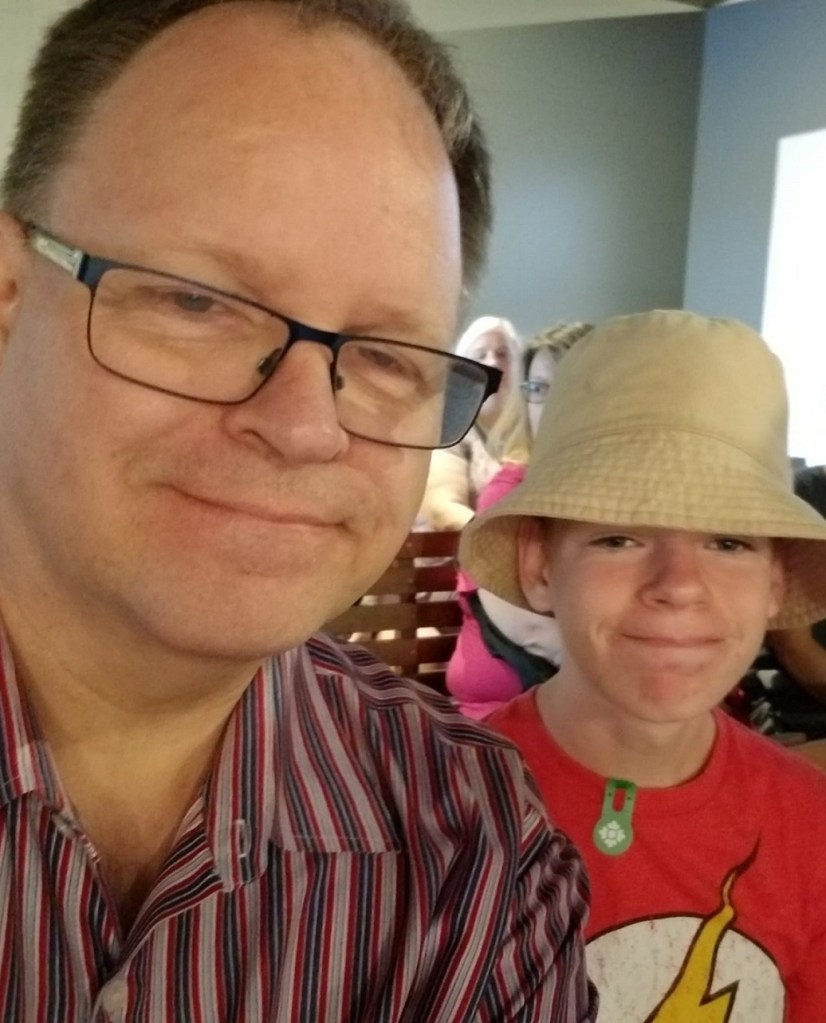
My son and I sitting on the benches in the waiting room where my father would have sat with his family upon arriving in Canada almost 70 years ago.

The museum has something for visitors of all ages, with lots of interactive and immersive displays. I think our youngest must have watched every video that accompanied the exhibits. There were also lots of crafting and other hands-on activities for the kids.

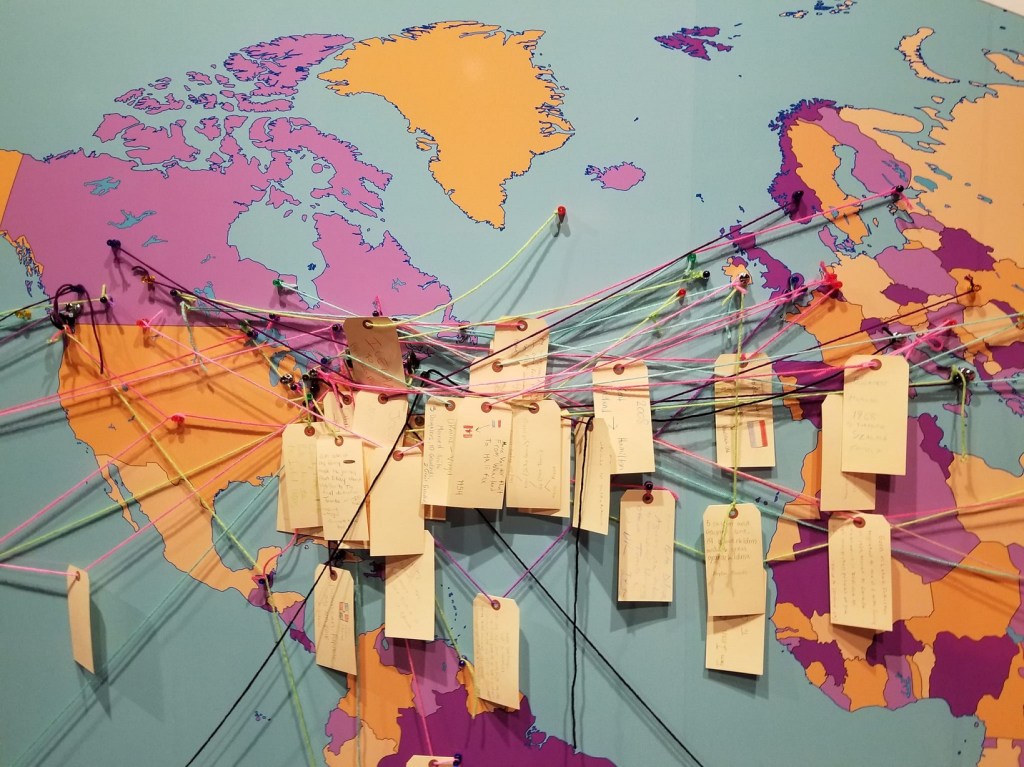
One of the activities was to decorate a baggage tag showing the name of your immigrant family member and stringing it from their point of origin to their destination. Our youngest made one honouring his grandfather.

A temporary exhibit we were lucky to see was “Destination: Canada”:

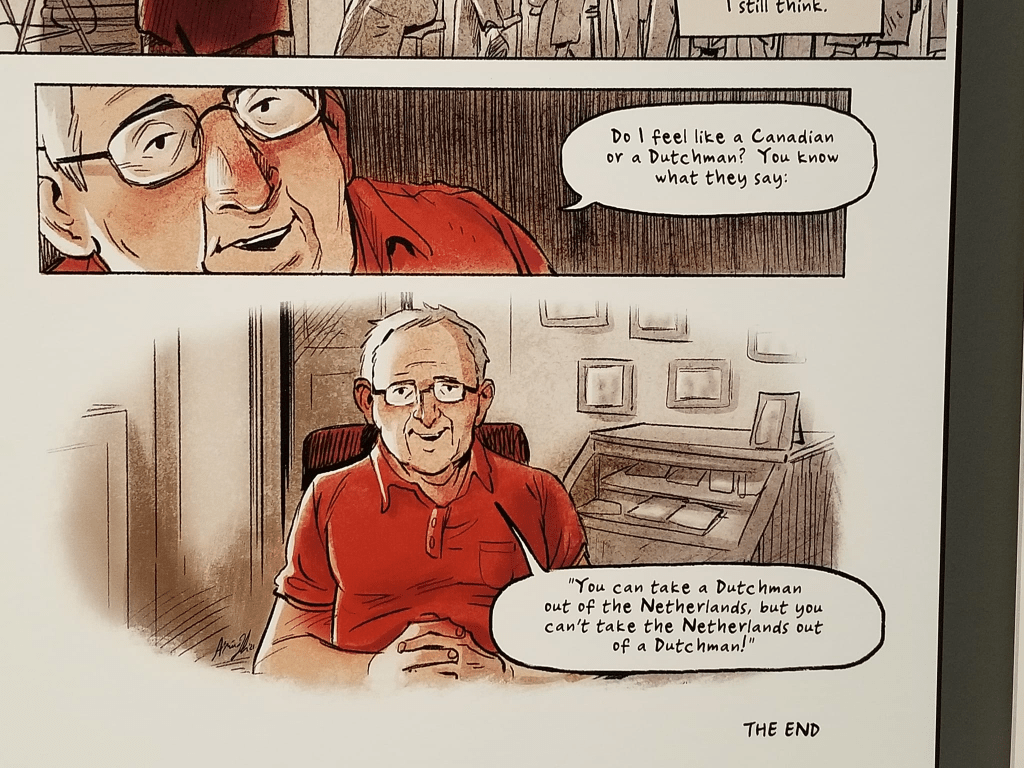
In 2022, the Consulate General of the Kingdom of the Netherlands published a graphic novel called “Destination: Canada”, telling the story of ten Dutch immigrants, illustrated by ten comic book artists. The Museum has adapted two of these stories for a special exhibit, presenting the story of George Zwaagstra, a Pier 21 immigrant and volunteer, and Tayebeh Farooqi-Wahedi, a refugee from Afghanistan and immigrant from the Netherlands.

From the Pier 21 page, Destination: Canada
One of the panels of Destination: Canada on display on the wall at Pier 21.

Needless to say, being the son of a Dutch immigrant I had to buy my own copy!