With my Great x4 Grandfather, Samuel Nelson, I’ve reached the last of the ancestors I’ll be writing about for the 2026 52 Ancestors Challenge who is is largely behind a massive brick wall.
Based upon the thin and flimsy information I have, Samuel was born in 1785 in Donegal, Ireland. He married Martha Burns around 1810. They had at least one child, my Great x3 Grandfather Robert Nelson. Samuel died on September 16, 1847 in Muff, Donegal. That’s it.
And now I’m caught up with this year’s challenge! Enjoy it while it lasts.
I hope you’ve enjoyed meeting this again, hopefully for the last time this year.
Anyone who has done genealogy long enough knows all about the family trees you can find online that are wildly incorrect, have blatant errors, or don’t have a scintilla of evidence to back them up, which are then replicated and used by others, perpetuating and spreading the error. Nowhere in my tree is there a better example of this than my Gx3 Grandparents, Robert Nelson and Elizabeth Joseph. There are a lot of myths, legends, and erroneous information posted about them online that simply are not true.
This sort of thing pre-dates the rise of genealogy on the internet, usually in the form of family lore that was (and still is) passed around. One such story I heard from a relative was that Robert Nelson was a descendant of famed Scottish poet Robbie Burns. While I knew enough not to accept the suggestion as truth, I was thrilled by the possibility because he is one of my favourites. In the meantime, I was excited by the idea that I might have Scottish roots.
It did not take long to dispel the myth that Robert was a descendant of Scotland’s bard. Robert Nelson’s mother was a woman named Martha Burns. Martha was born in 1787. So while her surname was Burns and she was born at a time Robbie Burns was busy fathering numerous children, that is where the correlation ends. None of Burns’ children – legitimate and illegitimate – were named Martha. Besides, Robert Nelson and his mother weren’t even Scottish, they were Irish, although Robert spent about eight years living in Scotland before emigrating for the United States.
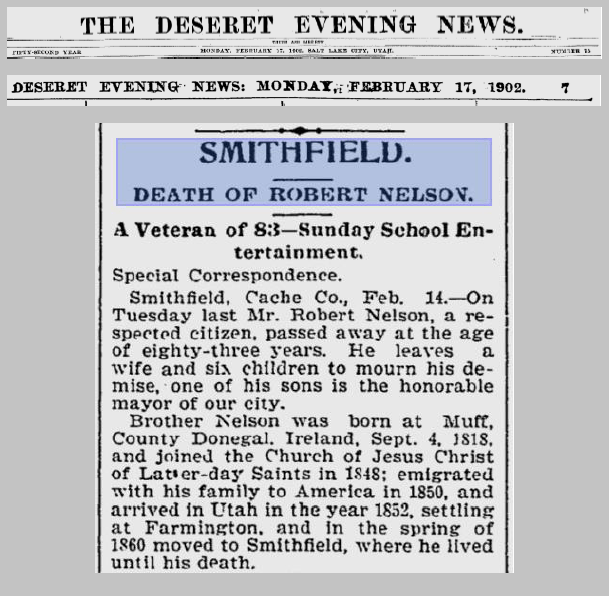
Robert was born on September 4, 1818 in Muff, Donegal, to Samuel Nelson and Martha Burns, both of whom were also born in Donegal. I know very little about Robert’s life in Ireland. Beyond his birth, the earliest thing I know is that he married Elizabeth Joseph in Muff on December 12, 1842.
There are many unsubstantiated legends around their marriage. One story, with many iterations, is that Joseph and Elizabeth became stranded overnight by a storm during a picnic. To ameliorate the disgrace of spending the night together, Joseph did the honourable thing and married Elizabeth. Another myth, without a shred of evidence, is that Elizabeth was Jewish and was disowned by her parents when she married a Christian. Rubbish.
Within two years of marrying, Robert and Elizabeth were living in Linwood, Scotland, about 15 kilometers west of Glasgow. Robert was a labourer there. While in Linwood, the couple had their first child, a son named Samuel, born in 1844.
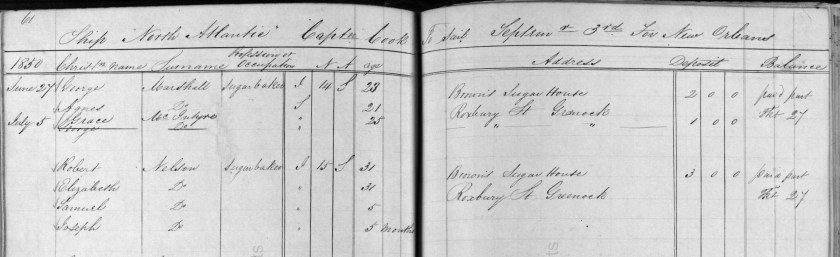
By 1847, the family was living in Greenock, Scotland, a port town west of Glasgow. There Robert worked for Brown’s Sugar House on Roxburgh Street as a sugar baker. Sugar bakers refined muscovado sugar, an unrefined brown sugar imported from Barbados. While in Greenock, Robert and Elizabeth had two more children.
Meanwhile, the first Mormon missionaries arrived in Scotland in the early 1840s. Within ten years, there were two to three thousand adherents to the new religion, with about 70 branches. Many of these people began to emigrate to the United States to join the Mormons who had settled in Utah which, perhaps ironically, resulted in a decline in the church in Scotland.
Robert and Elizabeth joined the Mormon church and were baptized in December 1848. They joined the exodus of people from Scotland who were heading to the New World.
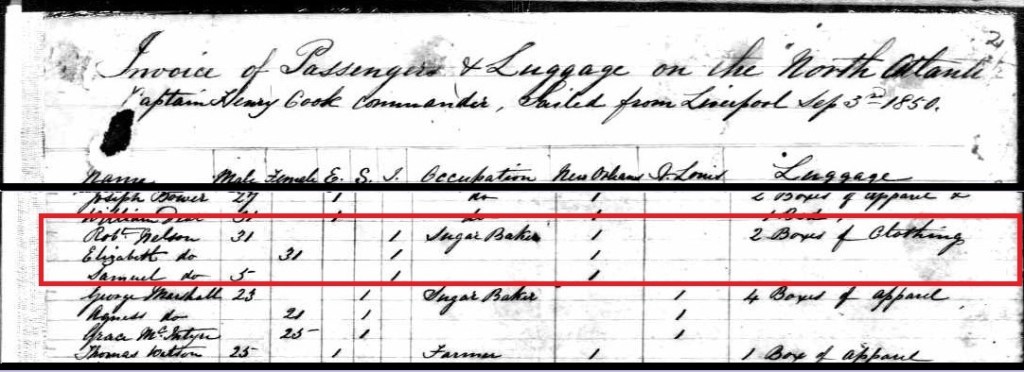
Robert and his family departed Liverpool on September 3, 1850 aboard the ship North Atlantic. All they brought with them was two boxes of clothing. For years I thought “north Atlantic” was a description of their route, until seeing the ship’s manifest. Robert and Elizabeth were part of a group of Mormon converts travelling aboard this ship, which showed at least one other passenger who had been a sugar baker at Brown’s.
Passenger list for the ship “North Atlantic”, which left Liverpool on September 3, 1850, showing the Nelson family travelling from Liverpool to New Orleans.
The North Atlantic landed at New Orleans. Robert and family spent about the next two years in Missouri, where they had a daughter, Mary, in 1852. Within months of Mary’s birth, the family arrived in Utah. They settled in Farmington, just north of Salt Lake City. In 1858, while still living in Farmington, Robert became an American citizen. Robert and Elizabeth had another four children while living in Farmington, including my Gx2 Grandfather, John Alexander Nelson.
Excerpt of the Invoice of Passengers for the ship “North Atlantic“
Sometime around late 1859, Robert and family moved to Smithfield, Utah, not far from the Idaho border. Robert and Elizabeth’s youngest child, a daughter named Jane Margaret, was born there in 1862. There Robert was a farmer in Smithfield. According to the 1870 census, Robert owned $400 in real property and $300 in personal property. In 1880, Robert was elected to at least one term as a school trustee in Smithfield.
It seems that typical of all my Mormon Gx3 Grandfathers, Robert may have also been a practitioner of polygamy. According to my Aunt Fon, who was a member of the Church of Jesus Christ and Latter Day Saints, Robert was “sealed” to two women on the same day, November 15, 1855. This is an ordinance (rite) in the Mormon church by which individuals are sealed together for eternity. Robert was 66 at the time. Beyond the fact the rite occurred, I know nothing about either woman beyond their names, Mary Ann Burns and Elizabeth Dixon.
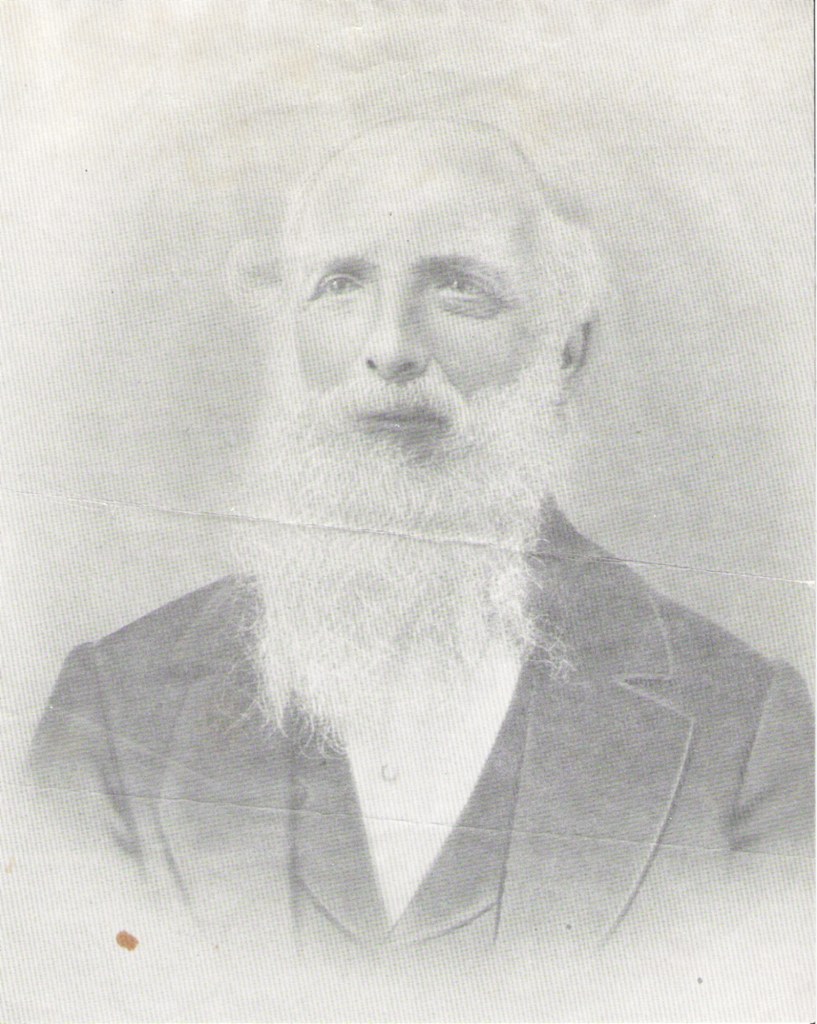
Robert, who was only two weeks older than Elizabeth Joseph, died in Smithfield on February 10, 1902, three months before Elizabeth died. Robert is buried at the Smithfield City Cemetery.
When I was 13, we went to Montana for a family reunion of the descendants of John Alexander Nelson, my Gx2 Grandfather. Of course, we were also the descendants of his wife Ella, but there wasn’t a lot of talk of her that weekend, but there certainly seemed to be a lot of reverence and awe when people spoke about John.
The event made an impression on me in many ways. It was the first (and pretty much only) organized family reunion I’ve ever been too. While it wasn’t my first time to the States, at that time I had not been there many times, and it had never been to see relatives. At the time I didn’t really have much connection to or knowledge about my American relatives, nor were they particularly close to me – lots of second or third cousins, once or twice removed. As well, it was my first real exposure to my Mormon relatives. John was my grandfather Leo Burgess’s grandfather, and my grandfather really wasn’t much of a practicing Mormon. He had pretty much left the church and didn’t follow any of its practices, so I didn’t really know much about it at the time.
John was born in Farmington, Utah, on October 17, 1854 to Irish immigrant parents, Robert Nelson and Elizabeth Joseph, who had spent some time in Scotland before they joined the Mormon church and moved to America with their first three children. After arriving in the States, the Nelsons lived in Missouri for a couple years before continuing on to Utah in 1852. While he was Robert and Elizabeth’s second child born in the United States, John was the first of their children born in Utah.
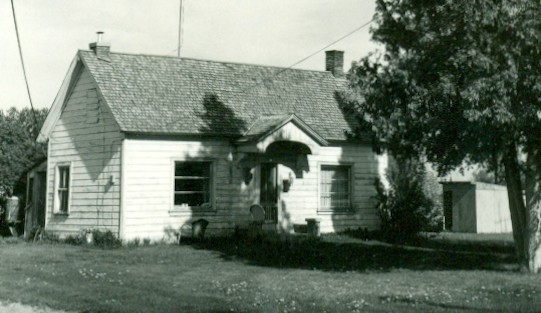
Sometime between 1860 and 1862, when John’s youngest siblings were born, the family moved to Smithfield, Utah, almost 100 kilometers to the nouth of Farmington. While he married his wife, Ella Elizabeth Thomas, in Salt Lake City on January 9, 1879, he continued to reside in Smithfield, apparently until the family emigrated for Canada.
The house John built in Smithfield in 1879
It appears that John might have flirted with the polygamous practices of the Mormon church. On March 19, 1885, he was “sealed” (a Mormon ritual meant to bind familial relationships for eternity) to two sisters, Matilda Jane and Eliza Rankin. Sometime in 1892, John was sealed to Frances Rebecca Purser.
I received this information from my great aunt Fon Hogg (née Burgess), John’s granddaughter. Fon was an avid and proficient genealogist. As a member of the Mormon church, Aunt Fon had access to information that is not available to non-adherents. Fon stated that they were “only sealed,” suggesting there was no civil marriage. In any event, as a polygamous marriage, these unions would not be recognized by the civil authority. Fon also informed me that the sealing between John and Frances was “cancelled” in 1896.
In 1887, Charles Ora Card, a significant Mormon leader, founded the settlement that became Cardston. In part, Card was seeking to avoid arrest for bigamy and was hoping Canada would be more accepting of plural marriage. The Canadian government quickly quelled that prospect, but the settlement flourished. In 1889, he returned to Utah to recruit more settlers.
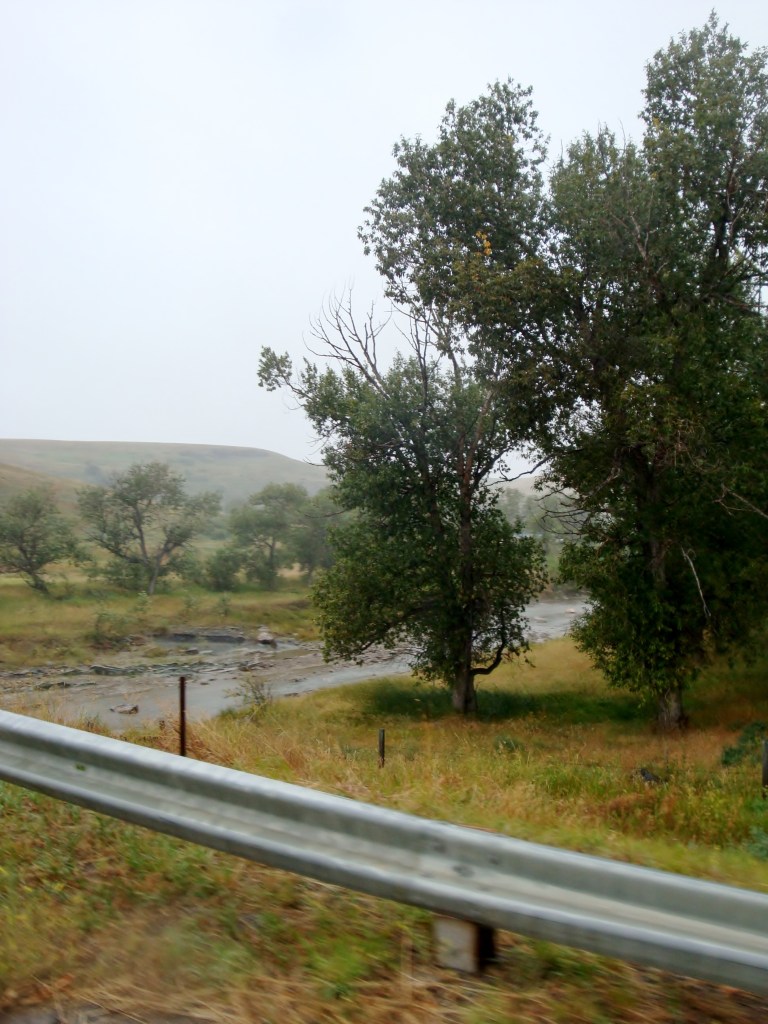
Lee Creek and the land John settled in 1890.
John and Ella answered the call, so they and their five children moved to Canada in September 1890. They travelled by covered wagon and brought 13 horses, 7 cows, 7 “other horned cattle”, and a pig. Upon arrival, John constructed a sod dugout on a 160 acre homestead on Lee Creek, which ran though the land and on to Cardston. The land is located on what is now Alberta highway 501. John and Ella were nationalized as British subjects domiciled in Canada in 1896 (there was no “Canadian” citizenship until 1947).
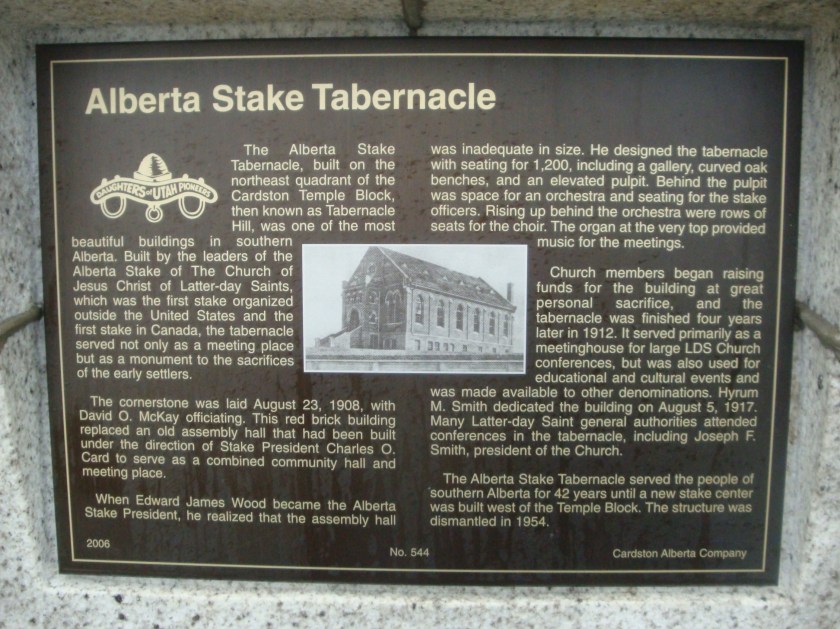
John’s land also had a quarry. Rock from his quarry helped build, among other things, included the Cardston courthouse and, reputedly, the Alberta Stake Tabernacle that stood from 1912 to 1954. The one structure for which John definitely did not supply the stone was Cardston’s first saloon. As if farming and operating a quarry was not enough, John was also a carpenter and operated the first lime kiln in the region. He also served as a school trustee in 1907.
In 1906, John and Ella moved to nearby Woolford, Alberta, where John continued farming. They briefly returned to Utah in the early 1920s, where John operated an orchard or fruit farm, but they returned to Woolford in 1924. John continued farming there for the rest of his working life.
John died on September 29, 1942, a year after Ella passed away. At the time of his death, John had 10 children, 54 grandchildren, and 25 great grandchildren, on both sides of the Canadian-US border. No wonder there were so many people at that family reunion in Montana!
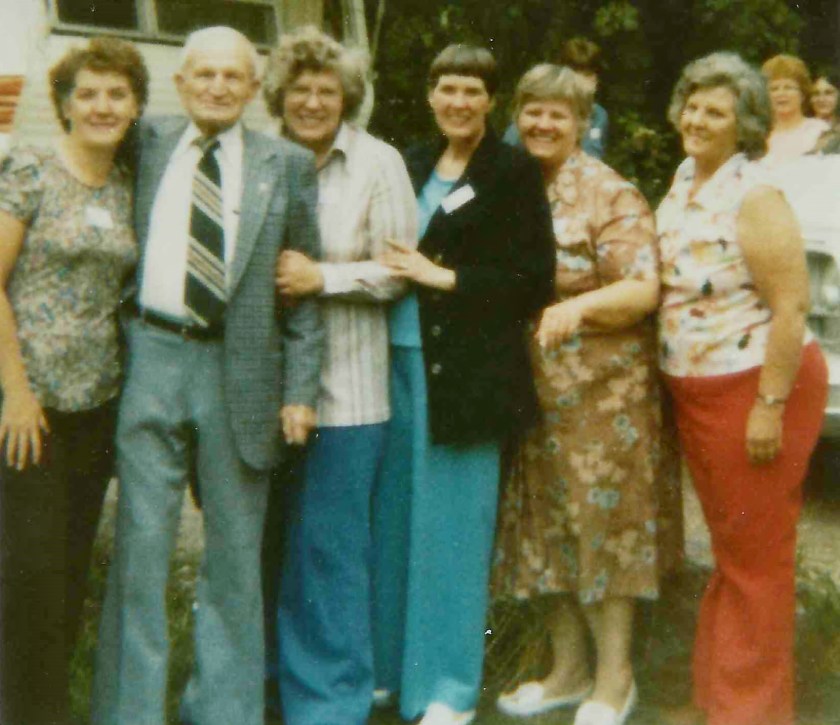
One of the big stars at the Nelson family reunion was Cleveland Nelson (1893-1982) , the last living child of John and Ella. He’s with five of his nieces, my grandfather Leo Burgess’s sisters: Fon, Cleve, Julia, Ella, Molly, and Irene. You can also see my mother over Irene’s shoulder.
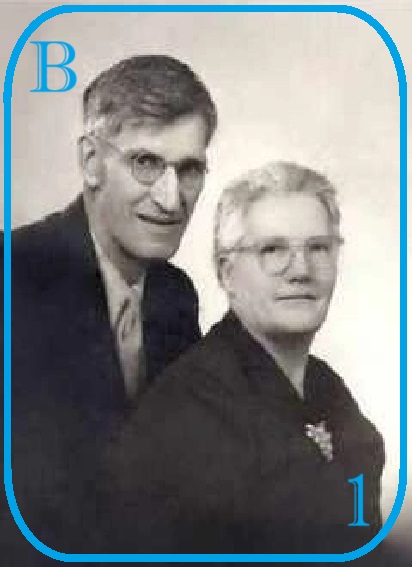
Milton Leo Burgess (1891-1964) Hazel Nelson (1899-1967)
We’re halfway through the 2025 edition of my take on Amy Johnson Crow’s 52 Ancestors in 52 Weeks Challenge. With it I start the maternal side of my family and a new suit involving my mother’s paternal line. It’s also my Mormon lineage. In fact, my Gx4 Grandfather, William Burgess (1794-1880), joined the church in 1832, two years after it had been founded. Moreover, all eight of my maternal grandfather’s great grandparents joined the church in the 1830s and 1840s.
However, after five generations, that came to an end with my grandfather, Leo Burgess, as none of his four children were members of the church or raised Mormon. In fact, my grandfather was pretty much a lapsed Mormon, if there is such a term, by his late teens. He only returned to the church after my grandmother, Helen Lerner, passed away.
Leo’s parents, and the subject of the first card of this suit, were Milton Leo Burgess and Hazel Nelson.
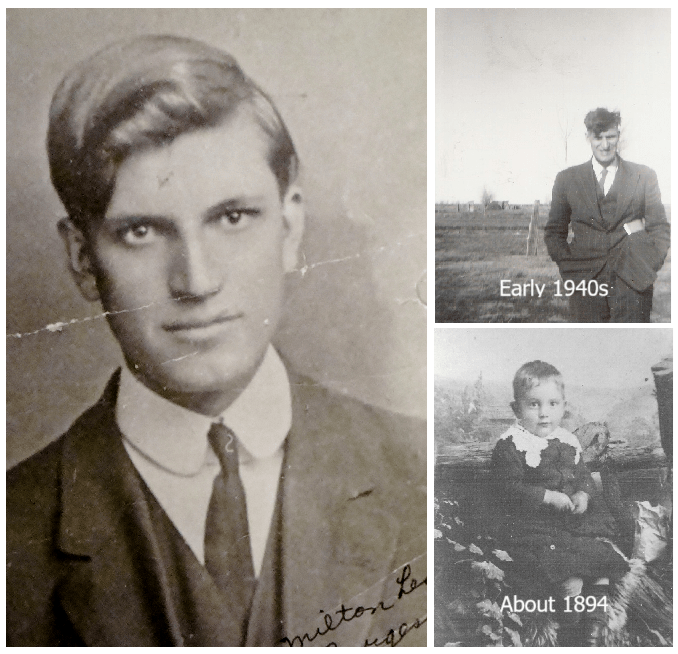
Milton was born in Vernal, Utah, on September 9, 1891, the eighth of nine children born to Horace Conrad Liggett Burgess and Sarah Florilla Cook. Florilla passed away in January 1894, a few weeks after her last child, also named Sarah Florilla (“Rilla”), was born. Milton was only two years old at the time. Horace remarried shortly afterwards, to Julia Josephine Lundquist, with whom he had at least another eight or nine children. The family moved Canada when Milton was 14. They settled in Vulcan County, Alberta.
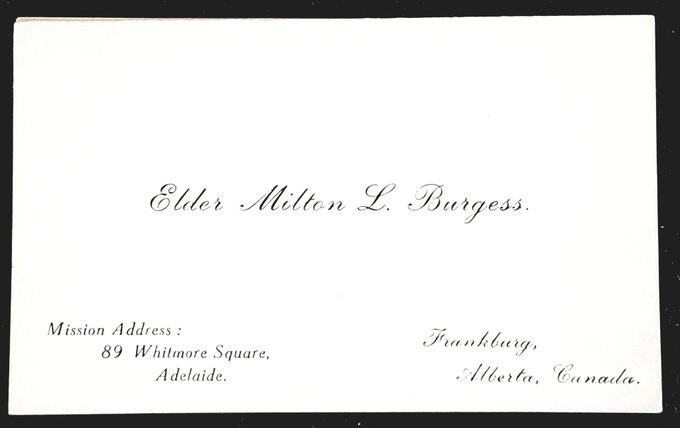
After completing a two-year mission to Australia in 1915, Milton settled in Glenwood, Alberta, which is about 22 kilometers from Cardston as the crow flies. There he worked as a farm labourer. Sometime afterwards, he met Hazel Nelson, who he married in Cardston on April 13, 1919.
Milton’s calling card from his time as a Mormon missionary in Adelaide, Australia
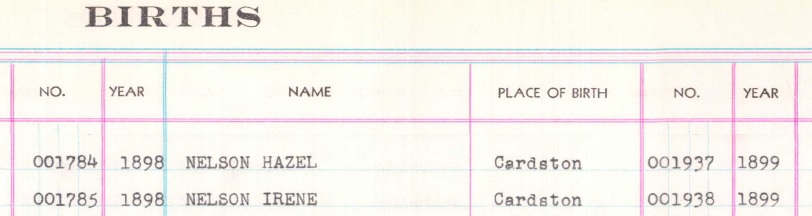
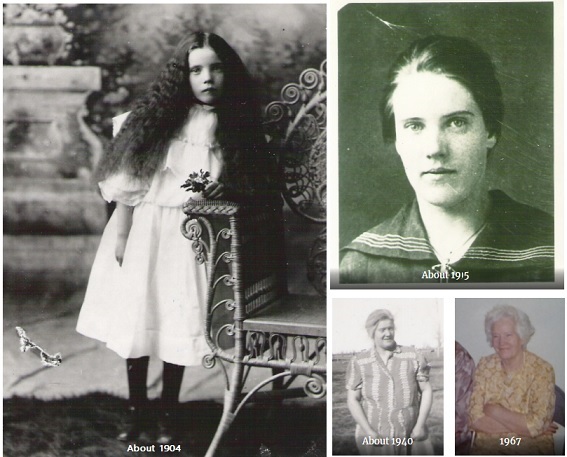
Hazel’s family was amongst the earliest settlers of Cardston, Alberta, which Mormon immigrants from the United States founded in 1887. Her parents, John Alexander Nelson and Ella Elizabeth Thomas settled there in 1890. Six of their 12 children were born in Utah; the other six were born in Canada. Hazel and her sister Irene were born on December 15, 1899. They were the first twins born in Cardston. Sadly, Irene passed away five weeks later, but Hazel lived to be 67.
Because Hazel is listed first, I take it to mean that she was born first.
The year after they married, Milton and Hazel had the first of their nine children, my grandfather Leo. Shortly afterwards, the family moved to Nampa, Idaho, where Milton worked at an orchard with his in-laws. In Nampa they had three more children before permanently returning to Canada in 1924.
By 1927, the family had settled in Magrath, where Milton and Hazel spent the rest of their lives. While he continued to do farm work over the decades, Milton had a wide variety of jobs. In the early 1940s he worked as a plumber. Milton later worked in a woolen mill, where he lost a finger of his left hand in a work injury. Milton also worked for a short time as a grave digger around 1950. By 1958, when he was 67, Milton retired.
My mother has told me many stories about him over the years. One story that she has recounted many times is that her grandfather would often talk about how, according to the bible, no man was meant to live more than 72 years. Milton died on September 10, 1964, the day after he turned 73.
I also have a small cache of letters Milton wrote to my grandfather in the 1940s. Most of them were gentle admonishments, such as disapproving of my grandfather working in establishments that served alcohol, coffee, and tea, or telling him that it was time to stop seeing the Catholic girl he had been dating and to find a nice Mormon girl to settle down with. Fortunately for me, my grandfather did not follow that advice, as that Catholic girl became his wife and my grandmother!
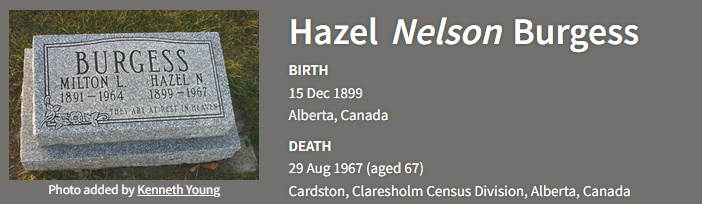
Screenshot of the entry for Hazel at Find a Grave, showing the headstone she shares with Milton.
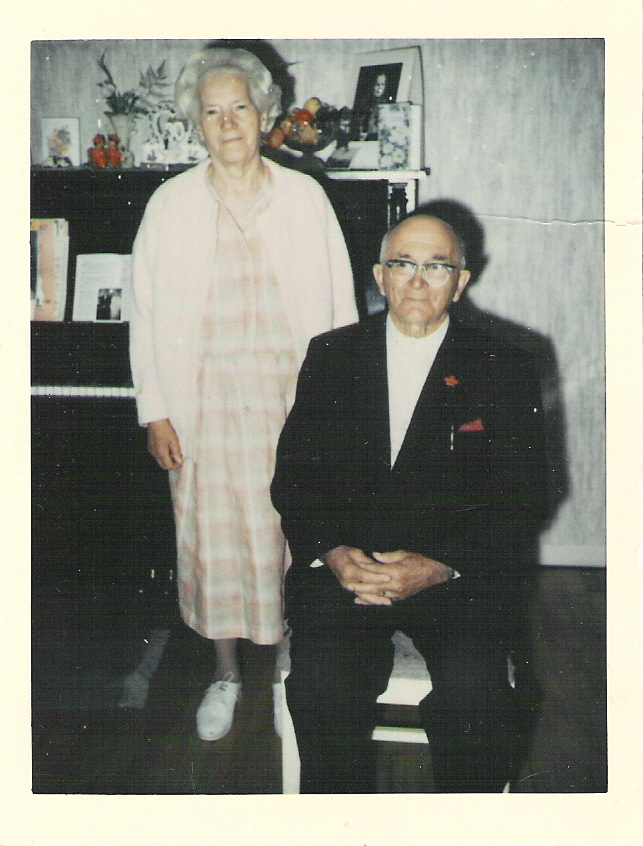
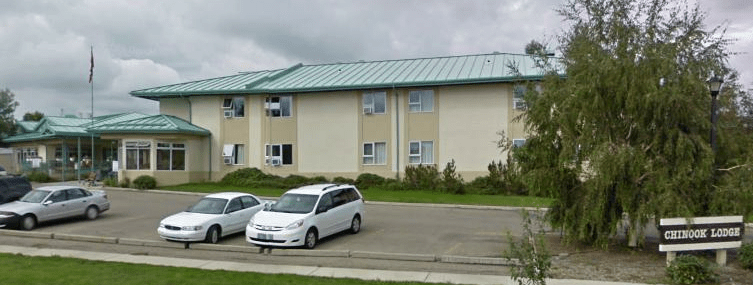
Hazel was 64 when Milton passed away. Around that time she moved to a seniors’ home in Cardston, which she derisively called “the old fools’ home”. There she met a widower, Albert Beaves, who she married in July 1967. Eight weeks later, Hazel passed away. My mother literally went from the funeral to the hospital, where I was born.
The newlyweds, Hazel Nelson and Albert Beaves, about July 5, 1967.
“The Old Fool’s Home” – Chinook Lodge in Cardston, Alberta

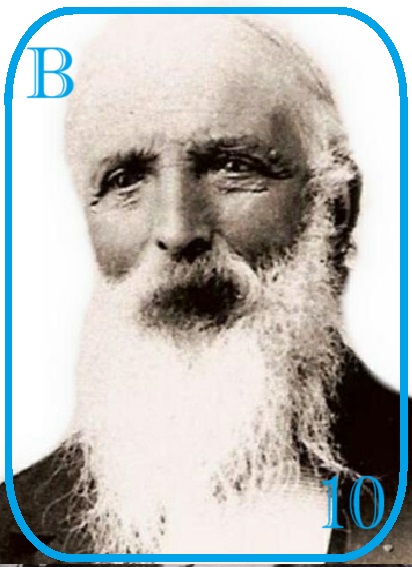
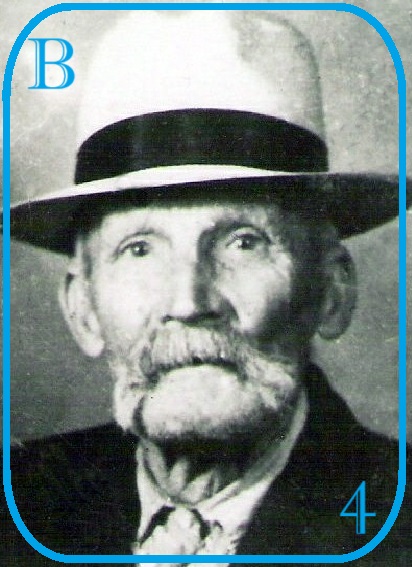
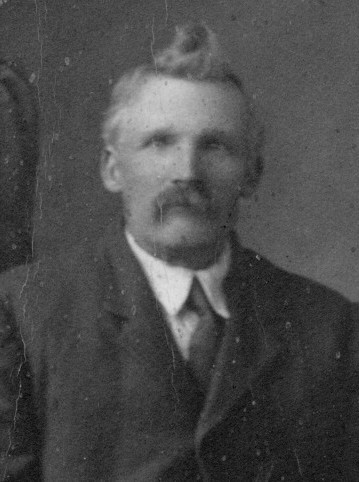
 A Deck of Ancestors