What immediately comes to mind is a comment a cousin of mine made on Facebook quite a while ago. Despite appearances, he is quite the huge heavy metal fan.
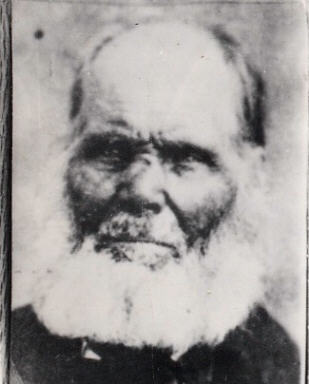
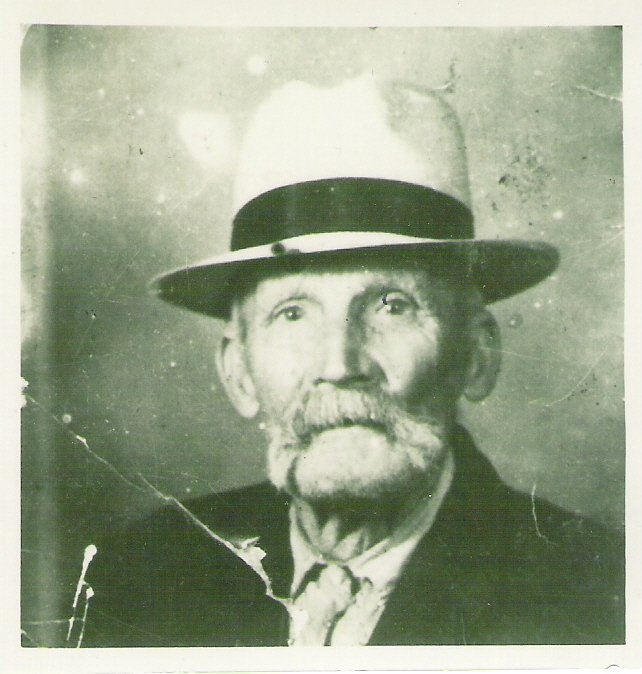
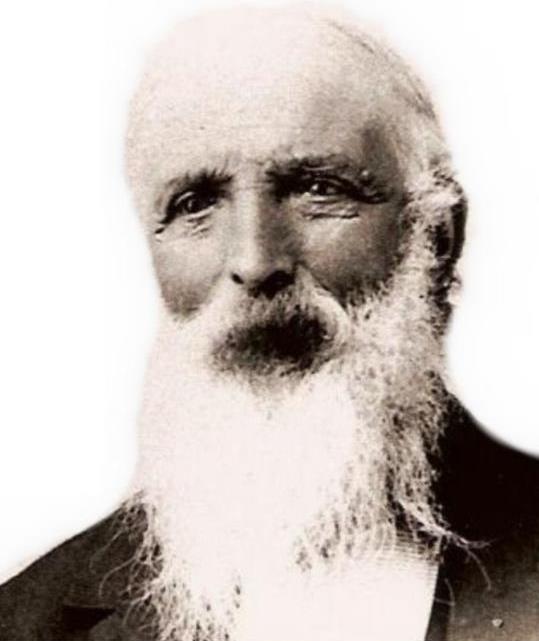
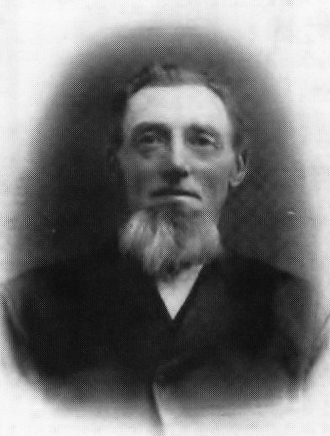
I have family history albums on Facebook, organized by time periods. I uploaded some photos of some 19th and early 20th century ancestors. As was the style for the men at that time, many had a significant amount of facial hair. My cousin’s comment was: “Awesome – those are some pretty metal beards!”
So please enjoy these pretty metal beards (and a mustache).
Top Row: Henry Lyman Cook (Gx3 grandfather), William Burgess Jr (Gx3), William Burgess Sr. (Gx4). Bottom Row: John Alexander Nelson (Gx2), Robert Nelson (Gx3), Johannes Jansz “Jan” Pater (Gx2).
I know the topic of “Bald” should lead me to write about my follicly-challenged ancestors. However, the opposite thought immediately came to mind when I saw this weeks theme, brining to mind my very not-bald maternal grandfather, Leo Burgess.
My grandpa Burgess had a full head of hair until he died at age 75. In fact, his hair was jet black for most of his life and did not start to grey until late in life. Ever since my earliest memories of him, he always had the same hair style. Now and again my mother tells an anecdote about her father based upon that fact.
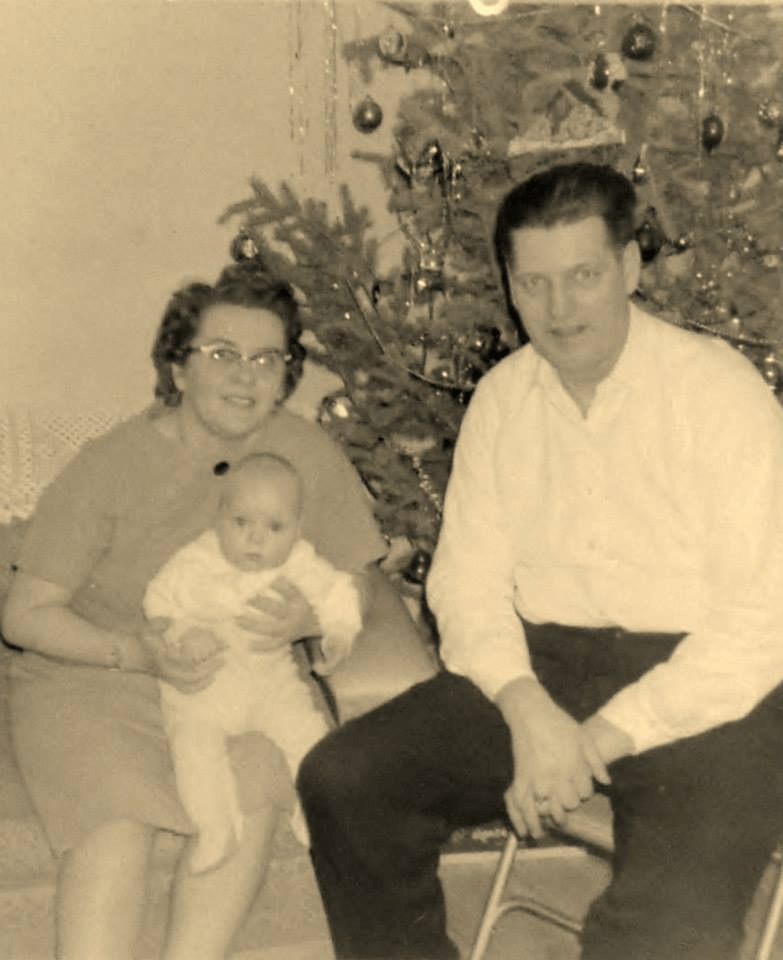
Me with my grandparents, Helen Lerner and Leo Burgess
Like most high schoolers, my mother followed the latest trends in hair styles. My grandfather was often away from home for days at a time in his job as a train conductor. During one of those absences, my mother changed her hairstyle once again.
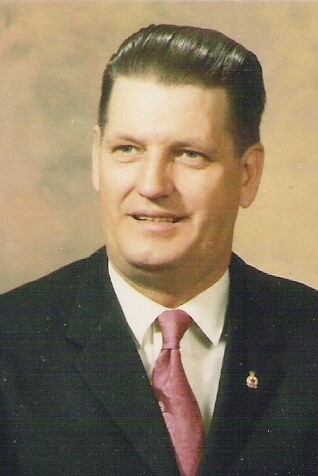
Leo Burgess, October 1971
Upon returning home and seeing my mother’s new do, my very blue-collared grandfather was not impressed. He could be very gruff and stern at times and it was often reflected in his tone of voice. According to my mother, her father asked something along the lines of “what the heck is that”, although I imagine it was a little more harsh than that.
My mother shot back with, “well, what do you call that?”, pointing to his hair. My grandfather abruptly changed his demeanour and a very proud look came across his face. In an almost sing-song voice, patting his hair with the heel of his hand, he exclaimed, “it’s a pompadour!”
For Week 11 of the 2022 52 Ancestors Challenge, the theme was “Flowers”. However, I chose to change the topic to “Pets”, not realizing that would be the theme a year later. So here I am, stuck with little to say on the topic of pets. At most, I could write about my Aunt Diana (again!), who dearly loved her cats. Nevertheless, since I turned “Flowers” into “Pets” last year, it seems I should turn “Pets” into “Flowers” this year.
My paternal grandfather, Arie van der Fluit, was an avid gardener. He and my grandmother lived in a number of different places over the years, and at every one of them my grandfather had some sort of garden or greenhouse. Even when he lived in a condominium tower, he somehow managed to turn permission to have a small kennel in an unused area of the main floor – about the size of a banquet hall – into a menagerie of all kinds of animals, along with all kinds of potted plants throughout the place.
At one home, he tore out the grass in the front yard and replaced it with flower beds. He only left strips of grass so that he had a place to walk between the blooms while tending to them.
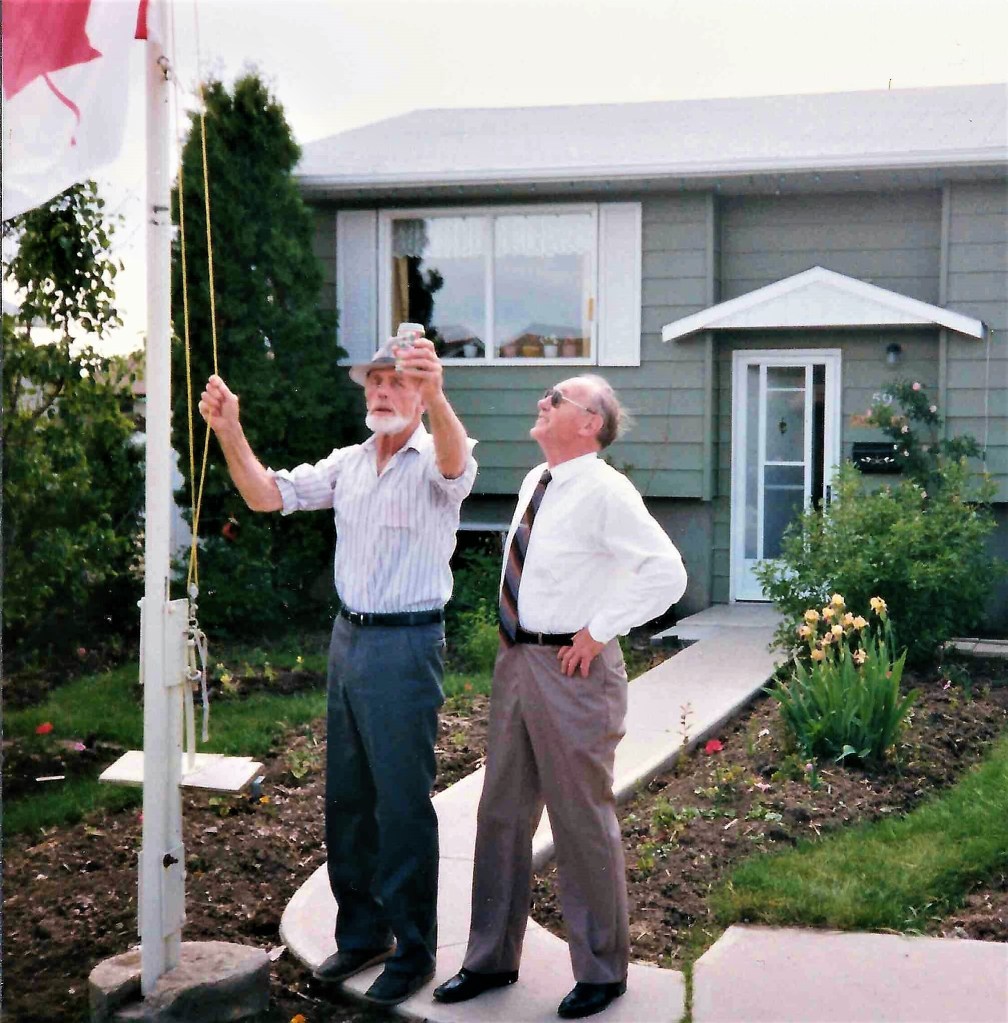
On the left, my grandfather’s younger brother, Jaap van der Fluit, with my grandfather on the right. This was taken in 1992, while my great uncle was visiting from the Netherlands. This was taken before my grandfather had fully transitioned the front yard into flowerbeds.
My grandfather was less physically able to garden in the final years of his life, yet he did not let his health problems keep him from the two things he loved most, gardening and training dogs. He put more of his available energy into the dogs, erecting an impressive obstacle course that he used to put them through their paces. He also built a small windmill in his front yard – which generated enough electricity to operate an outdoor lamp. What energy and ability my grandfather had left for gardening he put largely into potted plants. They were easier to tend to.
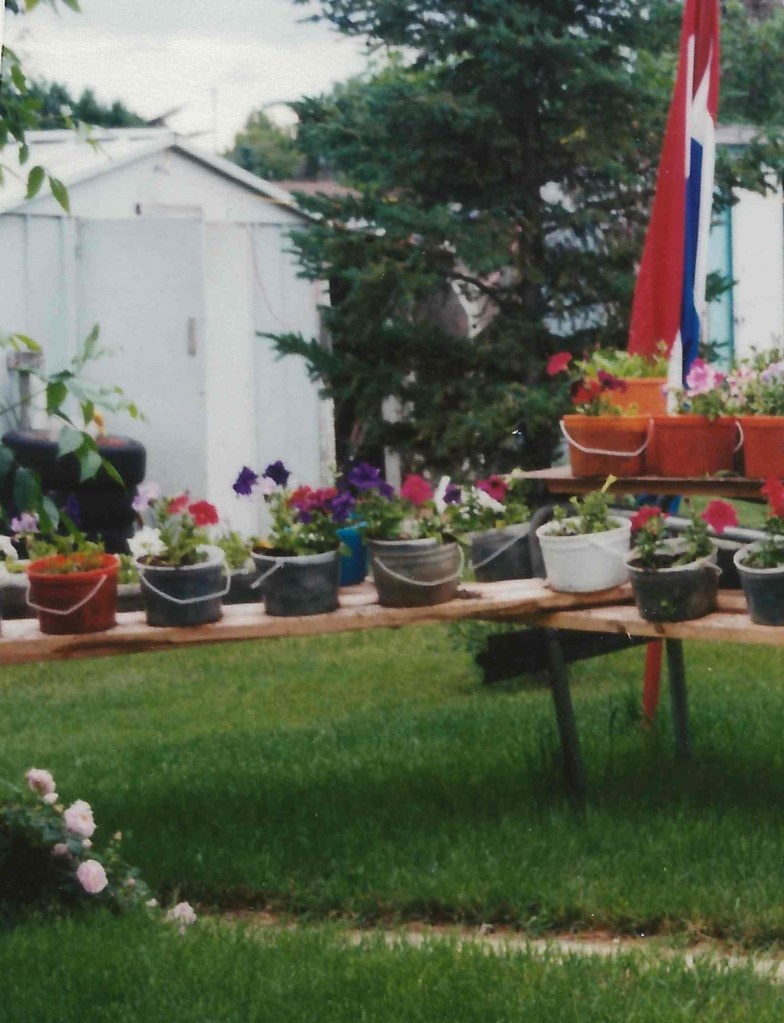
My grandfather’s last “garden”. You can see flags of Canada and the Netherlands that he always had wherever he lived.
For this week’s 52 Ancestors Challenge theme, we were simply provided three letters, DNA. That could stand for anything!
Of course, the idea is probably to write about genetic genealogy. Thankfully, we are not beholden to what the weekly theme should be. Suffice to say, if we were, this would be an incredibly short post. I have precious little to say about deoxyribonucleic acid; I have far more I can say about the Dutch National Archives.
Of course, the institution is not called the Dutch National Archives. In Dutch, the institution is simply “Nationaal Archief“. You don’t need to be a polyglot to figure out that’s “National Archive”.
If you do Dutch genealogy, you’re not getting information from churches, courthouses, or libraries. The archives are where you want to be. The Netherlands adopted a system of civil registration in 1811. At that time, it had all the churches turn over their baptism, marriage, and burial records. Since then, births, marriages, and deaths have been recorded at the municipal level. After a period of time, these records are turned over to the civil or provincial archives. As well, other governmental institutions, as well as the courts, are required to turn their records over to the archives after a requisite period of time.
The Dutch archives are amazingly accessible over the internet. A lot of resources have been put into digitizing archival holdings and putting them online. Many of the provincial and municipal archives provide this material through their own websites, many of which have an English interface. However, they all contribute to a central online source, WieWasWie, which has both a Dutch and English interface. There’s also OpenArchives. It’s a portal and aggregator, that uses openly available information, although it is privately backed.
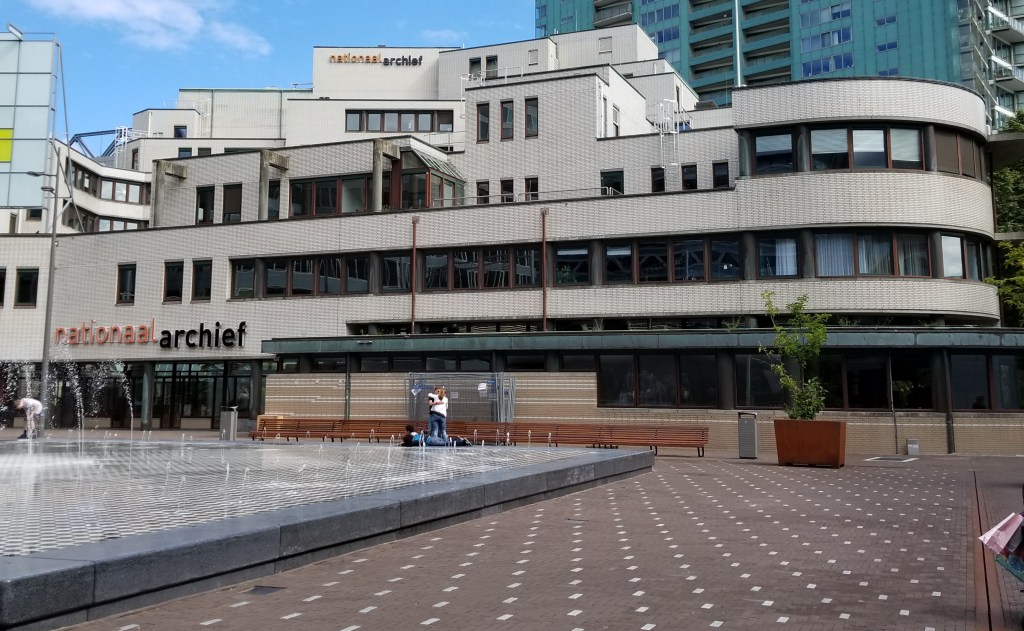
The Nationaal Archief, located in Anna van Buerenplein (Anna van Bueren Square) The Hague.
While so much is available over the internet, the old adage “not everything is online” still applies. Of course, with an entire ocean and and a whole continent separating me from the Netherlands, I don’t have the opportunity to visit in person. Thus, I’ve been to the Nationaal Archief exactly once, but as part of an unplanned visit shortly before closing just to get a lay of the land.
My last trip to the Netherlands was spurred by the fact my parents were taking a cruise out of Amsterdam. They went early to spend time with family. I’ve always wanted to visit the Netherlands with my father, so I took advantage of the opportunity.
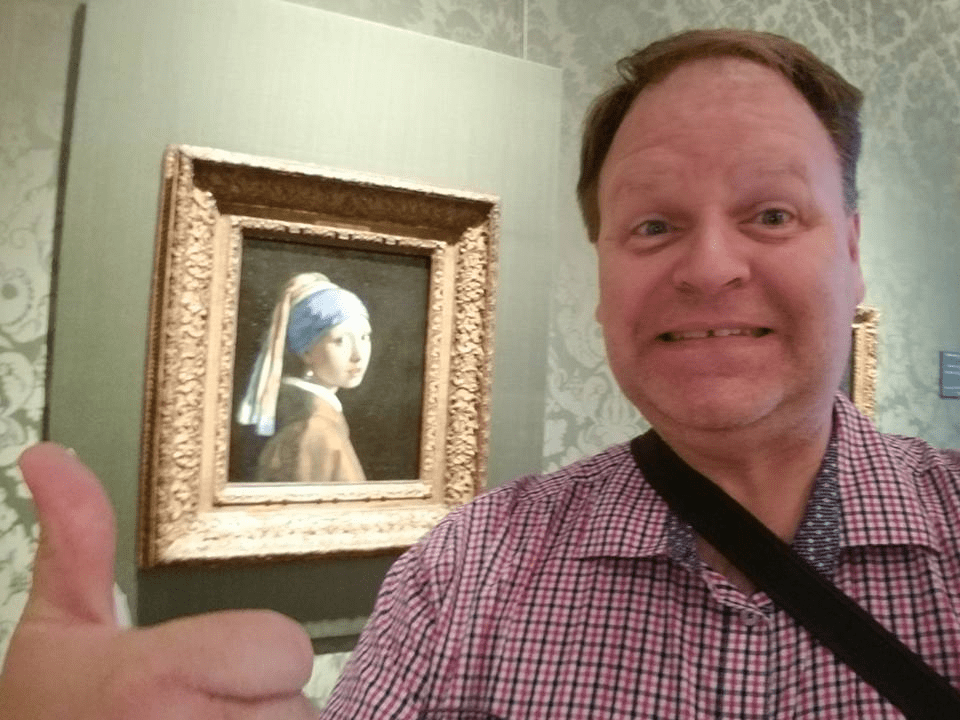
After they left for their cruise, I had a couple days on my own. I decided that I wanted to go to The Hague, to do exactly two things. First and foremost, I had to see my favourite painting by my favourite artist: Girl With a Pear Earring by Johannes Vermeer. It’s part of the holdings of Mauritshuis, a museum adjacent to the Dutch parliament buildings in The Hague. The second was to visit a small polder in Leidschendam, on the outskirts of The Hague, which is either the source of my surname, or was named after my family.
One of two reasons I went to The Hague.
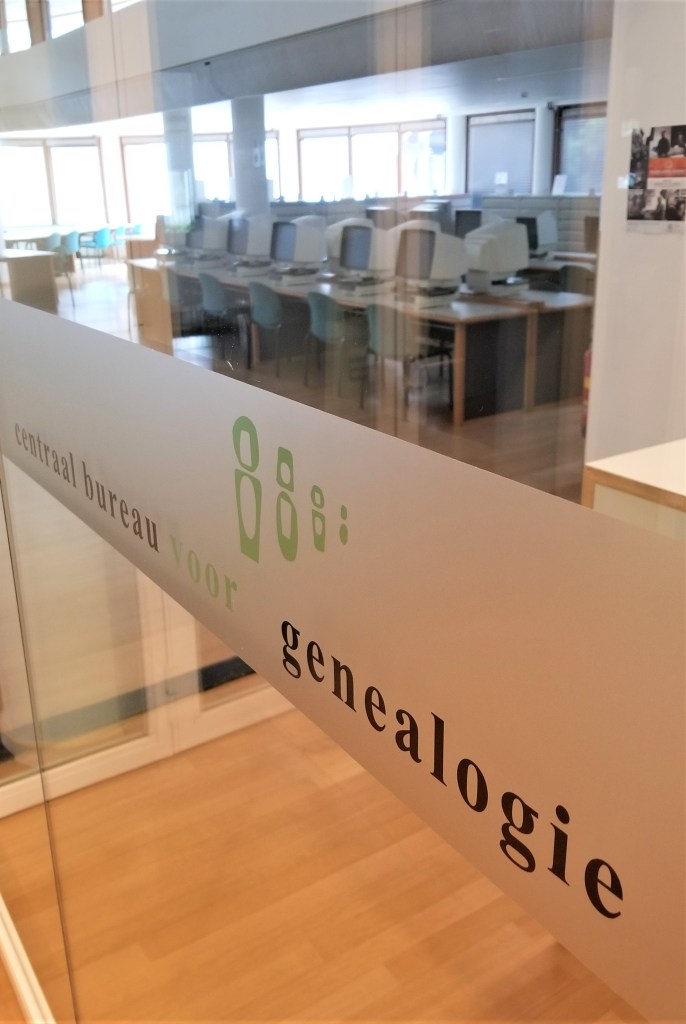
Given the limited time and my singular goal, I did not make any plans to visit the Nationaal Archief. If I was going to spend any time during my trip in an archive, that would probably not be the one. The records I really need are to be found in the Noord-Hollands Archief in Haarlem (provincial) or Alkmaar Archief (regional). However, the Nationaal Archief also houses the archives for the province of Zuid-Holland, so a visit there would not be fruitless. Furthermore, the Centraal Bureau voor Genealogie (since renamed CBG Centrum voor Familiegeschiedenis – Centre for Family History) is located within the same building as the Nationaal Archief.
However, if I had done even a minimal amount of research, I would have discovered that the Nationaal Archief is located immediately beside The Hague’s main central train station. My hotel was a five minute walk away.
On my last day in The Hague, I found myself walking by the Nationaal Archief, and noticed it was still open. I couldn’t resist popping in, if only to take a peek. The place was spacious and pleasant. There was an archivist on duty who was very welcoming. When I explained that I wasn’t there to do any actual research and that I only wanted to take a look, she gave me a bit of a tour.
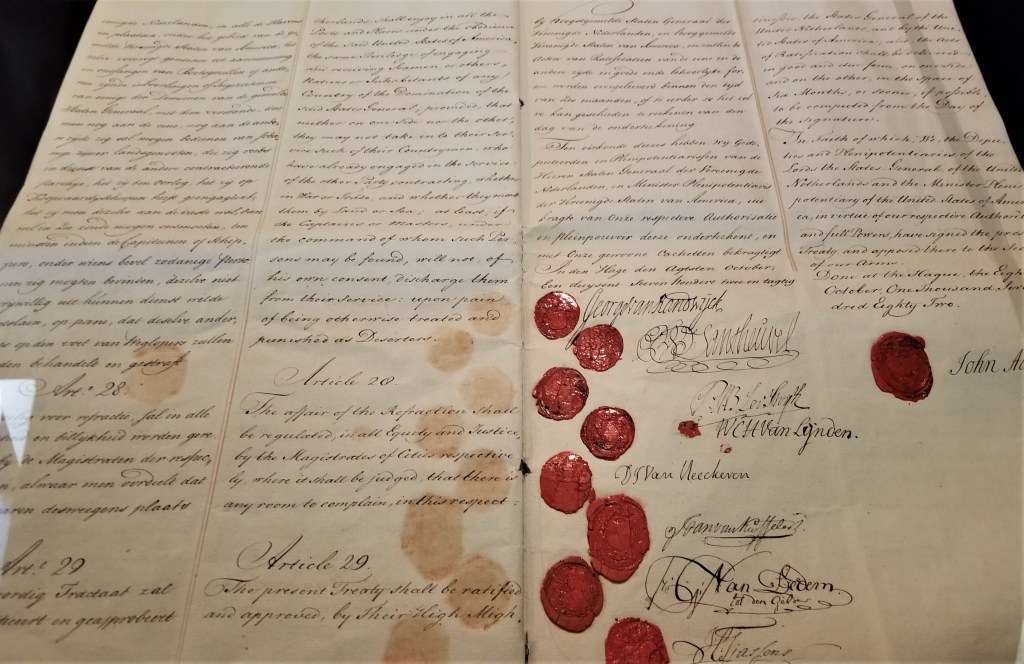
Among the items the archivist showed me was an original of the Treaty of Friendship and Commerce between the States General of the United Netherlands and the United States of America. The Netherlands was the second country in the world, after France, to formally recognize the independent United States. This treaty formed the foundation of their formal diplomatic relations.
At the time this treaty was signed, the Netherlands was not a unitary state; rather, it was more of a confederation of largely autonomous states. Thus, there are eight Dutch signatories. The single American signatory was John Adams, who later became the second President of the United States.
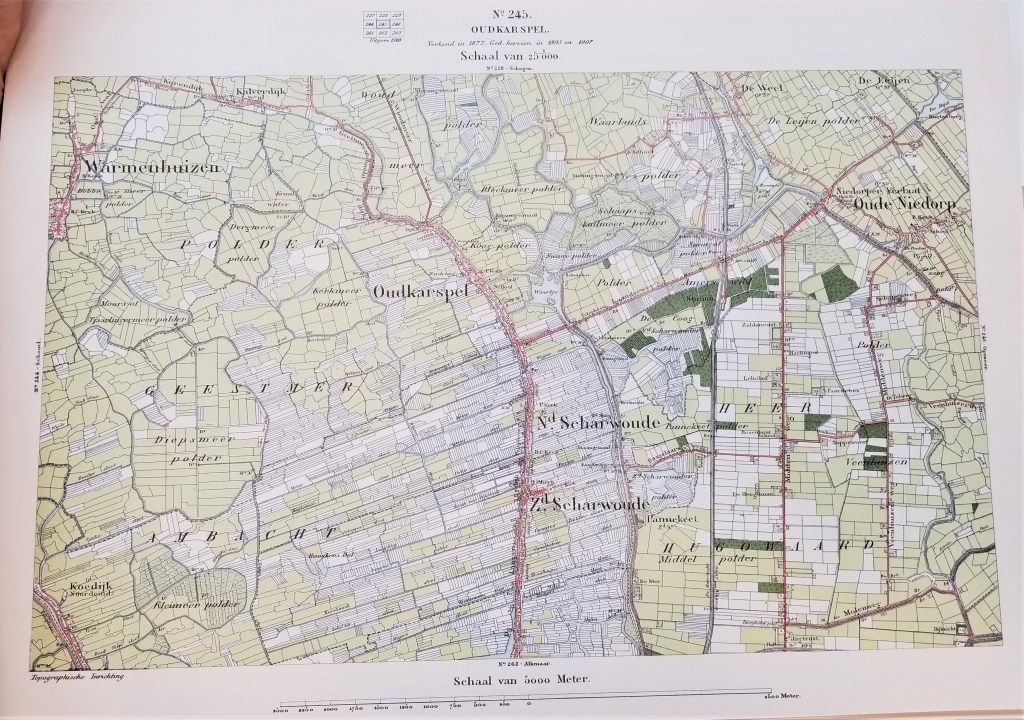
I also saw this map of central Noord Holland, which shows many of the towns and villages where many of my ancestors lived. It is also where many of my closest Dutch relatives live. At the top, near the middle, is Waarland, where my father was born.
If I should ever return to The Hague with lots of time for myself, I definitely need to plan a return trip to the Nationaal Archief.
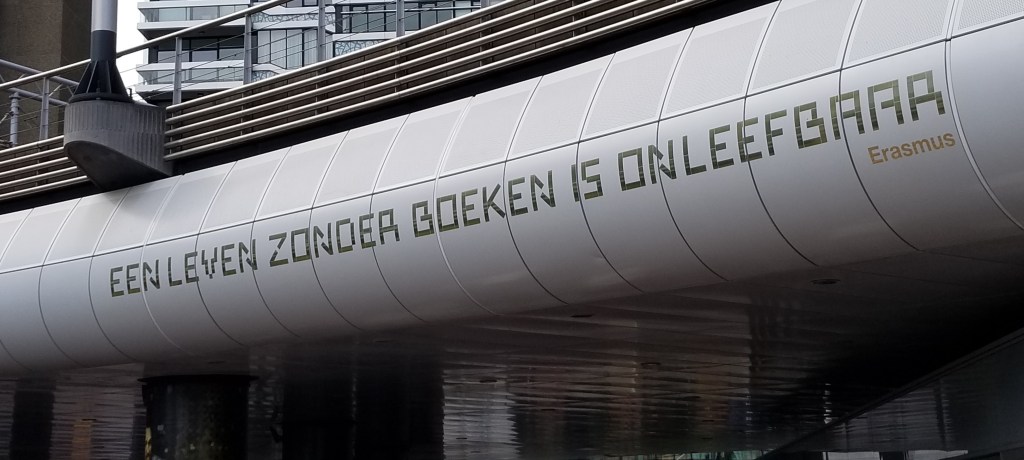
The Nationaal Archief is directly across from the University of Leiden’s campus in The Hague. “Een leven zonder boeken is onleefbaar” – “A life without books is unlivable”
 A Deck of Ancestors