52 Weeks – Week 41: Handed Down

For this week’s theme for the  52 Ancestors Challenge, “Handed Down”, I know exactly what I wanted to share.
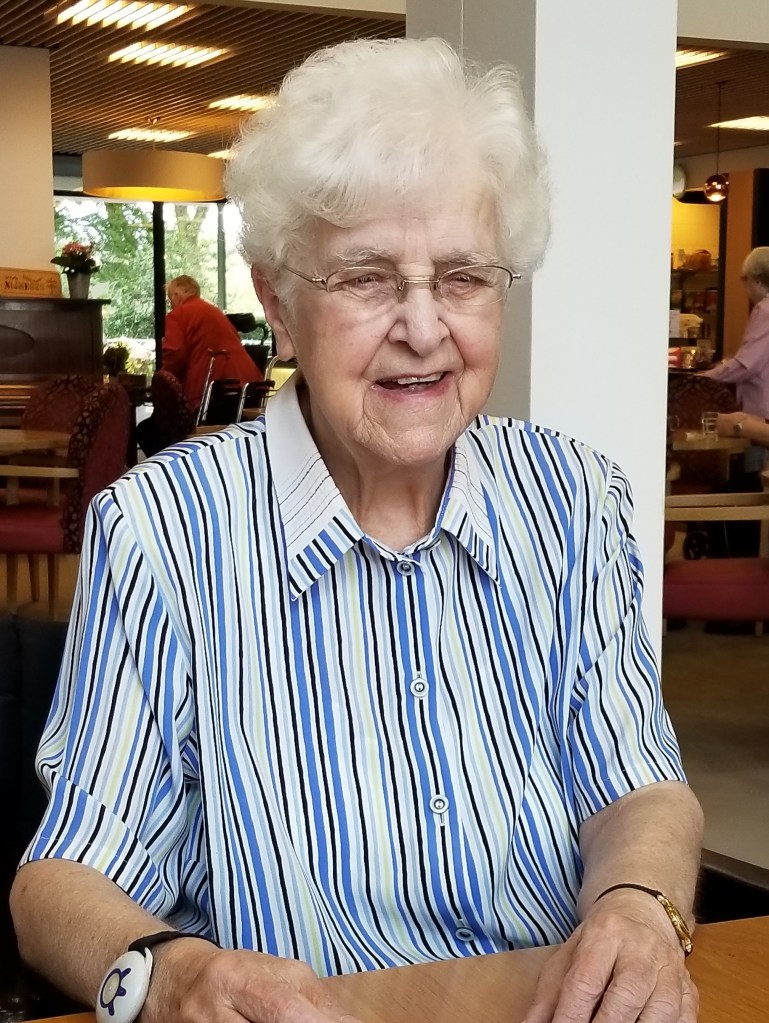
Tante Riet (1932-2021) in 2017.

As I wrote about in Week 10, my Tante Riet served as a missionary in Metro Lampung, Indonesia for many of years. When I was around 15 years old, she visited us during a trip she took to Canada. She gave me a hand-painted silk bookmark from Indonesia. I though I knew where I had been carefully storing it, but to my surprise it wasn’t where I thought it would be. Wat jammer, as you might say in Dutch.

However, I did find many wonderful mementos – wedding invitations, cards, letters, photos, and other souvenirs of special events. I even found a lovely thank you note a close friend of mine gave me thirty years ago. She wrote the first half in Dutch. While I could understand it at the time, with three decades of struggling to learn the language, I’m happy to say that I fully understand it now. Good thing I set it aside for so long!
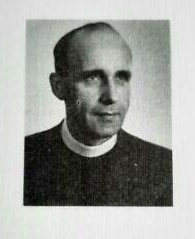
Cornelis Jan “Kees” Komen (1928-1987)

However, none of those items were things that fit this week’s theme. So instead I will share an item I inherited from one of Tante Riet’s older brother, Oom Kees. I also wrote about him in Week 10 and, like his sister, he led a religious life. I never met Oom Kees, who passed away in 1987. Somehow this item made its way from him to my mother, who passed it on to me – a very nice bottle opener. I have no idea if this was of any special significance to him or if there was a story behind it. I also have no idea how or why my great uncle came into possession of this item, which is a promotional item advertising a potato wholesaler. Was his parish a big purchaser of wholesale potatoes?

The note my mother enclosed when she sent it to me -which I still have – does not explain much. It simply says that it belonged to Oom Kees, my dad’s uncle, who had passed away in January that year. However, I received it gratefully, as I had little in the way of physical mementos from my family in the Netherlands.
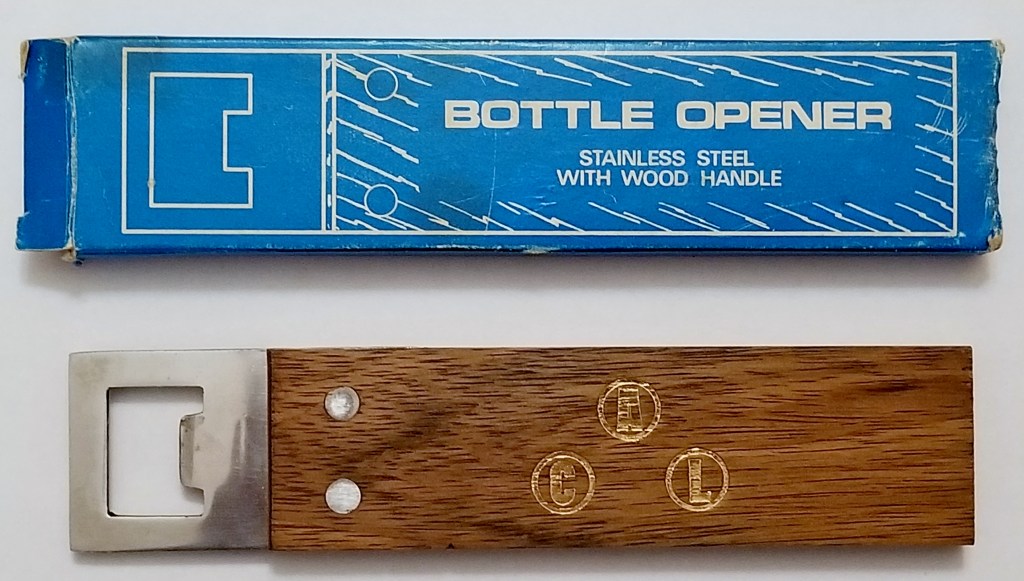
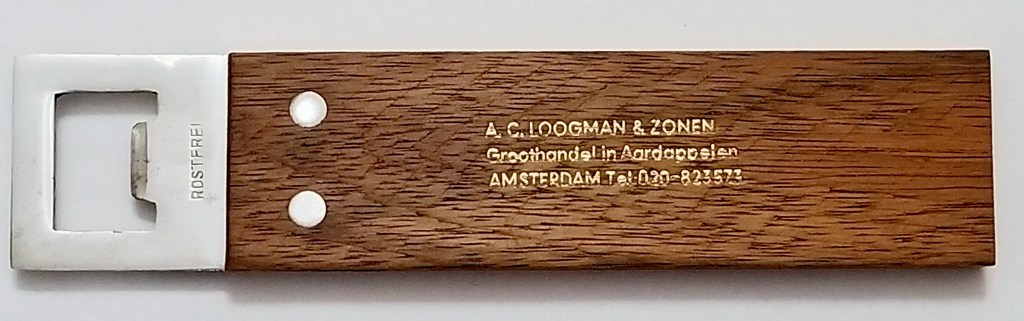
I haven’t taken this out of the box in decades. I only took it out to photograph it for this post.
The back side.

The back side of the opener advertises “A.C. Loogman & Zonen – Groothandel in Aardappelen”. In English, “A.C. Loogman & Sons – Potato Wholesalers”. It seems odd that they’d have a bottle opener as a promotional item. You would think a more appropriate item might be a potato peeler.

I googled the company and it turns out they were in business up to November 2020, at which time it went bankrupt. Using the Wayback Machine of the Internet Archive, I found the from the last capture of their website (www.acloogman.nl), which included a short company history, which I’ve translated into English:

When you think of quality potatoes, you cannot ignore AC Loogman. Since 1953, we have ensured that customers from all over the world can enjoy the best potato varieties, collected directly from the grower and packed by us according to their wishes. Thanks to our extensive fleet and ultramodern fully automatic packaging machines, we can deliver large quantities within the country and abroad. But smaller regional customers can still count on our personal and committed service.

While a rather nondescript item, it certainly is one of the oddest heirlooms in my possession!

Addendum

I generally focus on my side of the family in this blog, so it did not occur to me to think of my wife’s veil for our wedding. It was the same veil her great grandmother wore when she got married in 1918. A costume designer my wife knows did some repair work on it and added a bit of volume to it to spruce it up and make it look as good as new.
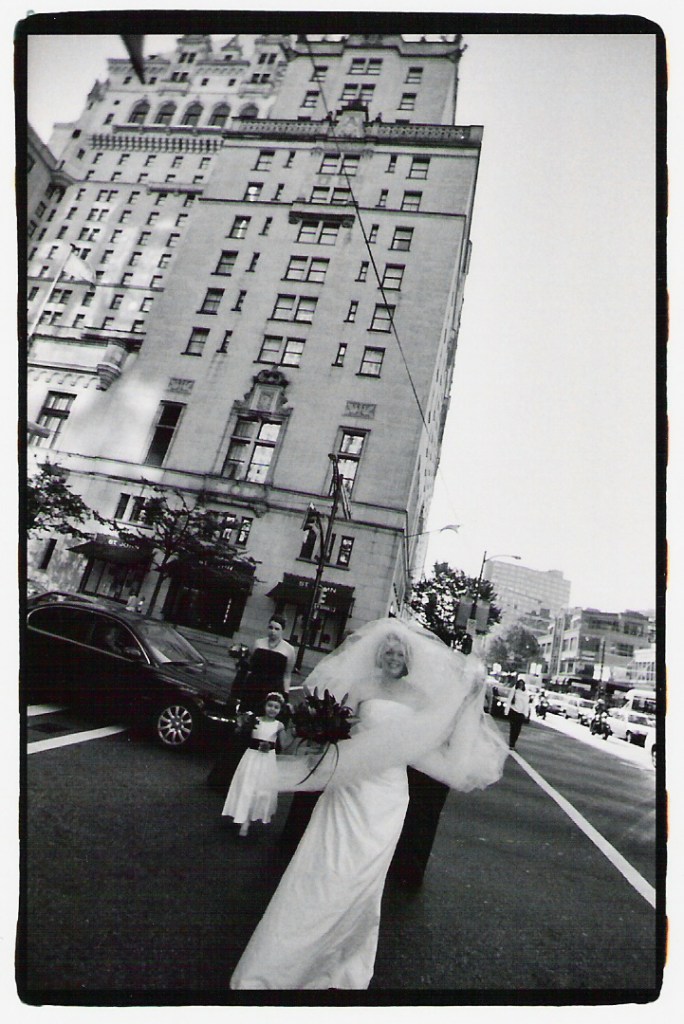
Addendum to the Addendum (Feb. 17, 2025): I just learned from a September 1918 newspaper that my wife’s great great great grandmother wore the same veil at her wedding in 1866. So my wife was wearing a pre-Confederation item! Talk about something old to go with the something new, borrowed, and blue!
52 Weeks – Week 39: Road Trip

If I do the 52 Ancestors Challenge again next year – which I’d like to do – it might serve me well at the start of the year to look ahead to see the full list of 52 themes. As I mentioned last week, many times this year something I’ve written about in the past fits into any number of subsequent weekly themes. For this week’s theme of “Road Trip”, the genealogy road trip that comes to mind is one I did with my mother to south-west Saskatchewan, to where my grandmother was born. Unfortunately, I’ve written about that here not once, but twice. The other road trip that comes to mind I wrote about two weeks ago.

Part of the problem is that I haven’t been on a lot of genealogy road trips. It’s not easy doing one from where I live. Western Canada, where much of my immediate and extended family lives, is a big place.

Okay, maybe Canada isn’t that big…

For my grandparents’ 40th wedding anniversary, we drove from Terrace in northern British Columbia to Lethbridge in southern Alberta. We thought nothing of it, it was only one province away, only a 17-hour drive. Our relatives from the Netherlands were gobsmacked. They pointed out that we had driven the distance from Amsterdam to the border of the then still-extant Soviet Union. Needless to say, it’s even further to travel to the homelands of my great grandparents, even those who lived in the United States. Utah is a two-day drive from here.

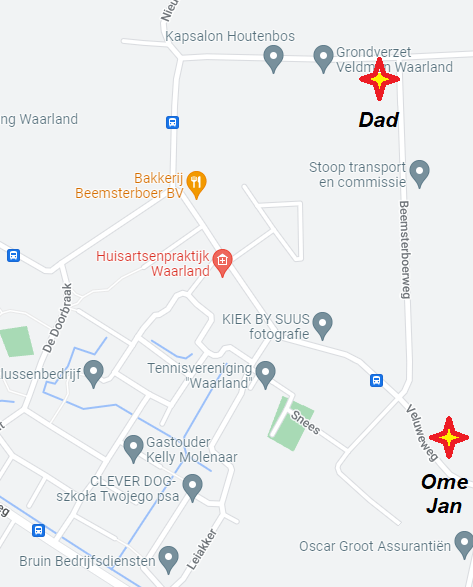
Despite the massive distances, the road trip I have decided to write about was only 600 meters long. I’ve done the trip twice, the first time by bicycle and the second by car. However, I had to fly from the west coast of North America to the west coast of Europe to do it.

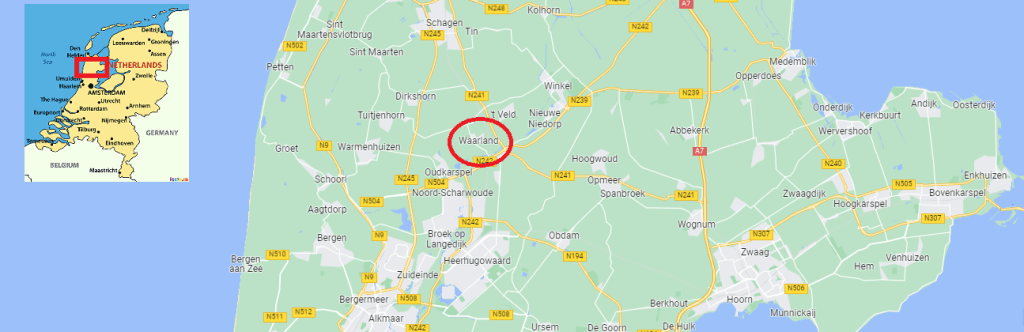
Waarland’s location in the Netherlands
Waarland, NH

My father was born in Waarland, North Holland. Today it is part of Gemeente Schagen (Municipality of Schagen), but when my father was born it was part of Gemeente Harenkarspel. The Dutch seem to like reorganizing their municipalities, so a village or town can end up in various different gemeenten over time.

The first time I visited the Netherlands, we stayed with one of my grandmother’s sisters and her husband, Tante Anny and Ome Nic, who lived in the adjacent gemeente of Langedijk (which, as of January 1 of this year, is now part of Dijk en Waard). On one of my last days with them, Ome Nic and I went for a bicycle ride from Langedijk to Waarland, to meet my grandfather’s (van der Fluit) side of the family.

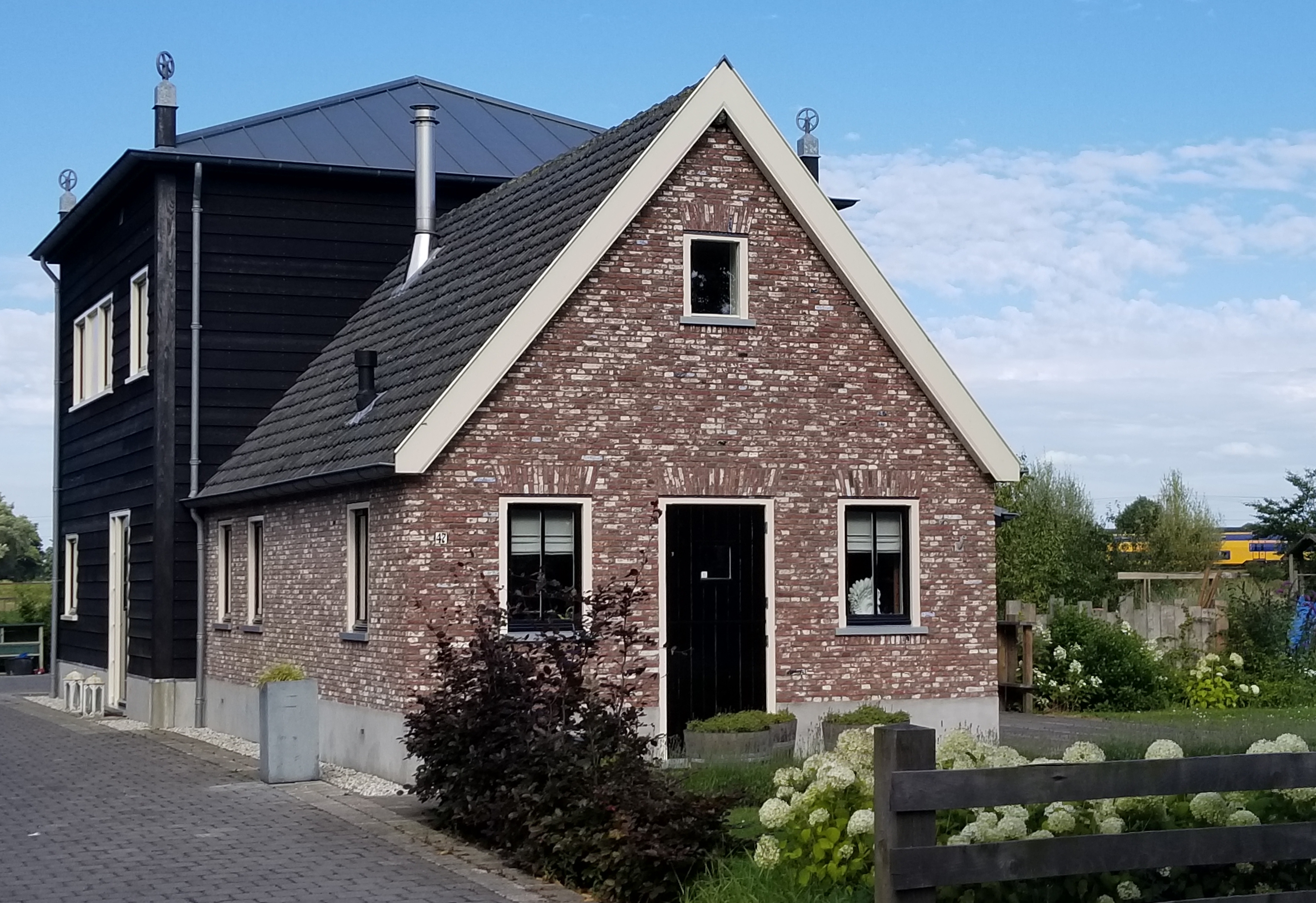
We started at the home of my grandfather’s oldest brother and his wife, Ome Jan and Tante Marie. They lived in the house where Jan and my grandfather were both born. Almost immediately due north of their house was the house where my father was born.

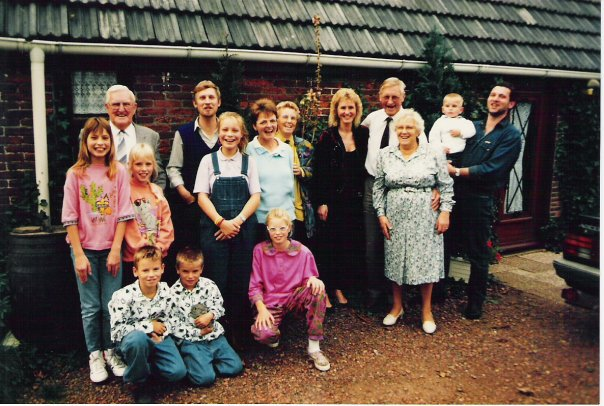
Several of Jan and Marie’s children (my dad’s cousins) and grandchildren were there for our visit. What really struck me was how different the Dutch was that they spoke. I had no idea what anyone was saying. Even my Ome Nic seemed to find their Dutch hard to follow.

At the house where my grandfather and his brother were born. It was odd meeting so many people who vaguely looked familiar. The children are all my second cousins, two of whom looked almost exactly like two of my siblings.

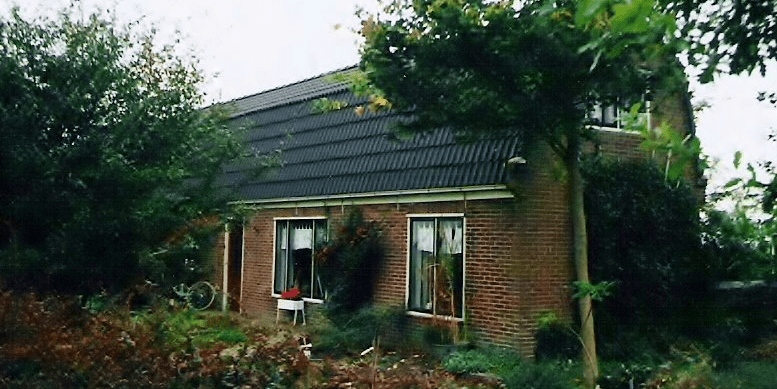
One of those cousins, Pieter, took me on a short bike ride up the road to the house where my dad was born. Not only that, he knew the current owner, so we were able to go inside. That was incredibly special.

The house where my father was born, the first time I visited Waarland

Five years ago, I had the opportunity to go to the Netherlands at a time my parents were also visiting. I had always wanted to go to the Netherlands with my father. It was an incredible experience. Of course, one of the days of our visit had to include a trip into Waarland.

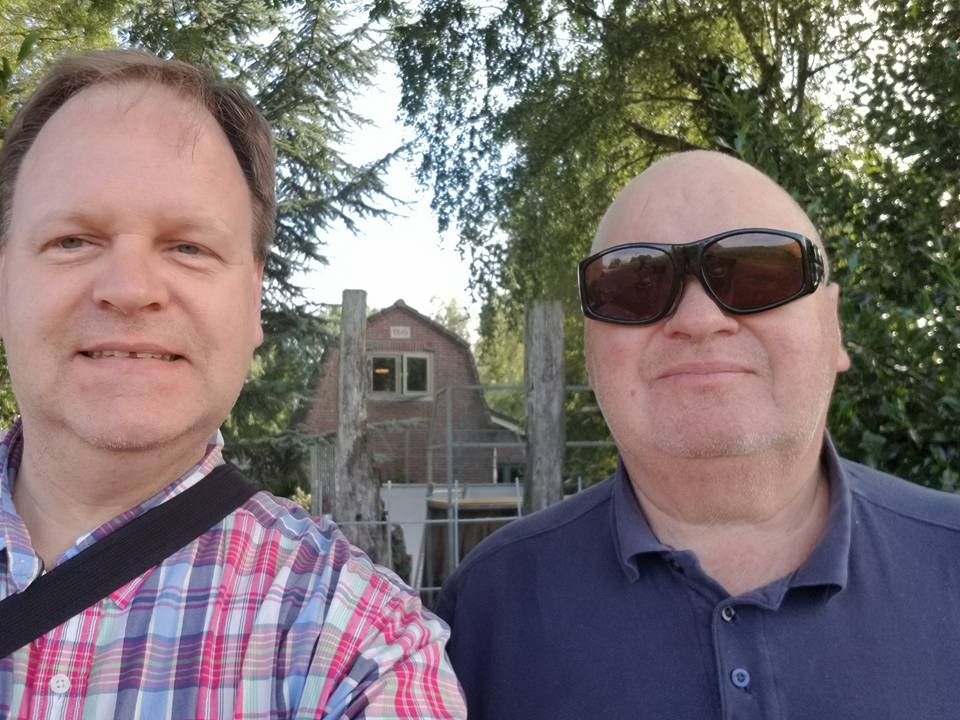
With my father outside the house here he was born. He’s more than happy to say, yes, he was born in a barn.

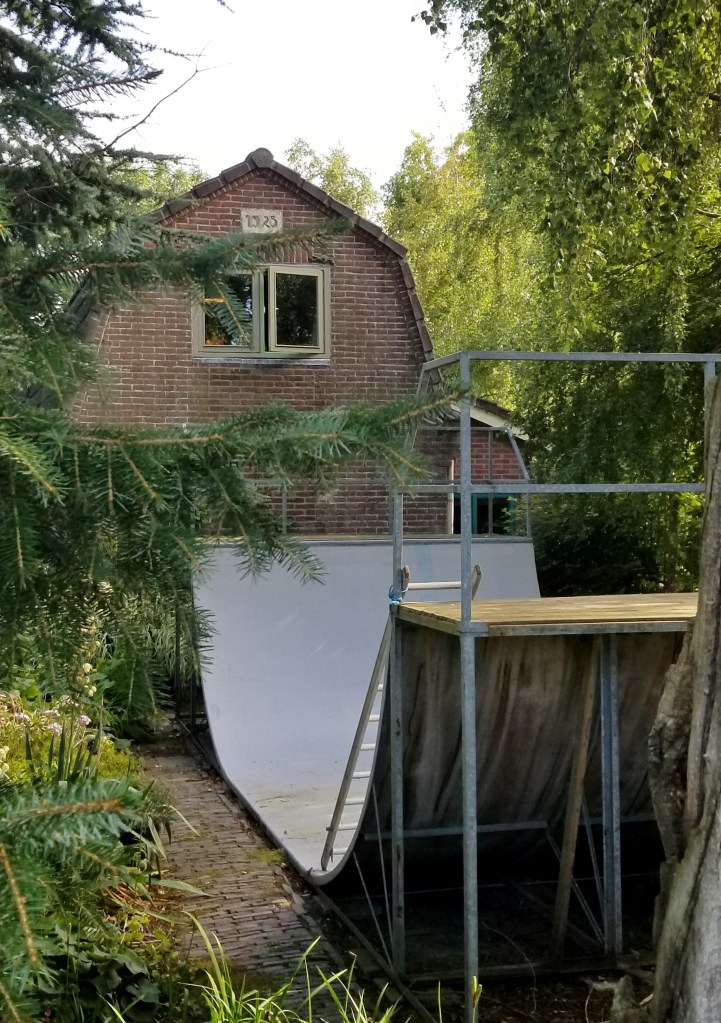
We started at the house where he was born. It looked as if the place had not been well maintained by its current owners, although I had to tease my father by asking him whether he remembered the skateboard halfpipe in the back yard.

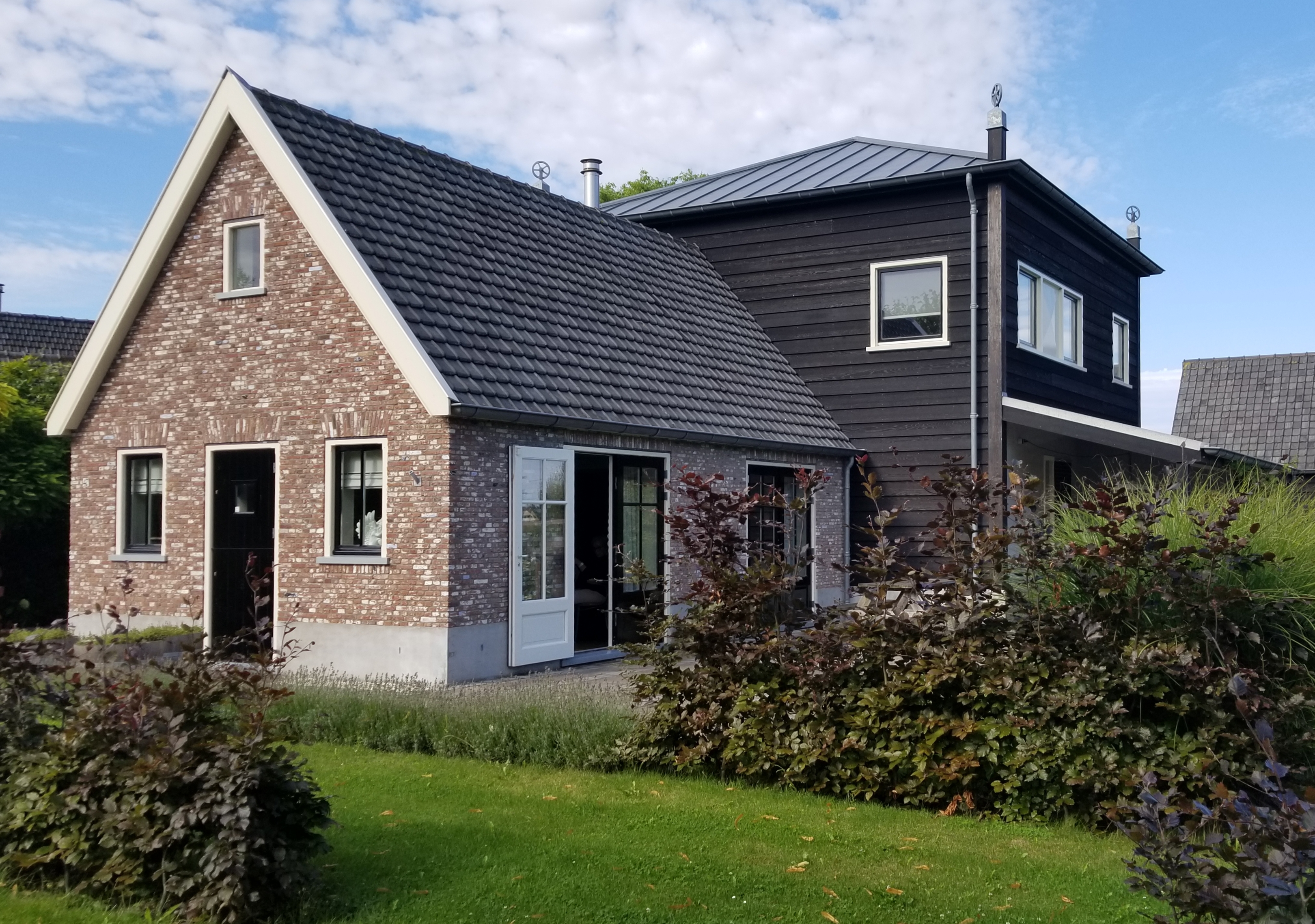
We then made our way to Ome Jan’s and Tante Marie’s house. Ome Jan had passed away in 2011 and Tante Marie died in 2013, so the house had a new owner. In fact, it was an entirely new house. The old one had been demolished, but the new one that replaced it looked almost identical.

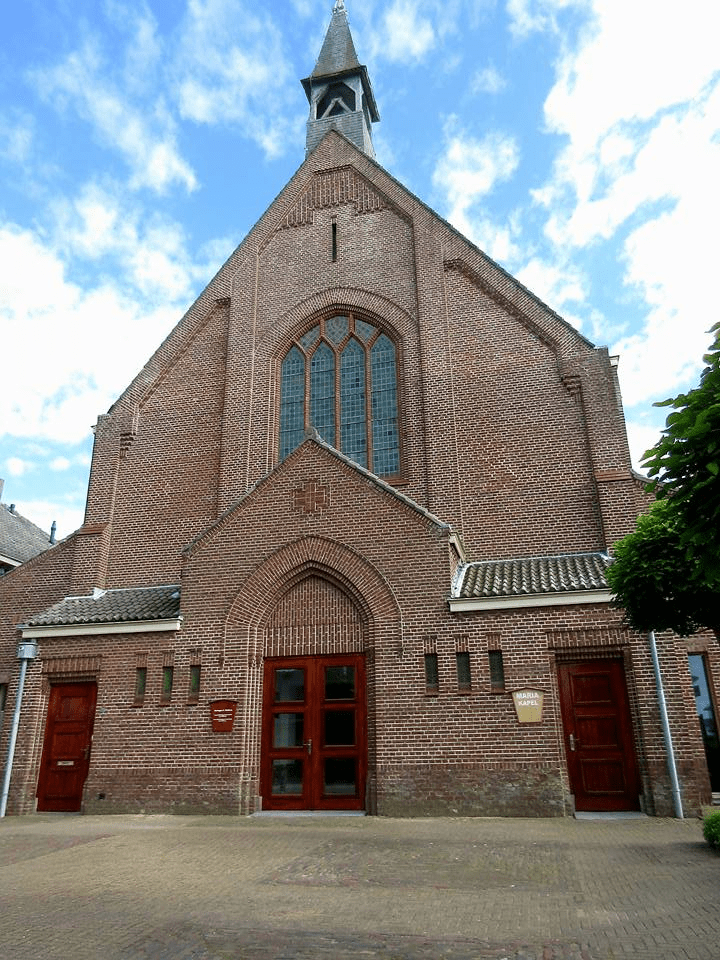
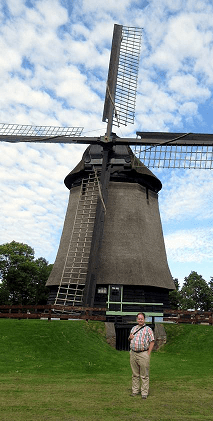
During the recent-most trip to Waarland, I also got to go by the church where my father was baptized. Unfortunately, there wasn’t time to go inside. As well, we stopped by a 450-year-old windmill that has been a museum since 1920.

H. Wulfram Kerk in Waarland
Poldermolen Waarland. Hangin’ out, more than a metre below sea level, as you do.

52 Weeks – Week 34: Timeline

In the timeline of the 52 Ancestors Challenge, we’re on Week 34, which is the theme of the week, “Timeline”!

Plotting out the timeline of an ancestor or family group can be a great analytical tool. However, I find what is just as important are timelines of history. Knowing the history of a place can provide context and clues as to our ancestors’ actions.

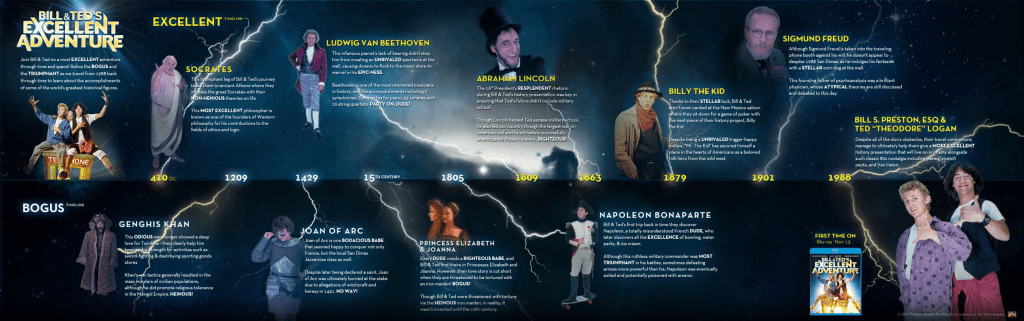
Timelines of history are totally bodacious and most triumphant.

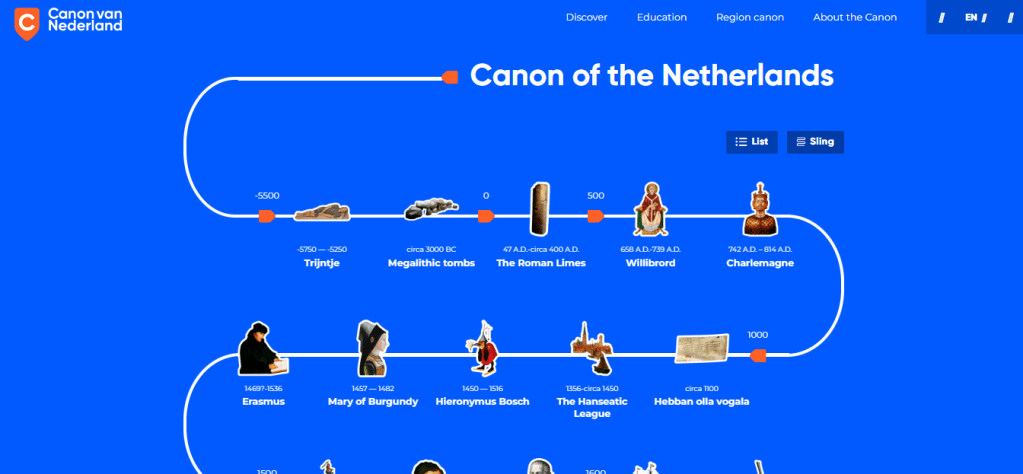
One of my favourite timelines of history is the Canon of the Netherlands. In addition to my love of genealogy, I have always loved history (it was my major in undergrad) and the Canon appeals to my inner history geek. It is a timeline of fifty historical events that together show the historical and cultural development of the Netherlands as a nation. Not only that, there are separate canons for every province and the regions within each province. It is a beautiful piece of work and I enjoy reading it independent of any family history research I might be doing.

The Canon was developed at the behest of the Dutch ministry of education and provides a summary of what is taught in Dutch primary schools. The website is available in English for the timeline itself and for each of the historical and cultural events listed on the timeline, although other information (such as the “About” pages, FAQs, and regional Canons) is only available in Dutch. That’s where the translate functions of browsers like Chrome can come in handy, although I like to try to read them in the original Dutch as part of my decades-long struggle to learn the language.

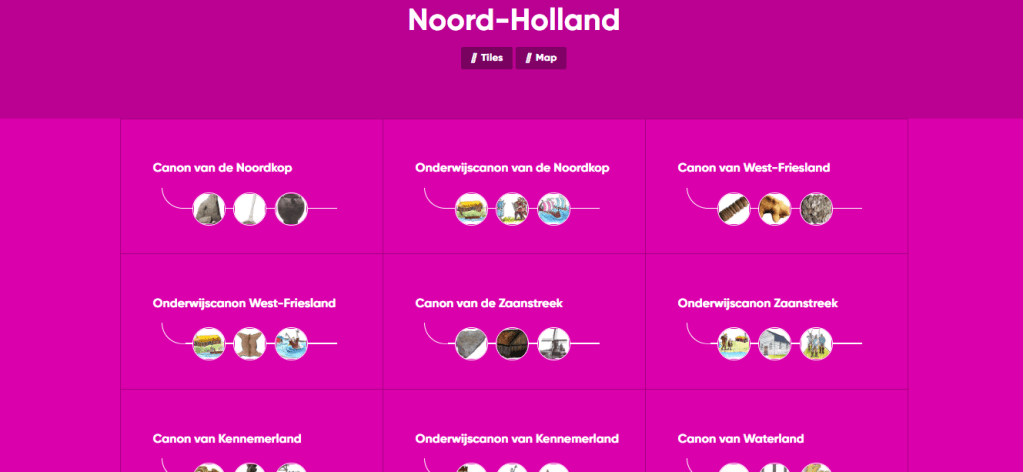
The Canon for Noord Holland (North Holland), the province where my father was born.

Knowing when the Netherlands was under French dominion helps in understanding the timeline of some of my ancestors. Napoleon originally structured the Netherlands as a separate “Kingdom of Holland”, with his brother Louis as the King. Over time, Louis ran the kingdom more with Dutch interests in mind, so in 1810 Napoleon abolished the kingdom and incorporated the Netherlands as part of France itself. Records from the time of French rule might be in Dutch, French, or a combination of both. Records I’ve found from after the Netherlands was incorporated into the Empire are more likely to be in French.

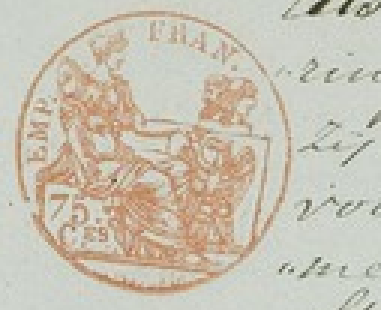
My Great x 4 grandparents, Jan de Waard and Cornelia Pieters Kooij, married on October 10, 1813. The record of their marriage is written in Dutch, but bears the seal of Imperial France. Less than a month after their marriage, a popular uprising resulted in the ouster of the French. On November 30, 1813, the son of the former stadholder of the country returned from exile and was named William I, Sovereign Prince of the United Netherlands. Jan and Gurr marriage was one of the last in Texel to be registered under the French regime.

Knowing the timelines of history have also been helpful in understanding my maternal grandfather’s family history. He was Mormon (Latter Day Saints) and several of his direct ancestors were amongst the earliest converts to the new religion, joining in the 1830s in New York State. Knowing the history of Mormon migration helps me understand my maternal ancestors’ movements and why they did certain things at certain times.

The group’s founder, Joseph Smith, sought to create a “New Jerusalem”. He and his followers moved to Ohio and soon began building a settlement in Missouri. In 1833, church members were run out of Missouri and a failed banking venture crippled the Ohio settlement. The Mormons attempted a settlement elsewhere in Missouri, but were driven out upon an executive order of the governor, calling for them to be exterminated or expelled from the state. In 1939, the church regrouped in a new community, Nauvoo, Illinois, and began to build their Zion there. Two years after Joseph Smith’s death in 1844, tensions with non-Mormons increased, such that the Mormons were driven out once again. They upped stakes and began the migration to Utah. During the westward migration, over the winter of 1846-1847, about 2,500 church members encamped at Winter Quarters, which was just north of where Omaha, Nebraska came to be. The first settlers arrived in what is now Salt Lake City in July 1847, in what was still Mexican territory.

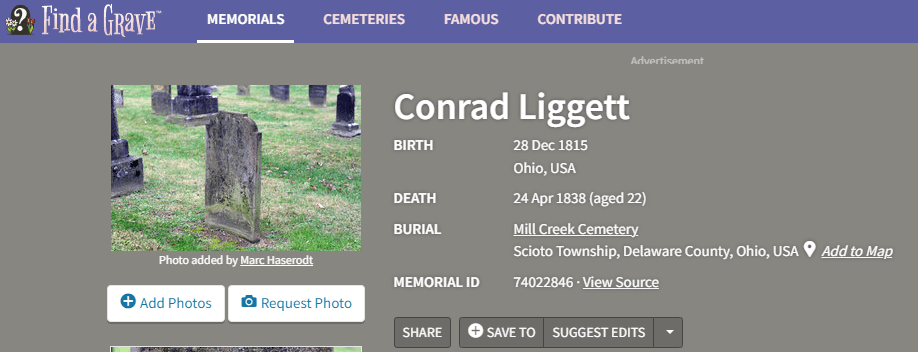
Knowing this timeline, I can test the accuracy or reliability of information I have found about my Mormon ancestors. For example, some of the information I’ve found about my great x4 grandfather, Conrad Liggett, suggests that he died in Nauvoo before 1839. However, as Mormon settlement in Nauvoo did not begin until 1839, I doubt the veracity of that information.

If you were buried in Ohio in 1838, odds are you did not die in a town that was settled by the Mormons in 1839.

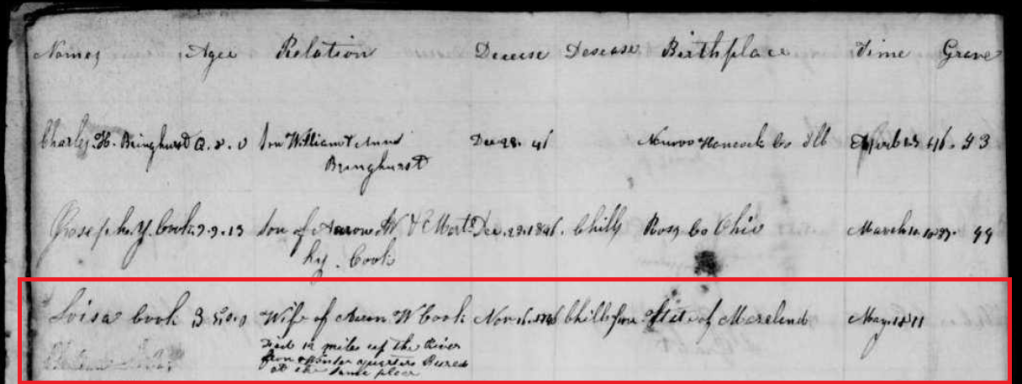
As well, if I have a Mormon ancestor who passed away in late 1846 or early 1947, chances are good that it occurred during the migration to Utah. For example, Conrad’s widow, Louisa Thomas, my 4x great grandmother, died on November 16, 1846. Sure enough, an entry in the Winter Quarters sexton’s records shows that Louisa died 19 miles up the river from Winters Quarters.

The entry for Louisa Thomas in the Winter Quarters sexton’s records, 1846-1848: “Loisa Cook. 36 years, 0 months, 0 days. Wife of Aaron W. Cook [her third husband]. Died 19 miles up the River from Winter quarters Bur[i]ed at the same place. [Died] Nov 16 1846. [Disease] chills fever. [Born] State of Mareland May 1811.”

Timelines of history can take you on some most excellent adventures!

52 Weeks – Week 31: Help

The greatest genealogical help I received began 26 years ago this summer. It started with a simple invitation I spotted on a message board. Someone was planning a visit to a Dutch archive later in the week and was offering to do a lookup for anyone who might be interested.

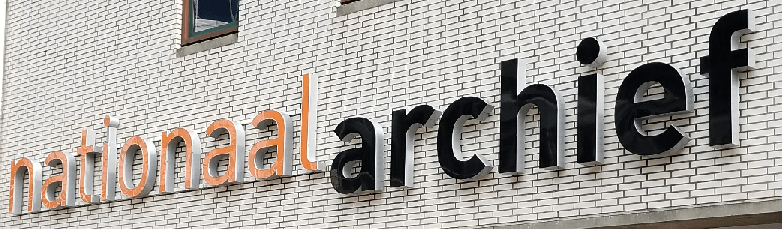
The National Archives of the Netherlands in The Hague.

Two things immediately came to mind when I saw this week’s 52 Ancestors Challenge theme, “Help”. First was the earworm that has resulted in the Beatles’ song bouncing around in my head all day. Second was my friend Nol, who over the years has provided me with an incredible amount of help in researching the Dutch side of my family.

Back in the early days of online research in the 1990s, there wasn’t the variety or depth of resources that we now enjoy today. One source I found said that as of 1996, there were only 10 million users of the internet world-wide. While many libraries, archives, and genealogical societies had begun to stake out a presence, they weren’t yet able to provide the scope of digital materials that are so easily accessible today. It was still often necessary to obtain documents the old-fashioned way, by using the mail. Bulletin boards and Usenet were still a common way of connecting with other genealogists.

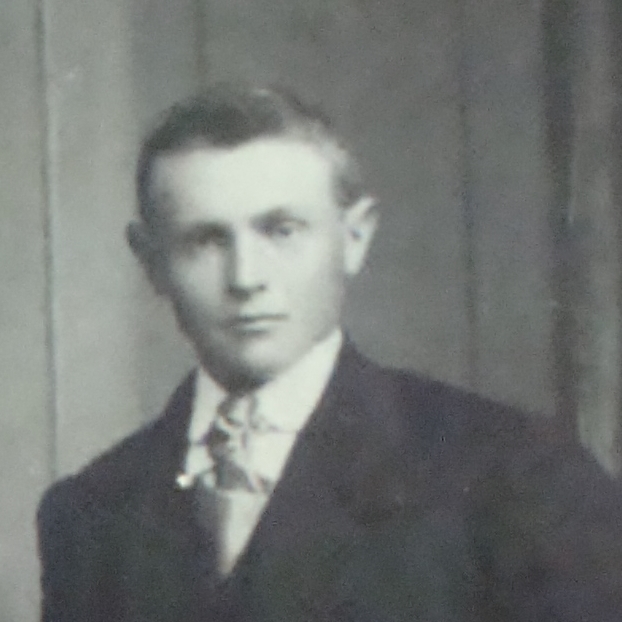
Johannis Albertus van der Fluit (1894 – 1932), the subject of my first query to Nol.

While I know it was sometime in early September 1996, I can’t remember where I first saw the original post I saw by Nol (short for “Arnoldus”), or whether it was a message board or something else. It was just a brief statement saying that he was going into a local archive the next day and asking whether he could look anything up for anyone while he was there. I contacted him and asked him if he’d be willing to look up one name for me, my great grandfather Johannis Albertus van der Fluit.

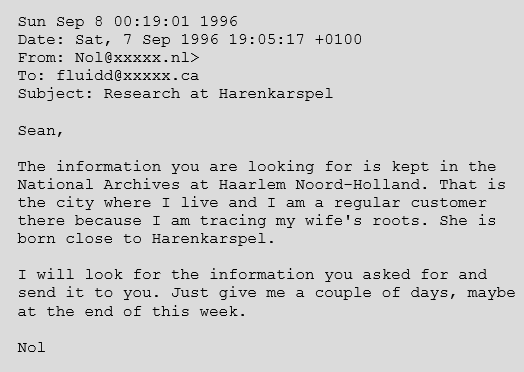
Nol emailed me the next day, telling me that the information I needed was held in the Noord Holland Archives in Haarlem (Noord-Hollands Archief). To my good fortune, Nol lives in Haarlem. He said he would be going into the archive sometime later in the week and he would get back to me.

My first email from Nol after we moved off the message boards. Later in our correspondence, I learned that the family line of Nol’s wife intersected with mine.

Nol followed up less than a week later. Not only had he looked up my great grandfather, but he looked up all four of my father’s paternal great grandparents (my great great grandparents). Furthermore, Nol took it further and looked up several of my great great great grandparents. The email he sent me set out a summary of the birth records for each of them, including the record numbers, dates and places of birth, each person’s parents’ names, the names of the witnesses, and the occupations of the persons named in the records.

While I had some prior knowledge, my early exchanges with Nol provided a significant introduction to the nomenclature with which I am now so familiar, including the types civil institutions and records sources (such as the “Burgerlijke Stand” – civil register), the municipal system of local governance (“gemeente”), population registers, and the Dutch words and phrases associated with genealogical research. So not only has Nol been a mentor in Dutch genealogy, I have often relied upon him as a language coach as I tried to teach myself Dutch. No Duolingo back then!

Over the next two years and over fifty emails, Nol provided me with countless records summaries: births, marriages, and deaths of ancestors and cousins from all over Noord Holland. I still have a copy of each and every one of them. I originally converted each email into a WordPerfect document. Over the years I have updated the format in which they’re saved and made sure that they remain accessible. I still go back to them often. One time several years ago I went through them again, one by one from the beginning, to ensure that I squeezed them for every drop of information I could gather.

The timing during which our paths crossed online resulted in a much longer and deeper relationship than what might have resulted had we met online nowadays. Dutch archives are amazing in how much they’ve scanned and made available online for free. Nowadays, over the course of a week I could probably find scanned online images of everything Nol found for me over that two-year period of in-person archival visits. In fact, over the last many years, I pretty much have found and downloaded digital images of all those records. So while we might still have become acquainted online, I would not have been as reliant on Nol as I might have been in the present.

Unfortunately, I’ve been unable to reciprocate Nol’s incredible kindness. He needs more Canadian relatives! Despite that, what makes me particularly happy is that our connection has evolved into much more of a friendship, particularly given that he and I connected in the early days of Facebook. Our connection has reached a point that I often forget the genealogical origins of our relationship.

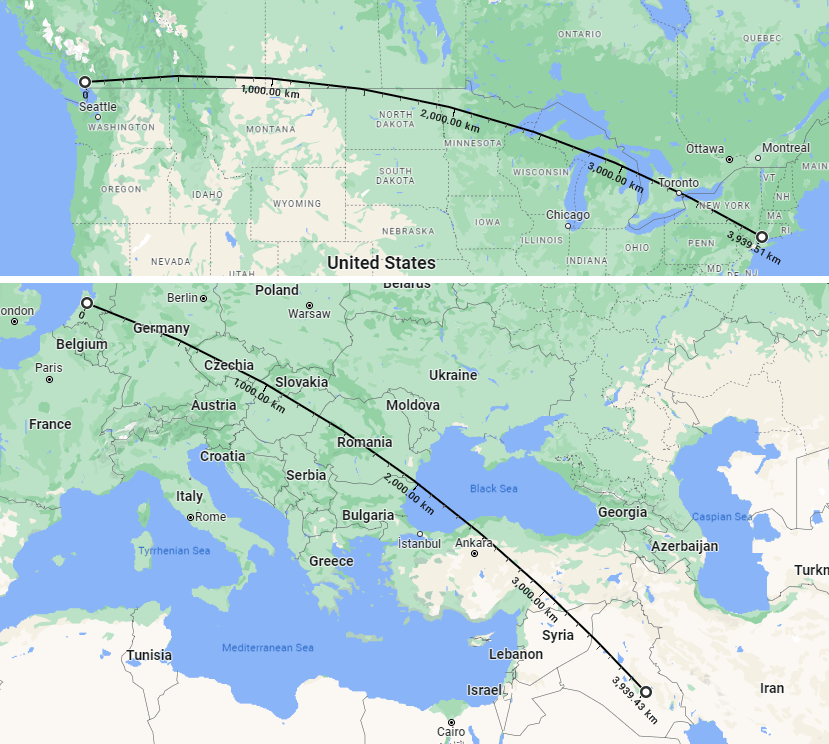
My only regret is that in the 26 years I have known Nol, we have never met in person. Pre-COVID, he often visited the United States, but his travels mainly took him to the east coast. From where I am on the west coast of Canada, the eastern seaboard of the United States is about as far as Baghdad is from Amsterdam. Not exactly a trip down the street. It’s also why I don’t know your cousin in Toronto. 😂

This is why my Dutch relatives and I have such different points of view about long road trips.

I have only been to the Netherlands twice. The first time was before I met Nol. My last trip there occurred in 2017. I had hoped that I could meet Nol at that time, as I was literally going to be in Haarlem during part of my trip. Unfortunately, at the same time I was in the Netherlands, Nol was in the United States. Wat jammer, as you might say in Dutch.

I am still hoping that one day our paths might cross in real life. Nevertheless, I am grateful for all the help, mentoring, and friendship Nol has provided to me over the years. The depth of my gratitude is profound. Dank je wel, Nol!