52W Mark II – Week 21: Brick Wall

This week’s 52 Ancestors challenge is about one of genealogy’s biggest challenges: brick walls. These are the ancestors we can’t get past – we’ve been blocked in our ability to learn more about them or those who came before them. More often than not, brick walls involve ancestors we may have spent years or even decades researching, to no avail.

Who is Annie Pitre?

This week will be a rare foray into my wife’s side of the family. Before doing so, I want to share the brick wall in my ancestry that I’ve been banging up against for decades: my great x3 grandparents, Robert Nelson and Elizabeth Joseph. I’ve been trying to crack these two since the mid-90s. I know a lot about them after they left Ireland, but precious little about before they emigrated. It doesn’t help that this a prime example of a lot of people copying incorrect trees and sharing the information as if it’s correct. It also doesn’t help that my own family – some of them family historians – perpetuate the myths and legends about them that simply aren’t true or are contrary to what little evidence there is.
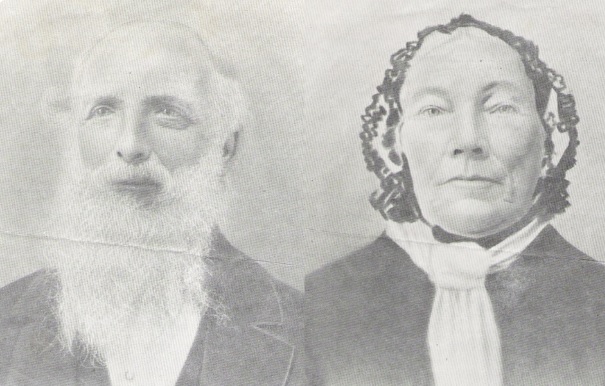
Robert Nelson (1818 – 1902) and Elizabeth Joseph (1818 – 1902)

Turning to my wife’s side of the family, the brick wall I’ve been trying to break down for almost 15 years is that of Ann (“Annie”) Pitre, my children’s great x3 grandmother. I don’t even know if that is her real name, it could be Peters. It’s also likely that her ancestors were Pitre and the name was anglicized somewhere along the way.

One of my prime sources of information about Annie came from my wife’s grandmother, L. Annie was her maternal grandmother. While L would have been 24 when her grandmother passed away, she acknowledged that her recollection of her maternal grandparents may have been inaccurate. L told me that Annie’s surname at birth was Pitre and that she was possibly born in Rustico, Prince Edward Island. Baptism indexes for several of Annie’s children list her surname at birth as “Pitre”, but others provide the surname “Peters”.

Based upon cemetery records, it would seem that Annie was born on March 25, 1857. However, census records are inconsistent regarding Annie’s date of birth. None of them support 1857 as her year of birth:

1881189119011911
Age 29 (b. 1852)Age 38 (b. 1853)Age 45 (born 25 March 1856)Age 56 (born June 1854)

I haven’t been able to find Annie in the 1921 census. The 1931 census will be released in two weeks – hopefully I will find her there.

All four censuses say that Annie was born in PEI. The 1901 and 1911 censuses state Annie was “French”. This is consistent with the fact Rustico had a large Acadian population. This would fit with the possibility Lillian’s grandmother was born in Rustico, where there was a significant French Canadian population. The 1901 census states that Annie’s mother tongue was English and that she was unable to speak French. However, the 1881 census records Annie as “Irish”. The 1891 census had a stroke through the box for “French Canadian”, as does everyone else on the page. The 1891 census notes that Annie’s father was born in PEI but her mother was born in Ireland.
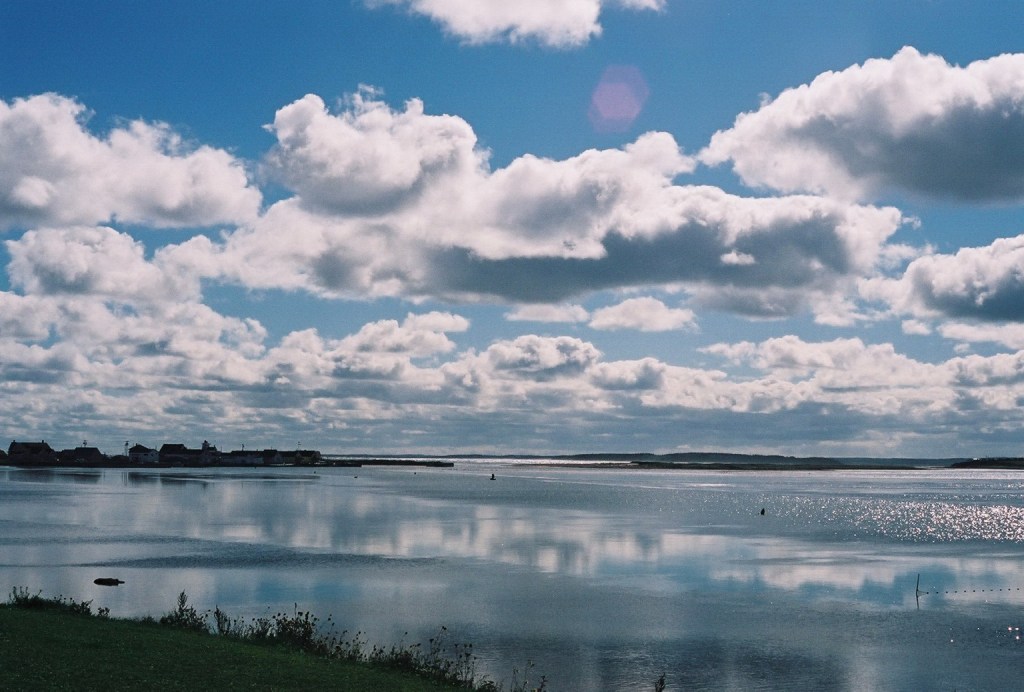
North Rustico Bay, Prince Edward Island

Annie married Patrick McKenna (1839 – 1914) sometime before 1873. I have yet to find any record of the marriage. The most certain facts I have relate to her death and burial.
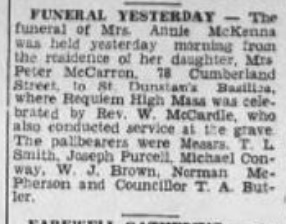
Charlottetown Guardian, January 17, 1941, page 6.

I’ve chased down many trails, gone down many paths, reviewed many records, checked many newspapers, and ordered many inter-library loans, among other things. I’ve even employed my rusty French scouring Acadian-related sources. Luckily, my wife is fluently bilingual and has helped me with those, as has our eldest child, whose French is very good and who is a budding genealogist himself. Many promising leads came to nothing, but hope springs eternal.
52W Mark II – Week 20: Bearded

For the 52 Ancestors Challenge, we’ve gone from Bald to Bearded.

What immediately comes to mind is a comment a cousin of mine made on Facebook quite a while ago. Despite appearances, he is quite the huge heavy metal fan.

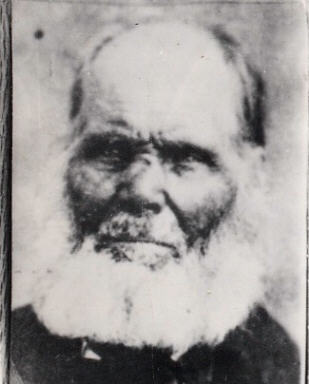
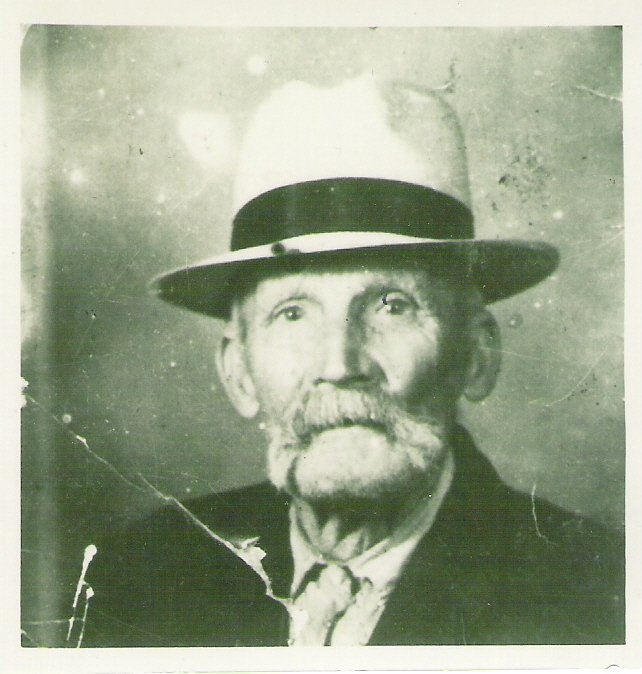
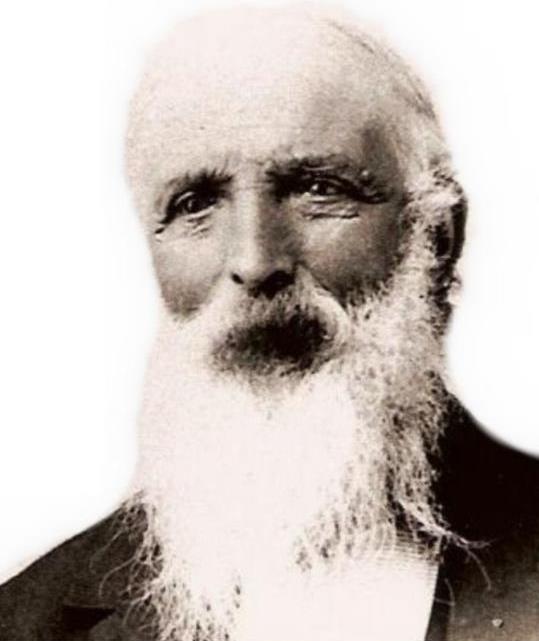
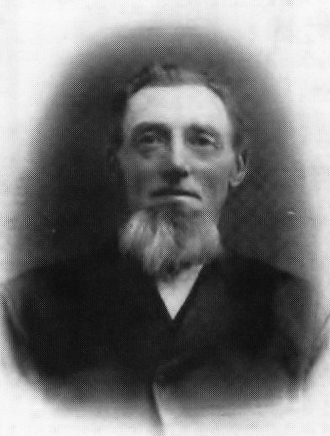
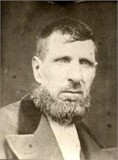
I have family history albums on Facebook, organized by time periods. I uploaded some photos of some 19th and early 20th century ancestors. As was the style for the men at that time, many had a significant amount of facial hair. My cousin’s comment was: “Awesome – those are some pretty metal beards!”

So please enjoy these pretty metal beards (and a mustache).

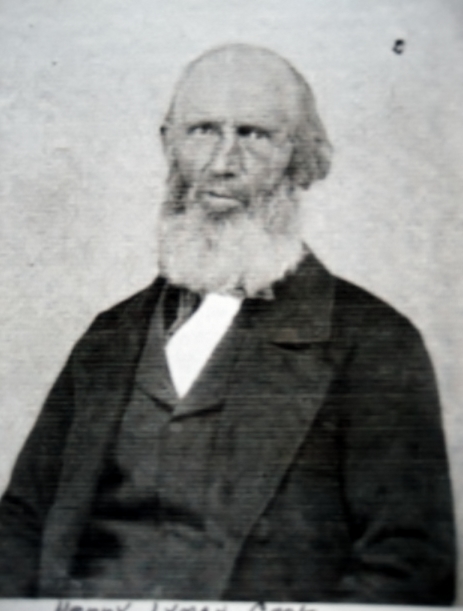
Top Row: Henry Lyman Cook (Gx3 grandfather), William Burgess Jr (Gx3), William Burgess Sr. (Gx4). Bottom Row: John Alexander Nelson (Gx2), Robert Nelson (Gx3), Johannes Jansz “Jan” Pater (Gx2).

52W Mark II – Week 19: Bald

Leo Burgess, about 1947

I know the topic of “Bald” should lead me to write about my follicly-challenged ancestors. However, the opposite thought immediately came to mind when I saw this weeks theme, brining to mind my very not-bald maternal grandfather, Leo Burgess.

My grandpa Burgess had a full head of hair until he died at age 75. In fact, his hair was jet black for most of his life and did not start to grey until late in life. Ever since my earliest memories of him, he always had the same hair style. Now and again my mother tells an anecdote about her father based upon that fact.

Me with my grandparents, Helen Lerner and Leo Burgess

Like most high schoolers, my mother followed the latest trends in hair styles. My grandfather was often away from home for days at a time in his job as a train conductor. During one of those absences, my mother changed her hairstyle once again.

Leo Burgess, October 1971

Upon returning home and seeing my mother’s new do, my very blue-collared grandfather was not impressed. He could be very gruff and stern at times and it was often reflected in his tone of voice. According to my mother, her father asked something along the lines of “what the heck is that”, although I imagine it was a little more harsh than that.

My mother shot back with, “well, what do you call that?”, pointing to his hair. My grandfather abruptly changed his demeanour and a very proud look came across his face. In an almost sing-song voice, patting his hair with the heel of his hand, he exclaimed, “it’s a pompadour!”

Leo Burgess, sometime in the mid to late 80s.

52W Mark II – Week 18: Pets

For Week 11 of the 2022 52 Ancestors Challenge, the theme was “Flowers”. However, I chose to change the topic to “Pets”, not realizing that would be the theme a year later. So here I am, stuck with little to say on the topic of pets. At most, I could write about my Aunt Diana (again!), who dearly loved her cats. Nevertheless, since I turned “Flowers” into “Pets” last year, it seems I should turn “Pets” into “Flowers” this year.

My paternal grandfather, Arie van der Fluit, was an avid gardener. He and my grandmother lived in a number of different places over the years, and at every one of them my grandfather had some sort of garden or greenhouse. Even when he lived in a condominium tower, he somehow managed to turn permission to have a small kennel in an unused area of the main floor – about the size of a banquet hall – into a menagerie of all kinds of animals, along with all kinds of potted plants throughout the place.

At one home, he tore out the grass in the front yard and replaced it with flower beds. He only left strips of grass so that he had a place to walk between the blooms while tending to them.

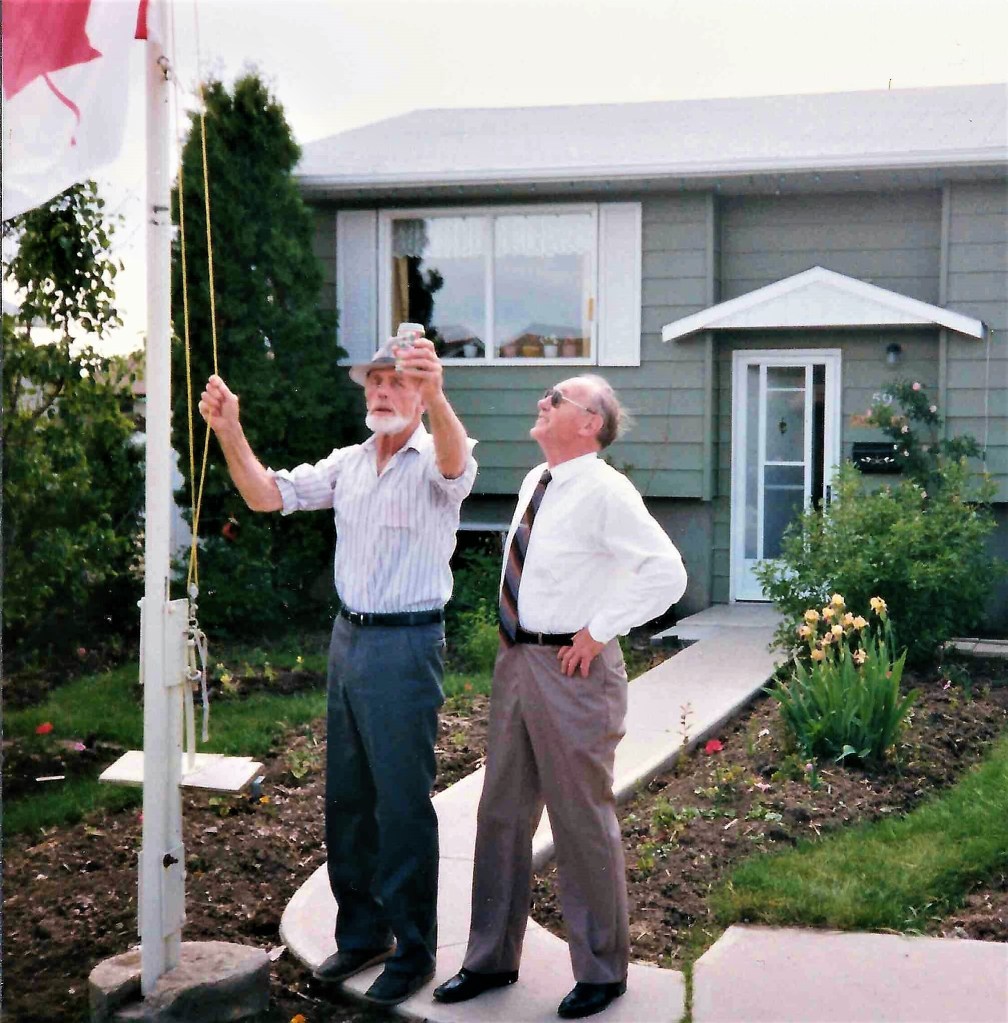
On the left, my grandfather’s younger brother, Jaap van der Fluit, with my grandfather on the right. This was taken in 1992, while my great uncle was visiting from the Netherlands. This was taken before my grandfather had fully transitioned the front yard into flowerbeds.

My grandfather was less physically able to garden in the final years of his life, yet he did not let his health problems keep him from the two things he loved most, gardening and training dogs. He put more of his available energy into the dogs, erecting an impressive obstacle course that he used to put them through their paces. He also built a small windmill in his front yard – which generated enough electricity to operate an outdoor lamp. What energy and ability my grandfather had left for gardening he put largely into potted plants. They were easier to tend to.

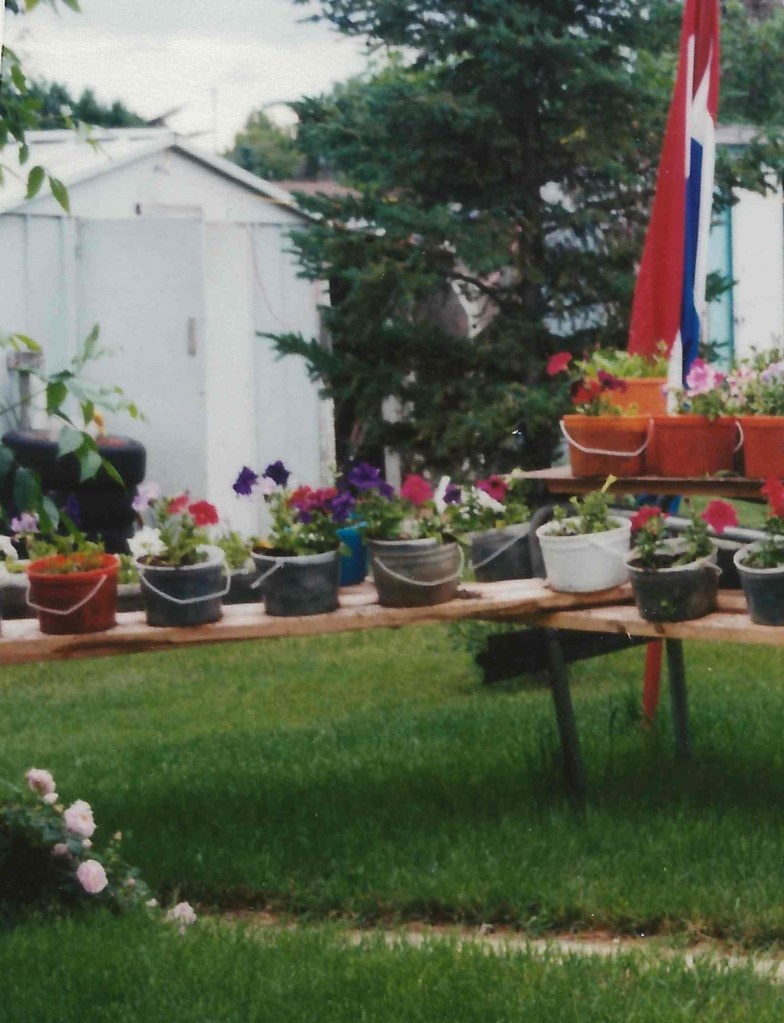
My grandfather’s last “garden”. You can see flags of Canada and the Netherlands that he always had wherever he lived.