52 Weeks – Week 39: Road Trip

If I do the 52 Ancestors Challenge again next year – which I’d like to do – it might serve me well at the start of the year to look ahead to see the full list of 52 themes. As I mentioned last week, many times this year something I’ve written about in the past fits into any number of subsequent weekly themes. For this week’s theme of “Road Trip”, the genealogy road trip that comes to mind is one I did with my mother to south-west Saskatchewan, to where my grandmother was born. Unfortunately, I’ve written about that here not once, but twice. The other road trip that comes to mind I wrote about two weeks ago.

Part of the problem is that I haven’t been on a lot of genealogy road trips. It’s not easy doing one from where I live. Western Canada, where much of my immediate and extended family lives, is a big place.
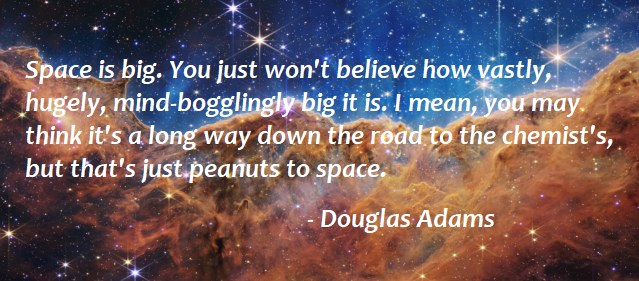
Okay, maybe Canada isn’t that big…

For my grandparents’ 40th wedding anniversary, we drove from Terrace in northern British Columbia to Lethbridge in southern Alberta. We thought nothing of it, it was only one province away, only a 17-hour drive. Our relatives from the Netherlands were gobsmacked. They pointed out that we had driven the distance from Amsterdam to the border of the then still-extant Soviet Union. Needless to say, it’s even further to travel to the homelands of my great grandparents, even those who lived in the United States. Utah is a two-day drive from here.

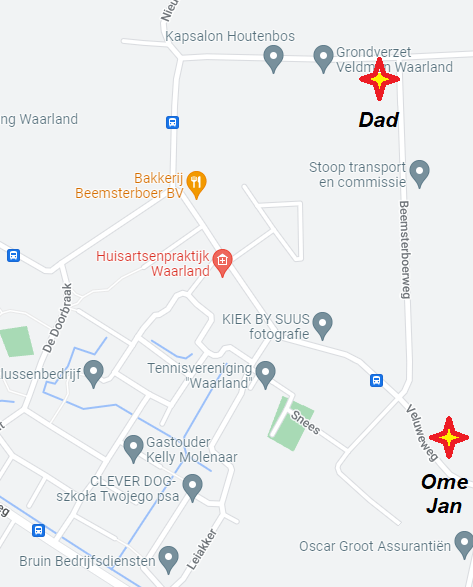
Despite the massive distances, the road trip I have decided to write about was only 600 meters long. I’ve done the trip twice, the first time by bicycle and the second by car. However, I had to fly from the west coast of North America to the west coast of Europe to do it.
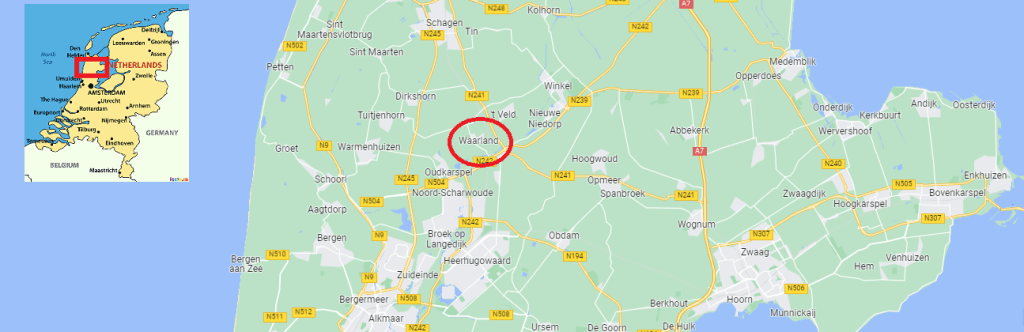
Waarland’s location in the Netherlands
Waarland, NH

My father was born in Waarland, North Holland. Today it is part of Gemeente Schagen (Municipality of Schagen), but when my father was born it was part of Gemeente Harenkarspel. The Dutch seem to like reorganizing their municipalities, so a village or town can end up in various different gemeenten over time.

The first time I visited the Netherlands, we stayed with one of my grandmother’s sisters and her husband, Tante Anny and Ome Nic, who lived in the adjacent gemeente of Langedijk (which, as of January 1 of this year, is now part of Dijk en Waard). On one of my last days with them, Ome Nic and I went for a bicycle ride from Langedijk to Waarland, to meet my grandfather’s (van der Fluit) side of the family.

We started at the home of my grandfather’s oldest brother and his wife, Ome Jan and Tante Marie. They lived in the house where Jan and my grandfather were both born. Almost immediately due north of their house was the house where my father was born.

Several of Jan and Marie’s children (my dad’s cousins) and grandchildren were there for our visit. What really struck me was how different the Dutch was that they spoke. I had no idea what anyone was saying. Even my Ome Nic seemed to find their Dutch hard to follow.
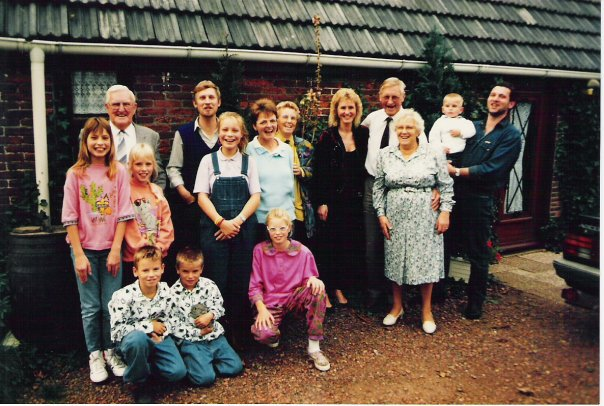
At the house where my grandfather and his brother were born. It was odd meeting so many people who vaguely looked familiar. The children are all my second cousins, two of whom looked almost exactly like two of my siblings.

One of those cousins, Pieter, took me on a short bike ride up the road to the house where my dad was born. Not only that, he knew the current owner, so we were able to go inside. That was incredibly special.
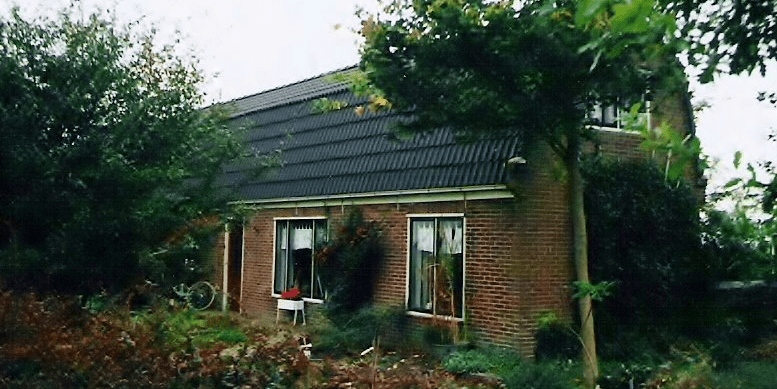
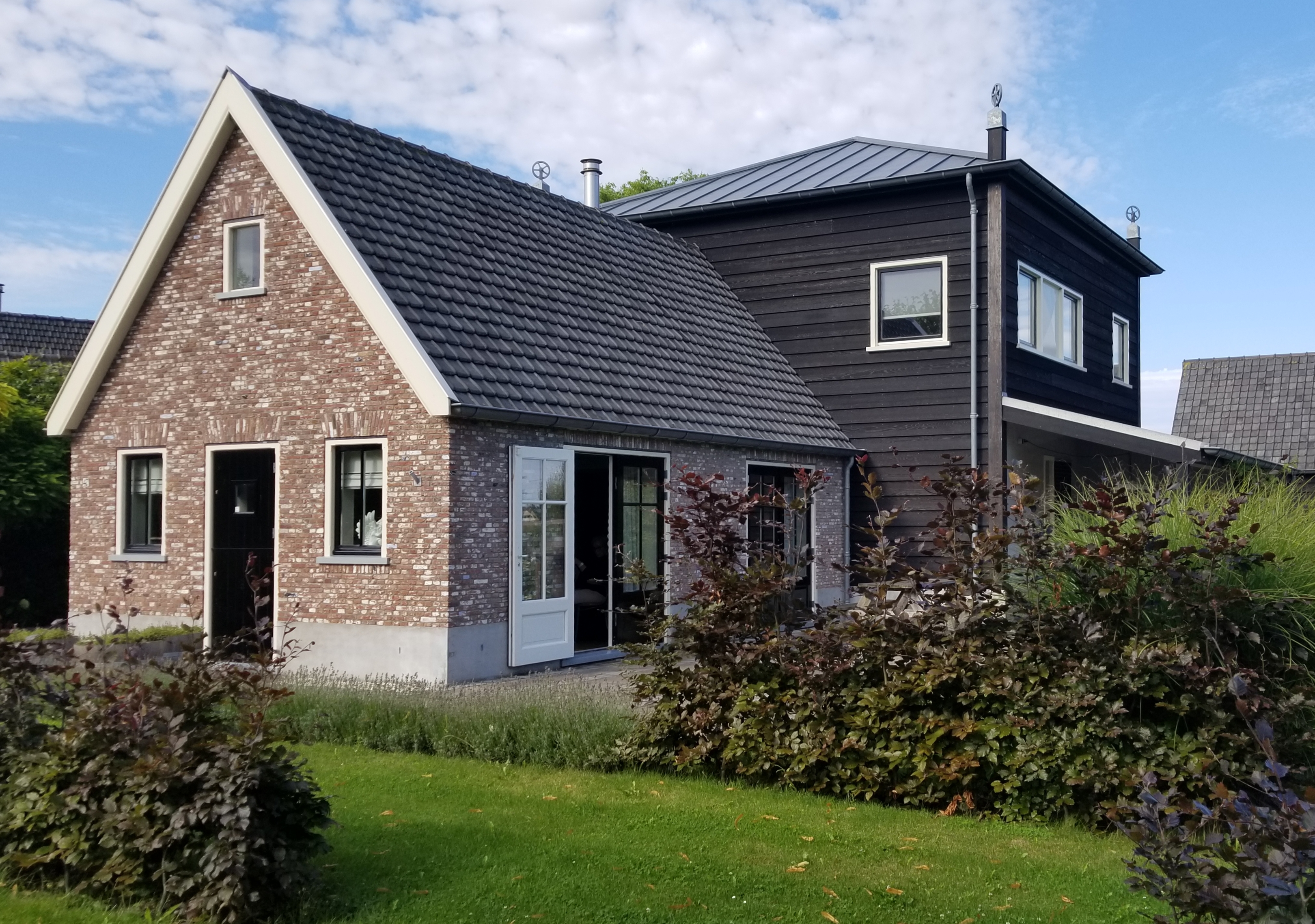
The house where my father was born, the first time I visited Waarland

Five years ago, I had the opportunity to go to the Netherlands at a time my parents were also visiting. I had always wanted to go to the Netherlands with my father. It was an incredible experience. Of course, one of the days of our visit had to include a trip into Waarland.
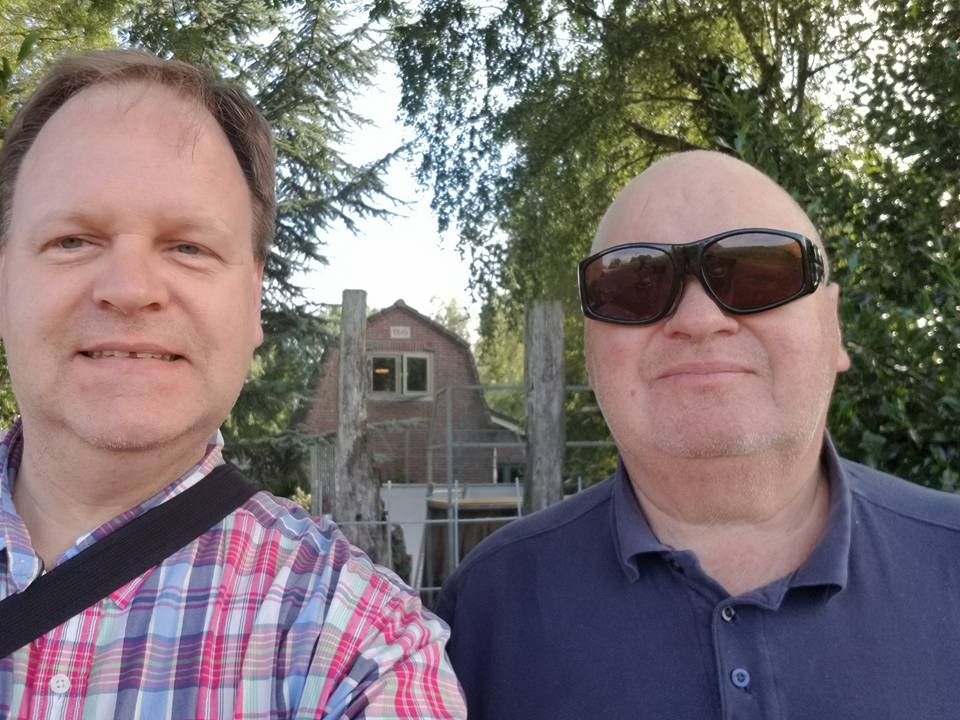
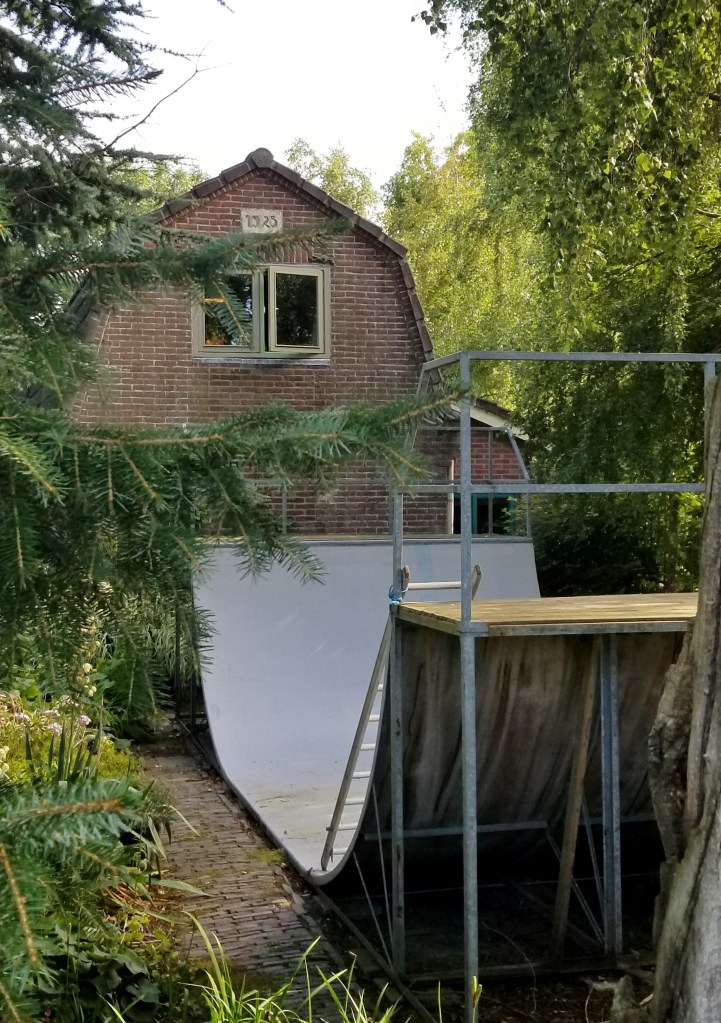
With my father outside the house here he was born. He’s more than happy to say, yes, he was born in a barn.

We started at the house where he was born. It looked as if the place had not been well maintained by its current owners, although I had to tease my father by asking him whether he remembered the skateboard halfpipe in the back yard.

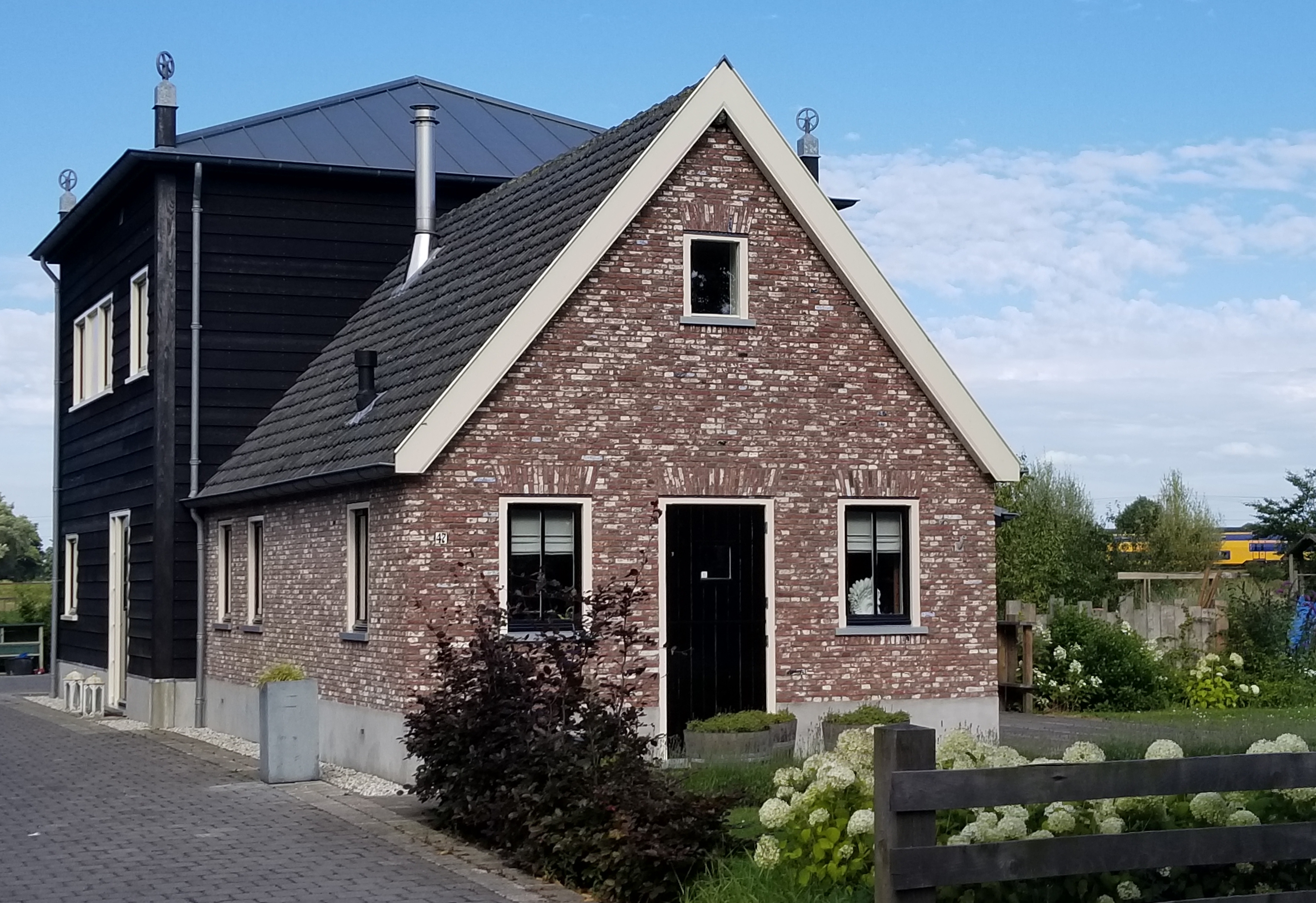
We then made our way to Ome Jan’s and Tante Marie’s house. Ome Jan had passed away in 2011 and Tante Marie died in 2013, so the house had a new owner. In fact, it was an entirely new house. The old one had been demolished, but the new one that replaced it looked almost identical.
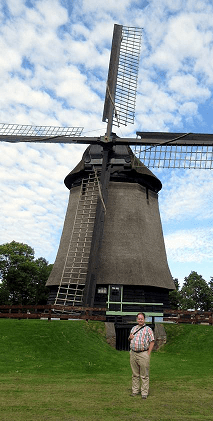
During the recent-most trip to Waarland, I also got to go by the church where my father was baptized. Unfortunately, there wasn’t time to go inside. As well, we stopped by a 450-year-old windmill that has been a museum since 1920.
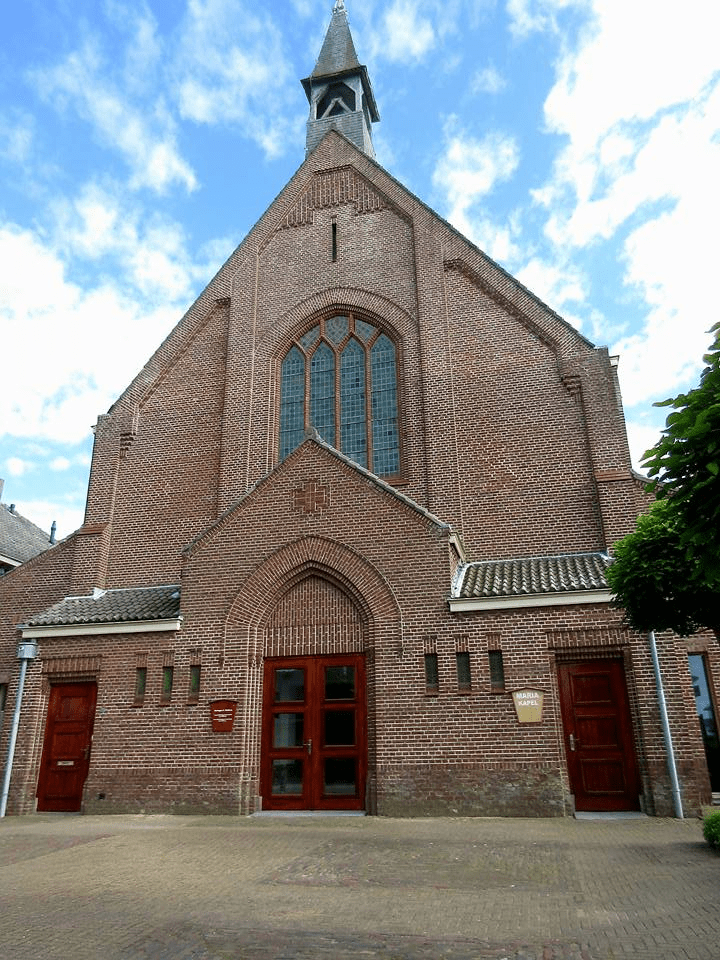
H. Wulfram Kerk in Waarland
Poldermolen Waarland. Hangin’ out, more than a metre below sea level, as you do.

52 Weeks – Week 15: How Do You Spell That?

How Do You Get “Vanderfluit” From “Goeman”?

Week 15 of the 52 Ancestors Challenge!

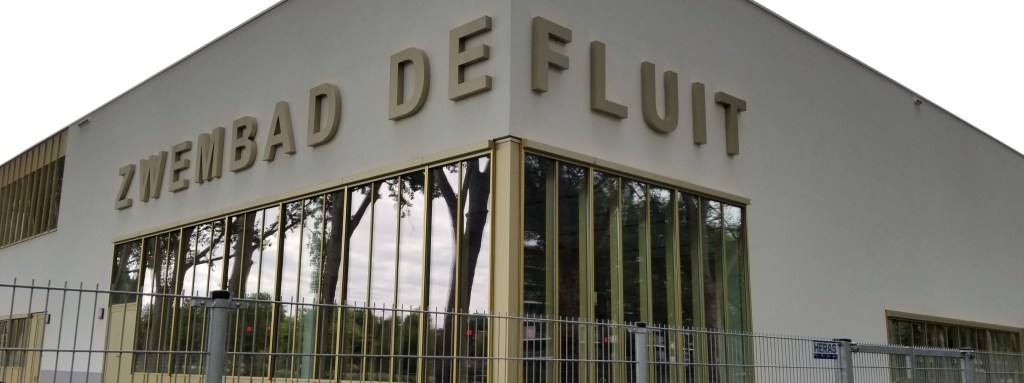
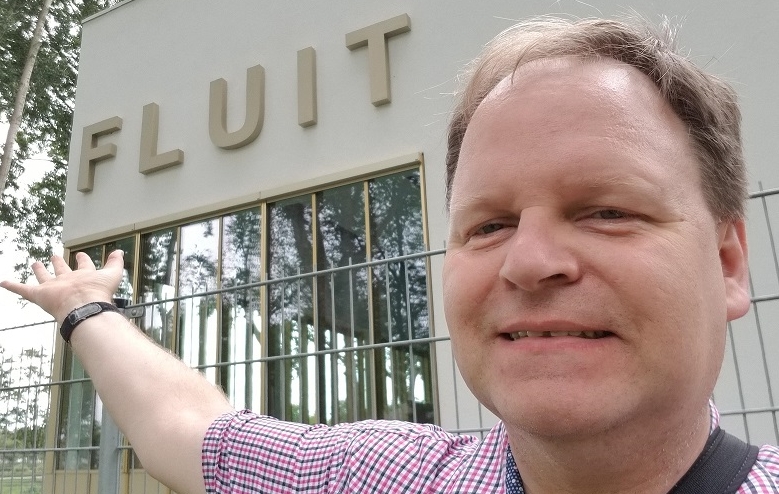
A swimming pool with my name on it, located on Fluitpolderplein in Leidschendam, Zuid Holland. I thought this would be of interest to one of my sisters, who has practically lived in a swimming pool since childhood.

When I was in elementary school, the principal always asked me if I was Belgian. One day I asked my mom why he kept asking that. “Because you have a Dutch last name”, she answered.

That was no help.

While I had already started working on my family tree, and knew that my dad was Dutch, I had no idea that surnames had any ethnic or cultural significance. We lived in a small prairie town with lots of Ukrainian and Francophone surnames, all of which seemed to be unintelligible jumbles of letters. I included my surname in that regard, as it too seemed to be a meaningless concoction of letters. I had no idea that they had meanings in other languages. To add to my confusion, at the time I thought that they only spoke French in Belgium. I had not yet learned that more than half the country spoke Dutch.

Like many surnames, mine has undergone many changes over the generations: van der Fleuyt, van der Fluijt, van der Fluit, and for many of us in Canada, Vanderfluit. For a while people would misspell my name as Vander Fluit, following the pattern used by a prominent Dutch-Canadian politician in British Columbia named Bill Vander Zalm. In addition, in the Netherlands, the tussenvoegsel (the “van der” part) is often disregarded when sorting names alphabetically, such as for a directory. You might also see it abbreviated as “vdFluit”.

Before proceeding further, there is a myth to address. For Dutch genealogy, it’s one that’s as common as the one that would have you believe that immigration officials changed your surname at Ellis Island: people in what is now the Netherlands did not have a surname until forced to do so by Napoleon in 1811. On the contrary, while some people did not have one, surnames were common in many places well before 1811, although in some provinces patronymics and farm names prevailed until that time. Every branch of the Dutch side of my family tree that I have traced into the 18th century had well-established hereditary surnames by that time. The big change that occurred in 1811 was mandatory civil registration, requiring everyone to register a fixed surname.

That said, my direct ancestors tried out a few surnames for size before settling on the general “v d F”. My great x10 grandfather, who was likely born in the 16th century, does not appear to have a hereditary surname. Rather, his name – Dirck Jansz – is suggestive of a patronymic (“Jansz” = “Jan’s son”). Dirck and his wife, Maritgen, had at least two sons. The elder son, Jan, adopted the surname “Sieren”, which he passed on to his children. The younger son, my great x9 grandfather Johannes, adopted the surname “Goeman” or “Goetman”, which he passed on to all his children. I like to think that I am descended from John Goodman.

However, one of Johannes’s sons, Pieter, chose not to retain the surname his father bestowed upon him. Notarial and judicial records show a number of land transactions showing that Pieter was using the surname “van der Fleuyt” by the end of the 1660s. A land transaction after Pieter died involving some of his sons and his second wife used the surname van der Fleuyt.

So how did the name “Fleuyt” originate?

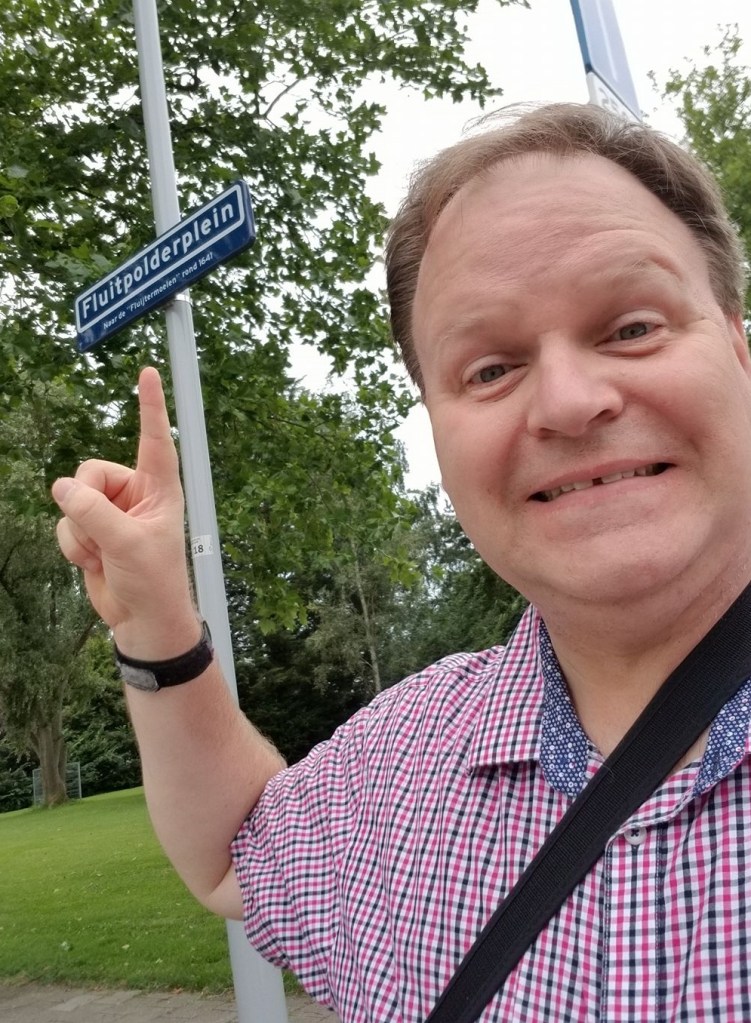
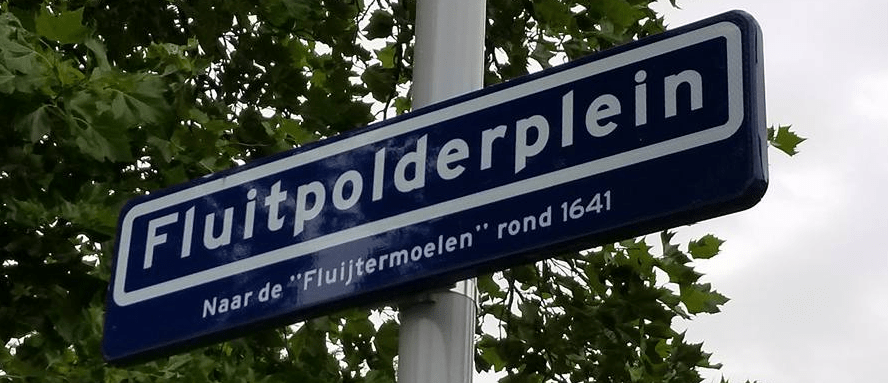
There is a street in Leidschendam, Zuid Holland named Fluitpolderplein, in an area that was a once a separate village called Veur. The website for the municipality of Leidschendam-Voorburg used to have information about all the street names in the community. It is no longer on the municipal website, but it is still accessible through the Wayback Machine/Internet Archive. The old municipal website provides this explanation, which I have translated from the Dutch:

The square and adjacent street between Prinsensingel, Noordsingel, de Amstelweg, and de Graaf Willem de Rijkelaan is called Fluitpolderplein. This was decided in 1970. But where does the “fluit” in “Fluit Polder” come from anyway? According to a historian of Veur, Hendrik Brouwer Schut, it may have something to do with the whistle of the grinding mills, or possibly the “fluitenkruid” (“cow parsley” or “Queen Anne’s lace” in English). [The Dutch name of the plant refers to the fact a flute or whistle can be made from the stem.] However, there may be a better explanation. In 1648 a large part of the territory of the polder already belonged to a certain Jan Dirckxz, who also went by the name “Fluijt”.

According to the street sign for Fluitpolderplein, the polder was located alongside the “Fluijtermolen” (Fluit Windmill), which was built around 1641. So the question I have is: what was named first, and for what? Were the windmill and polder named for Jan Dirckxz, or the other way around? Was the whistle the sound of the mill or the wind through the foliage?

With the next generation, the name became “van der Fluijt”. The spelling remained that way until the time of my great x3 or x4 grandfathers, Dirk and Pieter. Interestingly, that was around the time of mandatory civil registration. I have not yet found a “naamsaanneming” (“name taking”) record for the name that would have been completed at the time of mandatory civil registration. However, given that the family had used the surname for generations, it is unlikely that Pieter had to register. I also note that the change in spelling coincided with Pieter’s curious move from South Holland to North Holland. The family he left behind continued with the “Fluijt” spelling.

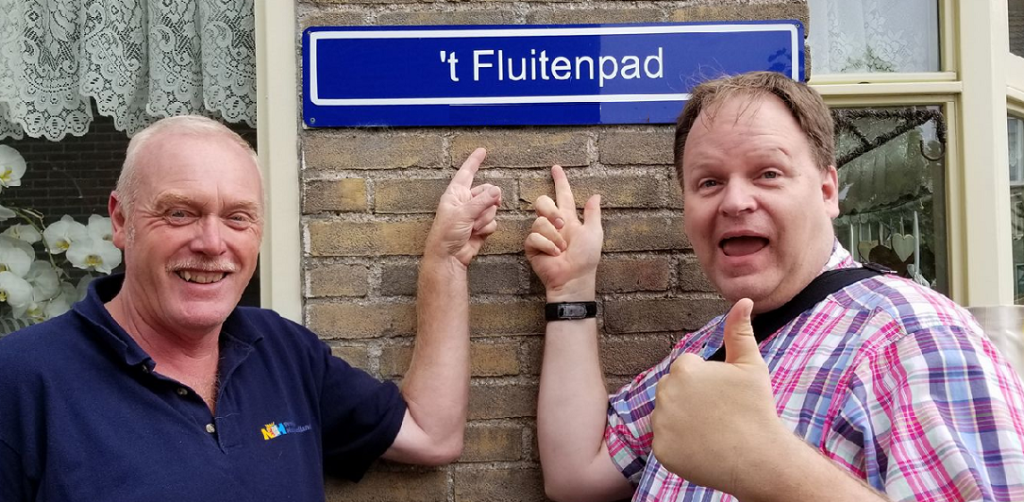
Visiting my cousin in the Netherlands, whose house is on “‘t Fluitnpad”. Which is actually the name he gave his driveway. In English, it says “The Fluit Path”.

When my grandparents came to Canada with my father and his sisters, they initially used the traditional Dutch spelling, with lower case letters for the tussenvoegsel and the spaces in between. Over time, the name came to be Canadianized, with it written as one word with a capital “V”. However, the spelling remained fluid for many years.

As for me, both my first name and surname pose problems and are frequently misspelled and mispronounced. Many of my relatives in the Netherlands have difficultly pronouncing my clearly not Dutch first name, with the alien “sh” sound at the beginning. To be fair, I find the Dutch pronunciation of my surname difficult, as the “ui” sound in Dutch doesn’t quite exist in English. In fact, I never heard it pronounced in proper Dutch until I started university and had a Dutch-Canadian history professor who used it my first day of class. What I find mindboggling is how my name is continuously misspelled by people who have only ever seen it in writing. I have a fun collection of the most amusing misspellings I gathered from correspondence I received in the course of the job I had many years ago.

Ta dah!

I have to say, it is both really cool and very strange to visit a place where people can spell your surname without asking or being corrected.

52 Weeks – Week Twelve

Joined Together

Twelve weeks of genealogy, my true love gave to me: the theme “Joined Together” for the 52 Ancestors Challenge. Rather than a lot of discussion, I thought this week I’d post photos of some of the couples whose unions ultimately resulted in…me!

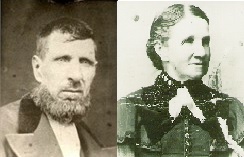
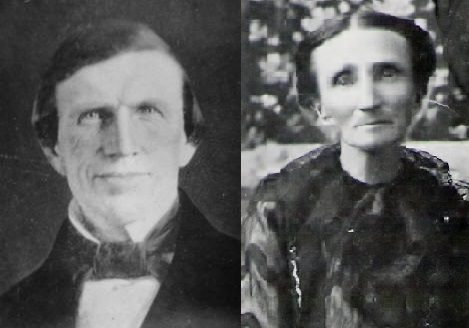
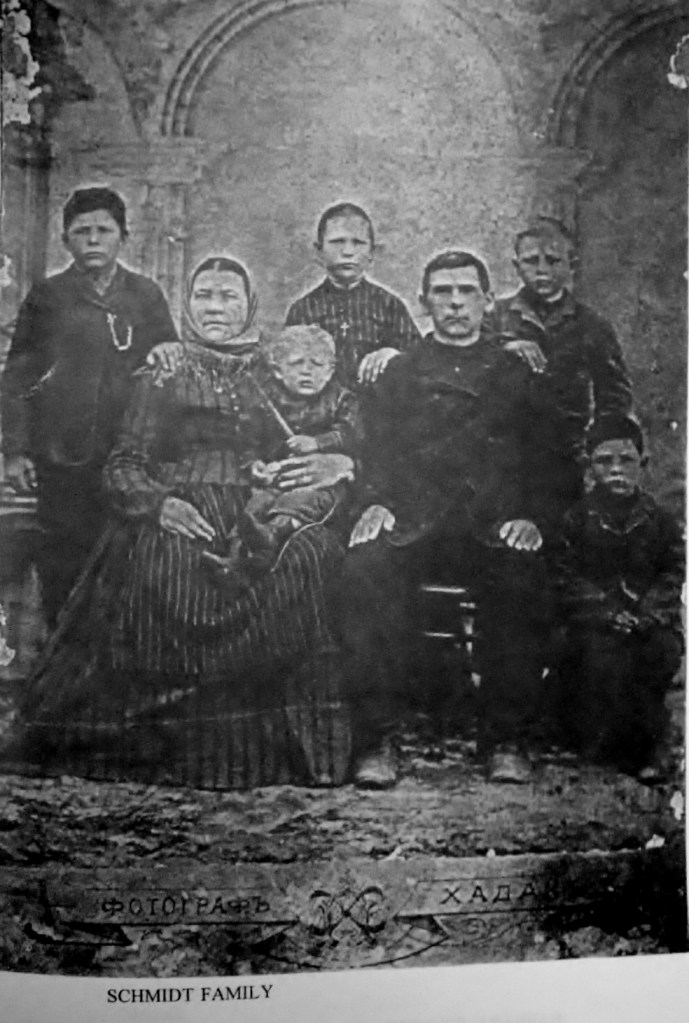
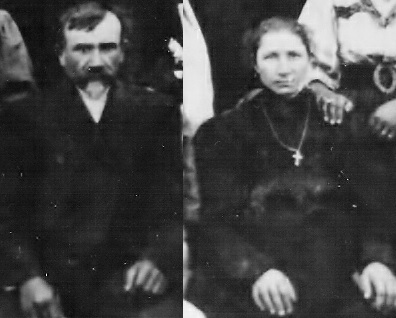
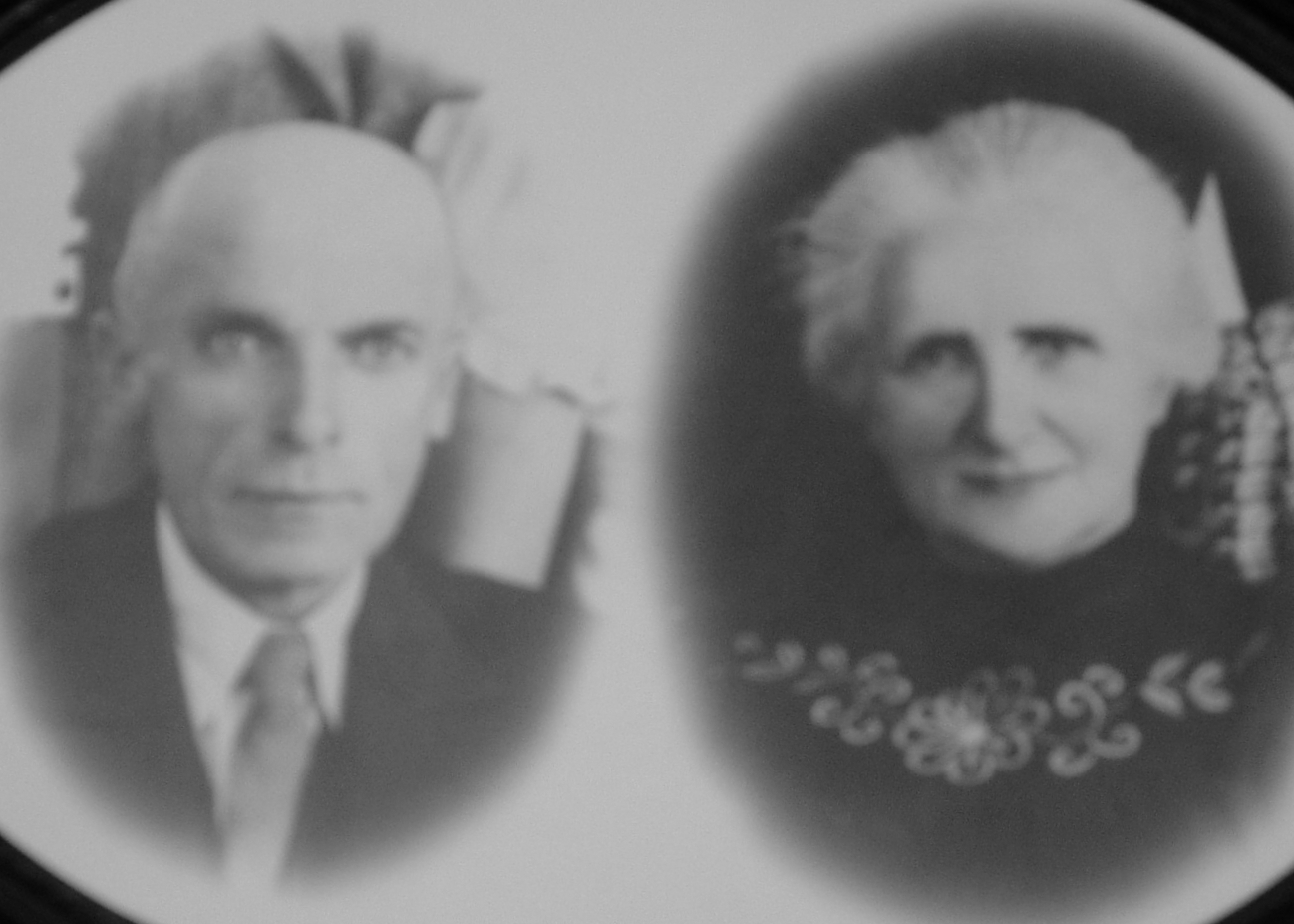
While I have photos of other (great) grandparents, I will only post for those of whom I have the pair. First, my maternal great great great grandparents.

Valentine Schmidt (1839 – ?)
Margaretha “Regina” Boechler (? – ?)

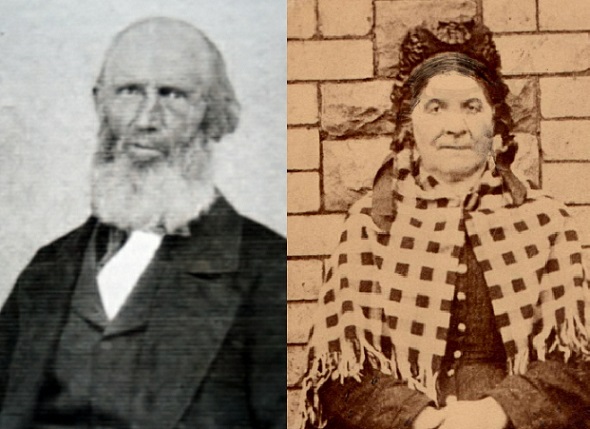
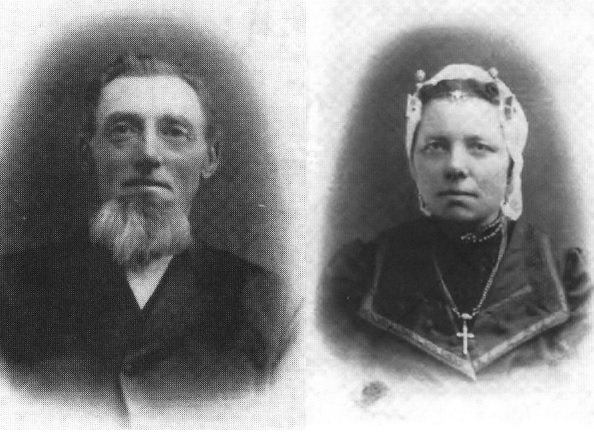
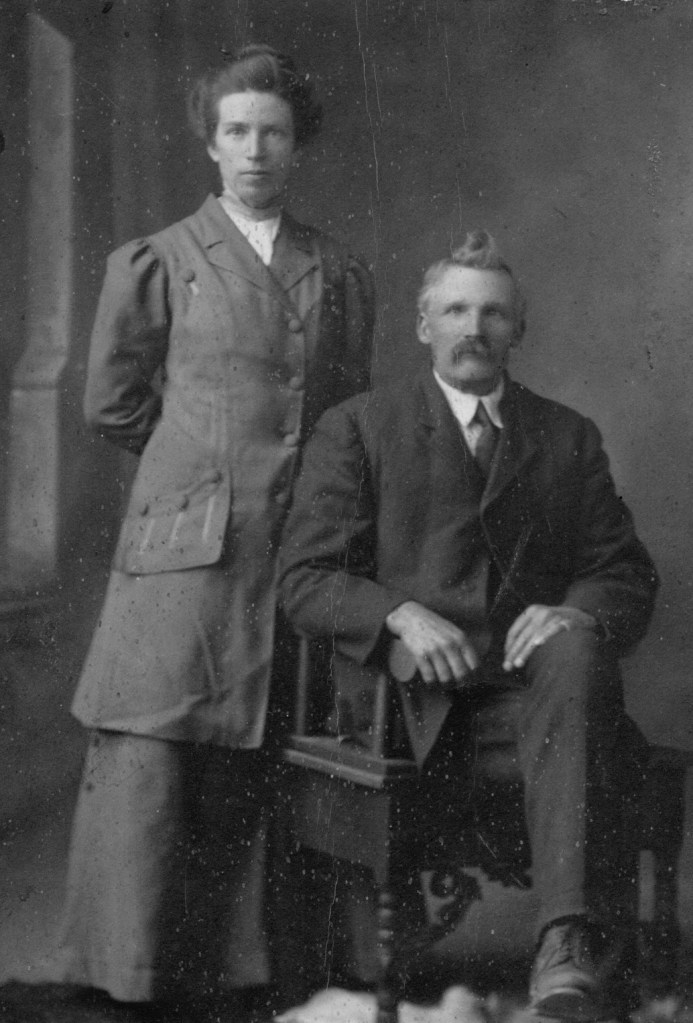
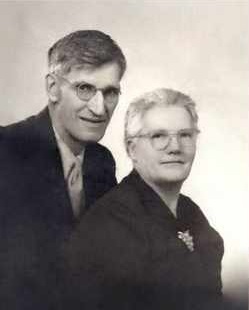
Next, for my great great grandparents on my father’s side, I only have photos for one pair. These are my grandfather’s grandparents.

Johannes Jansz “Jan” Pater (1862 – 1935)
Ariaantje Jacobs “Adriana” Bleeker (1865 – 1929)

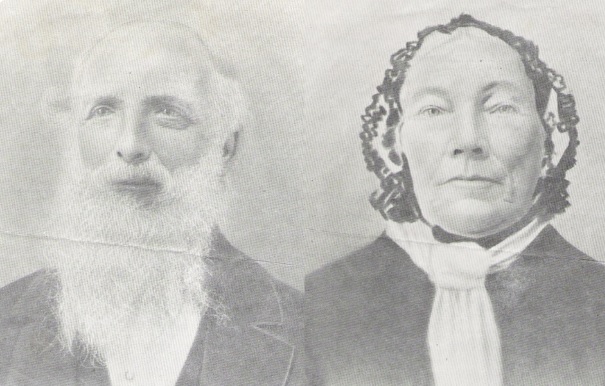
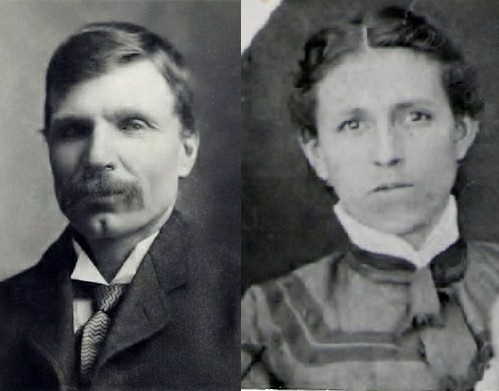
I have photos of all my maternal great great grandparents.

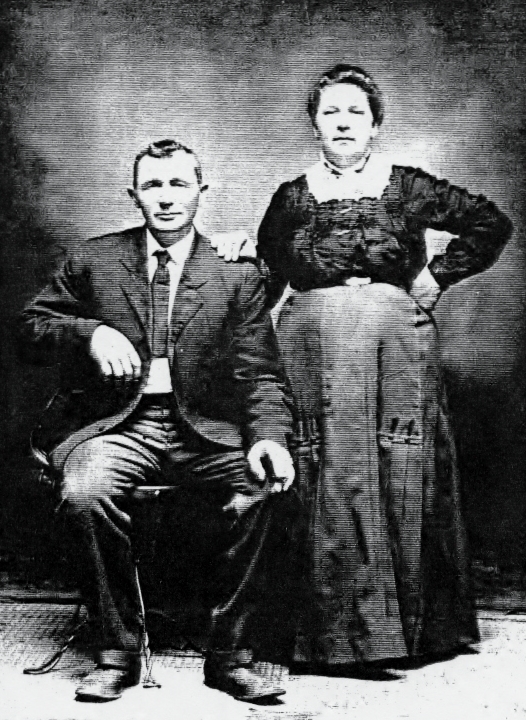
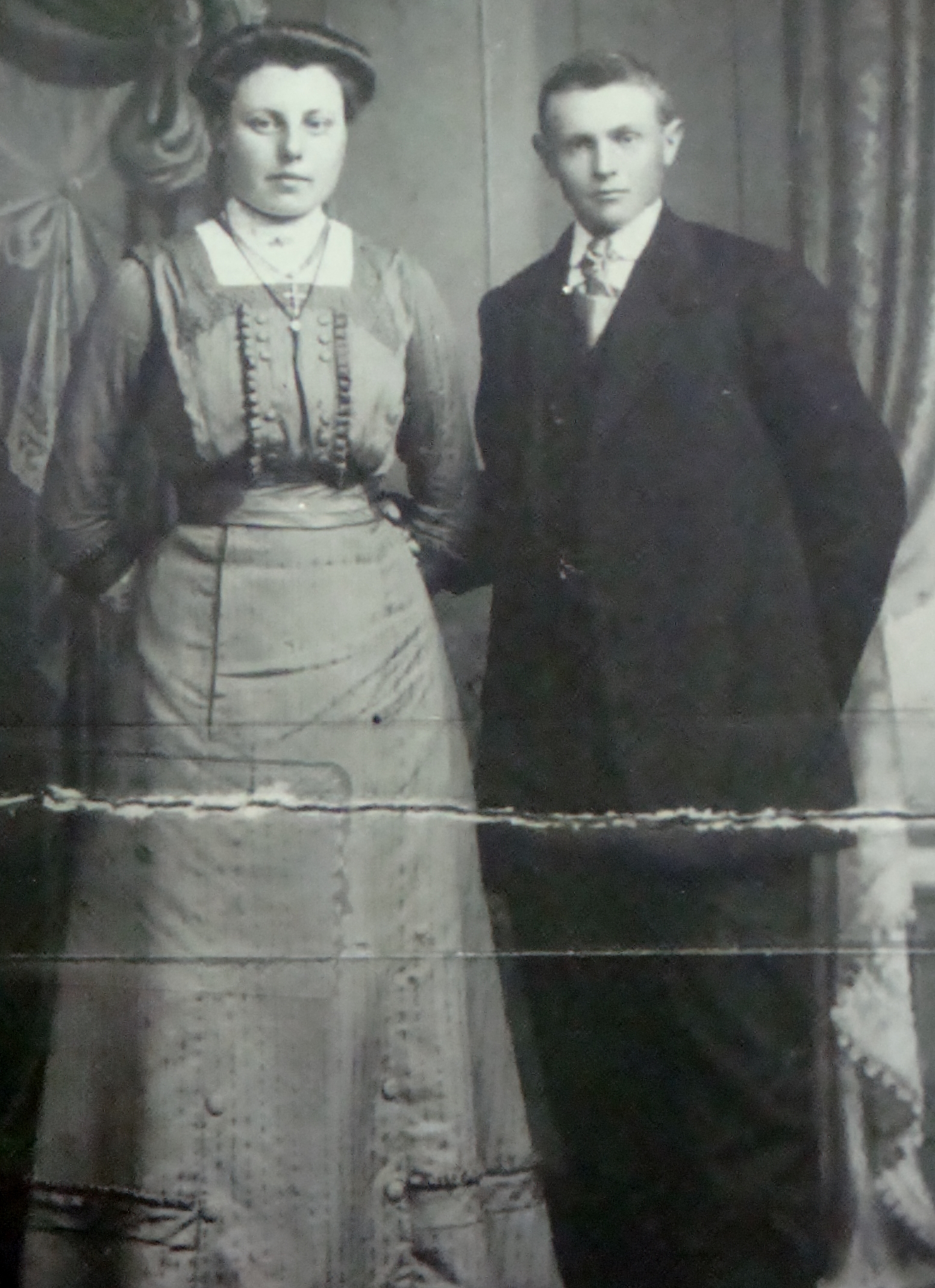
On to my great grandparents. I have photos for all of them.

Theresia “Teetje” Pater (1894 – 1947)
Johannis Albertus van der Fluit (1894 – 1932)
Adrianus Komen (1888 – 1948)
Elizabeth Bakker (1888 – 1976)
Milton Leo Burgess (1891 – 1964)
Hazel Nelson (1899 – 1967)
Heronimus “Jerome” Lerner (1895 – 1954)
Emelia Anton (1903 – 1997)

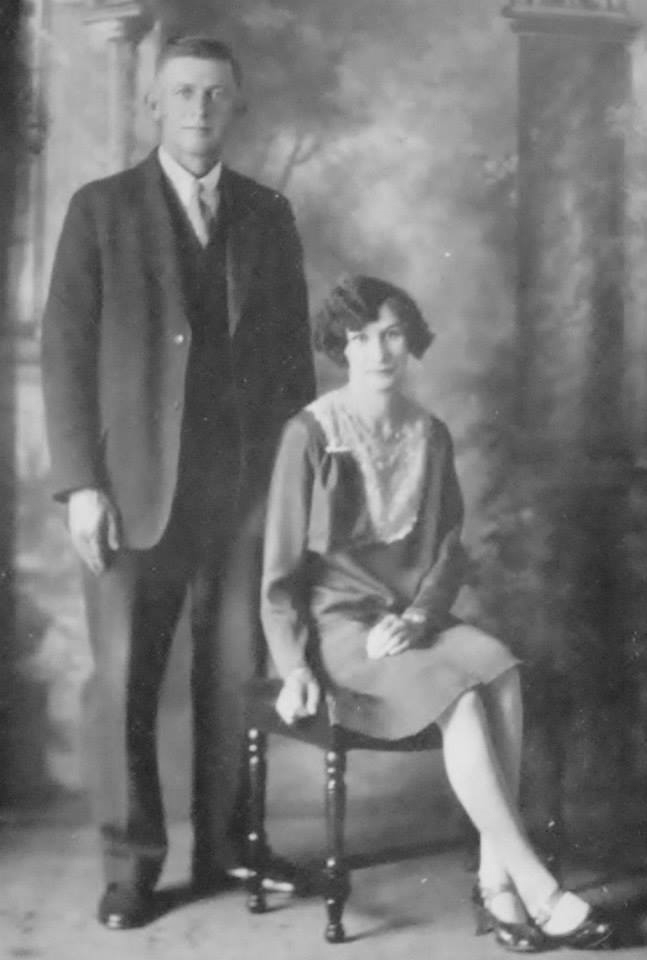
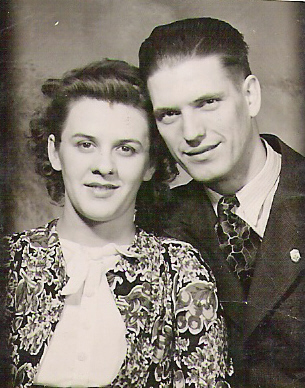
My paternal grandparents.

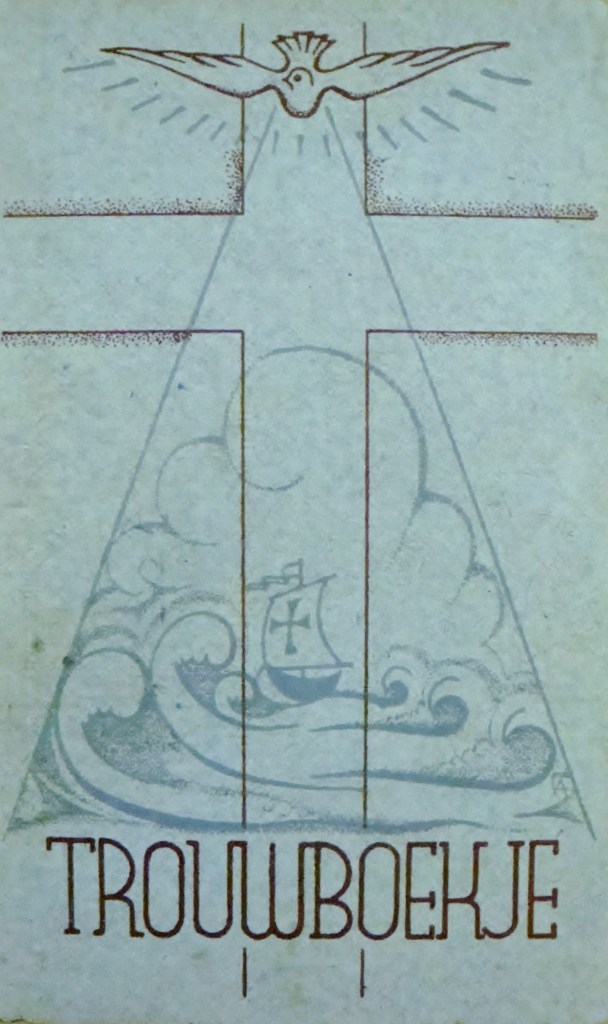
Trouwboekje” means “marriage booklet” in Dutch. In the Netherlands, only a civil marriage is legally valid. A church ceremony can take place afterward, but is not recognized by the state. The registry office would issue one to a couple at they time they were married. They typically include an extract of the marriage registration. While they can vary from one municipality to another, a trouwboekje usually will include space for the birth information of the couple, as well as for the children of the marriage. They can also include information about religious matters, such as information about the church wedding and baptisms of the couple and their children.

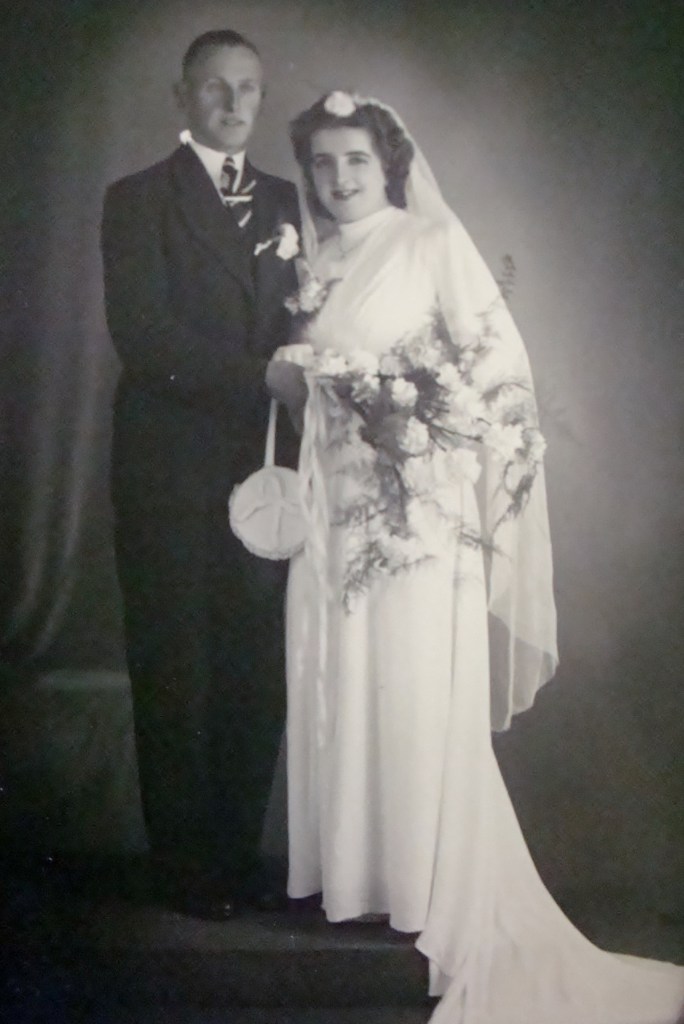
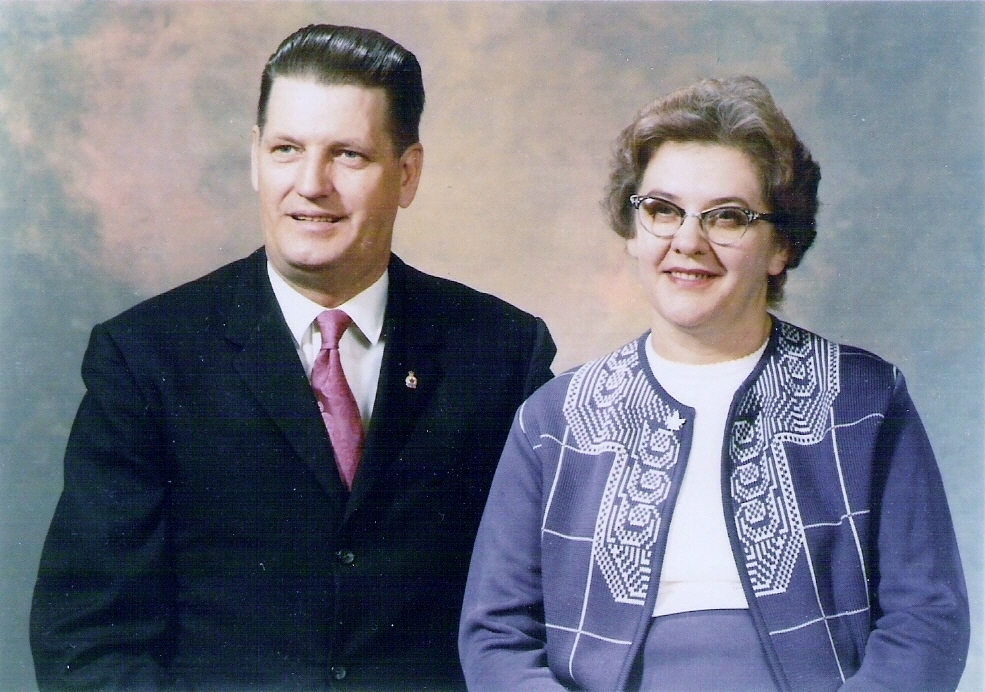
My maternal grandparents.

Leo Cleveland Burgess (1920- 1995)
Helen Lerner (1921 – 1984)
October 1971
Helen and Leo around 1947.

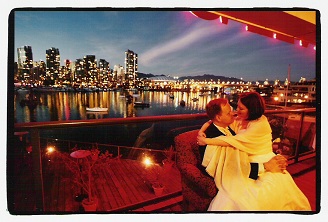
My parents. Married crazy young by current standards and still together, modelling what a great marriage should be.

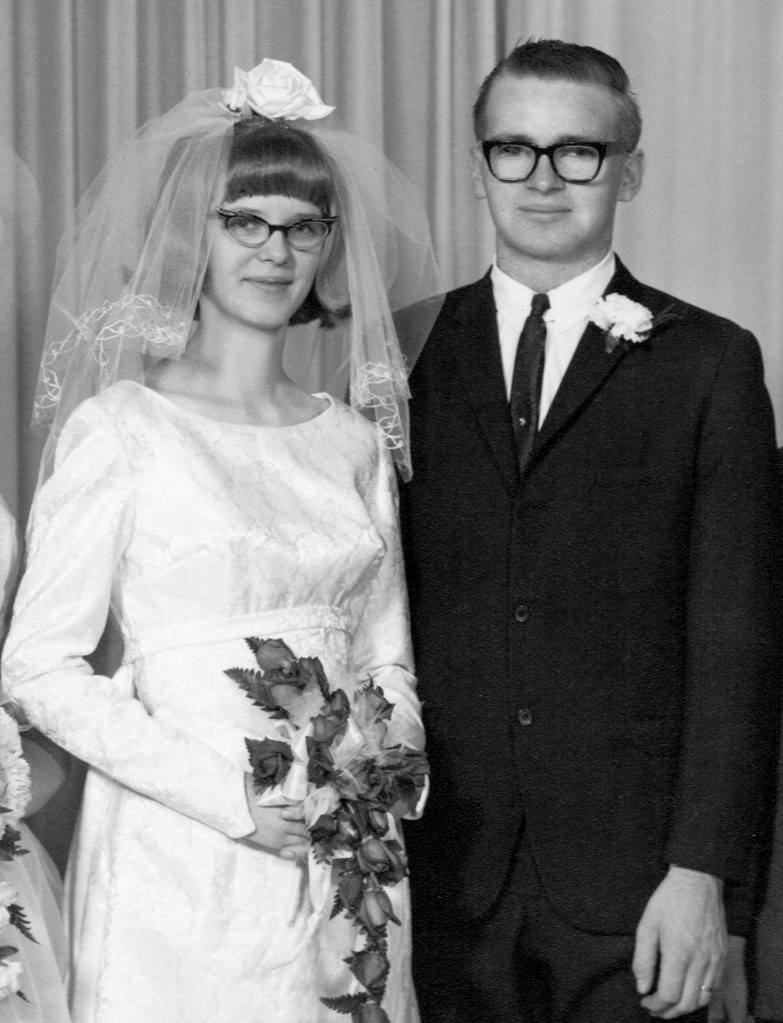
And then there’s mine.

52 Weeks – Week Eleven

Flowers – Sort Of…

I have to admit, I found little inspiration this week’s theme for the 52 Ancestors Challenge. My eldest suggested that I write about my Mayflower ancestor, but it’s not really a topic that speaks to me. While I know it’s a goal for many to find Mayflower ancestors, it wasn’t mine. I was underwhelmed and, somehow, strangely disappointed when I discovered I had a Mayflower ancestor.

As for literal flowers, from a family history point of view, I will acknowledge that when I think about it, they do remind me of each of my grandfathers.

My maternal grandfather, Leo Burgess, had a garden that took up most of half his back yard. While he might have grown other things, my strongest memory is that every year he planted mostly potatoes. One year, when I was little, there was a bee shortage. My grandfather spent many hours going from flower to flower of each potato plant, dabbing them gently with a small paintbrush to pollenate them.

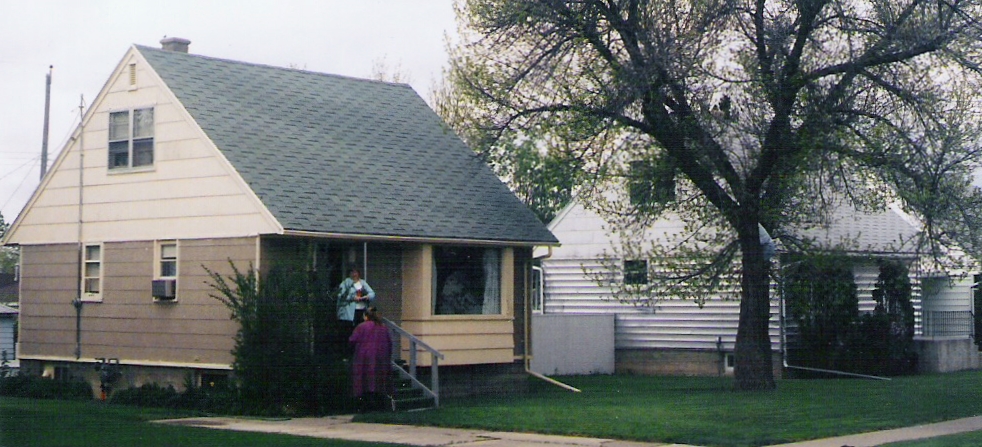
My maternal grandparents’ home in Lethbridge, Alberta. The potato garden was in the back, along the eastern half of the back yard. I took this in May 1995, after my grandfather passed away. You can see my mother and aunt Diana at the front door. We had gone in to sort through my grandfather’s things.
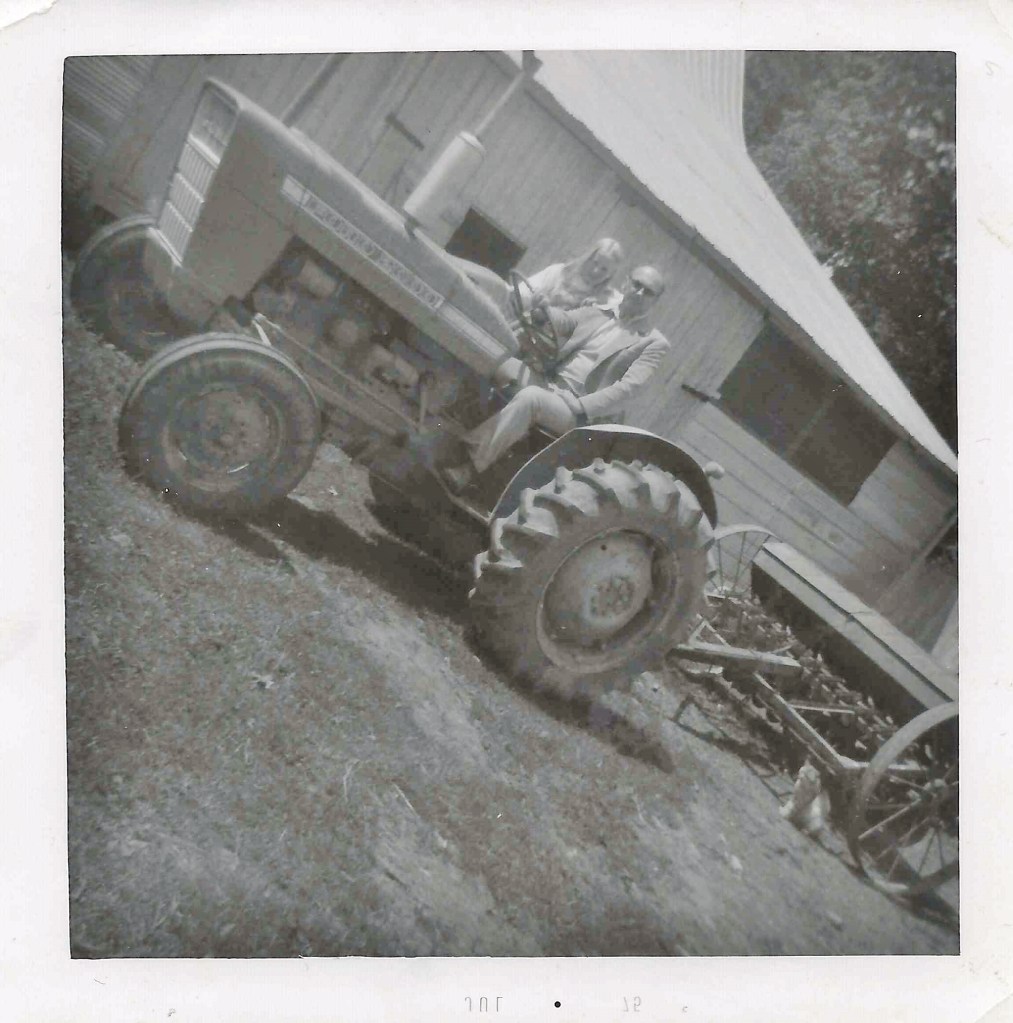
Not the house where my grandfather Vanderfluit turned the front yard into a flower garden. This was in the 1960s, when he still did farm work.

My paternal grandfather, Adrianus “Arie” van der Fluit, was an avid gardener. In his retirement, he removed all the grass from his front yard and replaced it with flower beds.

While there are photos of each of my grandfather’s gardens, I don’t happen to have any handy. However, while looking, I came across photos of my paternal grandfather showing him with something that I associate more strongly with him than flowers – dogs.

My grandfather in Lethbridge, Alberta with Sheba, in the late 1960s or early 1970s.
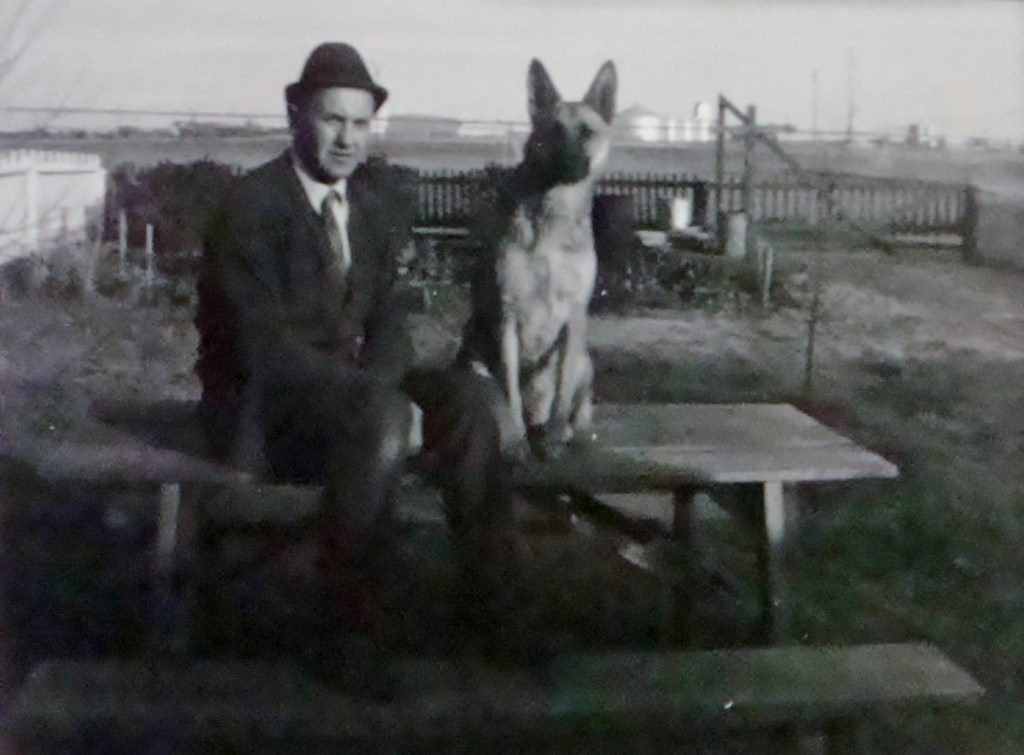
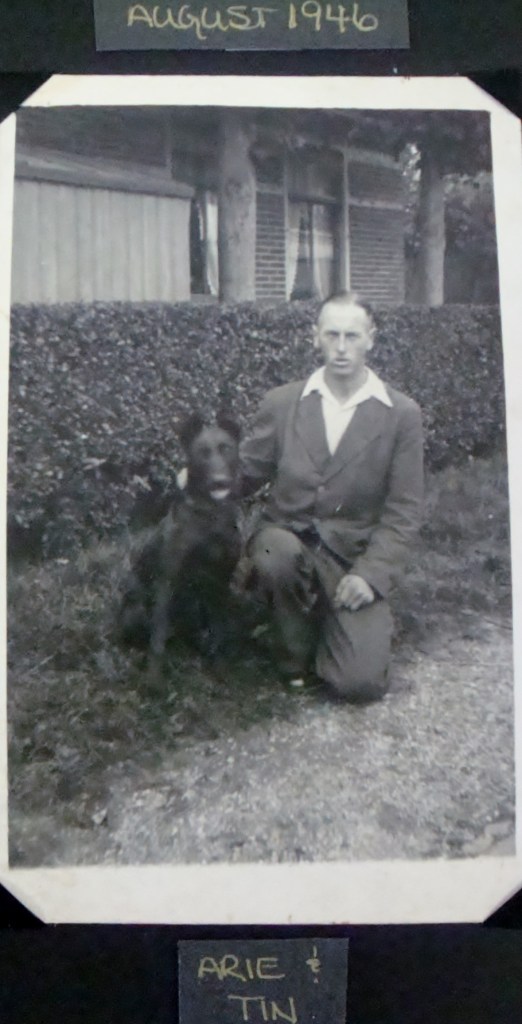
My grandfather in the Netherlands, a few months before he married my grandmother.

My grandfather started training dogs at a young age, when he was still in the Netherlands. It was something he continued to do after coming to Canada. In the 50s or 60s he even trained dogs for the police. As long as I can remember, my grandfather always had at least one dog, usually a German shepherd. My favourite was Sheba, the first dog of his that I’m able to remember.

In my lifetime, my grandfather always had German shepherds until I was in my mid to late 20s. Around that time he and my grandmother moved into an apartment. They were near the top floor. One day my mother told me that he had gotten a Bouvier. I had never heard of the breed before. From the sound of the name and because my grandfather had moved into an apartment, I figured it was some sort of small or toy breed.

Imagine my surprise when I first visited my grandfather after he acquired the dog and I saw how huge it was. My grandfather had turned the entire balcony – which was quite large – into a kennel. They lived next to a huge park, which was helpful. However, my grandfather quickly found more space for the dog. The building was largely unfinished at the ground level with large windows, balcony-style doors, and lots of natural light. My grandfather got permission to house the dog in there. Given the inch, he soon had a menagerie down there – along with many planters of flowers.

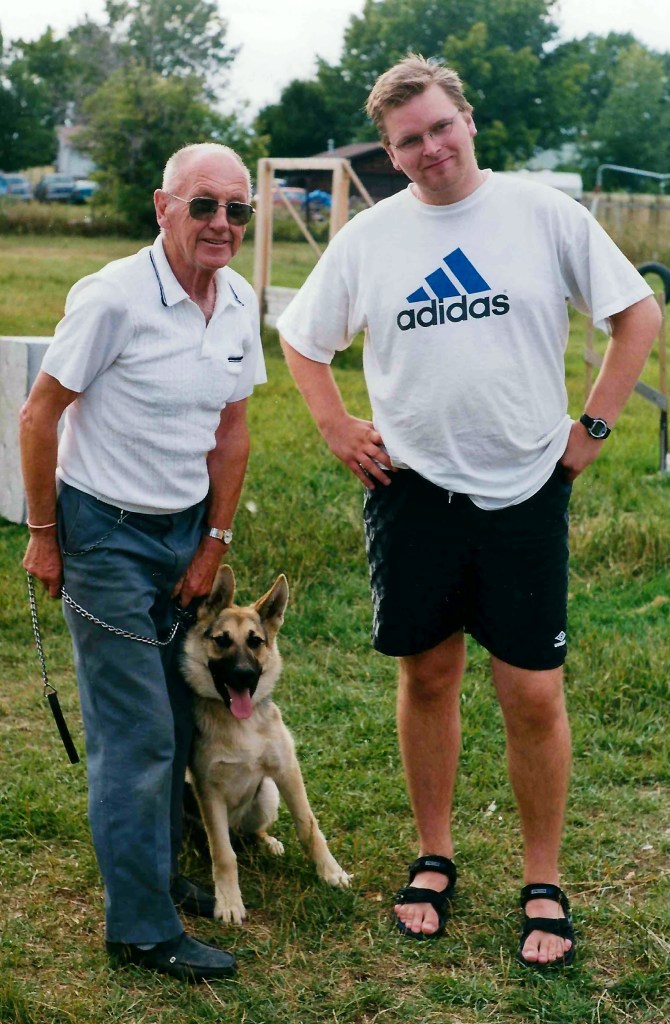
My grandparents later moved into a house in a small farm town. It had a huge back yard for dogs. My grandfather set up a huge obstacle course for them. He kept training dogs – even after losing his foot due to complications associated with diabetes – until he passed away at age 79. The last time I visited my grandfather before he passed away, he showed me his latest dog, putting it through its paces along the course. Doggone it, I was impressed, both with the dog’s training and with the fact my grandfather was still able to do what he loved, despite his age and health.

My grandfather in Raymond, Alberta, in September 1999, age 76, with Dekker, along with my brother Trevor.