52 Weeks – Week 36: Exploration

Looking back over past posts, I have come to realize that writing this blog as part of the 52 Ancestors Challenge has been an exercise in exploration. I also realized that I have written a lot about exploration, both my own and my ancestors’. In this post, I will be recounting my exploration of Cardston, Alberta in 2015, when I visited my great aunt Fon Hogg (née Burgess) and her husband Dave. Aunt Fon, who passed away in early 2021, was my maternal grandfather’s youngest sister and a dedicated genealogist.
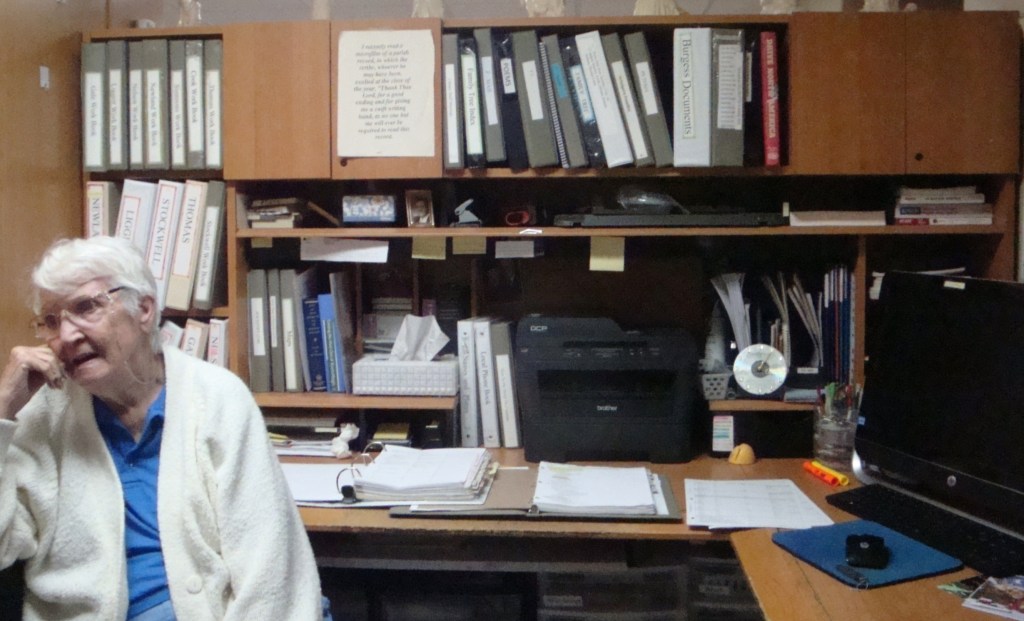
My aunt Fon in her amazing home office, which was primarily dedicated to genealogy and crafting.

I don’t often get the opportunity to visit ancestral homelands, so I was excited to undertake my adventure. One of the goals of my visit was to learn more about my great great grandparents – Aunt Fon’s grandparents – John Alexander Nelson and Ella Elizabeth Thomas. They were amongst the earliest settlers of Cardston, which was founded in 1887 by members of the Latter Day Saints (Mormons). John and Ella were both born in Utah a few short years after it became a territory of the United States.
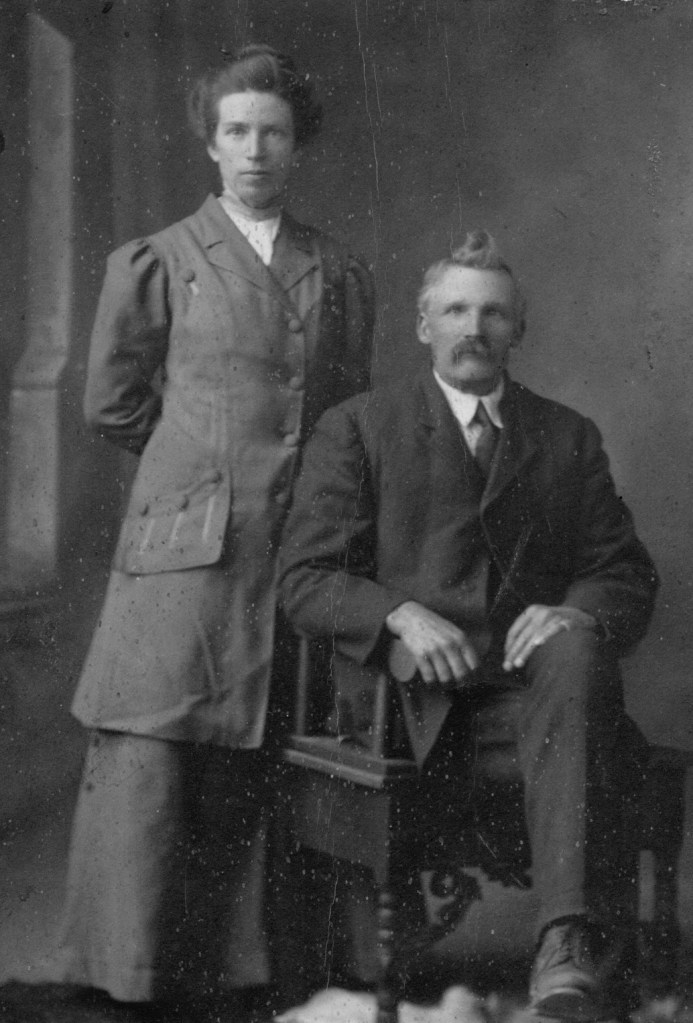
Ella Elizabeth Thomas (1859 – 1941)
John Alexander Nelson (1854 – 1942)

John was born in 1854 to Irish immigrant parents. Ella was born in 1859. Her father was originally from North Carolina and her mother was from England. John had worked as a farm labourer in Utah before he married. John and Ella married in Salt Lake City in 1879. Shortly afterwards, John and Ella moved to Smithfield, Utah, where John continued to work in farming.

John and Ella came to Canada in September 1890. John and Ella had five children at the time. The family travelled to Canada by covered wagon. Their eldest daughter, Maria, said that she often drove the wagon team while her father managed the cattle. The family first settled in a sod dugout at “Lee’s Creek”, west of Cardston. They arrived with 13 horses, 7 cows, 7 “other horned cattle”, and a pig.
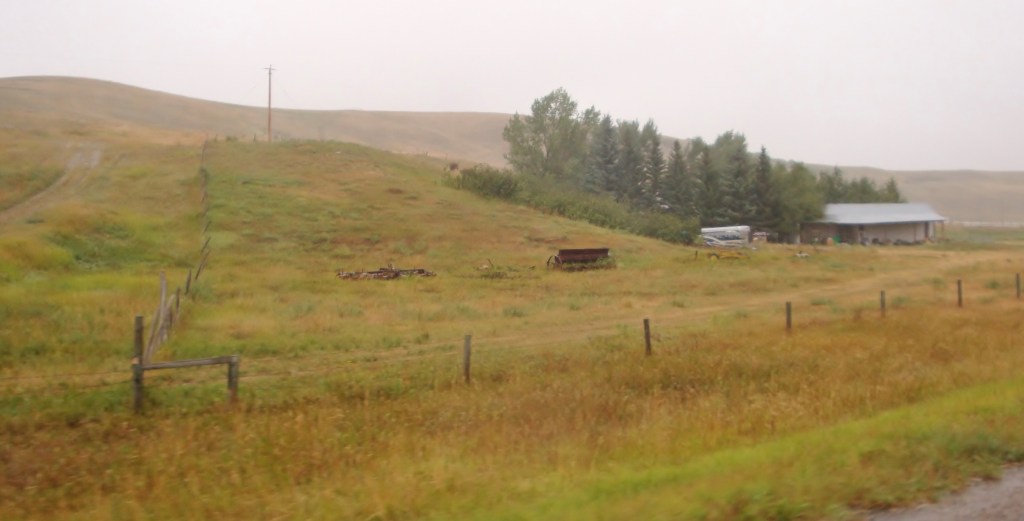
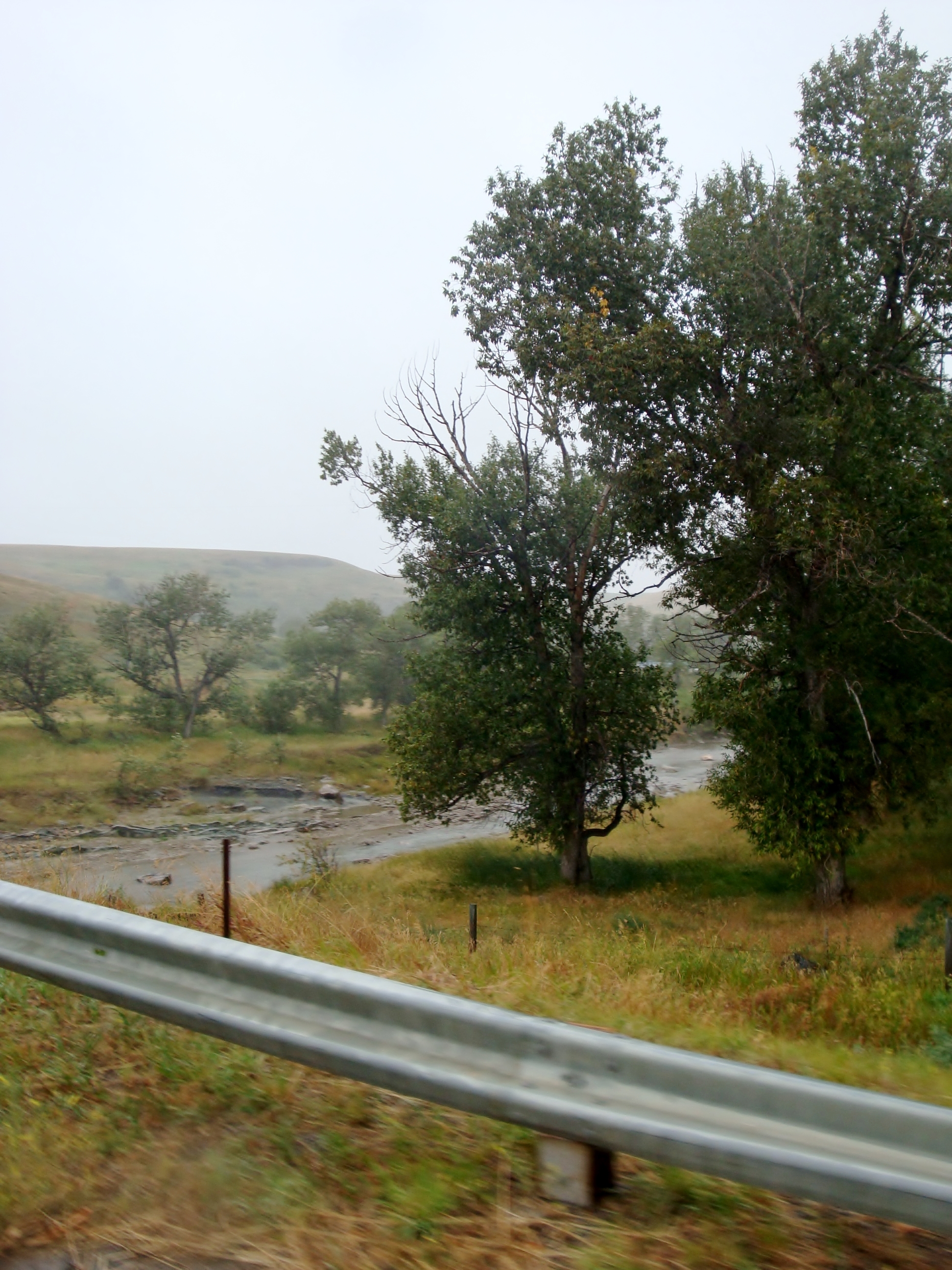
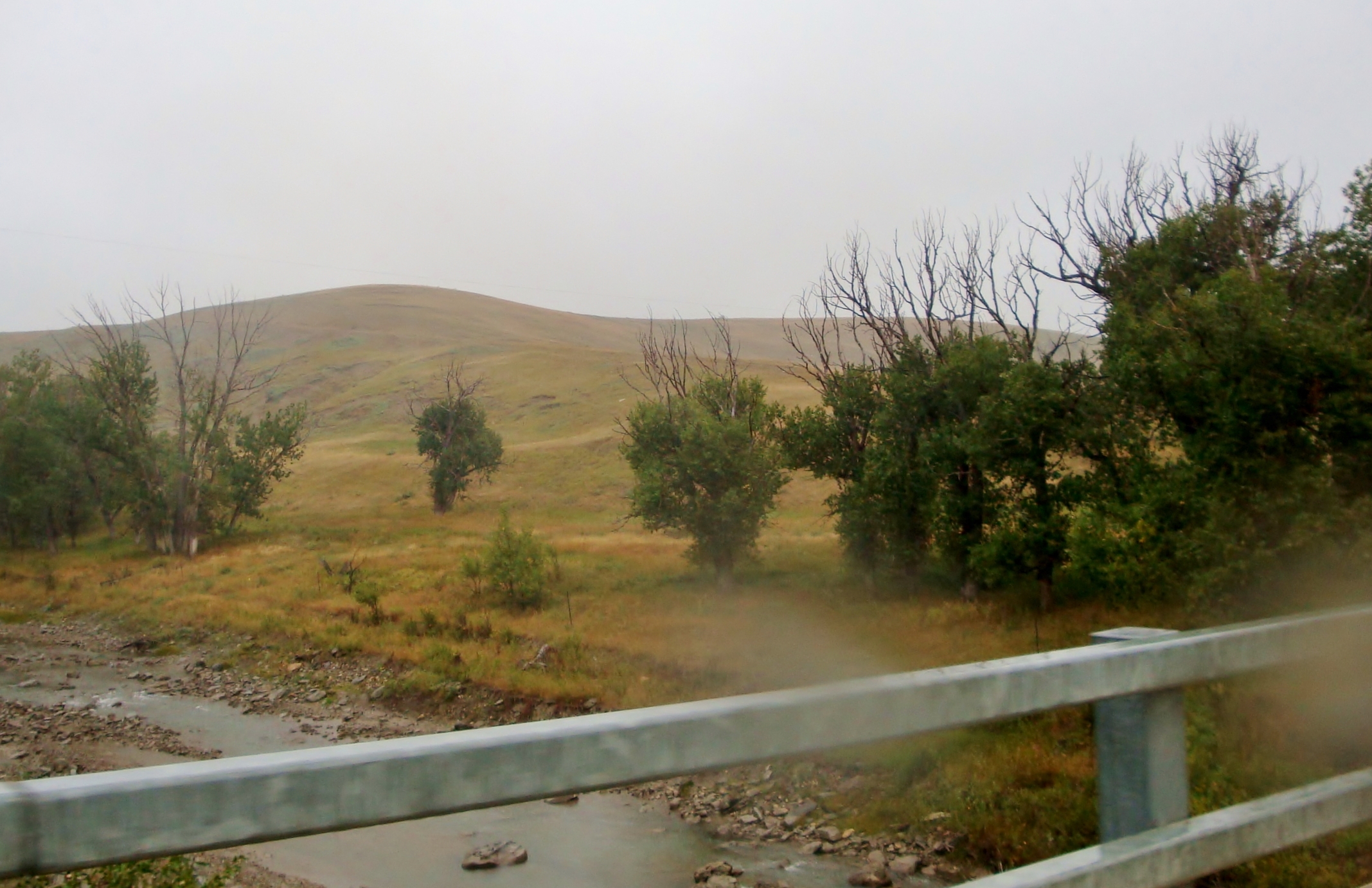
Aunt Fon told me that this was the land where John and Ella first settled in Canada, just west of Cardston, where the prairies meet the foothills of the Rockies.

The book, Alberta Past and Present, states that upon moving to Canada, John homesteaded on 160 acres of raw land. The homestead was located on Lee Creek, which ran through the property and into the centre of Cardston. The farmhouse was about four kilometers southwest of the town centre and is located on what is now Alberta highway 501.
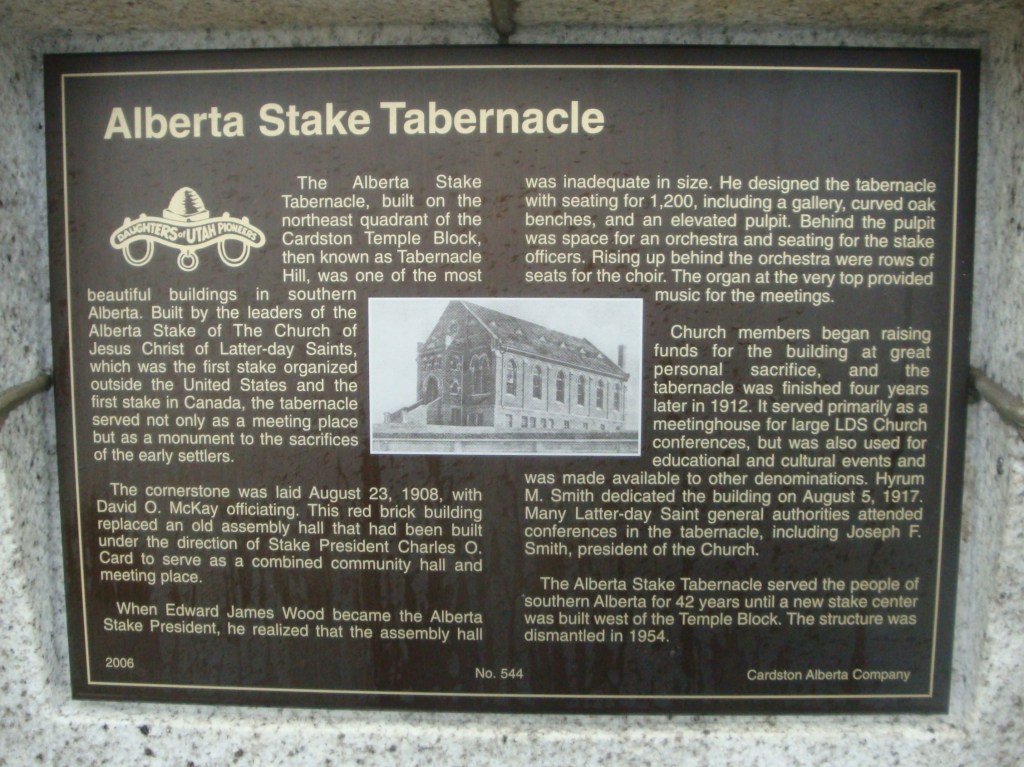
There was a quarry on the land, which supplied the stone for many of the buildings in Cardston, which, according to Alberta Past and Present, included the courthouse. According to John’s obituary, one building in Cardston built not using stone from his quarry was the first saloon built there – John refused to supply stone for that purpose. Aunt Fon told me that stone from the quarry was also used to build the foundation of the Alberta Stake Tabernacle. The Tabernacle stood from 1912 to 1954. Uncle Dave said that when the Tabernacle was demolished, people in Cardston used the stone for other projects. In fact, Uncle Dave told me that their first house originally had a fence built with stone from the Tabernacle.
In addition to farming, John also worked in carpentry. As well, John and a partner, John Turner, constructed and operated the first lime kiln in this part of the country. In 1906, John and Ella moved to nearby Woolford, Alberta, where John continued farming. John and Ella briefly returned to Utah in the early 1920s, where John operated an orchard or fruit farm, but they returned to Woolford in 1924. John continued farming the rest of his working life.
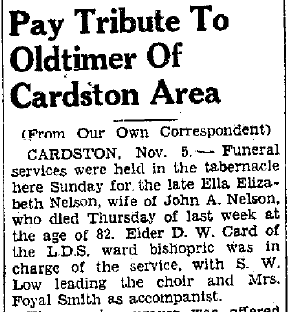
The Lethbridge Herald, November 5, 1941, page 11.

Meanwhile, Ella did not simply bide her time in the background as a farm wife and mother. According to a Lethbridge Herald article published after her death, in 1892 Charles Ora Card, Cardston’s founder and stake president, called to on Ella to study nursing and obstetrics. She was sent to Salt Lake City to study under the tutelage of a Dr. Shipp.  Ella left her five eldest children at home, taking with her “a six months old baby”. Based upon this timeline, the baby would have been Seth Henry Nelson, who was born in October 1891.

However, another source stated that Ella went to Utah in 1893 and that the baby she brought with her was her son Cleveland, who was born in March 1893. After six months’ training, Ella returned to Cardston and started her service. The Herald article says that Ella “answered every call from 1892 to the time when the district was supplied with medical men, and after that time when there was more work than one doctor could do”. Ella continued as a midwife until 1932, when she was 73.

John and Ella were nationalized as British subjects domiciled in Canada in 1896 (there was no “Canadian” citizenship until 1947).

Together, John and Ella had twelve children, two of whom died in infancy. This included my great grandmother, Hazel Nelson, and her twin sister, Irene, who died at one month old. Ella died in October 1941. John died almost a year later, in September 1942. After I left Fon and Dave’s house, I drove to the Cardston Cemetery, where John and Ella are buried, along with other close relatives.
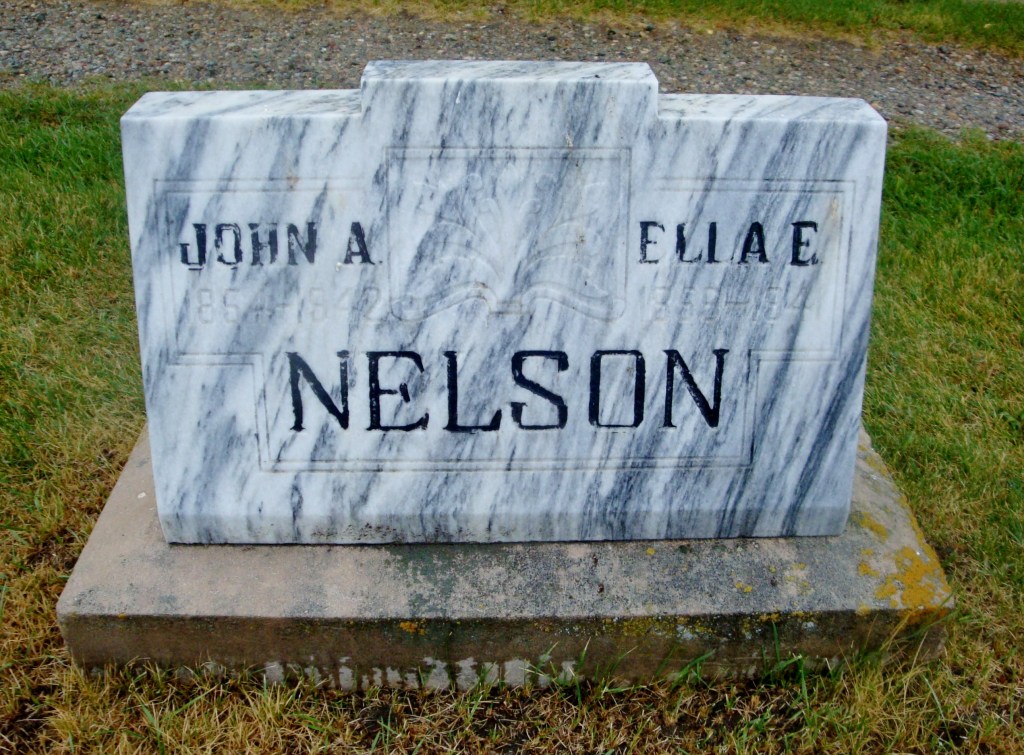
Unfortunately, while I often emailed Aunt Fon, my trip to Cardston was the last time I saw Fon and Dave. Dave passed away in October 2020 and Fon passed away five months later, in March 2021.
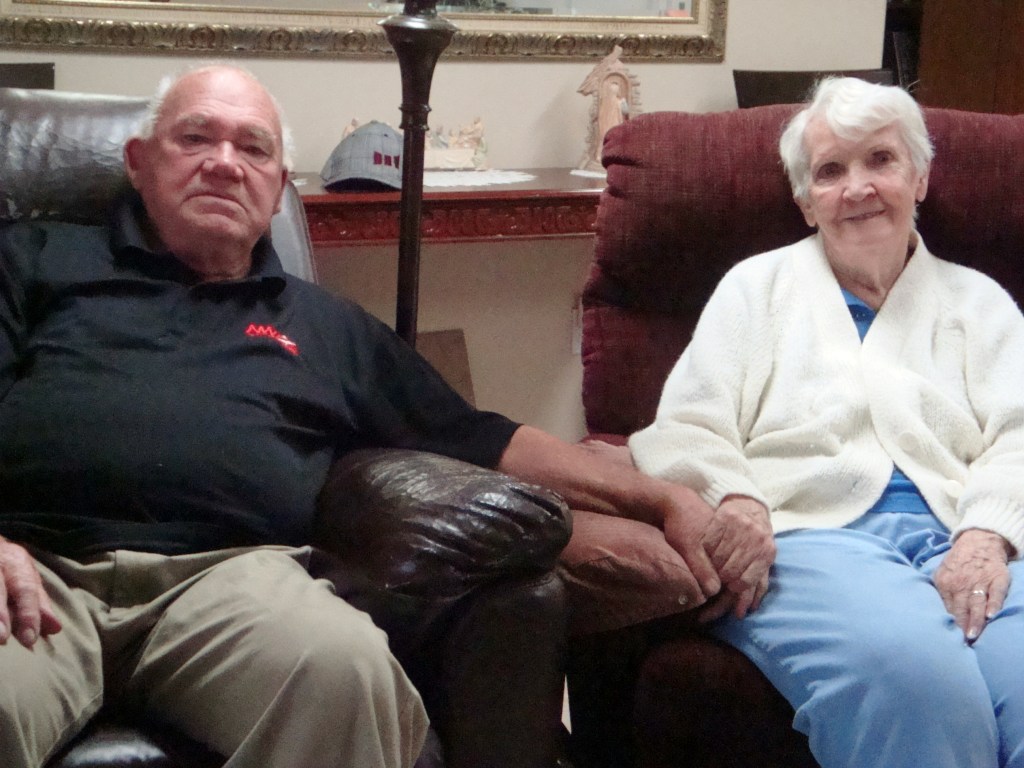
Dave and Fon Hogg, August 21, 2015.

52 Weeks – Week 35: Free Space

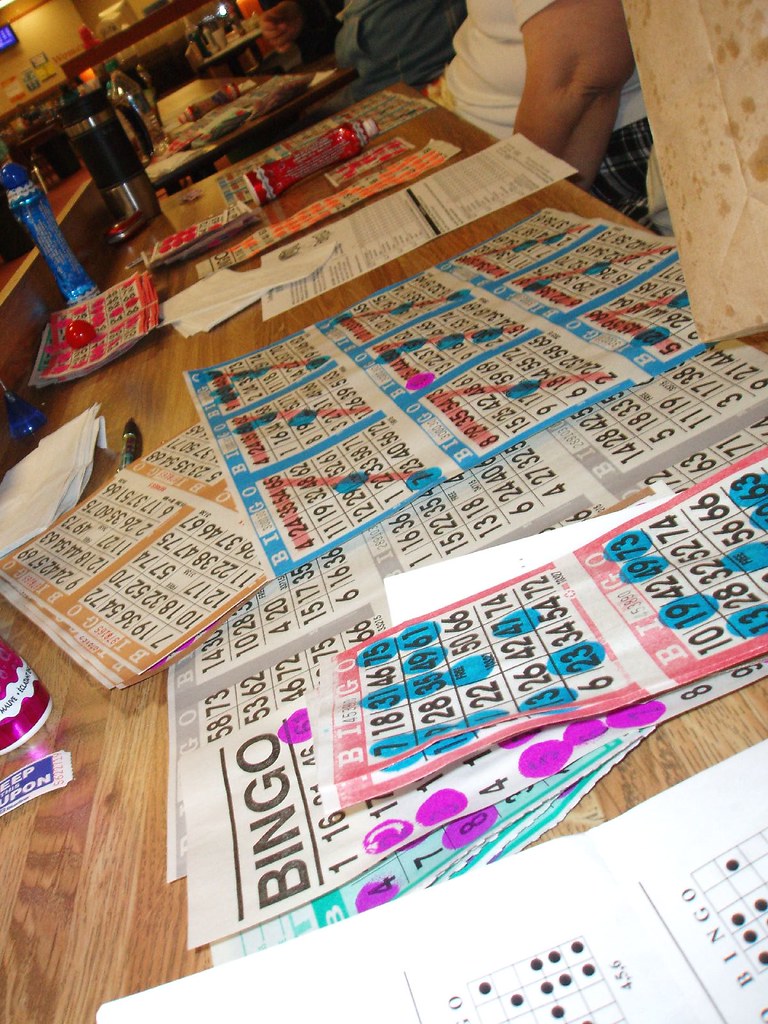
Beginner’s luck! The first time my wife joined me and my parents at bingo, she won several hundred dollars.

With the theme of “Free Space” for this week’s 52 Ancestors Challenge, I can’t help but think of bingo. Bingo was a big part of my mother’s side of the family. Moreover, bingo is one of the many games that are a huge part of both sides of my family.

Cards were, and remain, a huge part of our extended family’s gaming traditions. As you may recall if you have been with this blog since the beginning, part of the inspiration for its name was my family’s affinity for cards.

My maternal grandmother, Helen Lerner, and her mother, Emelia Anton, were both bridge players. Into her 90s, my great grandmother took great pride in the fact she still had the mental acuity for the game, but complained that her peers were getting too slow for her. Bridge is the one card game that has eluded me. I just never developed an interest in it and, despite my familiarity with many other card games, it still strikes me as unnecessarily convoluted.

However, there were a myriad of other card games that always seemed to be at play. Canasta, Oh Hell, Smear, and Hearts were frequent games of choice on my mother’s side of the family, while huge group games of Crazy 8s were popular with my paternal grandparents and my father’s siblings. Most Christmases, my siblings and I usually converge at my parents. In addition to the extended family who drop in during the holidays, our spouses have also become part of the card-playing tradition. Almost every evening there is a card game that goes into the wee hours of the night.

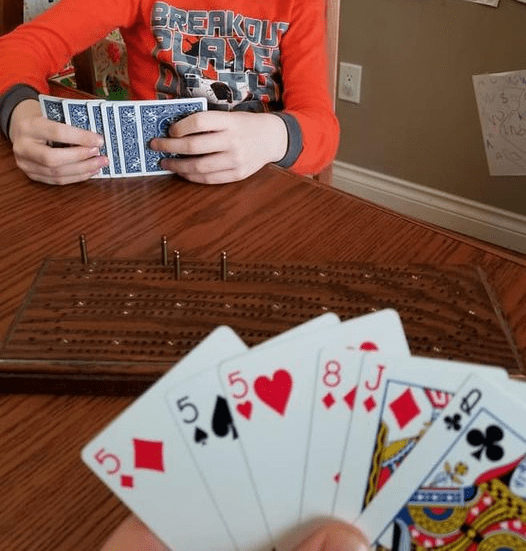
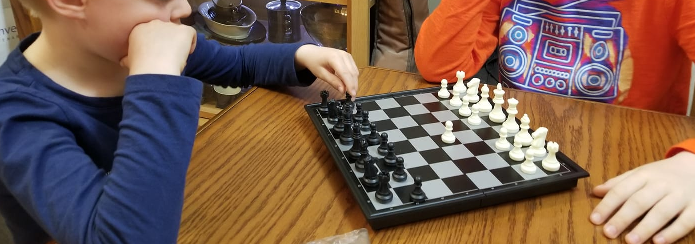
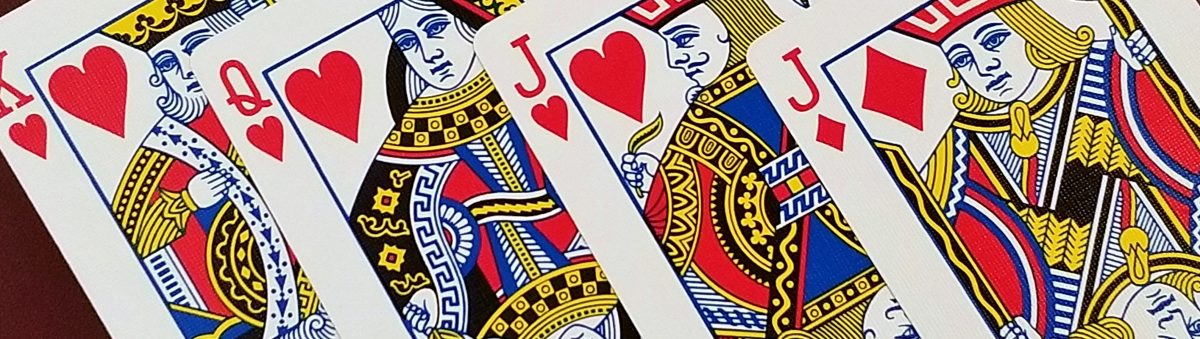
After decades of playing crib, of course it’s the day I teach the game to my eldest that I got dealt a hand like this.

The king of games with my maternal grandfather, Leo Burgess, was cribbage. When I was little, I was mesmerized by the cadence of the game and the cryptic chanting involving the counting of fifteens. My grandfather and my father taught me how to play when I was seven or eight, and I still play to this day.

My grandfather was a real stickler for the way people played cards. There were all sorts of arcane rules, traditions, and habits that had to be followed. Heaven help you if you cut the deck the wrong way. I still wince whenever one of his customs are breached, despite the fact my grandfather died over 25 years ago. Even worse was if you dared take “his” trick or – god forbid – you beat him at a game. In my case, there was little risk of that happening. I happen to be a good crib player, but my grandfather often seemed unbeatable.

The last day I spent with my grandfather, about a month before he passed away, was spent playing crib and watching The Price is Right. It was clear my grandfather’s advancing age and deteriorating health was starting to affect him, because out of the score of games we played that day, I managed to beat him twice. My grandfather was such an avid card player that – don’t tell anyone – my mother and uncle slipped a fresh deck of cards in the pocket of the suit he was buried in.

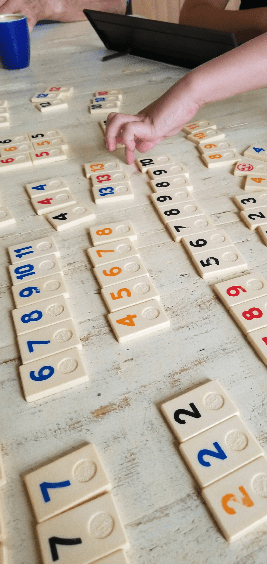
It seems that the only time I play Rummikub is when I visit family in Holland.

Board games were – and remain – popular as well. One of my uncles had a collection of now-obscure games that we nibblings enjoyed playing, even though we didn’t know the rules or have all the pieces. Nothing made us feel more like a big kid when our parents invited us to play a board game, such as Stock Ticker, with them. Board games were a common birthday and Christmas gift. With five kids in my family, we had a lot of Board games! I still have some of them, although it seems one of my brothers absconded with a lot of them.

Our sons are also very keen on board games, and do well with games that one might think are well above their age level. Hardly a weekend goes by in our house without several games being played. It is also common for us to play on some weeknights as well.

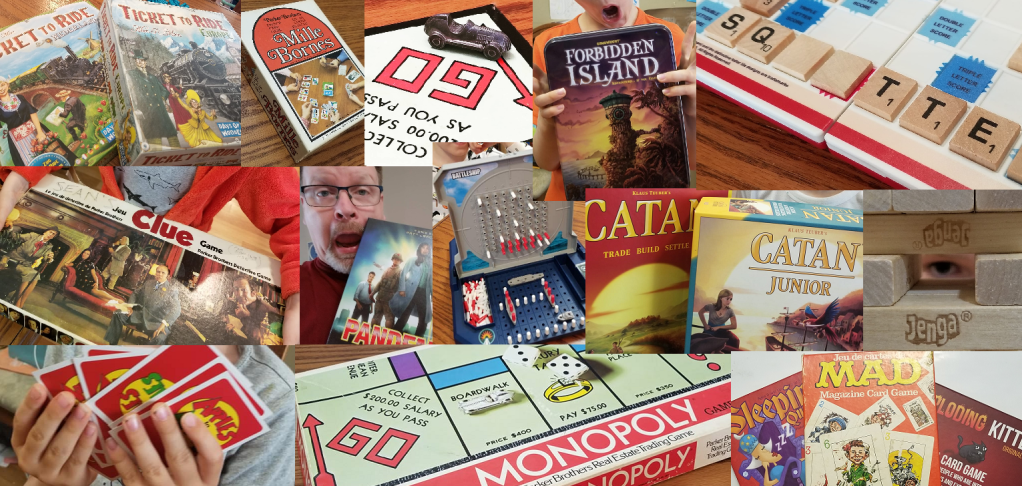
We love board and card games in our family. These are but a few of the games we have.

Before ending this examination of our family’s tradition of game play, I return to the game of bingo. It was extremely popular on my mother’s side of the family. My mother’s parents, aunts, and grandmother were all devoted bingo players. I remember the first time I got to go to bingo with my mother, two of her aunts, and my grandmother. My great grandmother might have been there that same evening. As I was in my teens, I definitely threw off the demographic curve of the crowd in the bingo hall. While the majority of the crowd in attendance that night struck me as rather old, they were amazingly spritely and quick with their cards. The speed at which my great aunts and grandmother marked the many cards they each were playing at one time. I found it difficult enough to keep up with the few cards I was playing each time.

My maternal grandfather also loved playing bingo and often went with my grandmother. My grandmother passed away in her early 60s, so after she died my grandfather would often go with my great grandmother. The two of them seemed to squabble quite often and my grandfather once complained about being in his 70s but still having mother-in-law problems. Nevertheless, he and my great grandmother shared their love of bingo. In fact, my grandfather passed away while doing something he loved, while out one night playing bingo with his younger brother.

With a long weekend coming up, I expect that we will be playing a lot of board games over the next many days!

Addendum: Clearly I’ve generated a lot of content in 35 weeks that I’ve already forgotten about. A week after posting this, I discovered I had already written about this on Week 18 (Social), albeit in less detail. C’est la vie!

Further Addendum: Every week, Amy Crow Johnson sends an email summarizing two or three items that have caught her eye, along with a description of the next week’s 52 Ancestors theme. In her email looking back at Week 35, Amy highlighted this post, saying “Sean shared how much his family has enjoyed card games and board games over the years. (I have to admit that I was secretly hoping someone would write about bingo. My mom used to be an avid player, and my family has a Christmas bingo party every year!)”

52 Weeks – Week 34: Timeline

In the timeline of the 52 Ancestors Challenge, we’re on Week 34, which is the theme of the week, “Timeline”!

Plotting out the timeline of an ancestor or family group can be a great analytical tool. However, I find what is just as important are timelines of history. Knowing the history of a place can provide context and clues as to our ancestors’ actions.

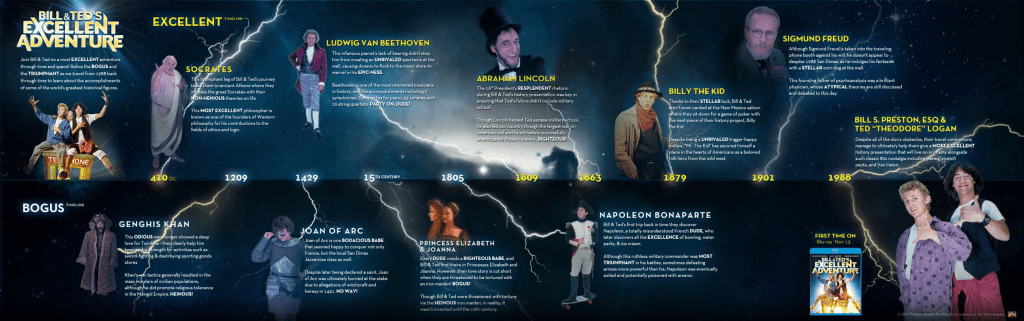
Timelines of history are totally bodacious and most triumphant.

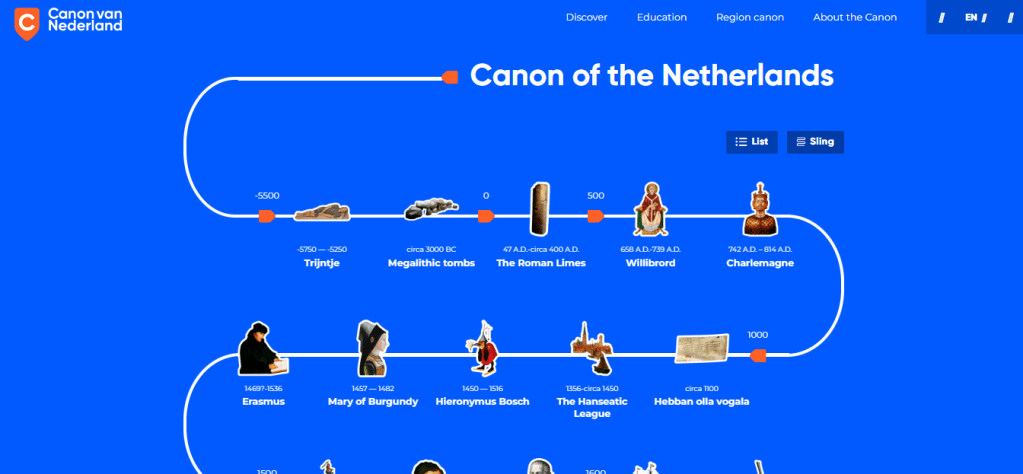
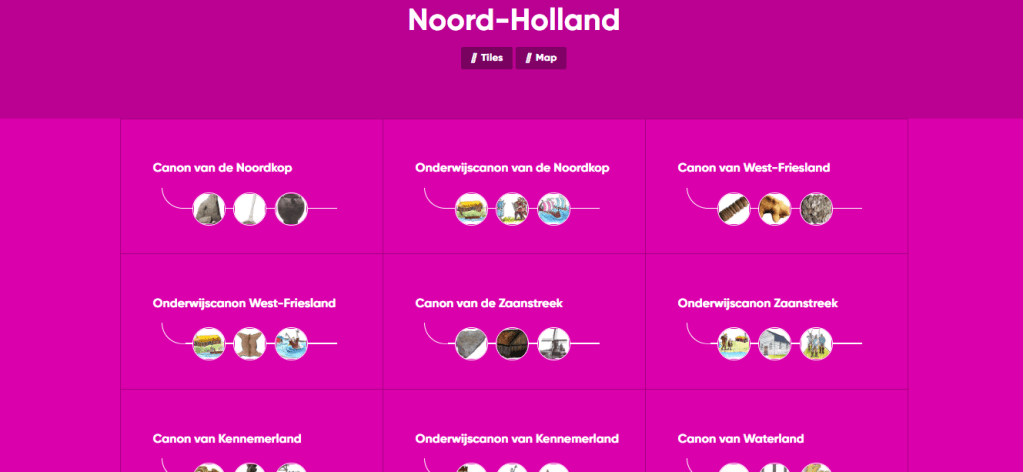
One of my favourite timelines of history is the Canon of the Netherlands. In addition to my love of genealogy, I have always loved history (it was my major in undergrad) and the Canon appeals to my inner history geek. It is a timeline of fifty historical events that together show the historical and cultural development of the Netherlands as a nation. Not only that, there are separate canons for every province and the regions within each province. It is a beautiful piece of work and I enjoy reading it independent of any family history research I might be doing.

The Canon was developed at the behest of the Dutch ministry of education and provides a summary of what is taught in Dutch primary schools. The website is available in English for the timeline itself and for each of the historical and cultural events listed on the timeline, although other information (such as the “About” pages, FAQs, and regional Canons) is only available in Dutch. That’s where the translate functions of browsers like Chrome can come in handy, although I like to try to read them in the original Dutch as part of my decades-long struggle to learn the language.

The Canon for Noord Holland (North Holland), the province where my father was born.

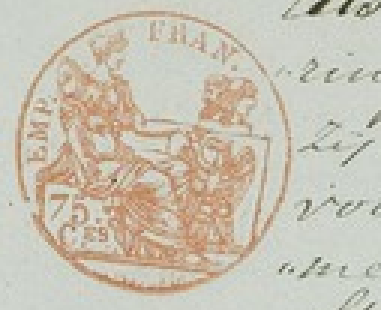
Knowing when the Netherlands was under French dominion helps in understanding the timeline of some of my ancestors. Napoleon originally structured the Netherlands as a separate “Kingdom of Holland”, with his brother Louis as the King. Over time, Louis ran the kingdom more with Dutch interests in mind, so in 1810 Napoleon abolished the kingdom and incorporated the Netherlands as part of France itself. Records from the time of French rule might be in Dutch, French, or a combination of both. Records I’ve found from after the Netherlands was incorporated into the Empire are more likely to be in French.

My Great x 4 grandparents, Jan de Waard and Cornelia Pieters Kooij, married on October 10, 1813. The record of their marriage is written in Dutch, but bears the seal of Imperial France. Less than a month after their marriage, a popular uprising resulted in the ouster of the French. On November 30, 1813, the son of the former stadholder of the country returned from exile and was named William I, Sovereign Prince of the United Netherlands. Jan and Gurr marriage was one of the last in Texel to be registered under the French regime.

Knowing the timelines of history have also been helpful in understanding my maternal grandfather’s family history. He was Mormon (Latter Day Saints) and several of his direct ancestors were amongst the earliest converts to the new religion, joining in the 1830s in New York State. Knowing the history of Mormon migration helps me understand my maternal ancestors’ movements and why they did certain things at certain times.

The group’s founder, Joseph Smith, sought to create a “New Jerusalem”. He and his followers moved to Ohio and soon began building a settlement in Missouri. In 1833, church members were run out of Missouri and a failed banking venture crippled the Ohio settlement. The Mormons attempted a settlement elsewhere in Missouri, but were driven out upon an executive order of the governor, calling for them to be exterminated or expelled from the state. In 1939, the church regrouped in a new community, Nauvoo, Illinois, and began to build their Zion there. Two years after Joseph Smith’s death in 1844, tensions with non-Mormons increased, such that the Mormons were driven out once again. They upped stakes and began the migration to Utah. During the westward migration, over the winter of 1846-1847, about 2,500 church members encamped at Winter Quarters, which was just north of where Omaha, Nebraska came to be. The first settlers arrived in what is now Salt Lake City in July 1847, in what was still Mexican territory.

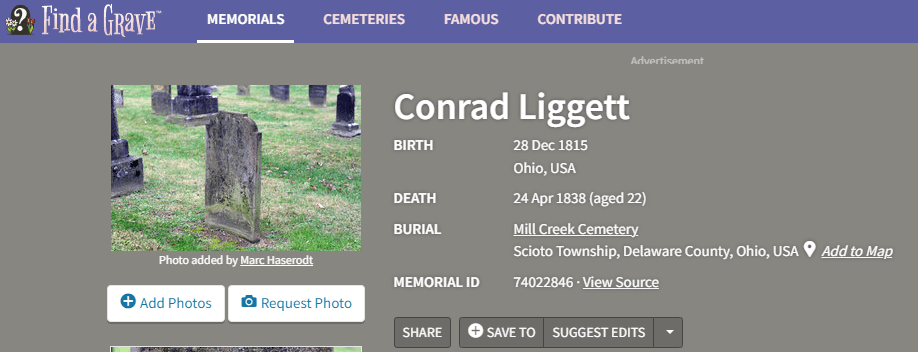
Knowing this timeline, I can test the accuracy or reliability of information I have found about my Mormon ancestors. For example, some of the information I’ve found about my great x4 grandfather, Conrad Liggett, suggests that he died in Nauvoo before 1839. However, as Mormon settlement in Nauvoo did not begin until 1839, I doubt the veracity of that information.

If you were buried in Ohio in 1838, odds are you did not die in a town that was settled by the Mormons in 1839.

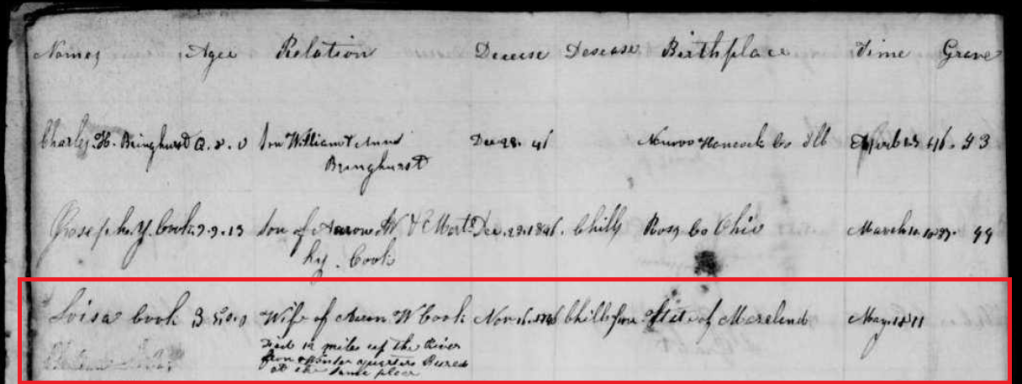
As well, if I have a Mormon ancestor who passed away in late 1846 or early 1947, chances are good that it occurred during the migration to Utah. For example, Conrad’s widow, Louisa Thomas, my 4x great grandmother, died on November 16, 1846. Sure enough, an entry in the Winter Quarters sexton’s records shows that Louisa died 19 miles up the river from Winters Quarters.

The entry for Louisa Thomas in the Winter Quarters sexton’s records, 1846-1848: “Loisa Cook. 36 years, 0 months, 0 days. Wife of Aaron W. Cook [her third husband]. Died 19 miles up the River from Winter quarters Bur[i]ed at the same place. [Died] Nov 16 1846. [Disease] chills fever. [Born] State of Mareland May 1811.”

Timelines of history can take you on some most excellent adventures!

52 Weeks – Week 33: Service

I’ve written about military service and religious service, so the twist I’ve taken for this week’s 52 Ancestors Challenge, “Service”, is to look at domestic service. Most of my ancestry consists of labourers and agricultural workers, so none were so posh as to have had servants. However, I do have ancestors who were the servants.

Sometime in my early teen years, I heard it told that during the war my paternal grandmother worked as a domestic servant. I’m unable to verify the story, as there is no longer anyone who would have first-hand knowledge of that fact. What civil records that might provide more information are not yet publicly available due to privacy laws and the lack of passage of sufficient time.

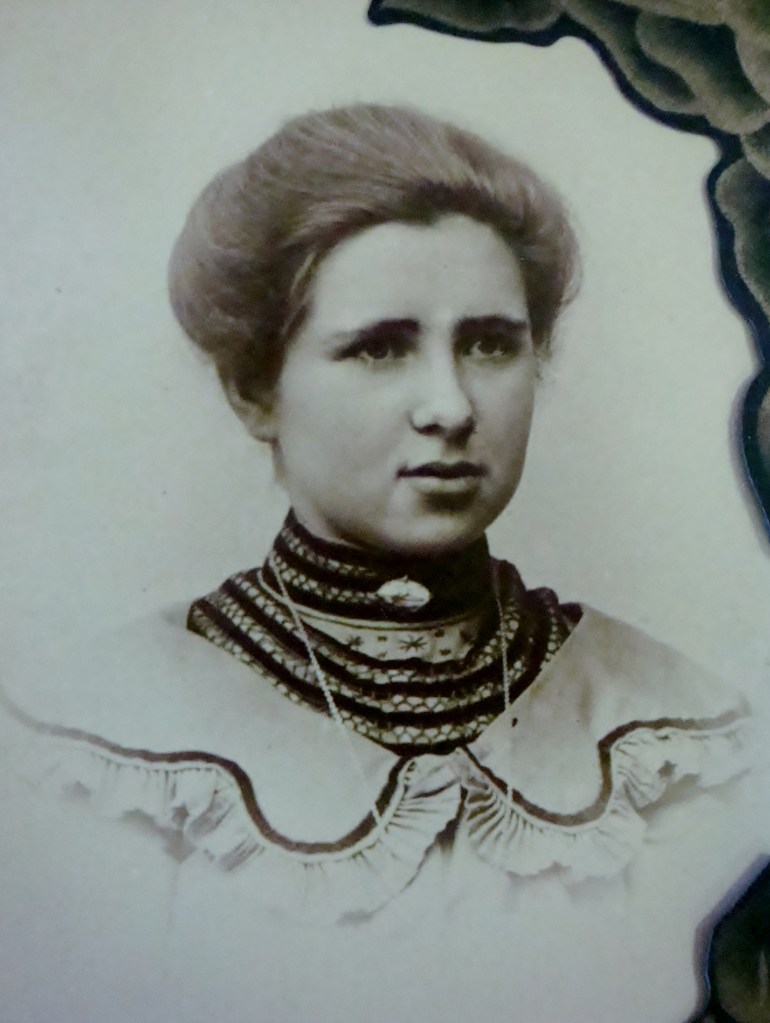
Elizabeth Bakker

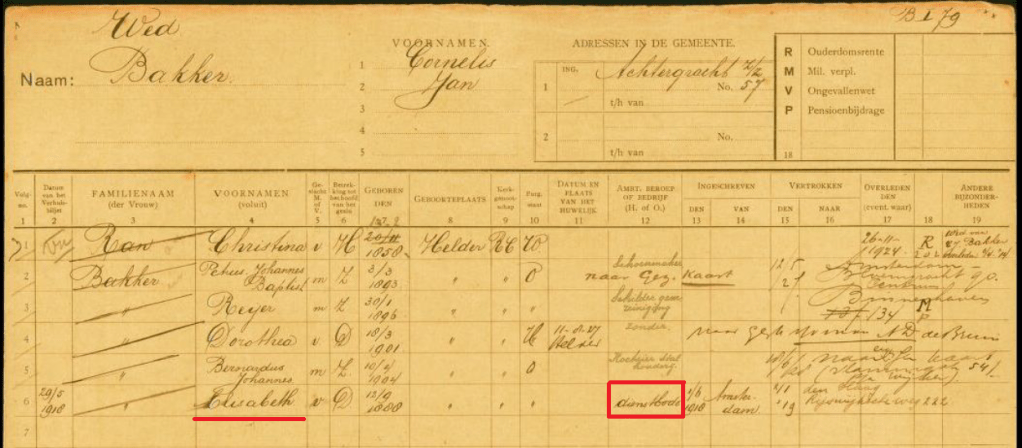
My grandmother’s mother, Elizabeth Bakker, was also a domestic servant (“dienstbode” in Dutch) before she married. It appears she spent time working in Amsterdam as a domestic servant before returning to her hometown of Den Helder, where she performed similar work until 1920 or 1921. However, by the time she married in April 1921, she as “zonder beroep” (“without job”). Elizabeth’s older sister Johanna and her younger sister Cornelia also worked as a domestic servants.

The Bevolkingsregister (“Population Register”) family card for Cornelis Jan Bakker and family. His daughter Elizabeth (my great grandmother) is shown as a dienstbode (“domestic servant”).

My third great grandmother, Maartje Mettes, was a domestic servant when she married her first husband, Klaas Buur. Klaas was also a domestic servant at the time of the marriage. My suspicion is that they may have worked in the same household, which I will need to research. However, by the time Maartje married her second husband, my third great grandfather Cornelis Komen, she was “van beroep zonder” (“without a job”).

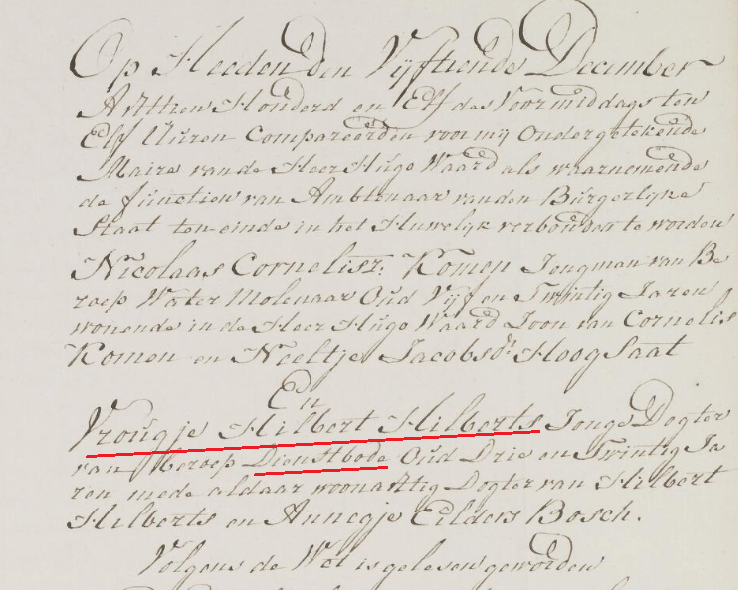
My great x4 grandmother, Vrouwtje Hilbert Hilberts, also spent time as a domestic servant and was doing that work when she got married.

Marriage registration for my great x4 grandparents, Nicolaas Cornelisz (“Klaas”) Komen and Vrouwtje Hilbert Hilberts. Vrouwtje was noted as van beroep dienstbode (“working as a domestic servant”) at the time of marriage in 1811.

Although in the majority, women were not the only domestic servants in my tree. While I have not done much research on my great x4 grandfather, Thomas Hadlond, he was a domestic servant in England before leaving for America and settling in Nebraska. I also have a 3x great uncle, Petrus (“Pieter”) van der Fluit who worked as a dienstknecht (“manservant”). Finally, in another form of domestic service, William Stockwell, my 8x great grandfather, likely came over to America as an indentured servant, gaining his liberty before he married.