52 Weeks – Week 40: Preservation

This week’s 52 Ancestors Challenge theme is “Preservation”.

I often see queries on social media asking for recommendations or advice about the preservation of paper documents and other media. Those questions always make me miss my late aunt, Helen Diana Burgess, who was a conservation scientist. She’d have known the answer. I wish I had gotten more conservation tips from her.
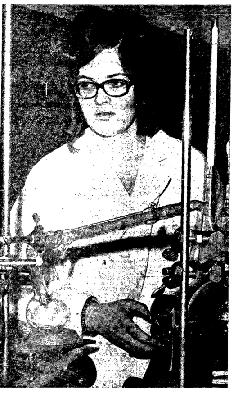
Helen Diana Burgess (1951 – 1999). I love this photo because it shows her at work doing cool science stuff.

The professional world knew her as Helen Burgess, to me she was my Aunt Diana. I wrote about her in Week 9, “Women”. Sadly, she passed away in 1999.

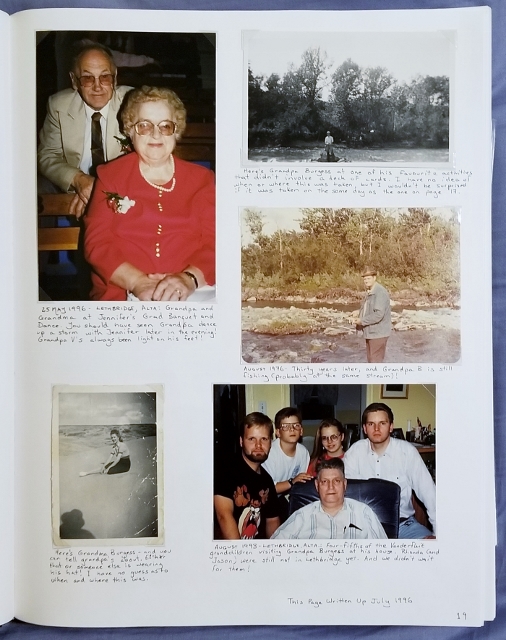
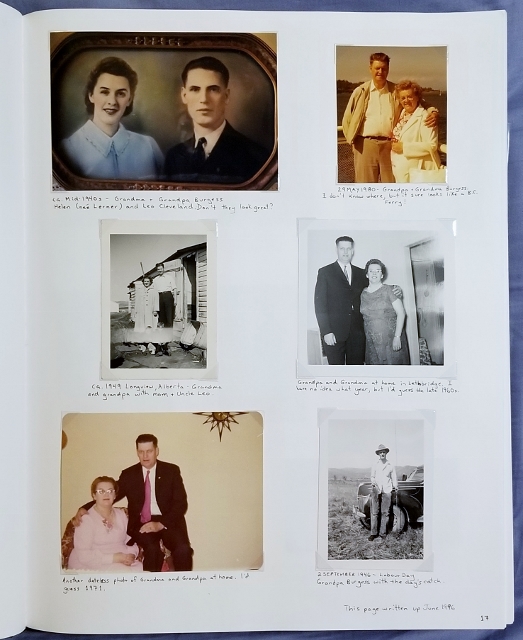
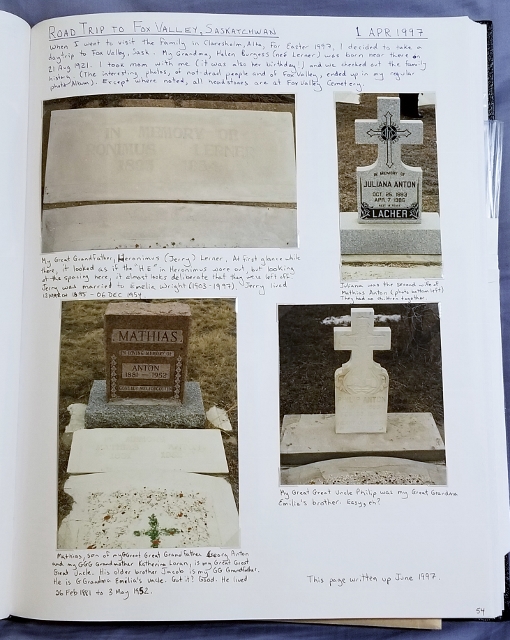
Fortunately, I learned early on from her about things like the acids in paper and what not to do with photographs. Based on advice I had received from my aunt, I created one of my very first pieces of preservation, an album of compiled family photos, past and present.
The cover is boring but the contents are awesome.

I started putting this album together sometime in the mid-1990s. As a result, I cannot remember where I bought the materials, the brand names, or other specifics of the items I used to create this album. I don’t even know if the retailers I visited are still in business. Clearly I was more focused on preserving the family memories than preserving the methodology and materials.

What I can say is that the book is about 11″ x 17″ and contains several hundred pages of very high-quality acid-free paper. I used photo corners Aunt Diana recommended that were acid-free, with adhesive that would likely result in minimal harm to the paper and photos over time and remain in place for years. I even recall buying the types of pens she recommended for the project. I only use the odd numbered pages, so photos don’t press against each other when the book is closed.

I organized the book by starting with myself and then my four siblings. I then have a section for my parents, followed by sections for each set of grandparents.
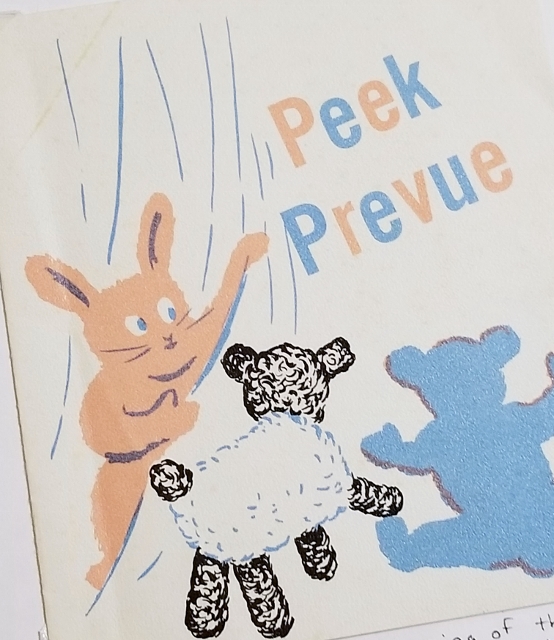
It progresses to great grandparents and then onto direct ancestors beyond my great grandparents. I then move on to aunts and uncles, great aunts and uncles, and then finally cousins.
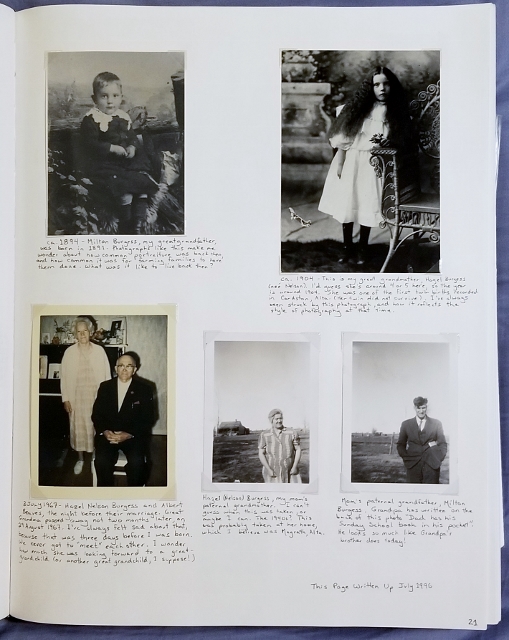
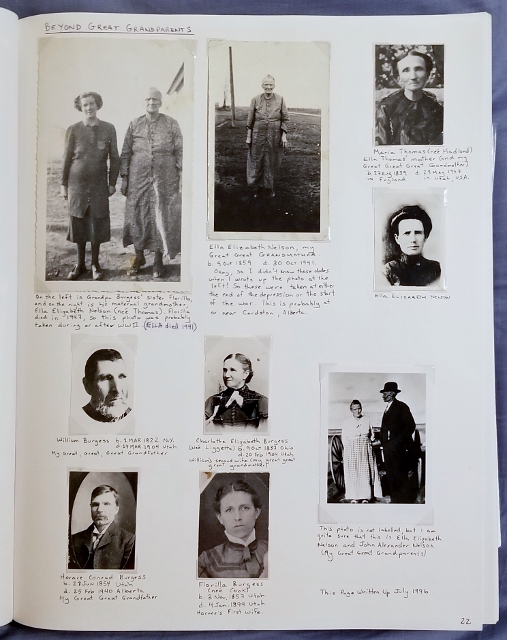
I am quite proud of the results so far. While I haven’t worked on it in twenty years, it remains very much a work in progress. There are many blank pages waiting to be filled and there is no shortage of material to add. In the time since I last worked on it I’ve married and had kids. While one sister was married when I started this, she has had two children since I set it aside. One of my brothers has married and has a child of his own. Other marriages have occurred and many babies have been born. There are also graduations and other milestone occasions that could be included.

I can say with certainty that the materials are well preserved. The pages are crisp and white and the photos look as good as they were when I started. I see no signs of discoloration, fading, wear, or decay. Hopefully this book has many long decades ahead of it.

52 Weeks – Week 39: Road Trip

If I do the 52 Ancestors Challenge again next year – which I’d like to do – it might serve me well at the start of the year to look ahead to see the full list of 52 themes. As I mentioned last week, many times this year something I’ve written about in the past fits into any number of subsequent weekly themes. For this week’s theme of “Road Trip”, the genealogy road trip that comes to mind is one I did with my mother to south-west Saskatchewan, to where my grandmother was born. Unfortunately, I’ve written about that here not once, but twice. The other road trip that comes to mind I wrote about two weeks ago.

Part of the problem is that I haven’t been on a lot of genealogy road trips. It’s not easy doing one from where I live. Western Canada, where much of my immediate and extended family lives, is a big place.

Okay, maybe Canada isn’t that big…

For my grandparents’ 40th wedding anniversary, we drove from Terrace in northern British Columbia to Lethbridge in southern Alberta. We thought nothing of it, it was only one province away, only a 17-hour drive. Our relatives from the Netherlands were gobsmacked. They pointed out that we had driven the distance from Amsterdam to the border of the then still-extant Soviet Union. Needless to say, it’s even further to travel to the homelands of my great grandparents, even those who lived in the United States. Utah is a two-day drive from here.

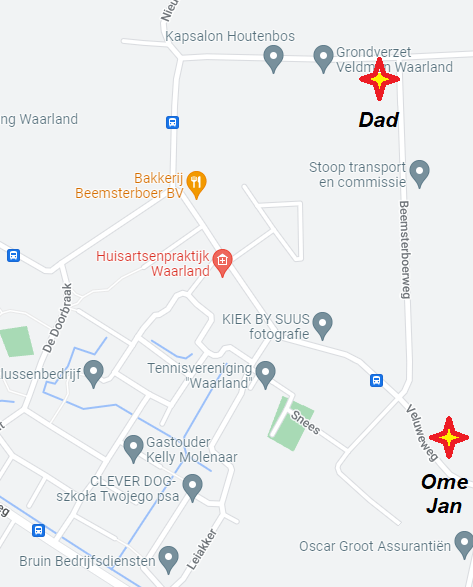
Despite the massive distances, the road trip I have decided to write about was only 600 meters long. I’ve done the trip twice, the first time by bicycle and the second by car. However, I had to fly from the west coast of North America to the west coast of Europe to do it.

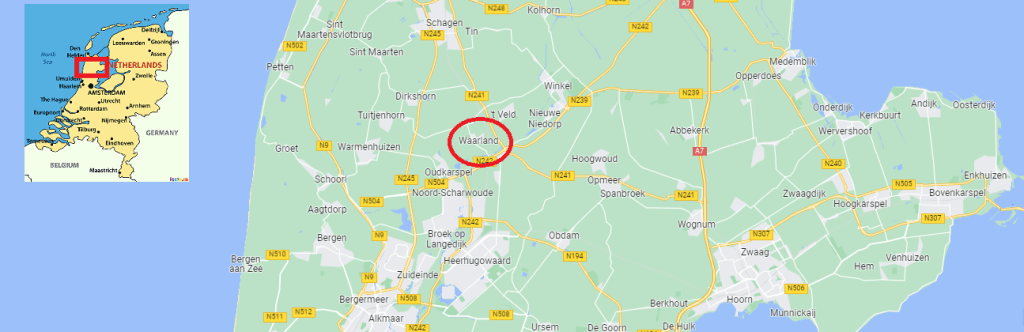
Waarland’s location in the Netherlands
Waarland, NH

My father was born in Waarland, North Holland. Today it is part of Gemeente Schagen (Municipality of Schagen), but when my father was born it was part of Gemeente Harenkarspel. The Dutch seem to like reorganizing their municipalities, so a village or town can end up in various different gemeenten over time.

The first time I visited the Netherlands, we stayed with one of my grandmother’s sisters and her husband, Tante Anny and Ome Nic, who lived in the adjacent gemeente of Langedijk (which, as of January 1 of this year, is now part of Dijk en Waard). On one of my last days with them, Ome Nic and I went for a bicycle ride from Langedijk to Waarland, to meet my grandfather’s (van der Fluit) side of the family.

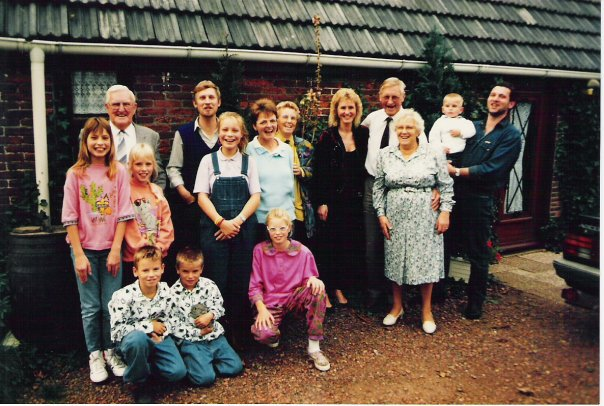
We started at the home of my grandfather’s oldest brother and his wife, Ome Jan and Tante Marie. They lived in the house where Jan and my grandfather were both born. Almost immediately due north of their house was the house where my father was born.

Several of Jan and Marie’s children (my dad’s cousins) and grandchildren were there for our visit. What really struck me was how different the Dutch was that they spoke. I had no idea what anyone was saying. Even my Ome Nic seemed to find their Dutch hard to follow.

At the house where my grandfather and his brother were born. It was odd meeting so many people who vaguely looked familiar. The children are all my second cousins, two of whom looked almost exactly like two of my siblings.

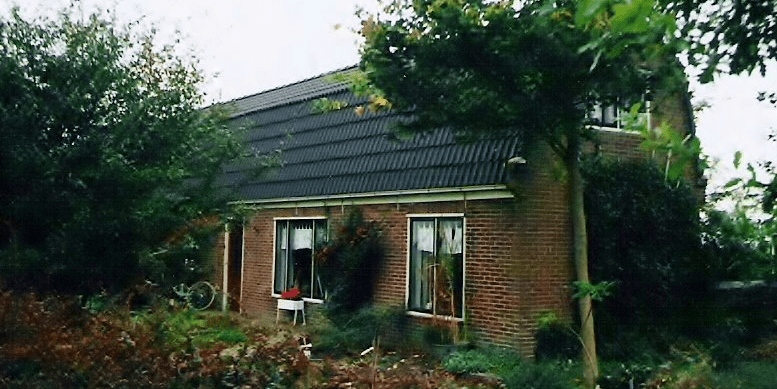
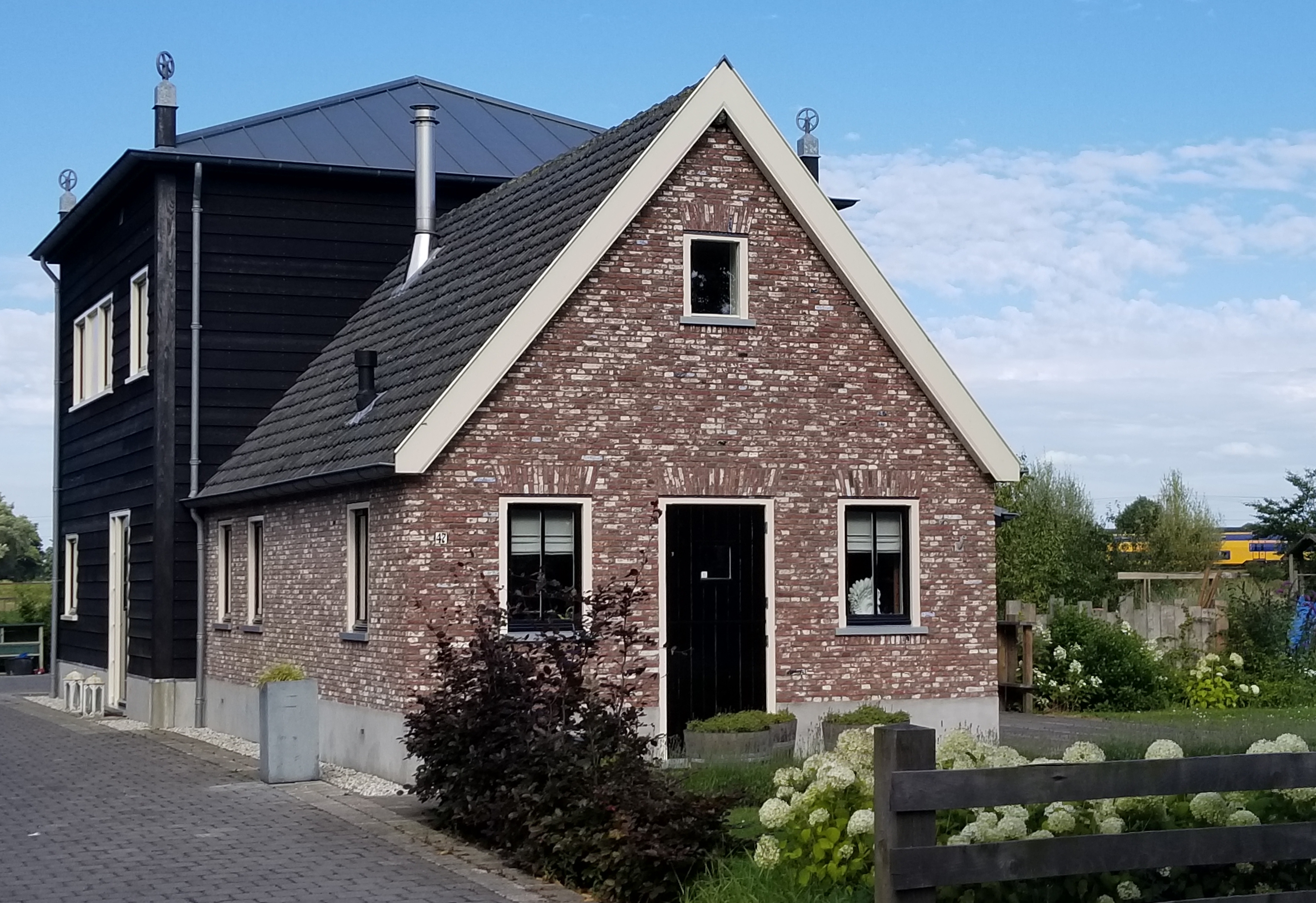
One of those cousins, Pieter, took me on a short bike ride up the road to the house where my dad was born. Not only that, he knew the current owner, so we were able to go inside. That was incredibly special.

The house where my father was born, the first time I visited Waarland

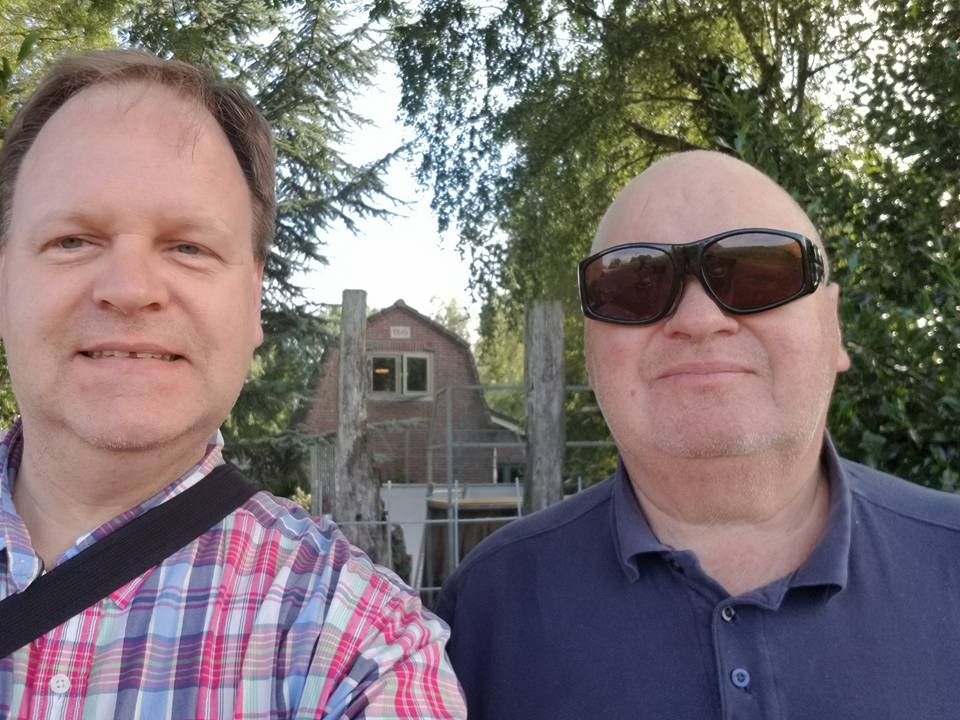
Five years ago, I had the opportunity to go to the Netherlands at a time my parents were also visiting. I had always wanted to go to the Netherlands with my father. It was an incredible experience. Of course, one of the days of our visit had to include a trip into Waarland.

With my father outside the house here he was born. He’s more than happy to say, yes, he was born in a barn.

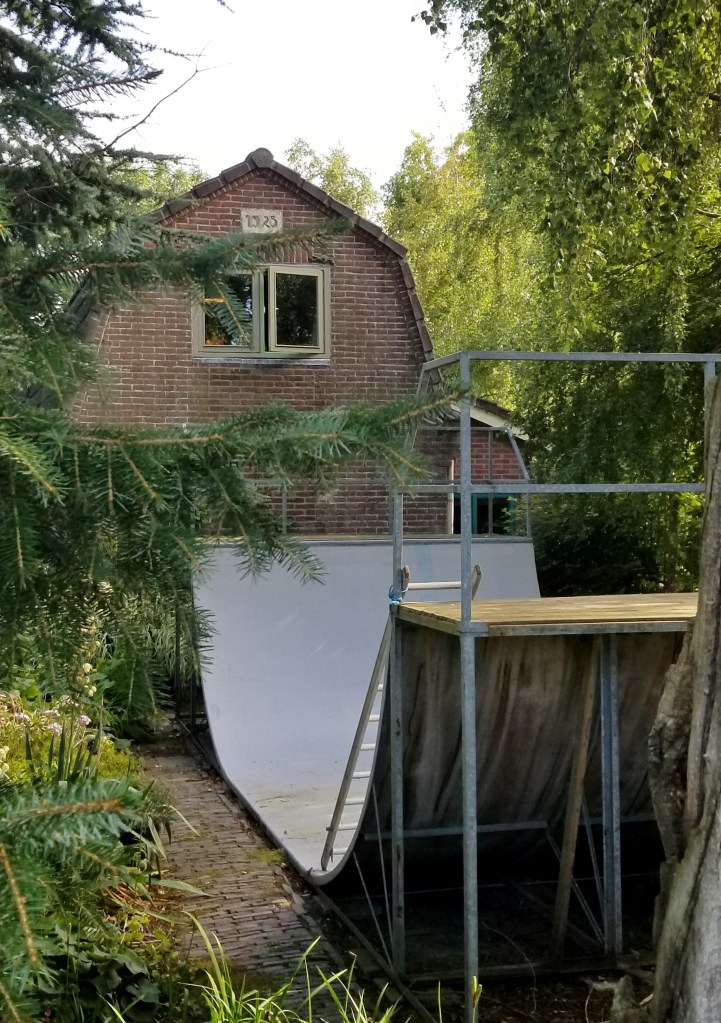
We started at the house where he was born. It looked as if the place had not been well maintained by its current owners, although I had to tease my father by asking him whether he remembered the skateboard halfpipe in the back yard.

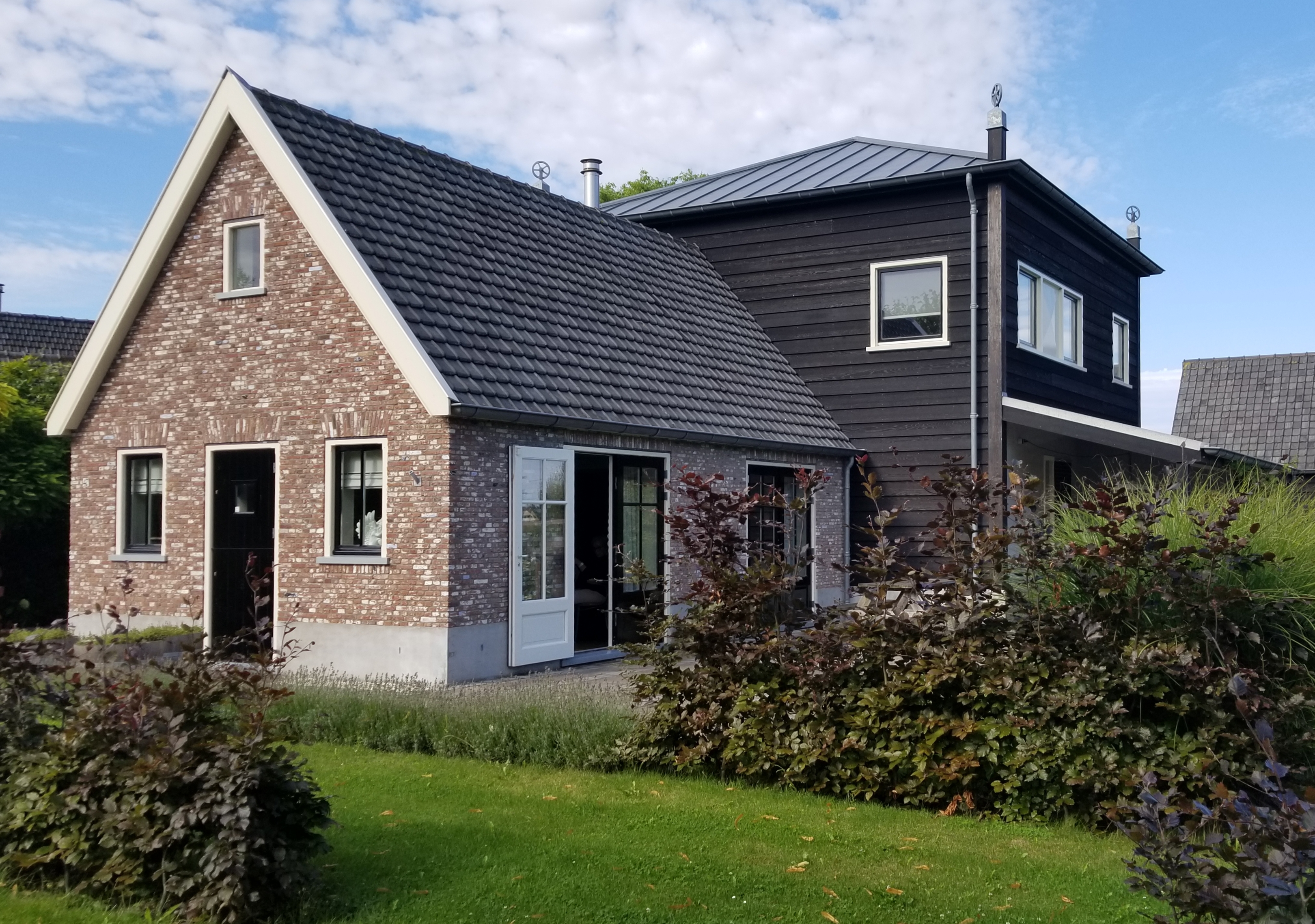
We then made our way to Ome Jan’s and Tante Marie’s house. Ome Jan had passed away in 2011 and Tante Marie died in 2013, so the house had a new owner. In fact, it was an entirely new house. The old one had been demolished, but the new one that replaced it looked almost identical.

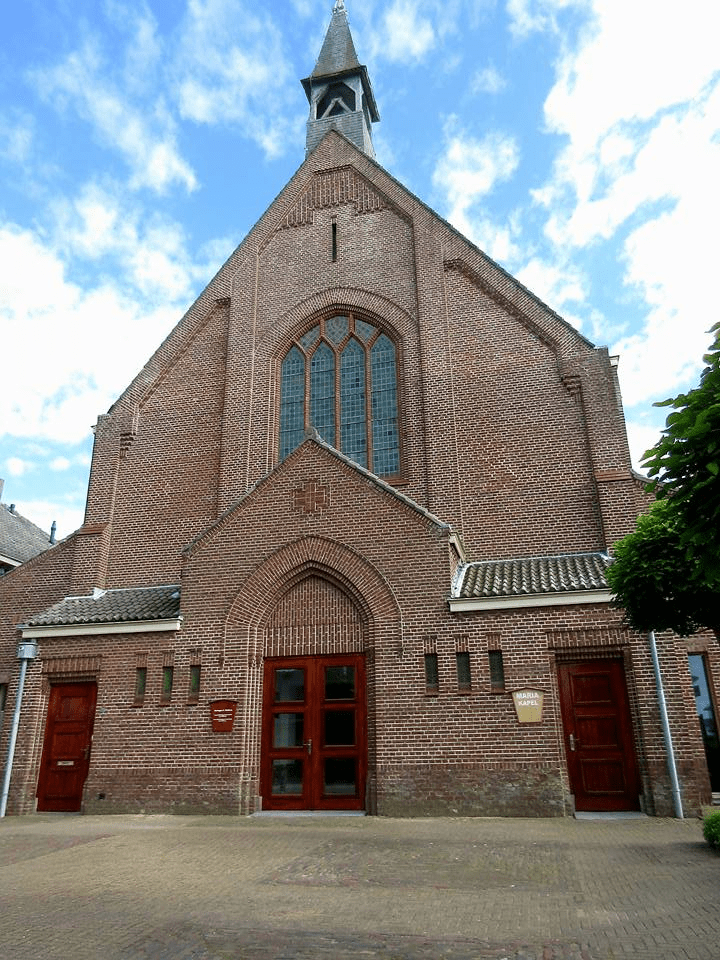
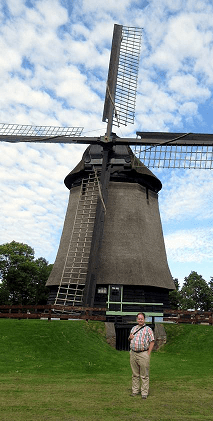
During the recent-most trip to Waarland, I also got to go by the church where my father was baptized. Unfortunately, there wasn’t time to go inside. As well, we stopped by a 450-year-old windmill that has been a museum since 1920.

H. Wulfram Kerk in Waarland
Poldermolen Waarland. Hangin’ out, more than a metre below sea level, as you do.

52 Weeks – Week 38: New To You

New to me? This blog!

As I noted in my very first post, I had signed up for Amy Johnson Crow’s 52 Ancestors in 52 Weeks Challenge three years in a row. The first two years I did absolutely nothing. This year, I rose to the challenge and, like I said at the start, third time’s the charm.

While the challenge doesn’t require a blog, I had been thinking about creating a genealogy blog for several years. The challenge’s goal of encouraging people to write about their family history fit into some of my other genealogical goals.

Like many genealogists, over the decades I’ve amassed quite a bit of family history. I had written bits and pieces about it in all sorts of forms and places. I kept thinking that if it was (largely) consolidated in one place, it would go far towards the process of consolidating it into something I might turn into a family history book or similar.

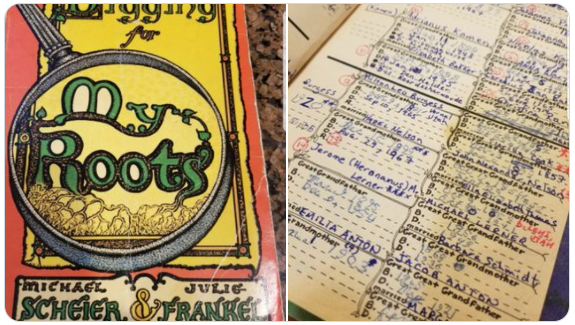
My first genealogy book, from when I was in elementary school.

Although I wanted to participate and share amongst others interested in genealogy, I really didn’t care if this blog got a lot of traffic. I have no need for prominence or search engine optimization. There are already a gazillion excellent genealogy blogs out there and I’m not looking to compete or create a niche amongst them. I don’t really go out of my way to promote this blog. I haven’t even really told many people in my family about it. I’ve told one of my sisters, who is an archivist and who kindly humors me when I share my family history interest with her. I’ve also told one of my brothers about it, because he genuinely seems to take an interest in this stuff. At most, every week I’ll post the latest entry on Generations Café, the Facebook group Amy Johnson Crow created for the 52 Ancestors Challenge and to the Twitter account, Deck of Ancestors, that I created as a companion to this blog. So while I am very happy when I see that people are visiting and commenting, in many ways this blog is primarily for me.

All in all, I’m happy that I finally found the wherewithal to undertake the 52 Ancestors Challenge and create this blog. It has helped me discover what I have researched in great detail and where I have significant gaps in my research – particularly for some things I had thought I had done years ago. I’ve found that one of the difficulties in the challenge is finding new things to write about. Sometimes, the topic just doesn’t speak to me. Other times, I find that something I’ve written about in the past fits into any number of subsequent weekly themes. In fact, I’ve discovered that sometimes I’ve unwittingly written about the same thing twice. However, what I am most pleased about is the fact that I’ve now kept with it for three-quarters of the year. Week 52 is no longer that far away!

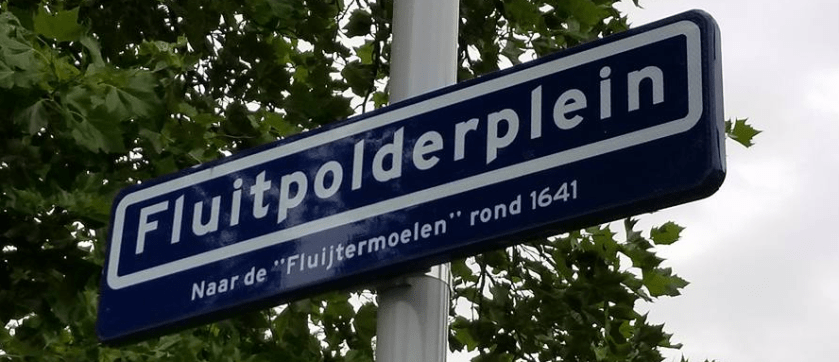
Fluitpolderplein (“Fluit Polder Square”) in Leidschendam-Voorburg, Zuid Holland, just outside of The Hague. “Fluijtermoelen” is “Fluit mill”. Either this place was named after my ancestor, or my ancestor took his surname from this place.

Then there are the numbers. I have a cousin who is one of a trio who do a prominent Doctor Who podcast. Each week when new episodes are airing, one of the three loves to go over the numbers, parsing the ratings and other stats of the latest episode. So before concluding this week’s post, I thought that I might do something similar, and look at my numbers for once.

I see that in the 258 days since I started this blog, I’ve had over 1,800 views and almost 1,200 unique visitors. That’s pretty picayune for serious bloggers, but I am amazed that it is even that high. My most visited post is from Week Five, “Branching Out”. No surprise, most of my traffic comes from Facebook and Twitter, usually after I post there with the latest week’s post. I’ve also noticed significant upticks when Amy has chosen to highlight my post in her weekly email. I’m so honored to have been selected!

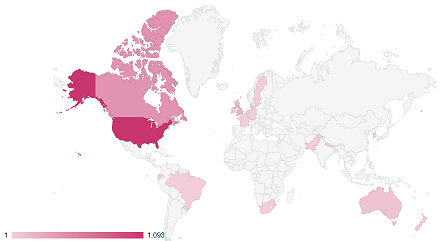
Another stat that should come as no surprise to me is that most visitors are from the United States, with almost 1,100 unique visits from that country. I have had over 400 visitors from my own country, Canada, with the United Kingdom coming in third with just over 150 visitors. However, I was surprised to see that I’ve had visitors from Pakistan, Ecuador, Sweden, South Korea, Denmark, Brazil, and Nepal. Amazing!

Where my visitors to date have been from. There are a few surprises there!

As the primary purpose of undertaking this blog was to get myself to write more about my family history after decades of researching and compiling information, I’d say that I have been succeeding in achieving that goal. Thank you to everyone who has taken the time to visit!

52 Weeks – Week 37: High and Low

Highs and lows bring to mind the Guinness Book of World Records. So for this week’s 52 Ancestors Challenge, I thought I’d consider some of the superlatives in my family tree. Bear in mind that this is for entertainment purposes only, because some of these superlatives have not been sufficiently researched or verified such that they can be taken as fact.

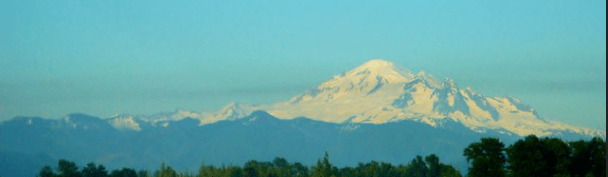
Here’s a high: Mount Baker, Washington

I cannot verify with certainty the longevity of the few centenarians in my database. According to my database, my longest-lived ancestor died at age 110. I don’t believe that for a second, so I won’t even name them. The person for whom I have at least a scintilla of information regarding their longevity is Joseph Metz, my first cousin three times removed. According to his headstone, as seen on Find a Grave, Joseph lived to be about 102 or 103. The longest-lived person in my database with the most reliable information regarding their lifespan is my fourth cousin three times removed, Fern Renner. She was better known to the world as Fern Welk, as she was married to the well-known band leader, Lawrence Welk.

My relative who was the oldest on their wedding day was my great great great uncle, Samuel Nelson, who married for the fourth time when he was 77. The bride, Cecilie Anderson, was 62. Samuel lived to be 93, making him one of my longer lived relatives.

The newlyweds, Hazel Nelson and Albert Beaves, about July 5, 1967.

My great grandmother, Hazel Nelson, married for a second time at age 67, not quite two months before she passed away. Her husband, Albert Beaves, was also a widower marrying for the second time. Albert was 85 years old at the time. He lived another nine years after Hazel’s death. Albert died when he was 94.

While Samuel Nelson had been married four times, the record for most marriages is my 7x great uncle, Archelaus Kenney, who apparently married five times. Not even any of the Mormon polygamists in my tree married that many times. However, I have not verified any of Archelaus’s marriages.

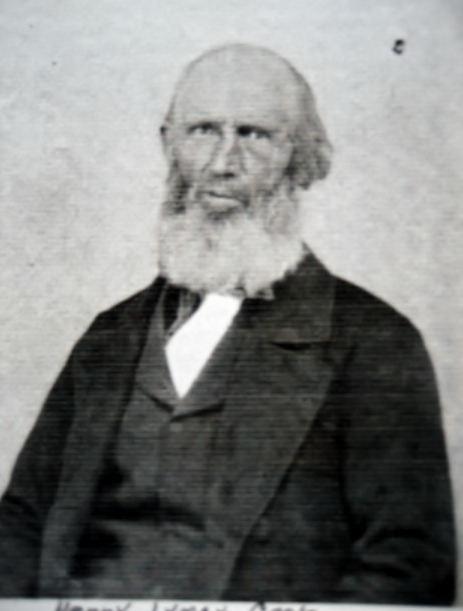
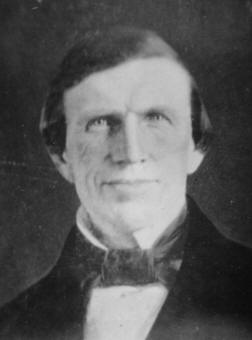
Otherwise, Samuel’s record was tied by his younger brother, my great great grandfather, John Alexander Nelson. However, while it appears that Samuel had been widowed each time he remarried, John was a polygamist. Another ancestor, my great x3 grandfather, Henry Lyman Cook, was also a polygamist who married four times. Other polygamist ancestors, including my great x3 grandfathers William Burgess, Jr. and Preston Thomas, only married three times.

A bunch of polygamists: John A. Nelson, Henry L. Cook, William Burgess Jr., Preston Thomas.

It probably comes as no surprise that the women in my family tree have had fewer multiple marriages than the men. I can find few examples of women who married more than twice. One of the exceptions is my great x4 grandmother, Louisa Thomas, who married three times. Her first husband, Lazarus Beakley, died a year or two after they married, when Louisa was around 24 or 25 years old. Louisa’s second husband, my great x4 grandfather Conrad Liggett, died 18 months after they married, when Louisa was 26. Louisa married again at age 29, to Aaron Cook. Unfortunately, that was another short-lived marriage, as Louisa died when she was 35.

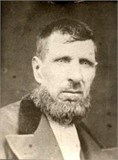
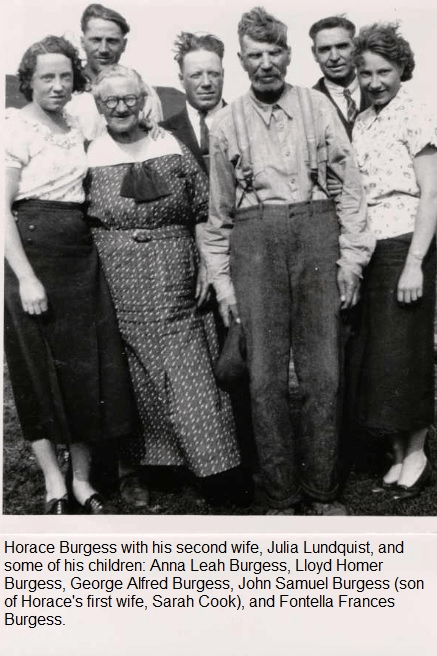
Of course, with marriage there are often children. Of course, the person with the most children in my tree is a father. My great great grandfather, Horace Burgess, had nineteen children. He had nine children with his first wife, my great great grandmother Sarah Cook. Their eight child and youngest son was Milton Leo Burgess, my great grandfather. After Sarah died, Horace remarried, to Julia Josephine Lundquist, with whom he had ten children.

The woman in my family tree who appears to have had the most children is Horace’s paternal grandmother, Violate Stockwell. Violate and my great x 4 grandfather, William Burgess Sr., had 12 children, including my great x 3 grandfather William Jr, who had 12 children with three different wives.

Delving far from what I’ve established through the genealogical proof standard, the earliest occurrence of a surname in my direct lineage is de Fleg, which dates back to the 10th century, through my 9x great grandfather Thomas Flegg. My connection to Thomas is through Henry Lyman Cook. While I have done a pretty good job at demonstrating my connection to Henry, I have not really done much work on his ancestry beyond the basics.

Here’s a low: standing a meter below sea level in Waarland, Netherlands

I realize that in this examination of superlatives, I have only considered the highs. Of course, considering the people in my tree who are at the opposite end of most of the categories I have discussed are in the multiples. The one category that might lend itself to reasonable consideration of the low end is the surname that might be the opposite end of earliest occurrence. In other words, the surnames I have traced the least far back in time. I’ve identified all 32 of my great x3 grandparents. It is the next generation where I face my first brick walls. I am missing nine of my 64 great x4 grandparents, all on my maternal grandmother’s side of the family. They are all Germans from Russia, who are particularly difficult to research. These lines trace back to settlements in what is now Ukraine, when it was part of the Russian Empire.

Genealogy: all the highs and lows are fascinating!