52 Weeks – Week 22: Conflict

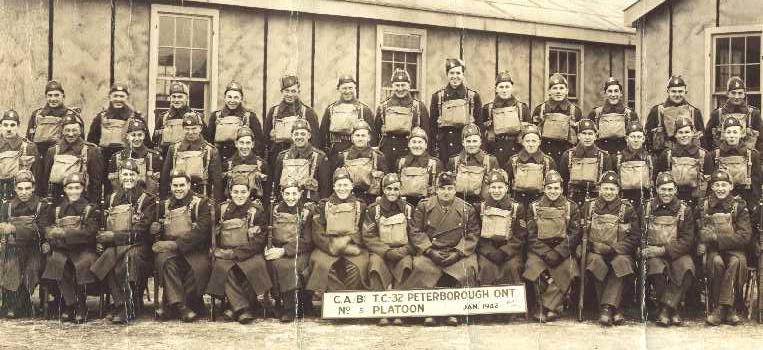
My grandfather during basic training when he first enlisted during WWII. One of these men was responsible for a “prank” that resulted in my grandfather’s back injury.
I definitely needed one of these this week.

This week’s theme for the 52 Ancestors Challenge, is “Conflict”. I knew right away what I wanted to write about: the fight by my maternal grandfather, Leo Burgess, for his military disability pension. Unfortunately, it has been exceptionally busy at home this week, so I only got to this today.

I have always found the records to be fascinating, because they read quite like a workers’ compensation claim, except in a military context. The records are rather detailed, and include both the legal and medical records that were part of the process. They also included far too much personal information about my grandfather’s personal life, going beyond what was necessary for the adjudicators to decide the issue. Nothing scandalous or unsavoury, just things you really don’t want to think about. As our 11-year-old says when there’s anything remotely romantic in a TV show or movie: ew.
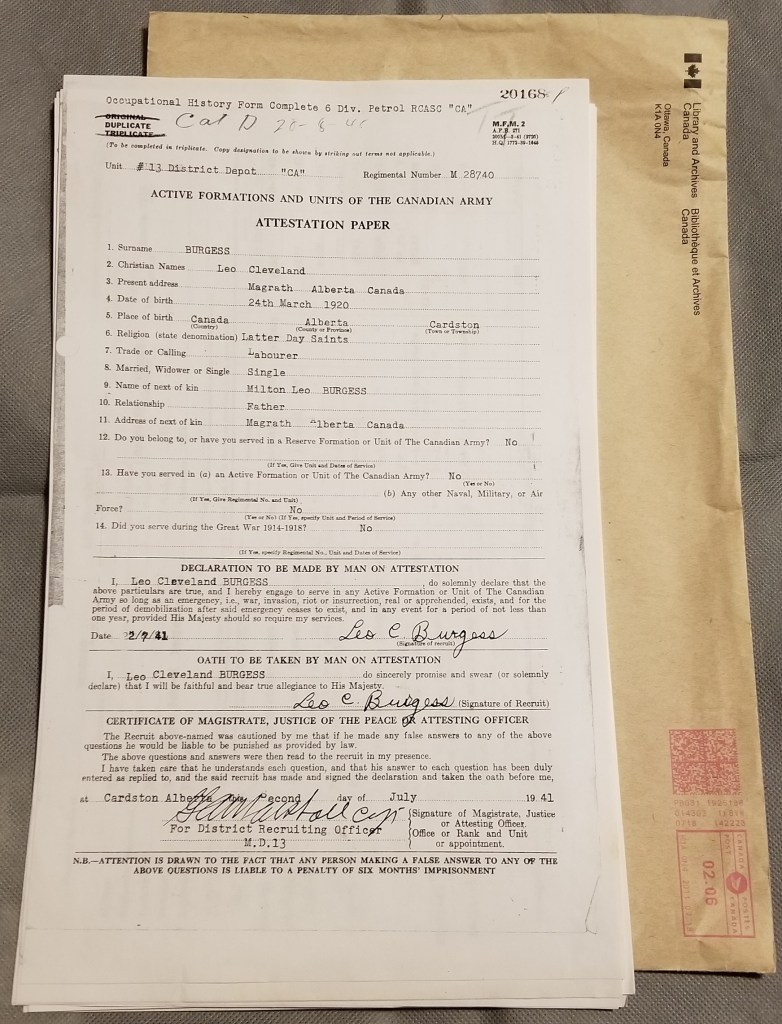
My grandfather’s attestation paper and other military records from the short time he spent in the army during World War II.

My grandfather’s military service and his injury were often-told tales, which is largely reflected what I found in his military records. My grandfather actually enlisted twice during World War II. The family story is that my grandfather was injured during basic training, due to a prank pulled by a bunkmate. A couple of months after he was discharged, my grandfather enlisted again. The family story is that he decided to re-enlist after a “robust” night on the town with his buddy. It wasn’t until after he was well into basic training the second time that the military seemed to discover that they had already discharged my grandfather once before, and decided to discharge him again.

Now, to the record. Both times, my grandfather was enlisted as a private. He first enlisted in July 1941. Upon enlistment, he was assigned to the 6th Division Petrol Company Royal Canadian Army Service Corps and posted to #13 District Depot in Calgary. However, he was admitted hospital in August 1941 due to appendicitis.
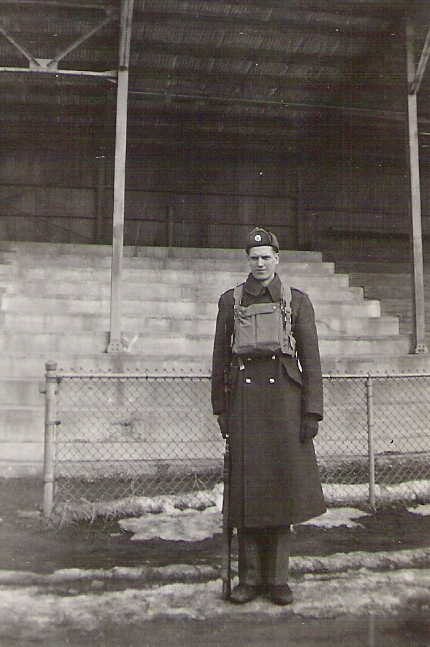
My grandfather during basic training in Peterborough Ontario.

Leo was in hospital until mid-September 1941, but was on sick leave for most of the rest of the year. On December 6, 1941, he arrived at the No. 32 Canadian Army (Basic) Training Centre in Peterborough, Ontario. Later that month, he was indeed injured due to a prank by one of his bunkmates.

If the family anecdotes are correct, this is an accurate depiction of my grandfather’s wartime injury.

According to my grandfather and the witness statement of another soldier, my grandfather had the top bunk of the bed. The man below him thought it was funny to use his legs to push the bunk above as a way to wake my grandfather up in the morning. The man pushed too hard, causing my grandfather to be ejected from his bed, injuring his back. My grandfather’s evidence and the medical records say that subsequent to this incident, his back condition worsened in the course of basic training

By mid-January 1942, my grandfather was in the hospital due to his back condition. He spent time at military hospitals in Peterborough and Kingston until March 1942, when he entered physical rehabilitation. The military discharged my grandfather due to his disability at that time, and he returned to Calgary.

My grandfather enlisted a second time in July 1942. While the family story is that the military didn’t know at the time that my grandfather had already enrolled and been discharged, the records are not so clear. At least one document refers to “re-enlistment”, so it may be that my grandfather’s prior service was not such a surprise to the army.

During his second enlistment, my grandfather was sent to the Canadian Army (Basic) Training Centre No. 133 in Alberta. He did not complete his training as he was discharged as he was “unable to meet the required Military Physical Standards”.
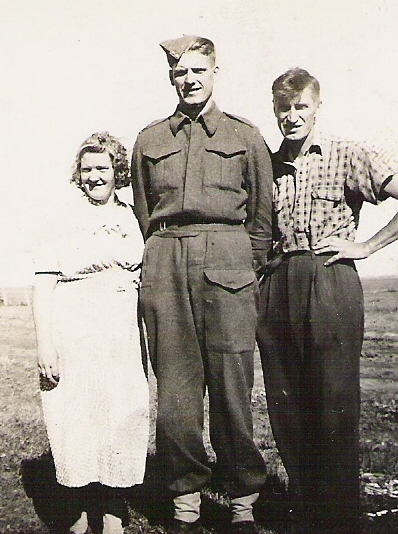
My grandfather with his parents, Hazel (née Nelson) and Milton Burgess.

The pension records I have do not tell the whole story. At every level of adjudication, the military had denied my grandfather a disability pension. My grandfather was about 6’4” or 6’5”. Veterans Affairs took the position that my grandfather’s back problems had been due to his height and were not aggravated by his duties during basic training. The documents I have are the statement of claim and a 20 page summary of evidence for what was likely the last level of appeal. I do not know if he was successful, although I do know he was in receipt of some form of military pension after he retired from his career with the Canadian Pacific Railway.

Despite his short and interrupted service, my grandfather was awarded the Canadian Volunteer Service Medal (CVSM), which was established on October 22, 1943 and issued in recognition of eighteen months of voluntary service in the Canadian Forces. The medal was granted upon honourable discharge to any service member of any rank who served on Active Service from September 1939 to March 1947. Leo was also granted the War Service Badge – General Service, awarded to members of the Canadian military who served in the military forces on active service during WWII and who honourably ceased to serve on active service by reason of physical disability.
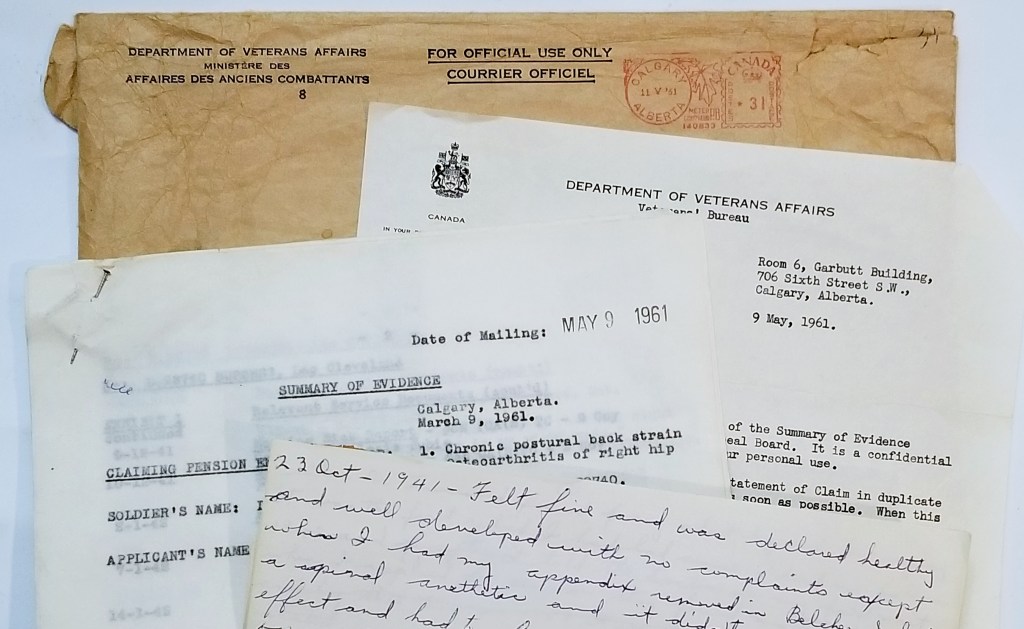
Some of the documents from my grandfather’s pension appeal.

52 Weeks – Week 17: Document

In the “Better Late Than Never Department”, it’s Week 17 of the 52 Ancestors Challenge. It was a busy week, so I am a bit late with what I am referring to as “this week’s theme”, Document. While an excellent album by R.E.M., the topic here actually relates to genealogical records and documenting genealogical events.

You spin me right round baby, right round, like a record baby, right round, round round.

Many many years ago, I read Ayn Rand’s The Fountainhead. As political philosophy, it’s nonsense, but I read it as literature. In that regard, there was one turn of phrase she used that I found to be an excellent descriptor of what one might otherwise call a “mixed bag” or “hodge podge”: “a mottled collection of cracked coffee cups“. I think that describes the somewhat random curation of documents I have chosen to highlight.

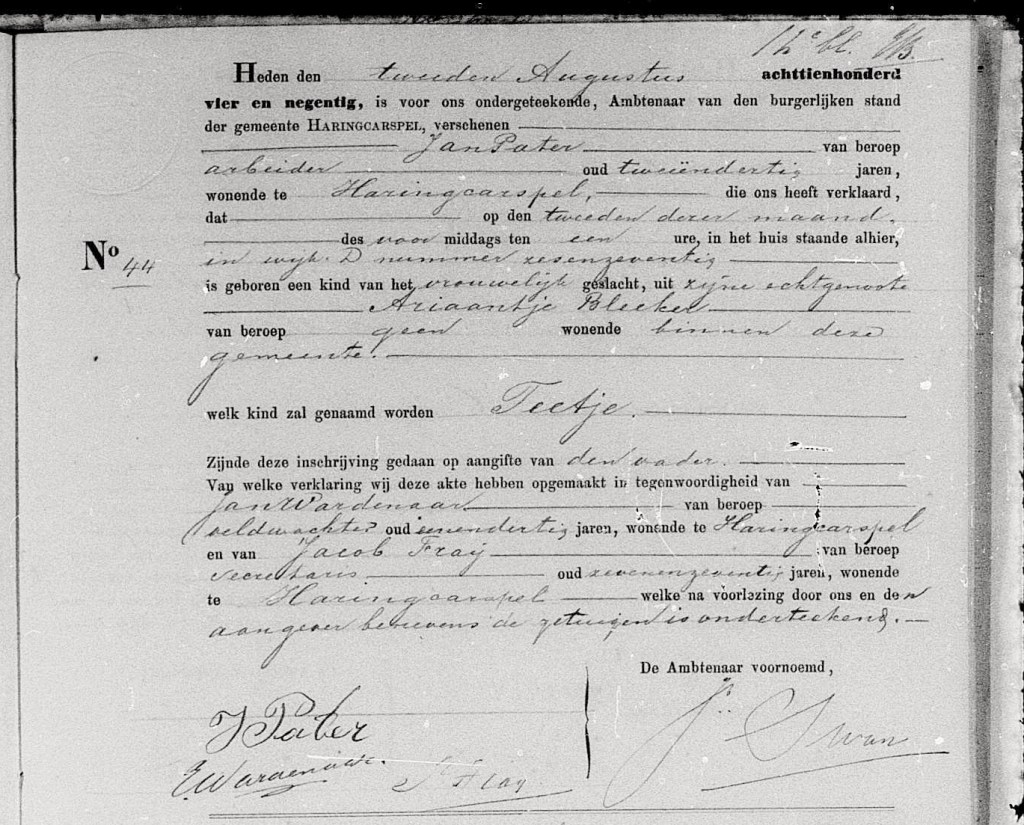
My original intention was to find the very first physical copy of document I sent away for as part of my genealogical research. I started my family tree when I was eight, but did not start gathering records until my 20s. That was back when you had to write letters and send away for documents. I’m pretty sure the first record I obtained that way included the birth registration for my father’s paternal grandmother, Teetje Pater.

Birth registration for Teetje Pater, born August 2, 1894 in Waarland, Harenkarspel, Noord Holland, Netherlands.

However, I never got around to finding the physical document, although it turns out I had scanned it a long time ago. I got sidetracked in my quest, because I had forgotten how many physical records I had gathered back in the day. I was impressed with myself, seeing the care I had taken to properly sort and store them. Not only documents, but artifacts. Hopefully my Aunt Diana would be proud. It turned into a fun trip down memory lane. What I’ve ended up doing is choosing a few random items that caught my fancy in the moment.
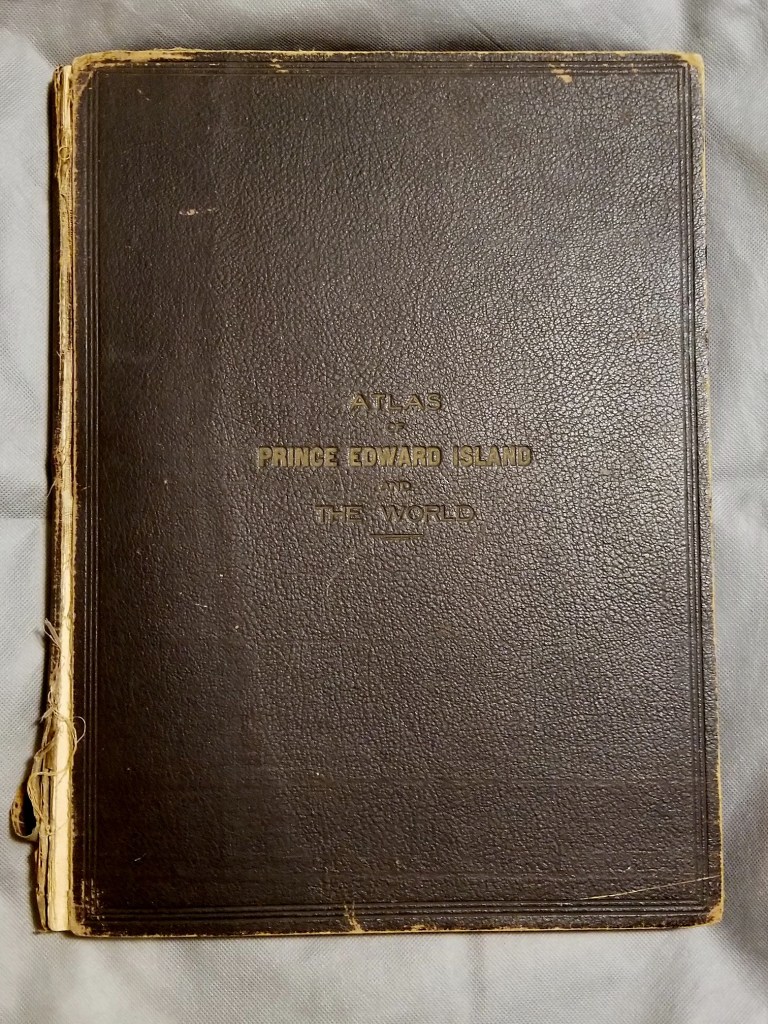
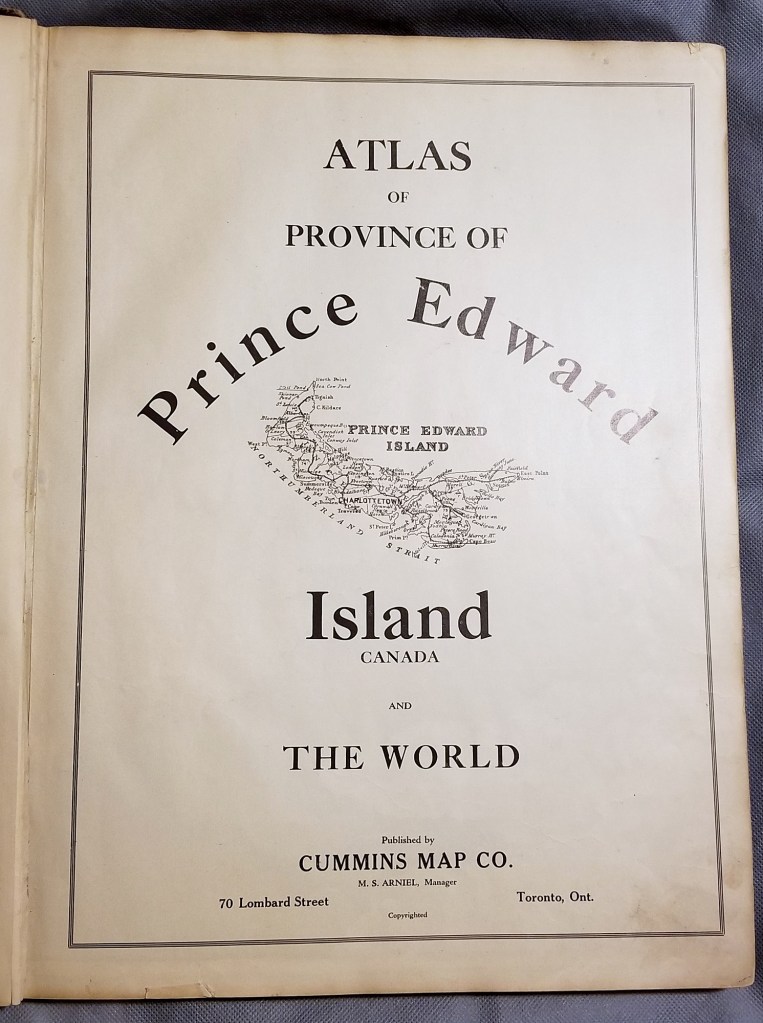
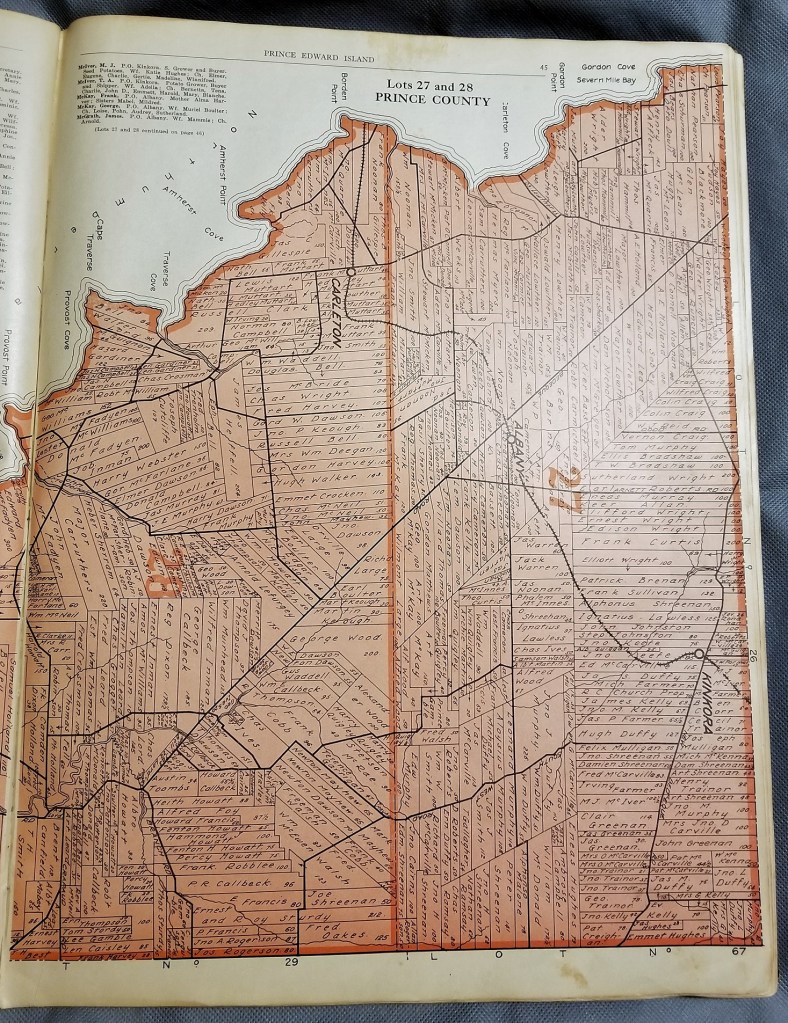
The first item I cast my eye upon was not so much a document qua document, but a book that I store with my documents, the Atlas of Prince Edward Island, Canada, and the World, published by the Cummins Map Co. in 1928. It belonged to my wife’s great grandfather and was given to me by my father-in-law, who has deep Island roots. Not only is it an amazing resource for research, it’s a beautiful work of art. You can see this atlas online.

The CBC recently reported about a similar earlier atlas of P.E.I, the Illustrated Historical Atlas of the Province of Prince Edward Island, published by the J. H. Meacham Company in 1880. The Meacham Atlas is available to view online through the University of PEI.

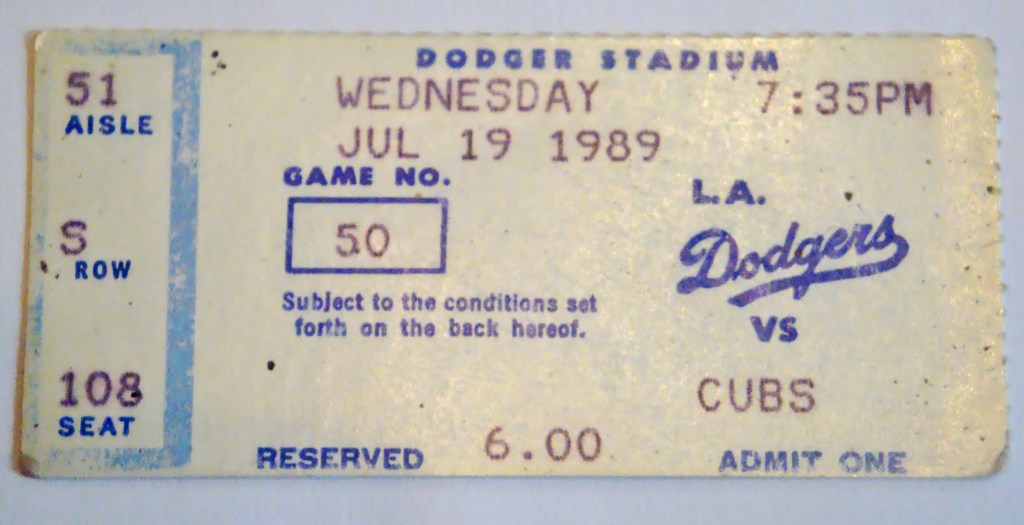
I also have many original records of my maternal grandfather, Leo Burgess. These not only included things like letters he wrote to his grandparents while he was in basic training during World War II, LDS church records, tax and property records, vital stat records, SIN card, drivers licence, but also fun things like a ticket stub when he saw his beloved LA Dodgers with his brother.

Unfortunately for my grandfather, the Dodgers lost. The final score was 4 – 0 for the Cubs.

Among other things, I also have the records of his appeal for his military pension. My grandfather enlisted with the army twice during World War II – long story – but was discharged due to an injury he sustained during basic training the first time he enlisted. It wasn’t the training itself that caused his injury, it was a prank his bunkmates pulled on him that resulted in a permanent back injury. The documents read a lot like a workers’ compensation claim, as they use a lot of the same language that you see in workers’ compensation law. I also have my grandfather’s military records, which I obtained from Library and Archives Canada. I only had to wait a year for them, which unfortunately nowadays would be considered a pretty speedy response.

My grandfather’s attestation paper and other military records from the short time he spent in the army during World War II.

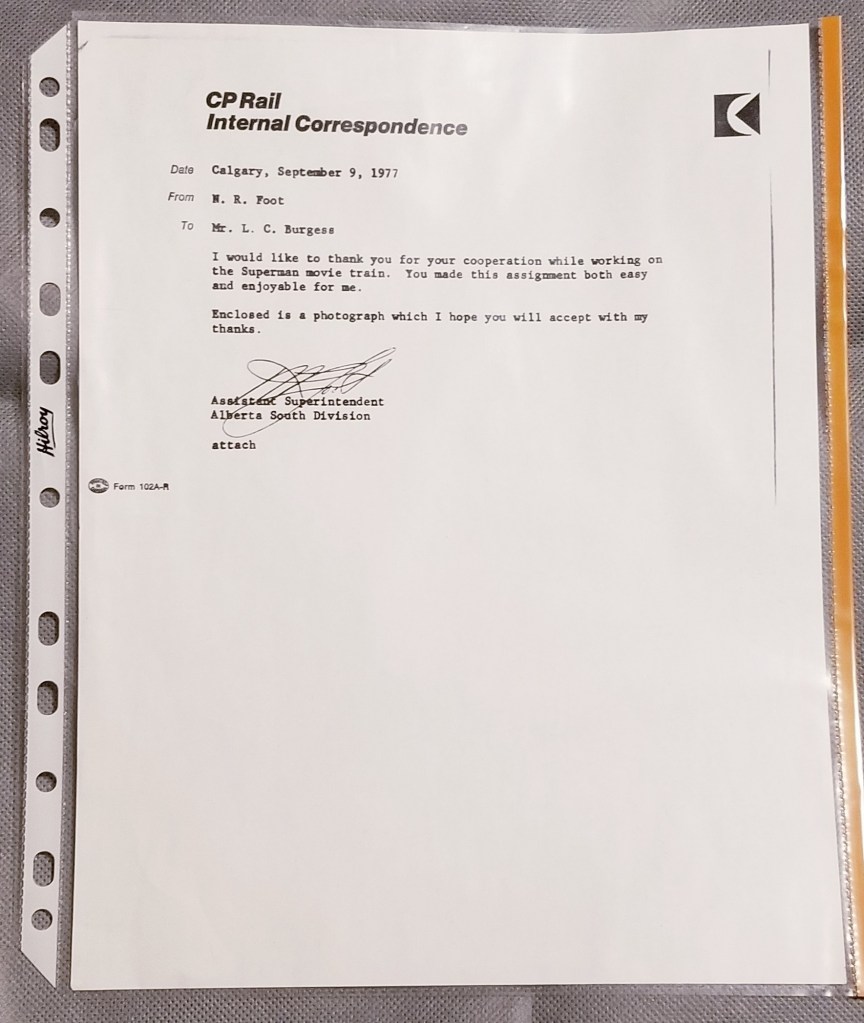
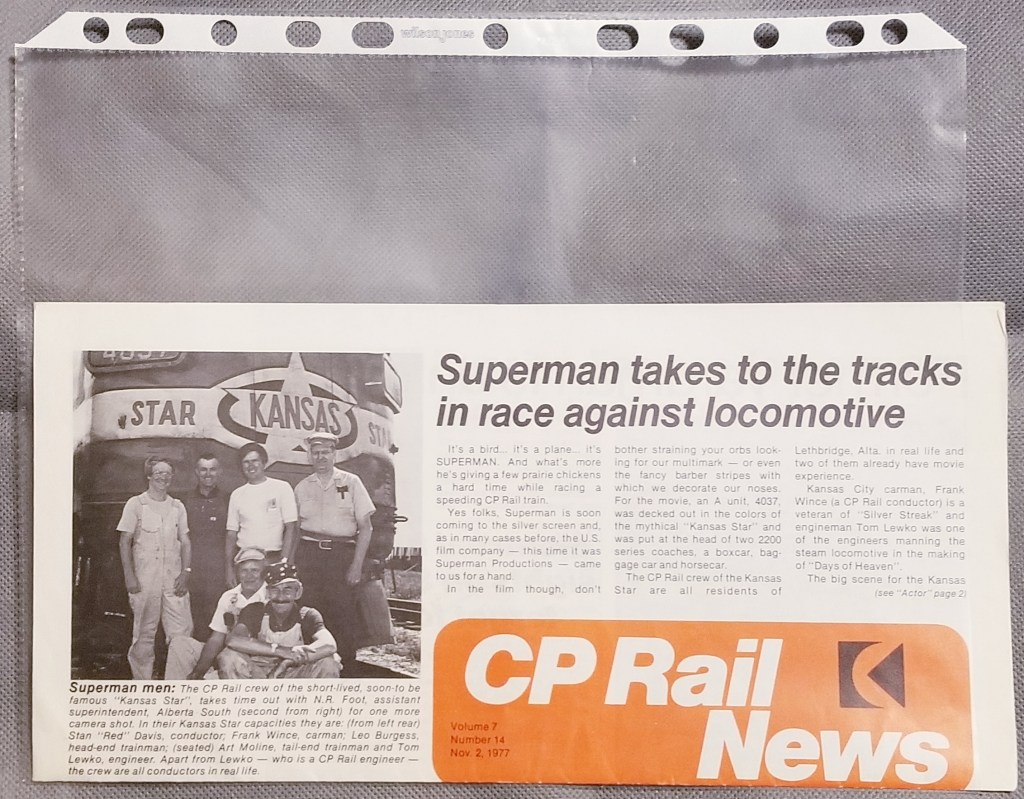
I have mentioned before that my grandfather worked for the Canadian Pacific Railway for over 30 years, first as a brakeman and later as a conductor. During his time with the CPR, he worked on the train crews for movies like Silver Streak and Superman: The Movie.

Working on Superman was one of the highlights of his working life. My grandfather was always proud to talk about meeting one of his favourite actors during filming, Glenn Ford. The scene took six days to shoot. During his memorial service, one of my grandfather’s friends told an anecdote that suggests my grandfather felt that he had gotten familiar with the cast and crew. Apparently during a break in filming, Ford was talking to a group of the railway workers when my grandfather sauntering up, put his arm around the actor, and said, “How’s it going, Glenn?”

My grandfather was working in the engine during the filming of this scene.
I don’t have the photo that this letter refers to, but I assume it’s the same photo that appeared in a few railway publications I have seen.
My grandfather, Leo Burgess, is the man wearing a cap standing on the right side of the photo. I assume this is the photo referred to in the photo above.

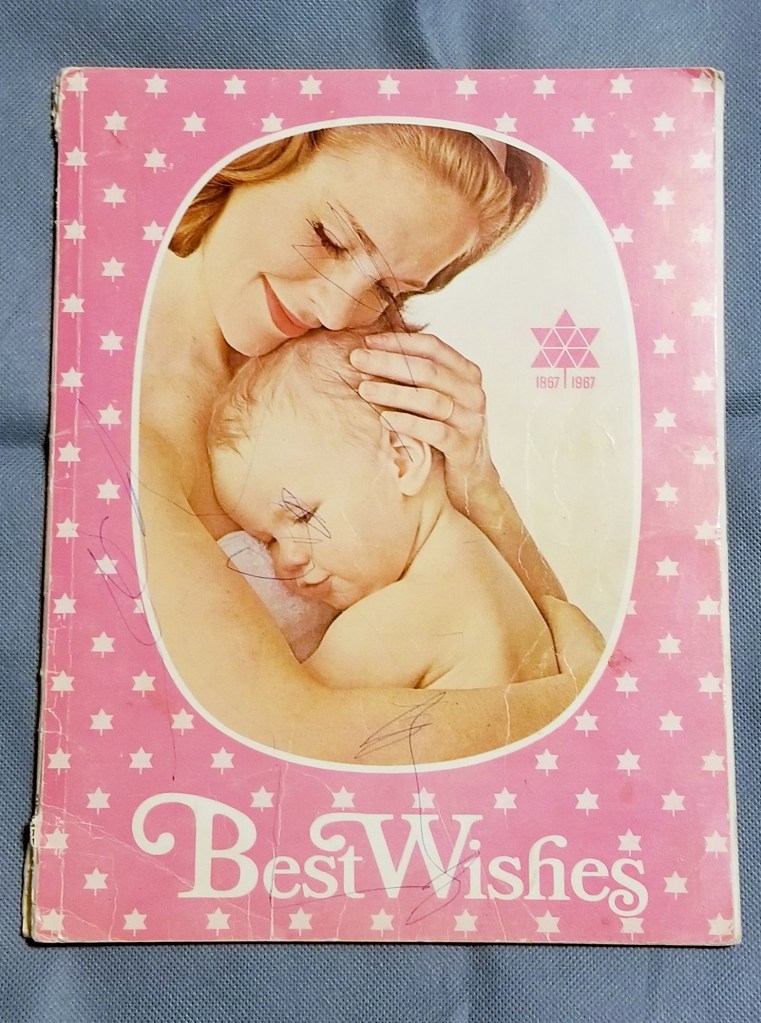
I was also surprised to see the records I have for myself, including an envelope containing a lock of my hair from my first haircut. What I was happiest to find was my baby book. I came across all my siblings’ baby books while visiting my folks over Christmas, but not mine. I forgot my mother had given me mine a long time ago.

On the first day of Grade Five, our teacher began class with, “Welcome centennial babies!”

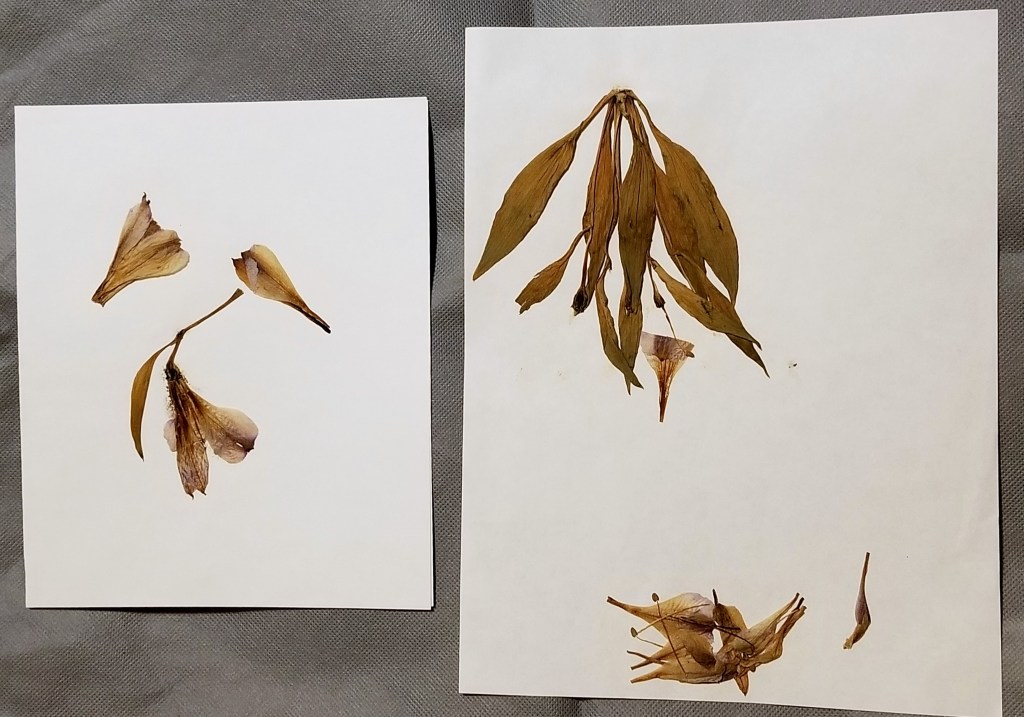
More of an artifact turned into a document, I pressed some of the flowers that relatives in the Netherlands sent for the funeral of my paternal grandmother, Christina Komen. She passed away in Lethbridge, Alberta on Christmas Eve in 2000, only a few hours after I arrived there for the Christmas holidays. I was always sorry I was unable to get there a few days earlier.

If I had been smarter, I would have made a note of what kind of flowers these were. I also wish I had remembered these during Week Eleven, Flowers.

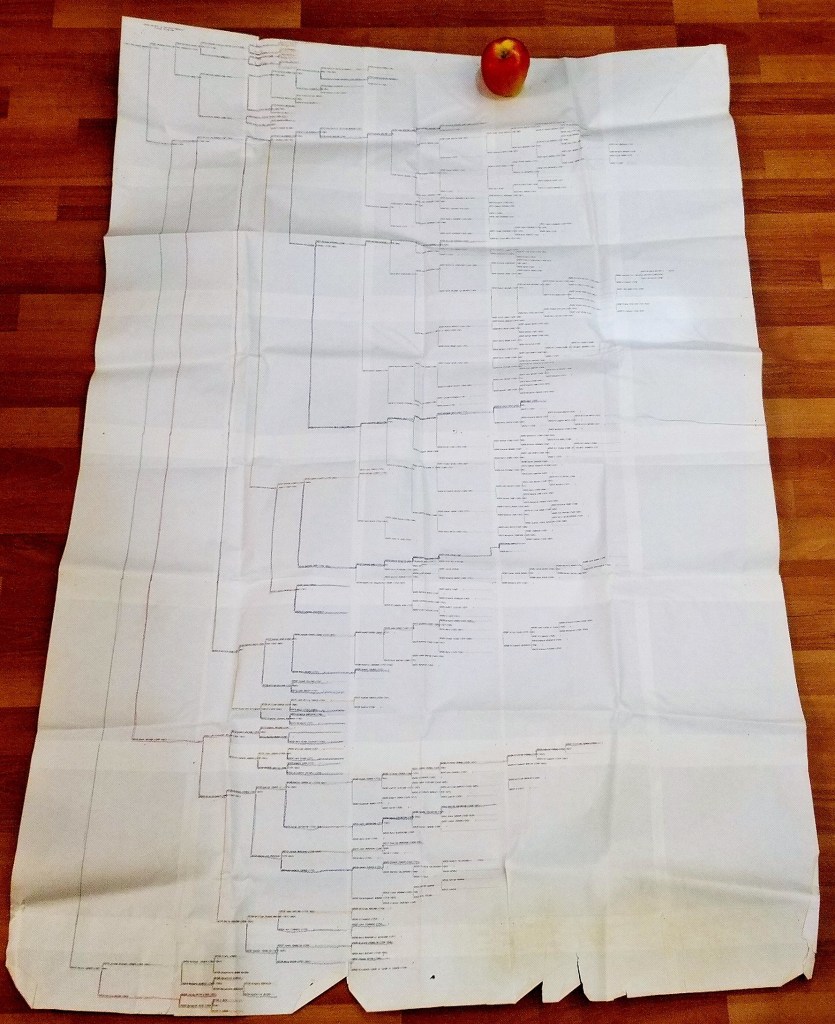
I’d like to end with one document I forgot I had saved. This is one of two wall-sizes pedigree charts I had hanging in the flat where I lived in the 1990s. I created it with the old DOS version of Cumberland Family Tree, probably using a dot matrix printer. It hung on a wall I had dedicated to family history photos.

In the decades since I created this, a couple of branches of this pedigree have now been pruned, while others have been greatly expanded. I placed an apple on the document to provide a sense of scale.

Now time to play catch up and start on Week 18: Social!

52 Weeks – Week Thirteen: Sisters

My mother has told me, several times, that before I was born my father had hoped to have five daughters. As the first born, I quickly put paid to that. It was probably in my father’s best interest. Back in my teens when my father had hair, I liked to tell him that all the grey ones were entirely due to his daughters and none of his sons.

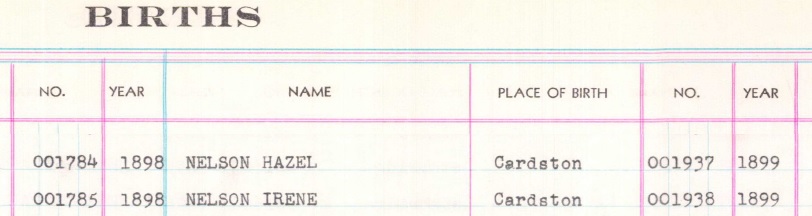
Hazel and Irene Nelson in the Alberta Birth Index

When I saw the topic for this week’s  52 Ancestors Challenge, the first sisters who immediately came to mind were my great grandmother and her sister. They are amongst the very few twins I actually have in my family tree. Unfortunately, they were sisters who never had the opportunity to know each other or to share a childhood together.

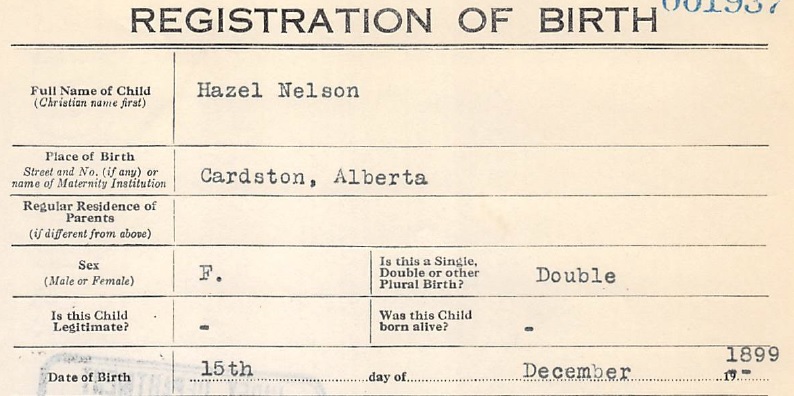
Hazel and Irene Nelson were born to John Alexander Nelson and Ella Elizabeth Thomas on December 15, 1899. The girls were the tenth and eleventh of twelve children. Given that Hazel was registered first, I take it that she was born first.

John and Ella were amongst the earliest settlers of Cardston, Alberta, which was founded in 1887 by members of the Latter Day Saints (Mormons). The Nelsons arrived in 1890 and began farming nearby.

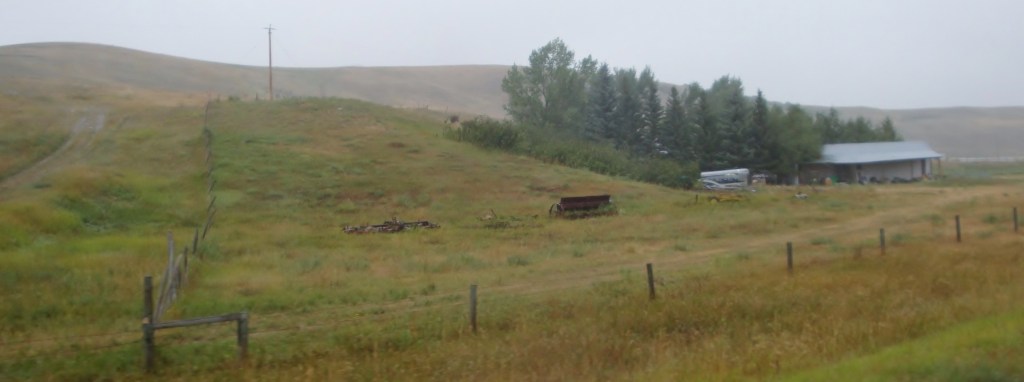
This is where my great great grandparents, John and Ella Nelson, first farmed when they settled in Cardston, Alberta

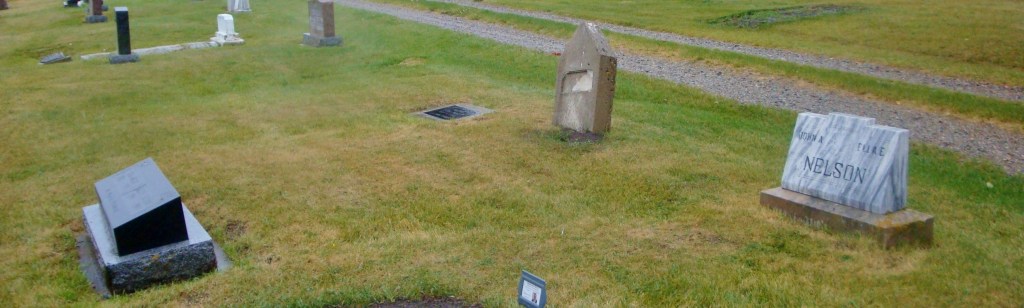
Hazel and Irene Nelson were the first twins born in Cardston. Sadly, Irene passed away five weeks later. I’ve been to the cemetery where she is buried. Unfortunately for me, I only discovered where she is interred after my trip. While I did not realize it at the time, Irene is buried next to her parents. The grave marker is damaged. Information for the Cardston Cemetery on the Town of Cardston website confirms that Irene’s grave is the one beside her parents. Irene’s brother is interred in the plot below hers.

Irene Nelson is buried beside her parents John and Ella, whose grave marker is the white one in the foreground. Irene’s grave is the one with the damaged headstone. The black marker on the left is Irene’s brother Seth Henry Nelson and his wife Mabel.
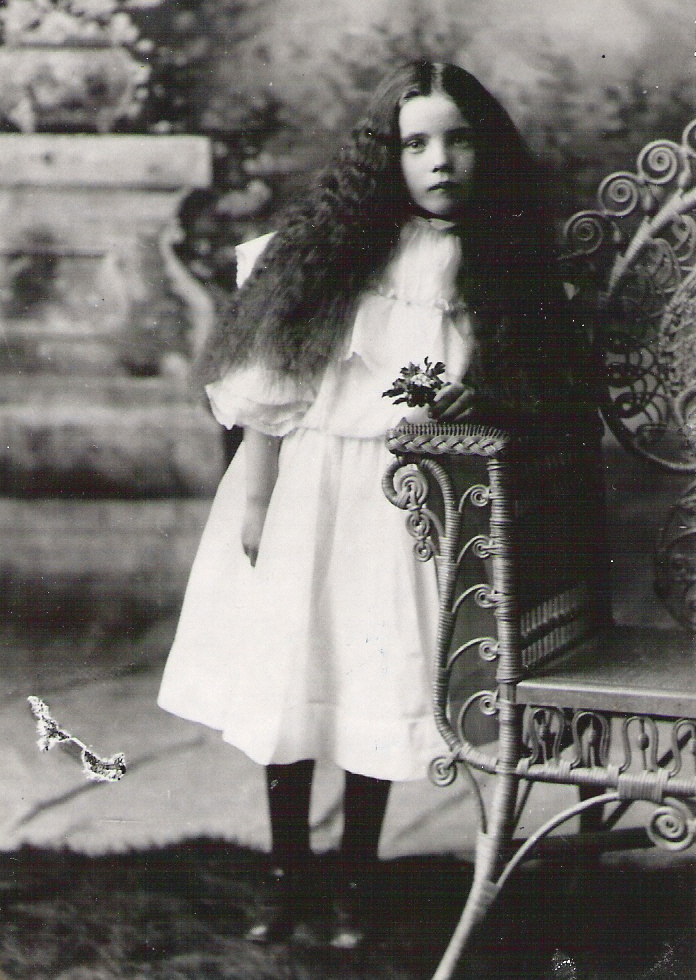
Hazel Nelson, about 1904

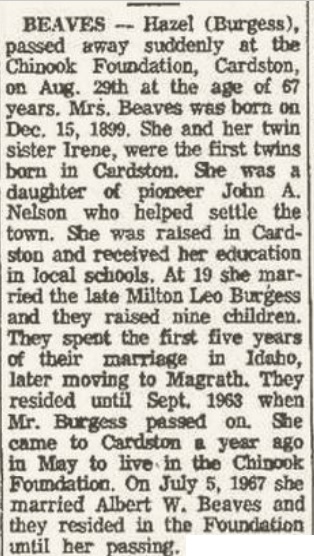
Hazel, on the other hand, lived to be 67. She and her husband, Milton Leo Burgess, had nine children, the oldest of whom was my grandfather, Leo. Milton died in 1964. Eight weeks before she died, Hazel married a widower, Walter Beaves. They met in the seniors’ home where they both lived, which Hazel called “the old fools’ home”.

Hazel passed away three days before I was born. My mother pretty much went from her grandmother’s funeral to the hospital for my arrival.

Hazel’s obituary in The Lethbridge Herald

52 Weeks – Week Twelve

Joined Together

Twelve weeks of genealogy, my true love gave to me: the theme “Joined Together” for the 52 Ancestors Challenge. Rather than a lot of discussion, I thought this week I’d post photos of some of the couples whose unions ultimately resulted in…me!

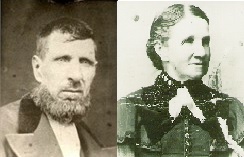
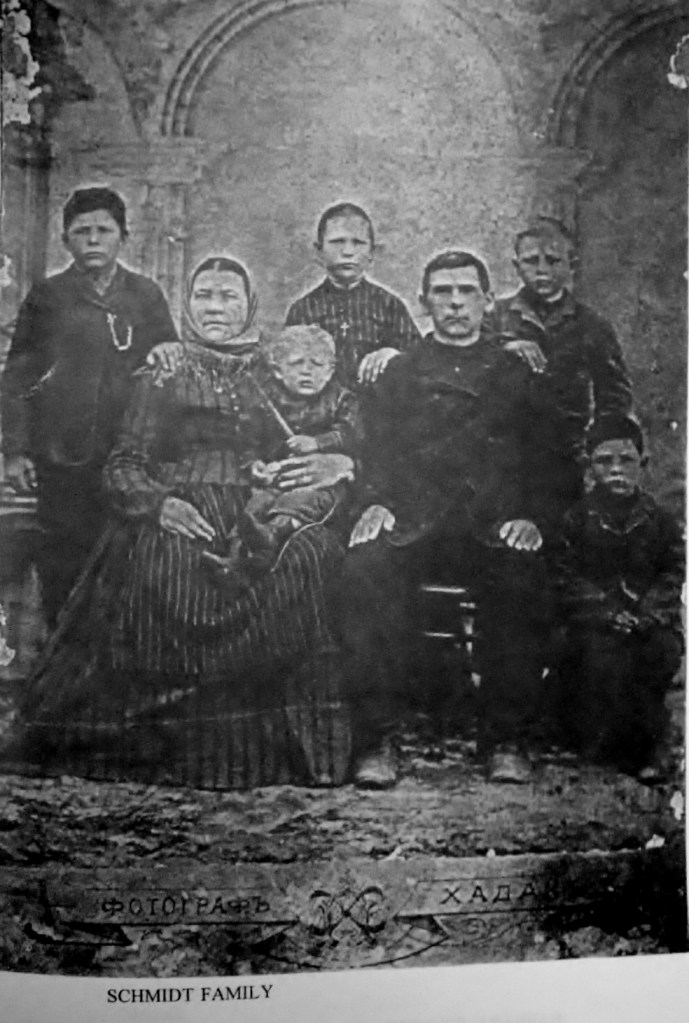
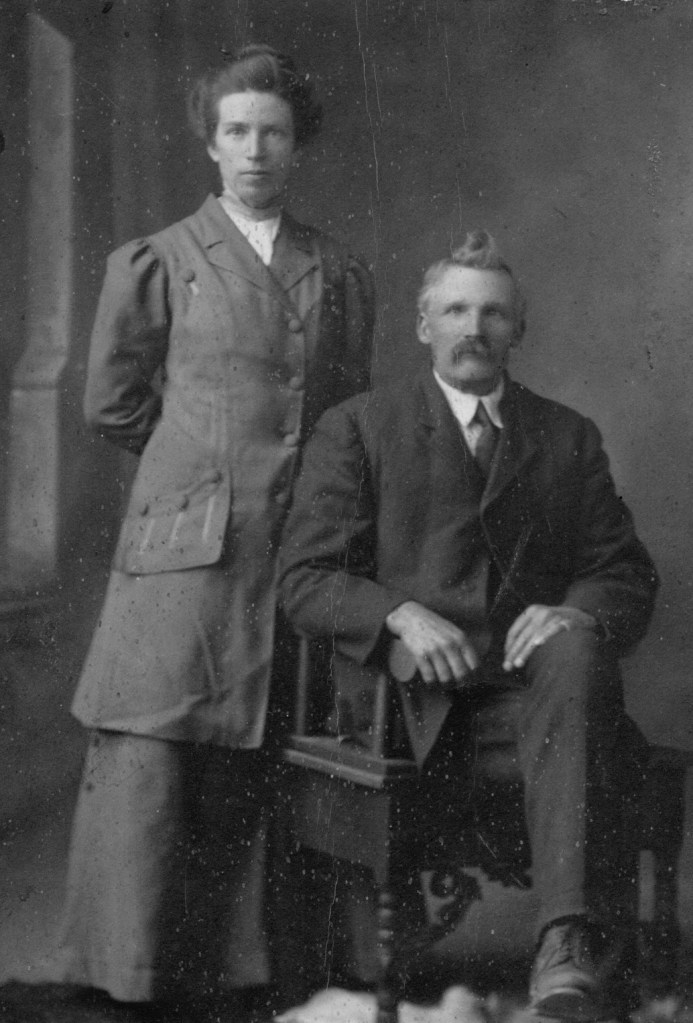
While I have photos of other (great) grandparents, I will only post for those of whom I have the pair. First, my maternal great great great grandparents.

Valentine Schmidt (1839 – ?)
Margaretha “Regina” Boechler (? – ?)

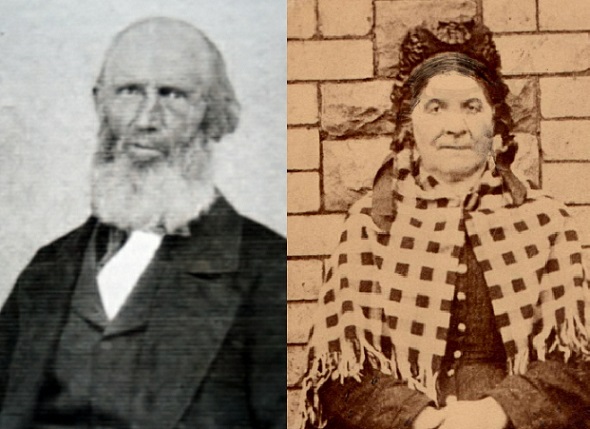
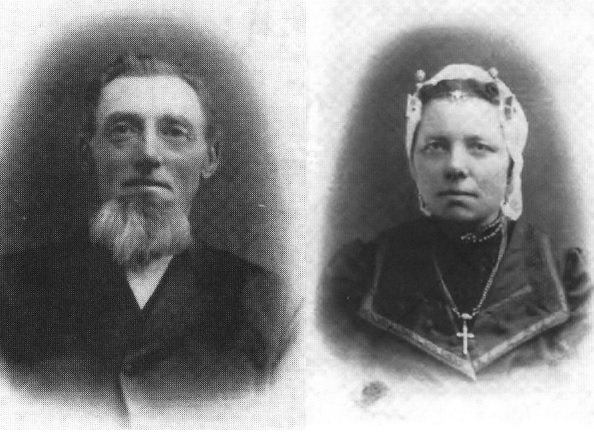
Next, for my great great grandparents on my father’s side, I only have photos for one pair. These are my grandfather’s grandparents.

Johannes Jansz “Jan” Pater (1862 – 1935)
Ariaantje Jacobs “Adriana” Bleeker (1865 – 1929)

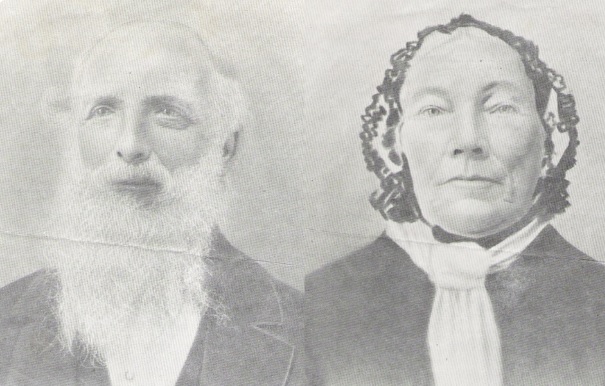
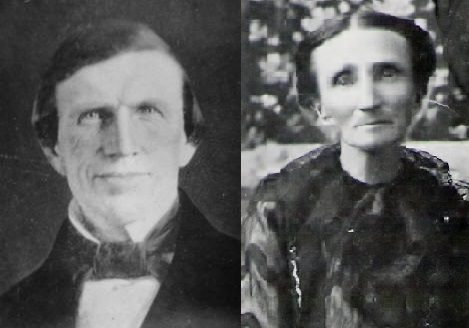
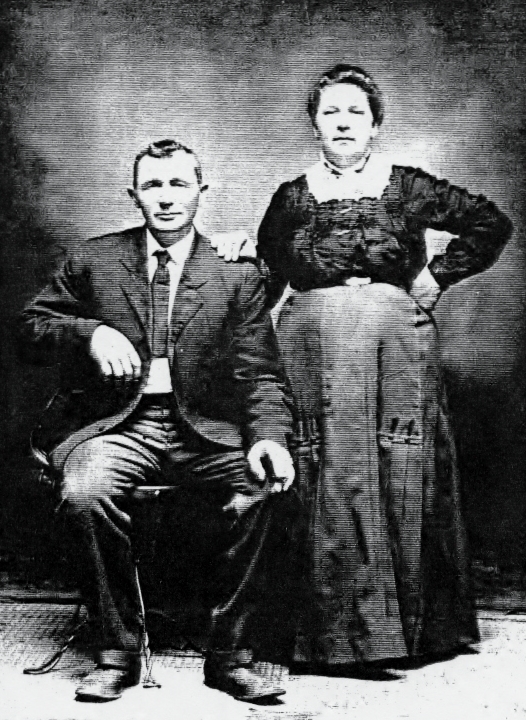
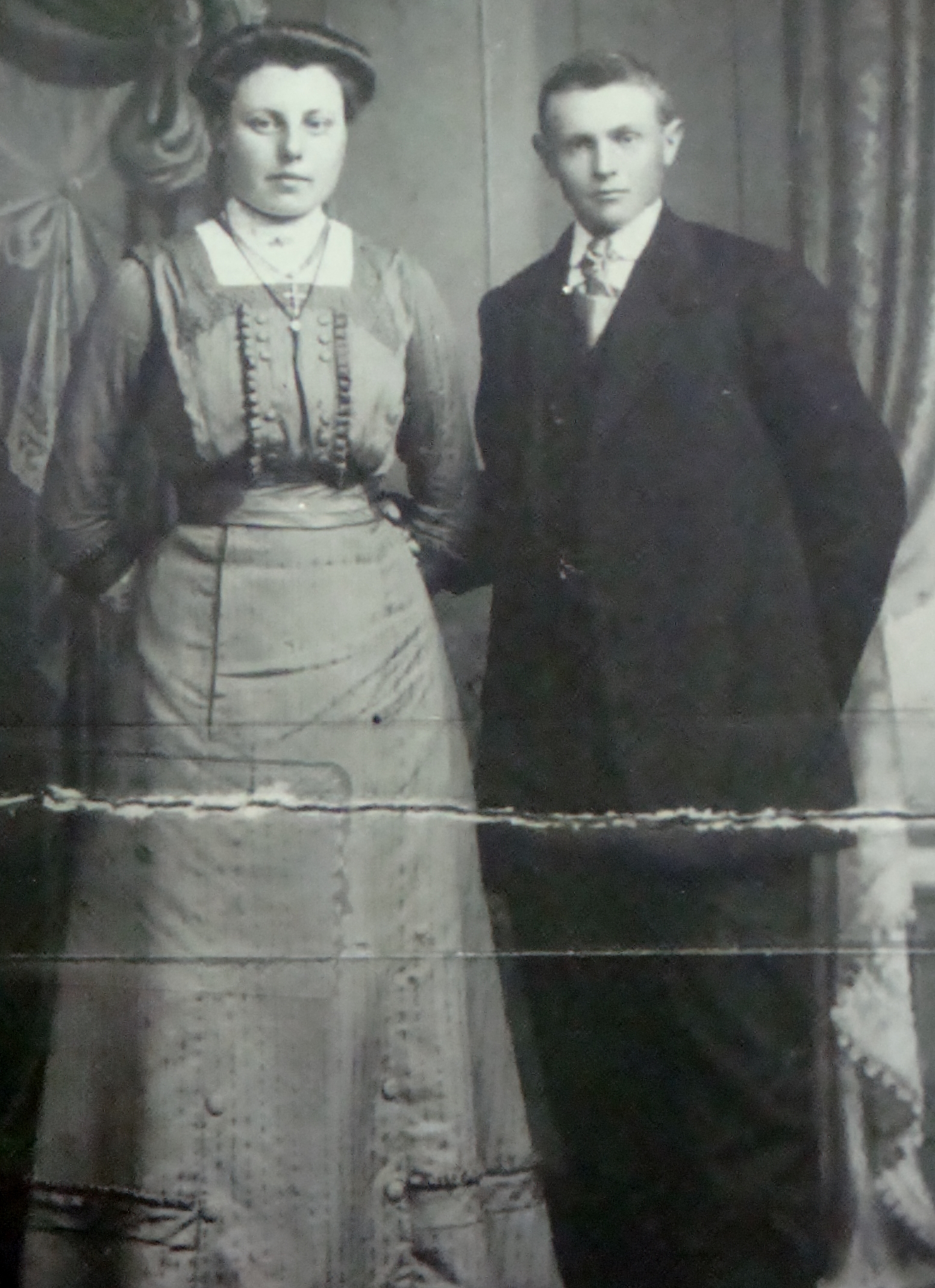
I have photos of all my maternal great great grandparents.

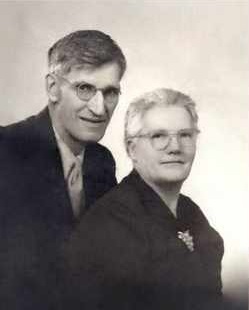
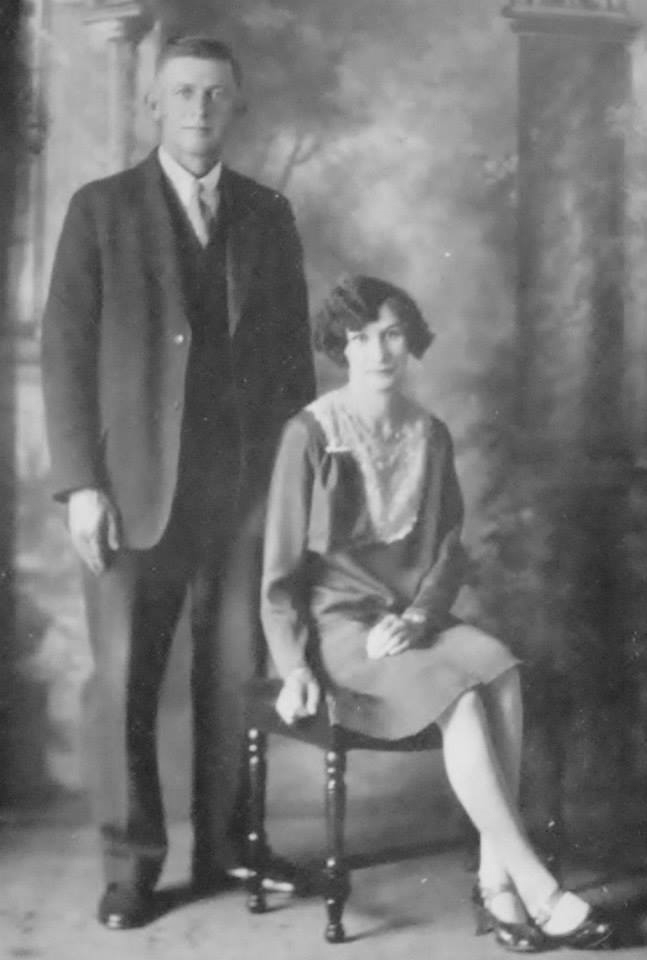
On to my great grandparents. I have photos for all of them.

Theresia “Teetje” Pater (1894 – 1947)
Johannis Albertus van der Fluit (1894 – 1932)
Adrianus Komen (1888 – 1948)
Elizabeth Bakker (1888 – 1976)
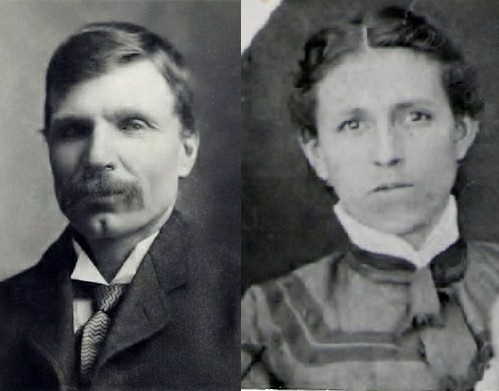
Milton Leo Burgess (1891 – 1964)
Hazel Nelson (1899 – 1967)
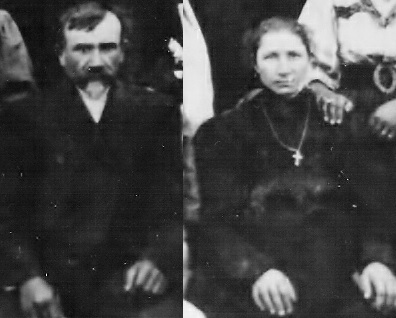
Heronimus “Jerome” Lerner (1895 – 1954)
Emelia Anton (1903 – 1997)

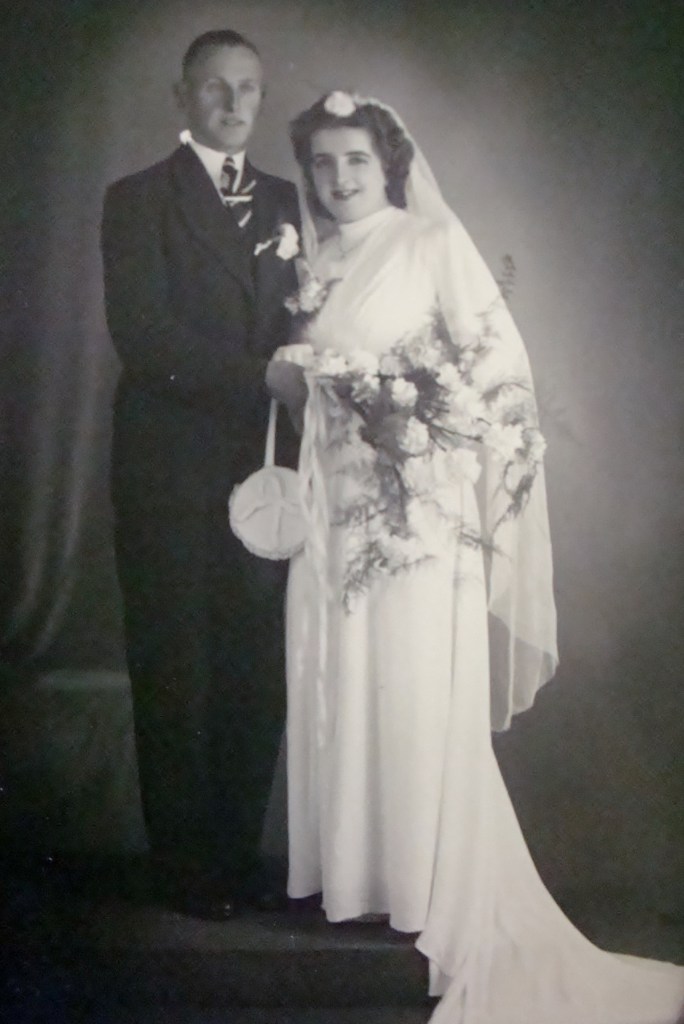
My paternal grandparents.

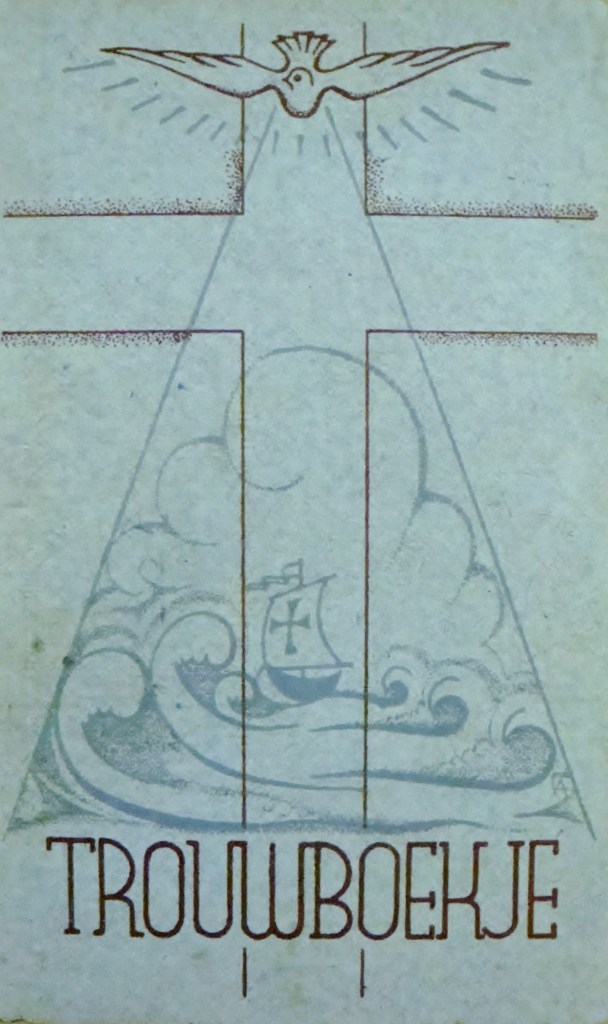
Trouwboekje” means “marriage booklet” in Dutch. In the Netherlands, only a civil marriage is legally valid. A church ceremony can take place afterward, but is not recognized by the state. The registry office would issue one to a couple at they time they were married. They typically include an extract of the marriage registration. While they can vary from one municipality to another, a trouwboekje usually will include space for the birth information of the couple, as well as for the children of the marriage. They can also include information about religious matters, such as information about the church wedding and baptisms of the couple and their children.

My maternal grandparents.

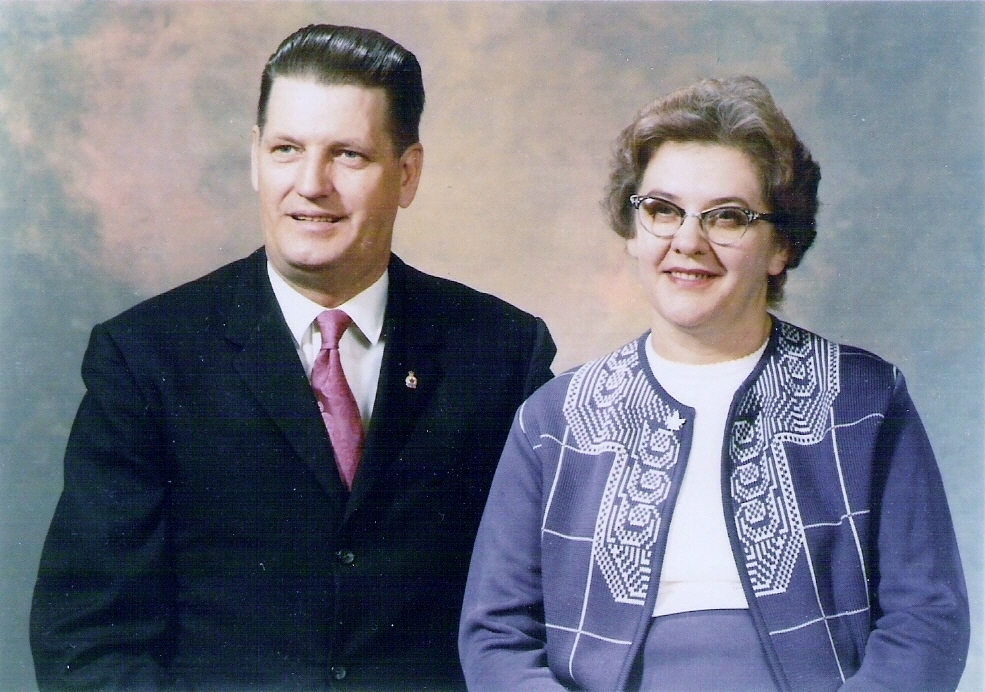
Leo Cleveland Burgess (1920- 1995)
Helen Lerner (1921 – 1984)
October 1971
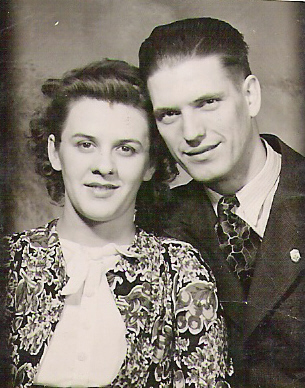
Helen and Leo around 1947.

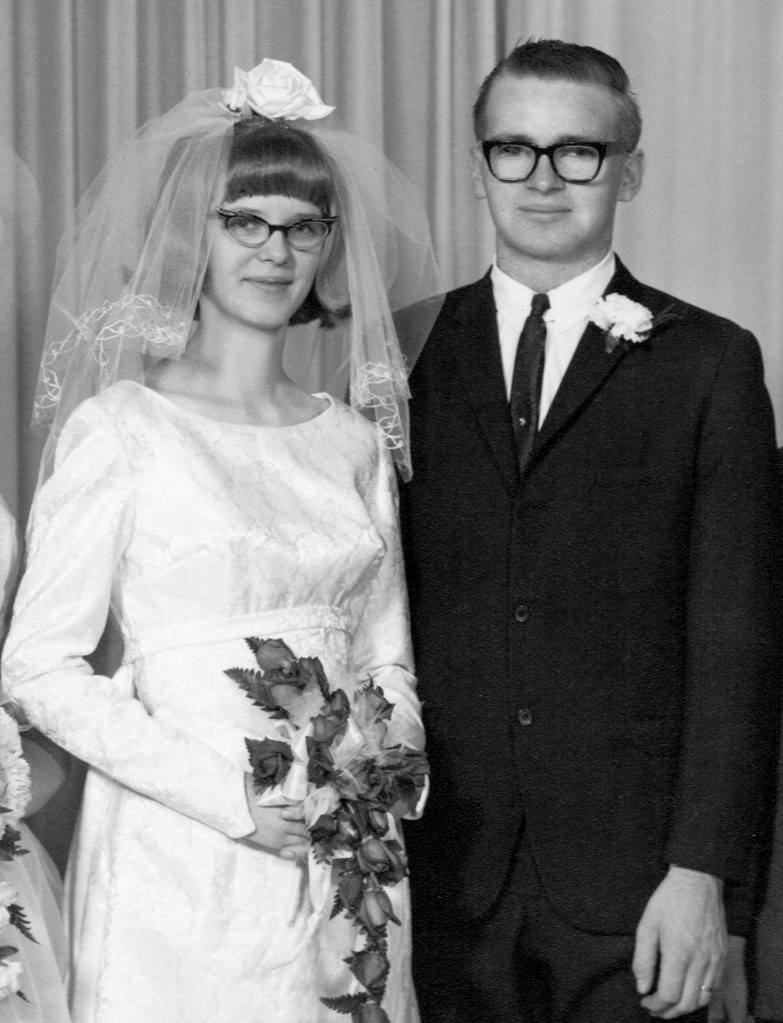
My parents. Married crazy young by current standards and still together, modelling what a great marriage should be.

And then there’s mine.