

March is Women’s History Month and March 8 was International Women’s Day. From the International Women’s Day website:
Celebrate women’s achievement. Raise awareness about discrimination. Take action to drive gender parity.
My mother’s aunt, Adeline (“Addie”) Lerner (1930-2023) was a strong advocate for women’s rights during her lifetime, starting in the early 1970s. She was a founding member of one of the first women’s groups in Lethbridge, Alberta, which opened up a women’s centre. Addie also participated in establishing one of the first daycare centres in Lethbridge. She was also a member of the Alberta Status of Women Action Committee – Lethbridge Branch and served on the provincial board as a regional representative in 1989-90.
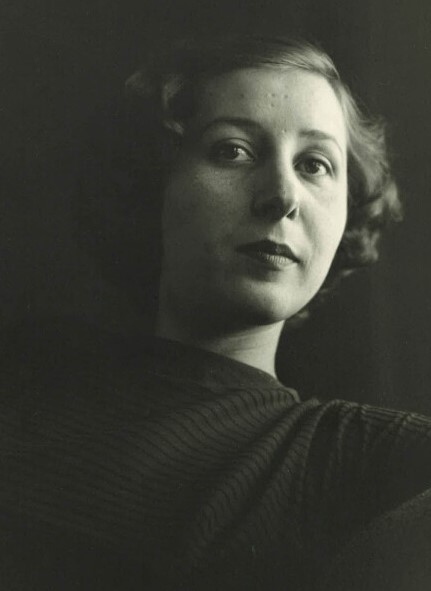
Sometime around 2017, the Alberta Labour History Institute conducted a series of “Interviews Relating to Women and Work in Alberta”. This was part of the ALHI’s “Moving Forward” project. Its goal was:
“…to record and recognize the important work carried out by women throughout Alberta’s history, and to honour the achievements of women in various areas of work and the labour movement. The project involves the gathering and recording of the stories of and about women and work, and making this history available to the public.”
The ALHI interviewed a number of women as part of the Moving Forward project. My Aunt Addie was one of them.
Addie noticed the inequities as a child:
I can remember one time when I was a little girl, my mother did let me run around all over the place, I was free that way. Some relatives came to visit. They came in a buggy and horse, and they had three rowdy boys with them. When they drove up I had a rim of a wagon wheel and I was running around pushing it with a stick. The lady said to my mother, isn’t she a little old to be running around like that with that wheel? Suddenly I felt like I was doing something wrong, but I never would’ve though of that. I guess she was referring to me being a girl and here I am running around like a tomboy. She herself was also indoctrinated to think that way. I don’t think people tried to make you feel bad, it’s just the way they thought.
Adeline Miron
One of Addie’s foundational steps in her participation in the women’s movement was when she took a course called “What is a Woman?” through the University of Lethbridge:
I’m going to find out what is a woman, and I took the course at the university. I don’t think I realized what it was going to be all about, but it was nice to take the course and have these experiences with all these other young women and the odd man in there who was resentful… We’d try and argue some of these things we talked about when we were being put down and the ways we were being treated in society. Some of these people could not see that. But most of the women who took the course took it for the same reason I did. They wanted to know more about why they feel repressed and what they could do about it.
Adeline Miron
Soon afterwards, Addie and some friends decided to start a women’s movement in Lethbridge. In the early days, there were about 35 to 75 women involved.
We decided to start a women’s movement in Lethbridge. We applied for a grant the fall of ’73. We received our grant in ’74 and we opened up a women’s center. I think we used to meet at each other’s houses for a while. There was a building downtown where the birth control center was, that was a new place too, and we rented a couple of rooms in there. It was nice when we got a house all to ourselves. We became quite active, even before we had a place all to ourselves, we gave courses at the library on things to do with women, like women in male oriented jobs, women in female oriented jobs, women in health, and so on.
Adeline Miron
One of the important issues at the time (as now) was childcare.
We lobbied city council. They didn’t seem to fall for it to begin with but eventually we talked them into allowing us to open up a public daycare in Lethbridge. After awhile I worked there for about five years. Some of us that were lobbying were also running the daycare and helping with the children. The children were between two and
Adeline Miron
six. We also had a kindergarten.
Addie worked at the childcare centre from 1980 to 1985. Among other things, she worked with toddlers aged 19 months to three years old, and sometimes cared for children with disabilities.
I think Aunt Addie believed her work and the women she worked with made a positive change. However, there was still a lot of work to be done:
There needs to be a lot of improvement but things have really become better. There’s still room for a lot of improvement, don’t you think so? There’s an attitude that hasn’t gone away completely anywhere – it’s still a male oriented society, more or less.
Adeline Miron
Aunt Addie remained active into her 80s. After her husband Ross passed in 2009, Aunt Addie continued to live on her own in the same house until a few years ago. Sadly, in her last days, it was necessary for her to move into a care home. She passed away last summer, at age 92.

I was fortunate to know Aunt Addie quite well and always made a point of visiting her when I visited Lethbridge. I also had the wisdom to – or dumb luck to think about it -interview her about her life. During one visit about 10 years ago she told me a story about going to her grandmother’s every day after school. It dawned on me that she was talking about someone born in the 1860s. I made a point of asking to visit her again a few days later to interview her. I managed to ask all sorts of questions I should have asked her years ago!
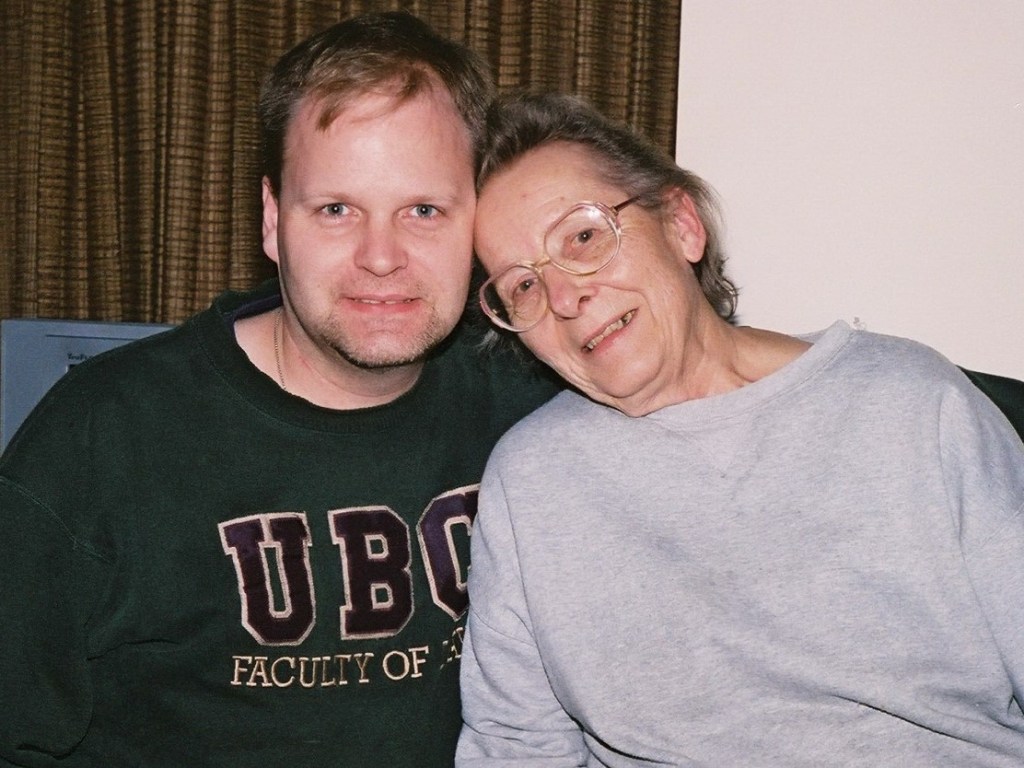
Aunt Addie’s advocacy and work definitely contributed to the achievement of women that we celebrate every International Women’s Day!
 A Deck of Ancestors