52 Weeks – Week 44: Shadows

This week’s 52 Ancestors Challenge theme is a difficult one: “Shadows”. It has taken me a while to think of anything relating to this theme. If only I had an ancestor who was a spy. Or maybe I do, and don’t know it, they were that good!

After pondering the theme for a while, I began to consider that what often lies in the shadows are those skeletons in the closet and other parts of family histories that people don’t want to talk about. These things are not always misdeeds or scandals or salacious affairs. Sometimes they are things out of our control that have a cultural or societal stigma, such as mental health. The stories, or even existence, of family members afflicted with mental health problems were often deliberately kept in the shadows.

Two ancestors of mine who most likely had some form of psychological condition come to mind. While the fact they may have had a mental health condition was not entirely kept hidden, I have very little information about their circumstances because their stories came to me second or third hand, with little detail. From the accounts, it seems clear that the lack of detail is due to the hushed nature of the way their circumstances were recounted by those who knew them best.
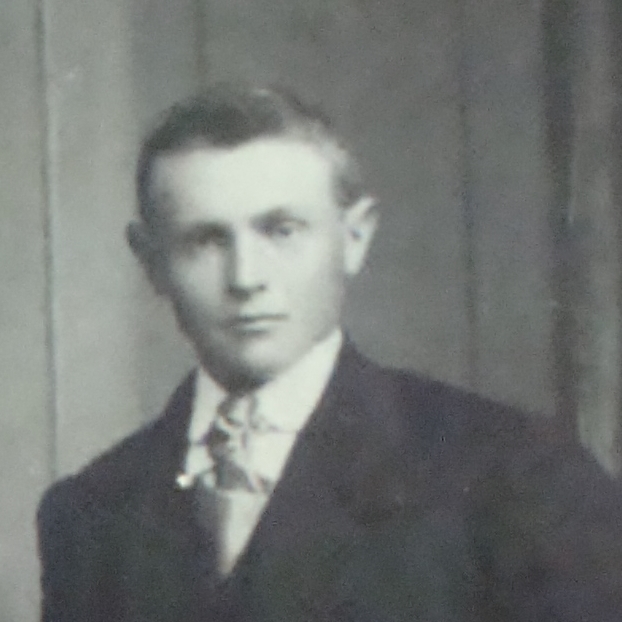
Johannis Albertus van der Fluit (1894-1932)

I will start with my great grandfather, Johannis Albertus van der Fluit. He died when my grandfather was eight years old. I really never had any contact with anyone else who knew Johannis personally or was old enough to remember him. However, over the years I heard passing references to his mental health and related problems.

I do know that my grandfather could recall some of the circumstances of his father’s mental health. Apparently, Johannis sustained some sort of head injury after an accidental blow to the head and began to exhibit strange behavior afterward. He suffered from delusions, which were very unsettling to him. According to one account of a delusional episode, it took my grandfather’s two older brothers and some neighbours to restrain him. From what I know of the story, Johannis was placed in a sanitorium, where he continued to suffer from delerium. However, shortly before his death, he experienced a period of rational thought. At that time, my great grandmother was summoned to see him, which occurred close to the time Johannis died.
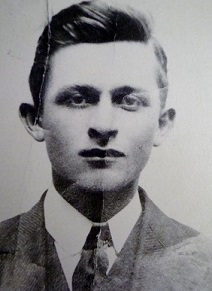
Heronimus Michael “Jerome” Lerner (1895-1954)

Another ancestor who, I believe may have had mental health problems was my mother’s maternal grandfather, Heronimus Michael “Jerome” Lerner. This is based upon things some of my relatives mentioned, briefly, over time. My mother never knew him; her grandparents separated long before she was born. However, my mother believes, based on what she heard from her mother, that Jerome had some sort of mental health condition.

Apparently Jerome’s mental health was a significant factor in the breakdown of his marriage. My mother says that a rift developed between the Lerners and my great grandmother over the separation. It seems there was some sort of expectation that my great grandmother should have remained with Jerome despite his troubles.

Whatever mental health problems my great grandfather may have had, I do not know what they were or how long they persisted. I know Jerome was farming in the 1940s. When my grandmother’s younger sister was in her teens, she went to live with her father on his farm for some time. As well, the record of his death noted that he was a farmer at the time of his death; it also made no mention of any mental health conditions. I spoke to my great aunt at length about her time living with her father, but she never really spoke of his mental health.

Finally, a mental health problem that may have affected a number of my female ancestors was postpartum depression. Again, I have no solid evidence of this. Rather, brief and cryptic conversations and speculation about the circumstances of some ancestors’ experience after childbirth certainly sounds consistent with what was likely postpartum depression.

In recent years, the stigma around mental health has diminished, although it still may be a difficult thing to talk about. Fortunately, there are now many more resources available for people who need help. In Canada, one can start with this “Get Help” resource page.
52 Weeks – Week 35: Free Space

Beginner’s luck! The first time my wife joined me and my parents at bingo, she won several hundred dollars.

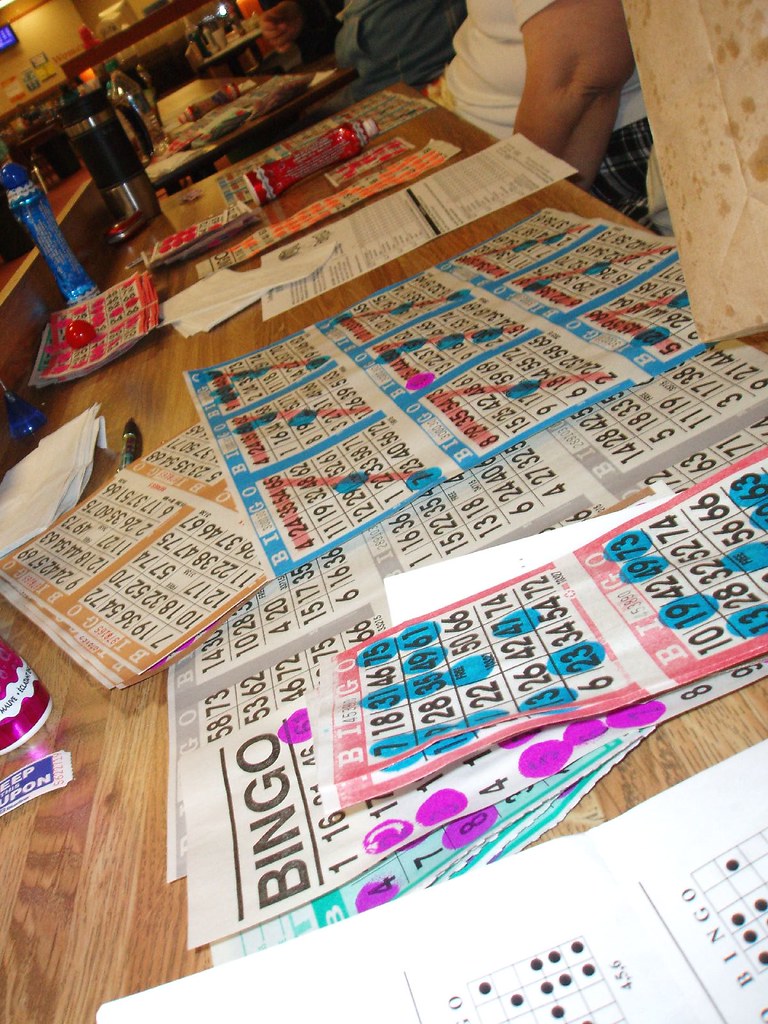
With the theme of “Free Space” for this week’s 52 Ancestors Challenge, I can’t help but think of bingo. Bingo was a big part of my mother’s side of the family. Moreover, bingo is one of the many games that are a huge part of both sides of my family.

Cards were, and remain, a huge part of our extended family’s gaming traditions. As you may recall if you have been with this blog since the beginning, part of the inspiration for its name was my family’s affinity for cards.

My maternal grandmother, Helen Lerner, and her mother, Emelia Anton, were both bridge players. Into her 90s, my great grandmother took great pride in the fact she still had the mental acuity for the game, but complained that her peers were getting too slow for her. Bridge is the one card game that has eluded me. I just never developed an interest in it and, despite my familiarity with many other card games, it still strikes me as unnecessarily convoluted.

However, there were a myriad of other card games that always seemed to be at play. Canasta, Oh Hell, Smear, and Hearts were frequent games of choice on my mother’s side of the family, while huge group games of Crazy 8s were popular with my paternal grandparents and my father’s siblings. Most Christmases, my siblings and I usually converge at my parents. In addition to the extended family who drop in during the holidays, our spouses have also become part of the card-playing tradition. Almost every evening there is a card game that goes into the wee hours of the night.

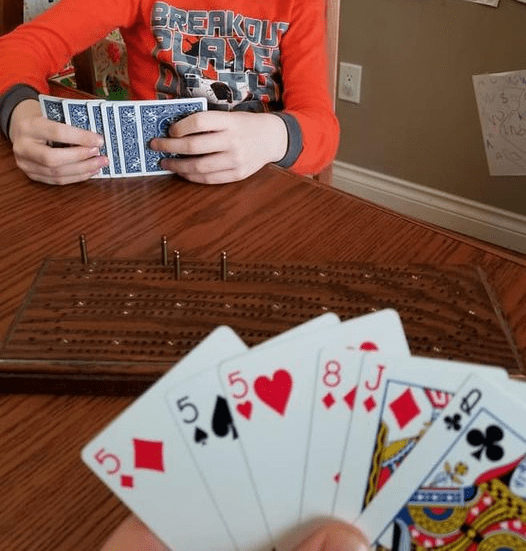
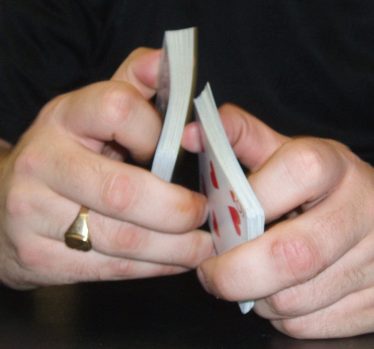
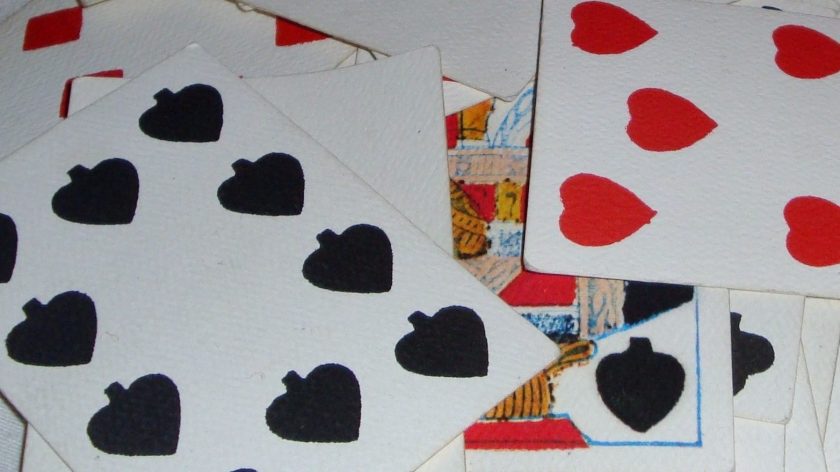
After decades of playing crib, of course it’s the day I teach the game to my eldest that I got dealt a hand like this.

The king of games with my maternal grandfather, Leo Burgess, was cribbage. When I was little, I was mesmerized by the cadence of the game and the cryptic chanting involving the counting of fifteens. My grandfather and my father taught me how to play when I was seven or eight, and I still play to this day.

My grandfather was a real stickler for the way people played cards. There were all sorts of arcane rules, traditions, and habits that had to be followed. Heaven help you if you cut the deck the wrong way. I still wince whenever one of his customs are breached, despite the fact my grandfather died over 25 years ago. Even worse was if you dared take “his” trick or – god forbid – you beat him at a game. In my case, there was little risk of that happening. I happen to be a good crib player, but my grandfather often seemed unbeatable.

The last day I spent with my grandfather, about a month before he passed away, was spent playing crib and watching The Price is Right. It was clear my grandfather’s advancing age and deteriorating health was starting to affect him, because out of the score of games we played that day, I managed to beat him twice. My grandfather was such an avid card player that – don’t tell anyone – my mother and uncle slipped a fresh deck of cards in the pocket of the suit he was buried in.

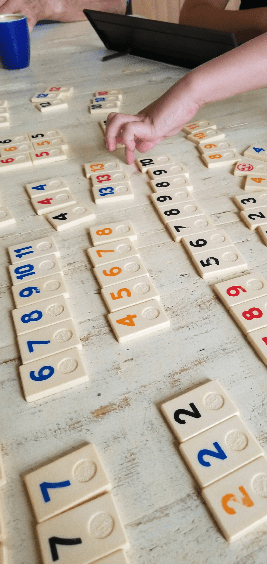
It seems that the only time I play Rummikub is when I visit family in Holland.

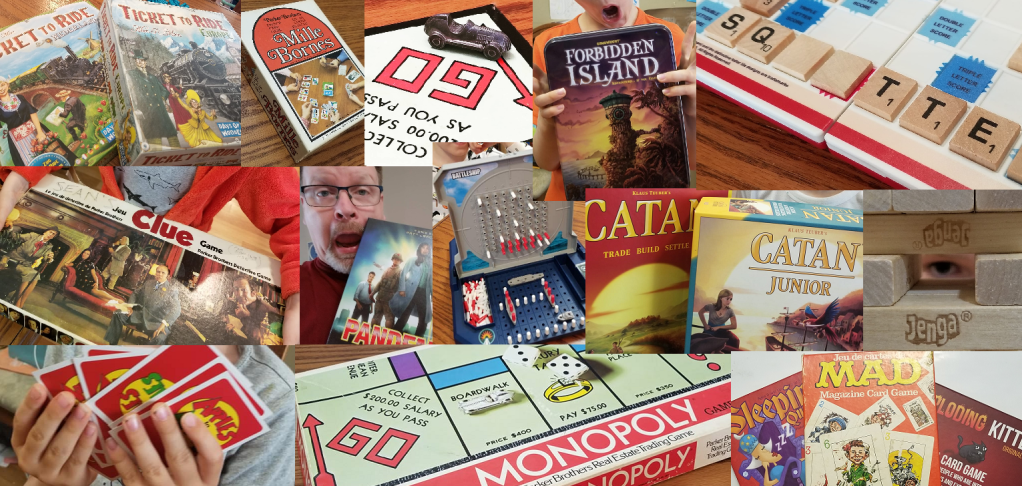
Board games were – and remain – popular as well. One of my uncles had a collection of now-obscure games that we nibblings enjoyed playing, even though we didn’t know the rules or have all the pieces. Nothing made us feel more like a big kid when our parents invited us to play a board game, such as Stock Ticker, with them. Board games were a common birthday and Christmas gift. With five kids in my family, we had a lot of Board games! I still have some of them, although it seems one of my brothers absconded with a lot of them.

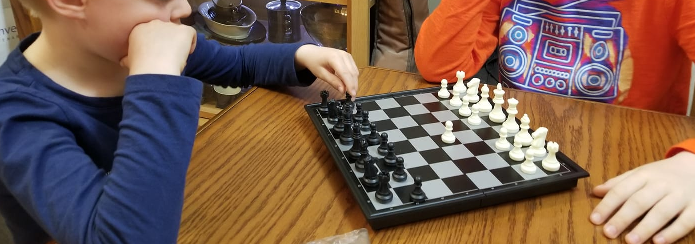
Our sons are also very keen on board games, and do well with games that one might think are well above their age level. Hardly a weekend goes by in our house without several games being played. It is also common for us to play on some weeknights as well.

We love board and card games in our family. These are but a few of the games we have.

Before ending this examination of our family’s tradition of game play, I return to the game of bingo. It was extremely popular on my mother’s side of the family. My mother’s parents, aunts, and grandmother were all devoted bingo players. I remember the first time I got to go to bingo with my mother, two of her aunts, and my grandmother. My great grandmother might have been there that same evening. As I was in my teens, I definitely threw off the demographic curve of the crowd in the bingo hall. While the majority of the crowd in attendance that night struck me as rather old, they were amazingly spritely and quick with their cards. The speed at which my great aunts and grandmother marked the many cards they each were playing at one time. I found it difficult enough to keep up with the few cards I was playing each time.

My maternal grandfather also loved playing bingo and often went with my grandmother. My grandmother passed away in her early 60s, so after she died my grandfather would often go with my great grandmother. The two of them seemed to squabble quite often and my grandfather once complained about being in his 70s but still having mother-in-law problems. Nevertheless, he and my great grandmother shared their love of bingo. In fact, my grandfather passed away while doing something he loved, while out one night playing bingo with his younger brother.

With a long weekend coming up, I expect that we will be playing a lot of board games over the next many days!

Addendum: Clearly I’ve generated a lot of content in 35 weeks that I’ve already forgotten about. A week after posting this, I discovered I had already written about this on Week 18 (Social), albeit in less detail. C’est la vie!

Further Addendum: Every week, Amy Crow Johnson sends an email summarizing two or three items that have caught her eye, along with a description of the next week’s 52 Ancestors theme. In her email looking back at Week 35, Amy highlighted this post, saying “Sean shared how much his family has enjoyed card games and board games over the years. (I have to admit that I was secretly hoping someone would write about bingo. My mom used to be an avid player, and my family has a Christmas bingo party every year!)”

52 Weeks – Week 25: Broken Branch

For this week’s 52 Ancestors Challenge, Amy Johnson Crow wrote “Are you researching a branch that it feels like there is nobody else in the world who is researching them? What about a collateral line that seems to have gotten lost?”

Turns out that line was mine!

Through sheer chance, through a random encounter with a farmer in the middle of nowhere, I discovered that my great grandfather, Heronimus (“Jerome”) Lerner and his descendants had “gotten lost”. I thought I was looking for them, it turns out they were actually looking for me!

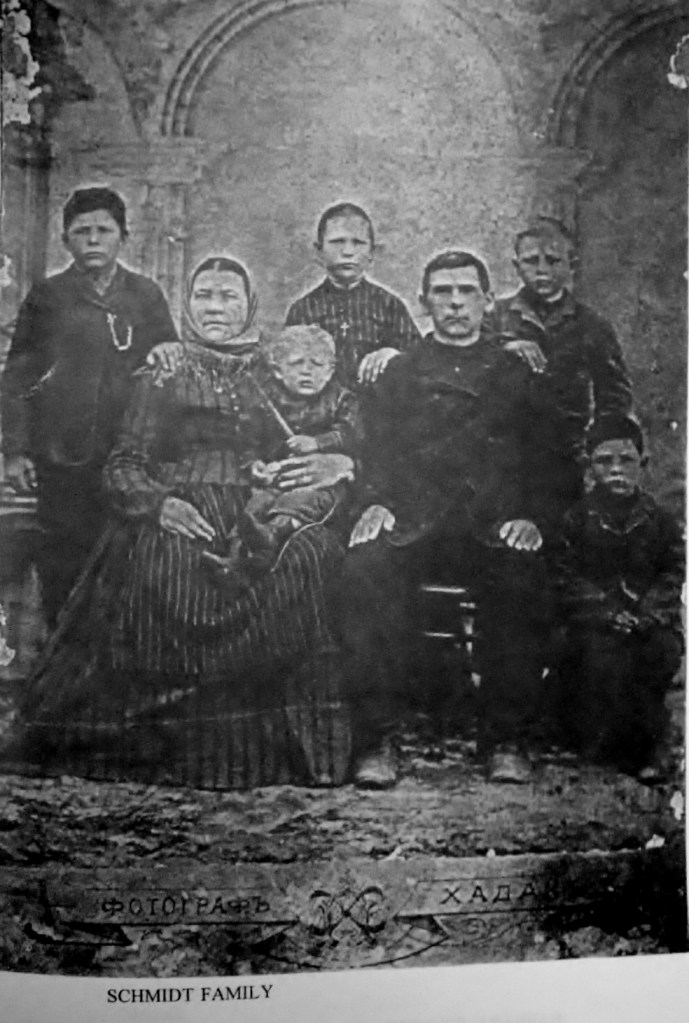
Jerome Lerner was born in Henrietta, Clay County, Texas on March 12, 1895. His parents, Michael Lerner and Barbara Schmidt, were Germans from Russia. They lived in one of the many German colonies in Imperial Russia, in what is now part of Ukraine. These colonies usually bore the names of the places in Germany the original settlers had come from. After Michael and Barbara married, they lived in the village of Rastadt, where their first six children were born. In 1893, the family emigrated to the United States and settled in Henrietta, Clay County, Texas. Jerome was the first of eight children Michael and Barbara had after coming to America.

During the mid-1910s, members of the family began moving between Texas and Saskatchewan. Jerome was one of the first. Ultimately, Jerome, his parents, and at least four of his siblings ended up permanently moving to Canada and settled in the area of Fox Valley, Saskatchewan.

Jerome married my great grandmother, Emelia Anton, in 1920. They separated sometime around 1937. As far as I can tell, they never formally divorced. I thought that being Catholic, they might have simply separated without divorcing. However, my great aunt Adeline (their third child) told me that it was more due to the difficulty in obtaining a divorce at the time. Prior to 1968, divorces in Canada were granted through a private act of Parliament, through a difficult and expensive process.

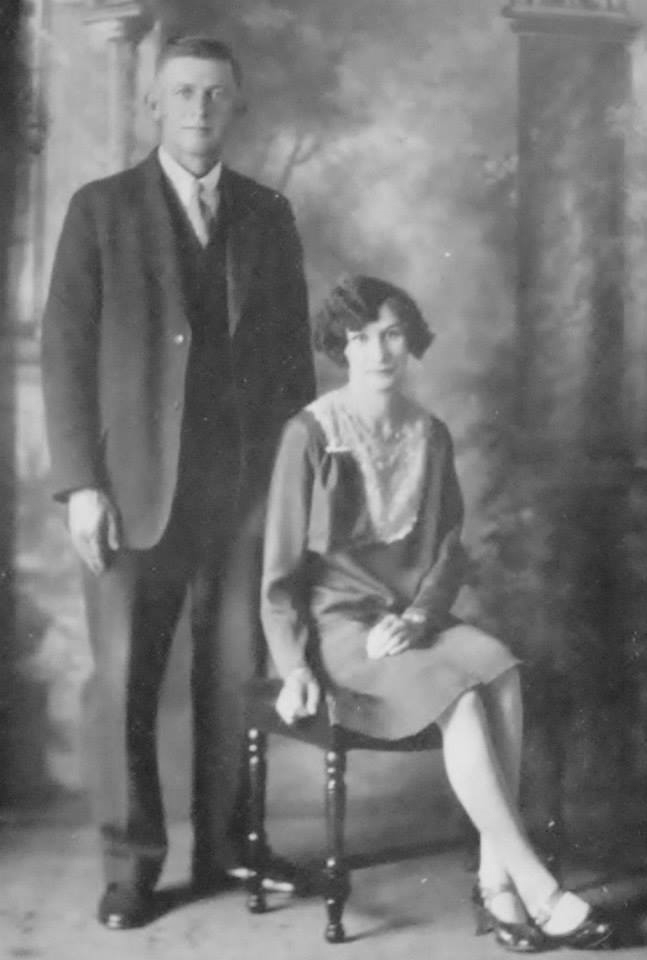
Jerome and Emelia, likely sometime around 1931.

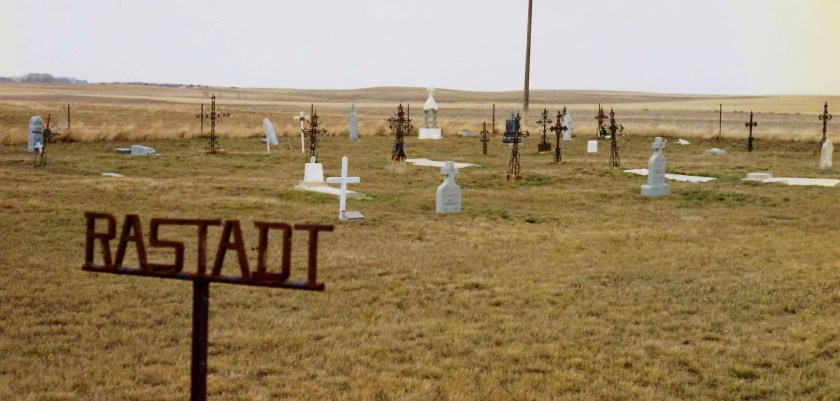
I’d known my great grandmother since I was born. We visited her almost every time we went to my parents’ hometown. As she lived until I was thirty, she was the great grandparent I knew best. I’ve written quite a lot about my Anton ancestors in this blog. They were also Germans from Russia. They came to Canada in 1912 and settled in Rastadt, Saskatchewan. All that is left of Rastadt is the schoolhouse and the cemetery.

Rastadt, Saskatchewan Cemetery, April 1, 1997. 

While I knew Emelia, I never met Jerome. He died in 1954. My mother never even met him. From what I know, Jerome may have had some mental health problems from sometime around the time he and Emelia separated. As well, from what my mother has told me, the Lerner side of the family was none too pleased with Emelia after she and Jerome separated.

After the separation, Emelia moved to Alberta. I doubt she had much contact with her former Lerner relatives, although it sounds like my grandmother and her siblings might have. Nevertheless, it is easy to see how the Lerner branch of the family might have lost track of Emelia and Jerome’s family. As well, while I know my grandmother, her siblings, and my mother all seem to have been in close contact with their Anton relatives, the fact that branch of the family relocated may have made for a much looser connection. So it seems that Jerome and Emelia’s branch of the family became lost, or lost-ish, to both the Lerners and the Antons.

How were we “rediscovered”?

First, the Antons. In the mid-90s, I made contact online with a Paul Antone of Washington state. It was the early days of online genealogy, so we probably met on a message board or something similar. I wasn’t even using Netscape yet! Paul’s father was one of Emelia’s first cousins. I don’t know if they knew each other. Paul and I sporadically exchanged emails. Through him, I learned of Gordon Anton, a nephew of Emelia’s. At the time, he was compiling a history of the Antons. I don’t know if Gordon ever met Emelia, but it was apparent he didn’t know much about her branch of the family. Apparently he had been in contact with one of Emelia’s sons, my great uncle Herb, but he never got much information through that contact. Gordon ultimately published a history of the Antons, but it was pretty sparse when it came to Emelia and her descendants. Gordon was hoping to publish a second edition, but it never came to be.

Nowadays, finding a lost branch online – even if you are the missing branch being found – is hardly unique or exciting. In comparison, the rediscovery by the Lerner side was largely a matter of coincidence, even though it was because I had been in the right place at the right time. Even today, it would be an unusual occurrence.

In 1997, I left a long-term job and was taking a few months off before embarking on a short-term gig and a return to university. One of the things I did during that time off was visit my parents, who had returned to living in southern Alberta. I had not been to Fox Valley since I was a child, so I suggested to my mother that we go there for a daytrip.

Upon arrival in Fox Valley, we stopped at the village hall where we gathered a wealth of information. Among other things, I was able to discover the exact place where my grandmother was born. After visiting the Rastadt schoolhouse and cemetery, my mother and I made our way to the place where my grandmother was born.

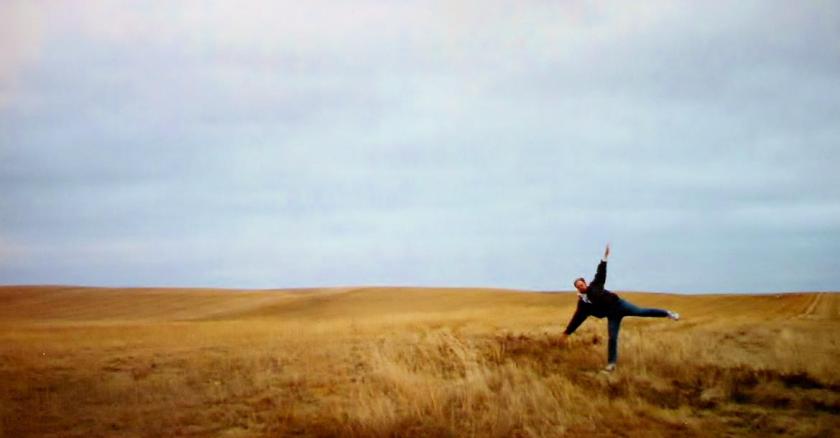
Beautiful downtown Rastadt, Saskatchewan. Actually, this is suburban Rastadt, but no one really is counting. If the middle of nowhere has a middle of nowhere, this is it. Where I am standing once stood the farmhouse where my maternal grandmother, Helen Lerner, was born.

I was not surprised at all to find nothing but a field of wheat. We snapped some photos of the site and decided it was time to head back to Alberta. We drove a bit down the narrow road to find a place to turn around. We soon found a farmhouse with a driveway that provided the opportunity to turn around. After I pulled in, the farmer who lived there saw me and came out, thinking anyone he didn’t know who was out there must be lost.

He seemed surprised that we actually meant to be in his part of the world. We got to talking. It turned out he was a cousin of my grandmother’s. He and his wife invited us in for coffee and they showed us all sorts of interesting family photos and mementos. Talk about serendipity! He even told me the farmhouse my grandmother was born in still existed – a farmer had bought the building and moved it to his land.

Even more fortuitous, he told me that a family history was being put together of the Boechler family. Jerome’s maternal grandmother was a Boechler. The farmer gave me the contact information for the author. My timing was another stroke of luck. I made the call not long afterward and learned that the book was being finalized and would be going to press in a matter of days. It also turned out that Jerome and Emelia’s branch of the family was a huge mystery to the authors. I was able to supply most of the information about Jerome and Emelia’s branch in time for publication.

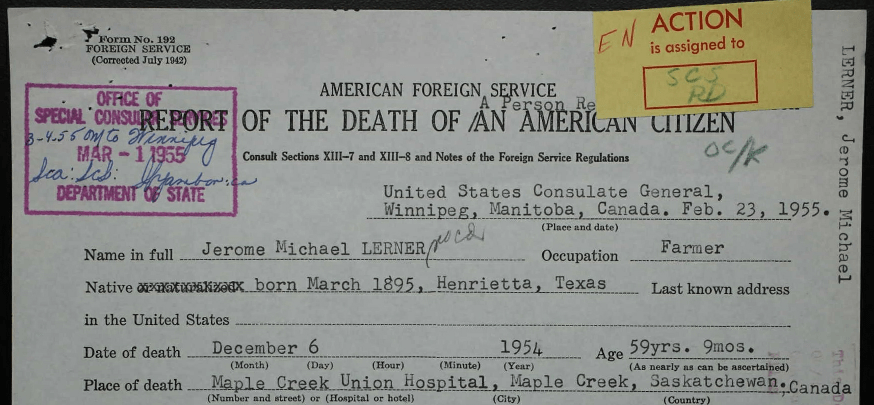
Not only was Jerome’s branch lost to the family, he seems to have been lost by both the United States and Canada. Upon learning of Jerome’s death, the US consulate in Winnipeg submitted a “Report of the Death of An American Citizen” to the American Foreign Service. The Foreign Service stated that it did not have any evidence that Jerome had American citizenship beyond the statement in the registration of death issued by the province of Saskatchewan. This, despite the fact the United States issued Jerome a passport when he first left for Saskatchewan in 1916. Meanwhile, there is no indication that Jerome was ever naturalized as a Canadian (or, at the time, as a British subject in Canada) or that he had renounced his American citizenship (which he was, as evidenced by his US passport).

52 Weeks – Week Twelve

Joined Together

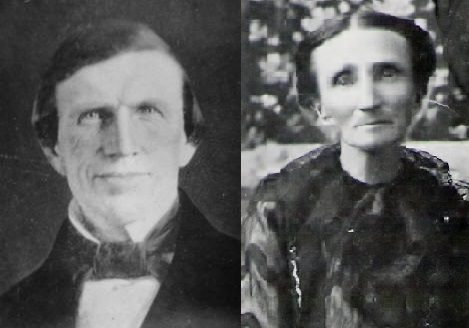
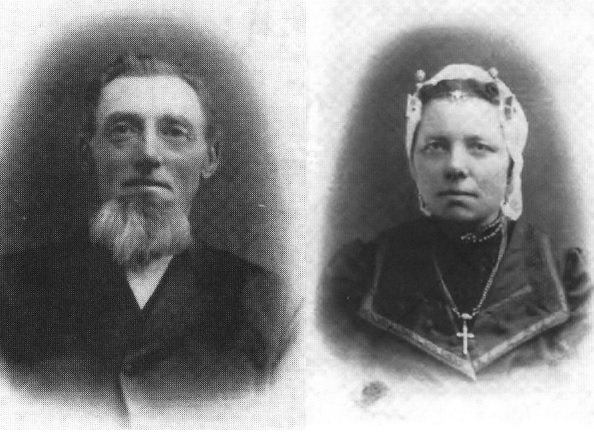
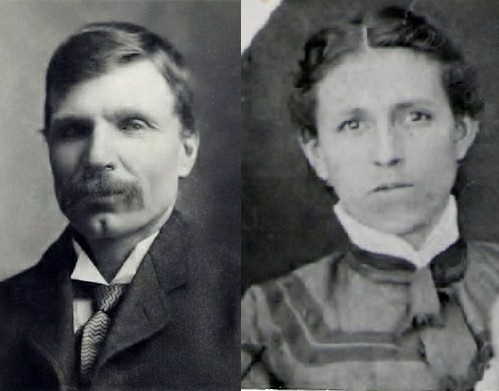
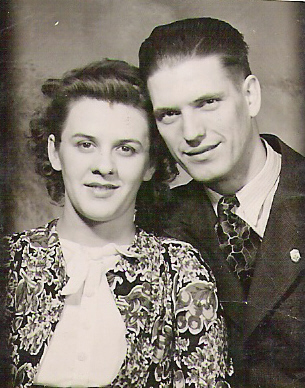
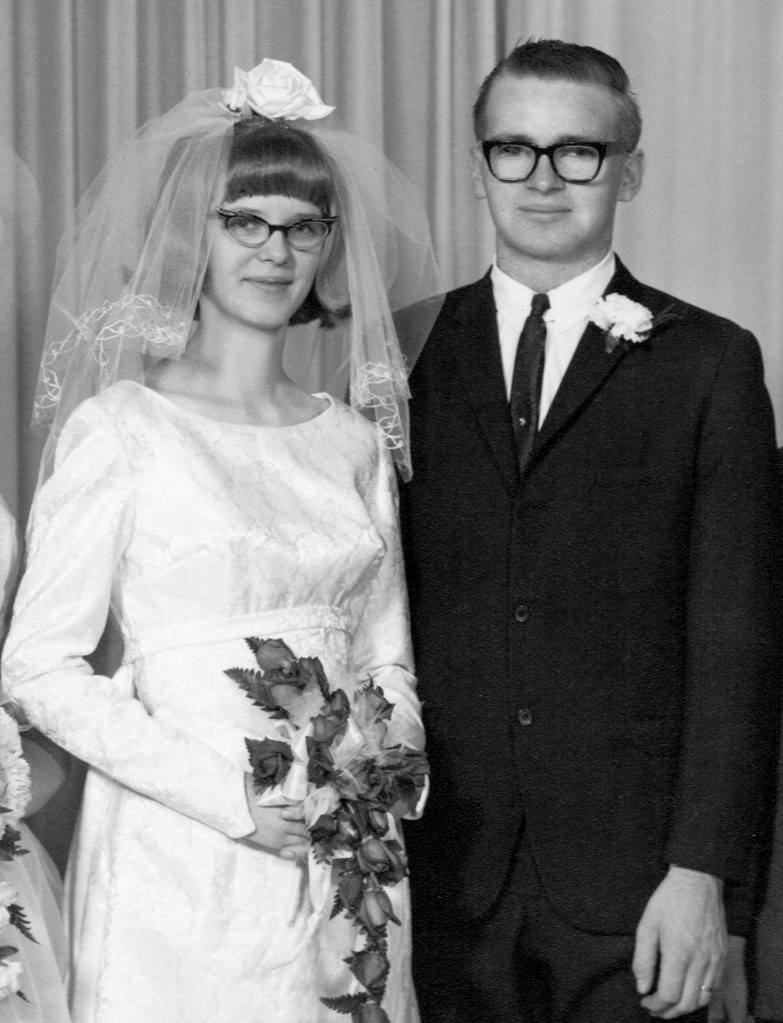
Twelve weeks of genealogy, my true love gave to me: the theme “Joined Together” for the 52 Ancestors Challenge. Rather than a lot of discussion, I thought this week I’d post photos of some of the couples whose unions ultimately resulted in…me!

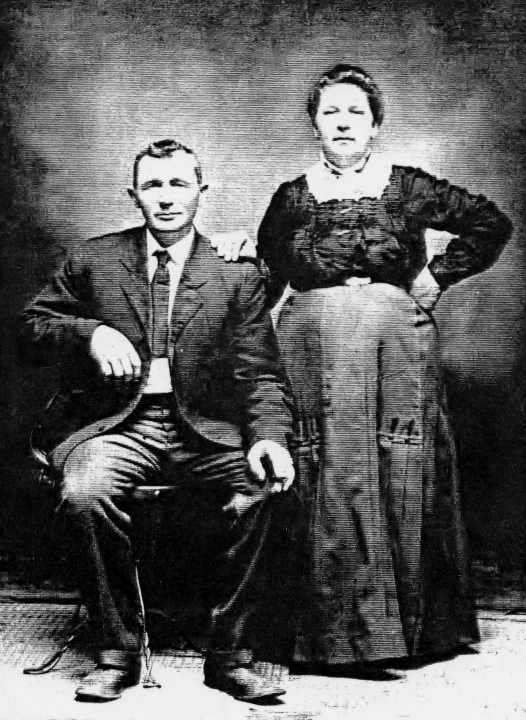
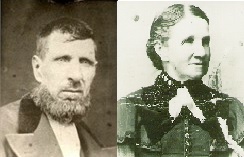
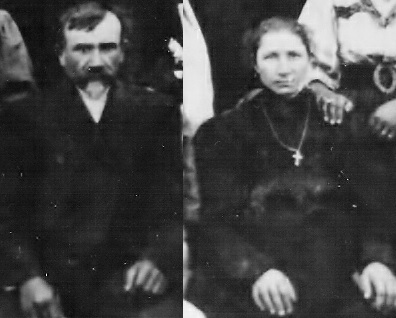
While I have photos of other (great) grandparents, I will only post for those of whom I have the pair. First, my maternal great great great grandparents.

Valentine Schmidt (1839 – ?)
Margaretha “Regina” Boechler (? – ?)

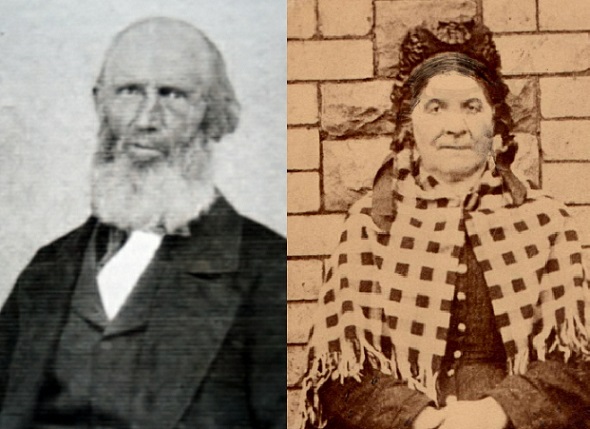
Next, for my great great grandparents on my father’s side, I only have photos for one pair. These are my grandfather’s grandparents.

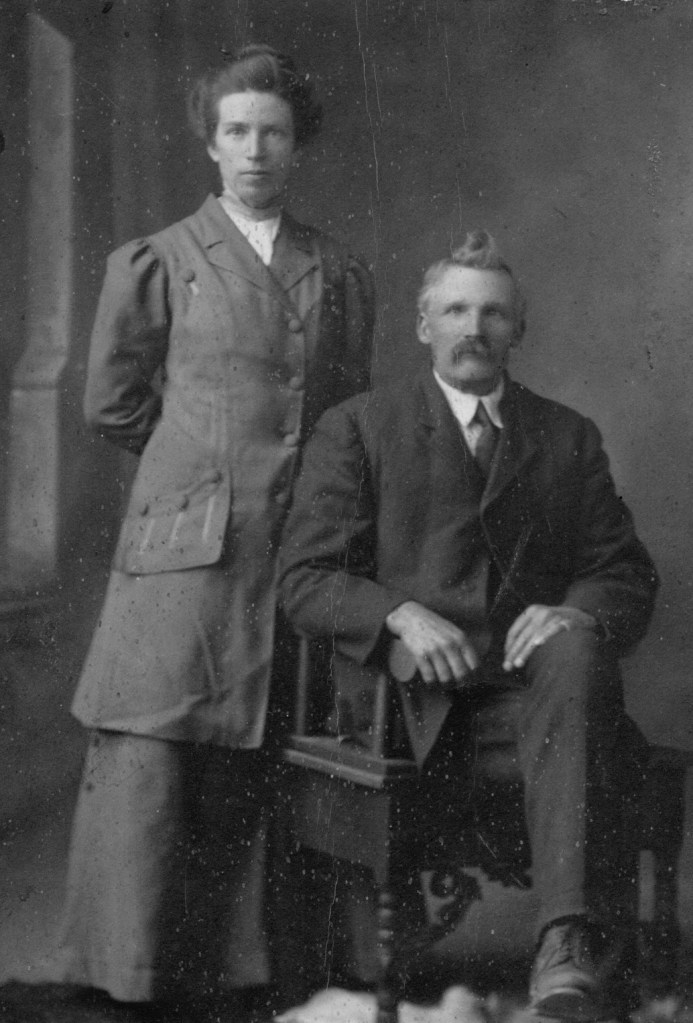
Johannes Jansz “Jan” Pater (1862 – 1935)
Ariaantje Jacobs “Adriana” Bleeker (1865 – 1929)

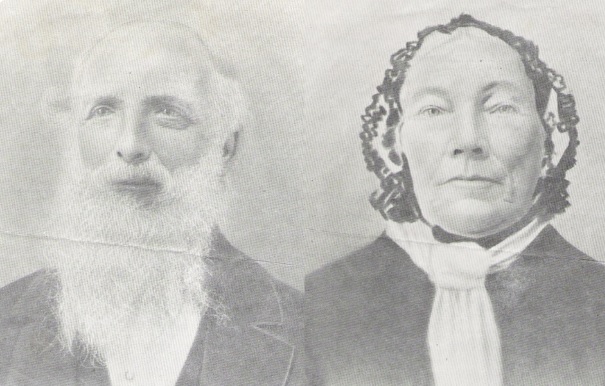
I have photos of all my maternal great great grandparents.

On to my great grandparents. I have photos for all of them.

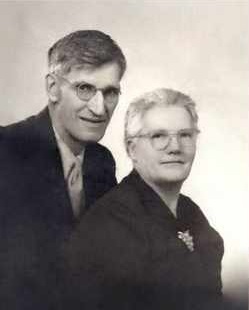
Theresia “Teetje” Pater (1894 – 1947)
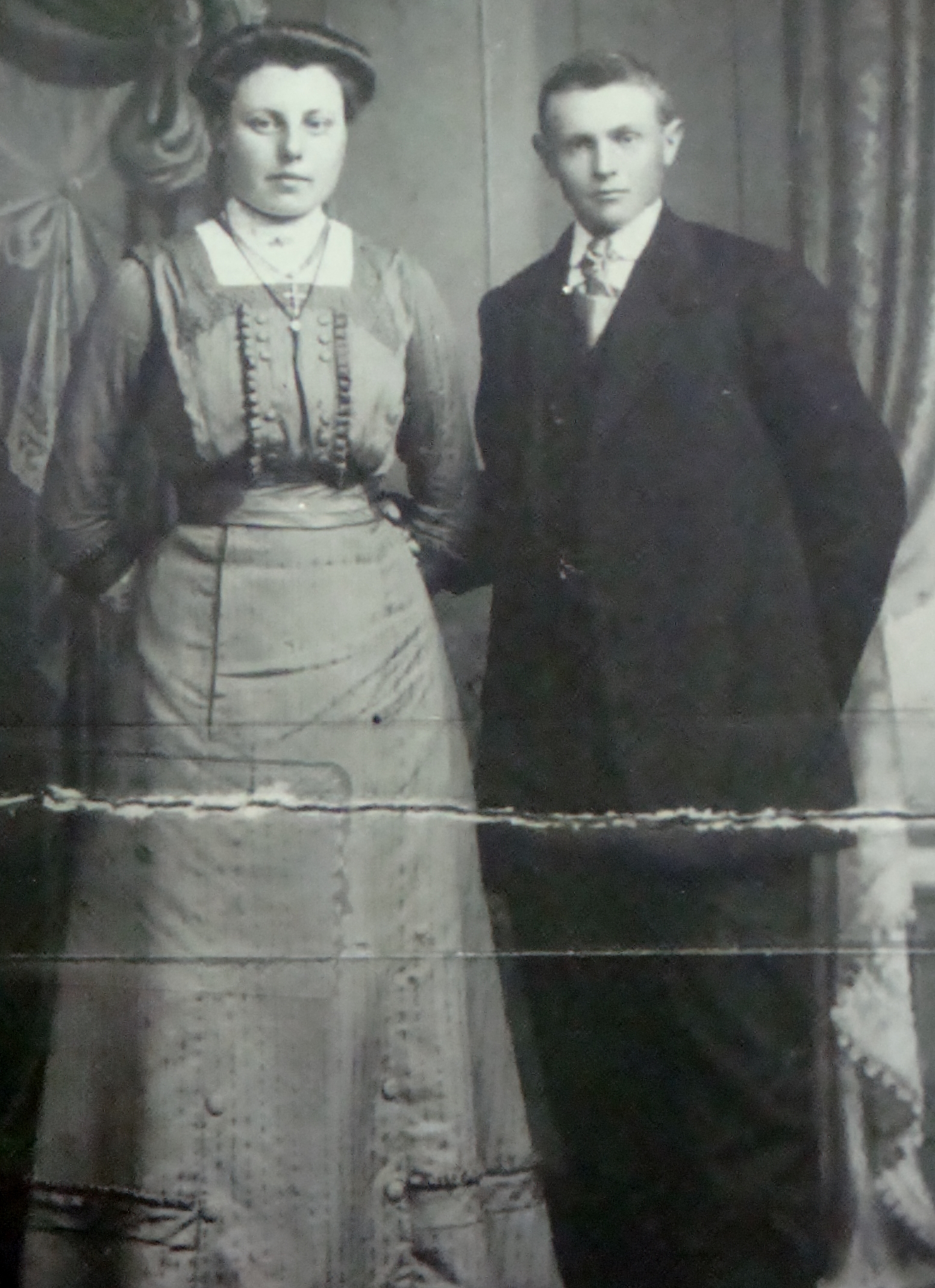
Johannis Albertus van der Fluit (1894 – 1932)
Adrianus Komen (1888 – 1948)
Elizabeth Bakker (1888 – 1976)
Milton Leo Burgess (1891 – 1964)
Hazel Nelson (1899 – 1967)
Heronimus “Jerome” Lerner (1895 – 1954)
Emelia Anton (1903 – 1997)

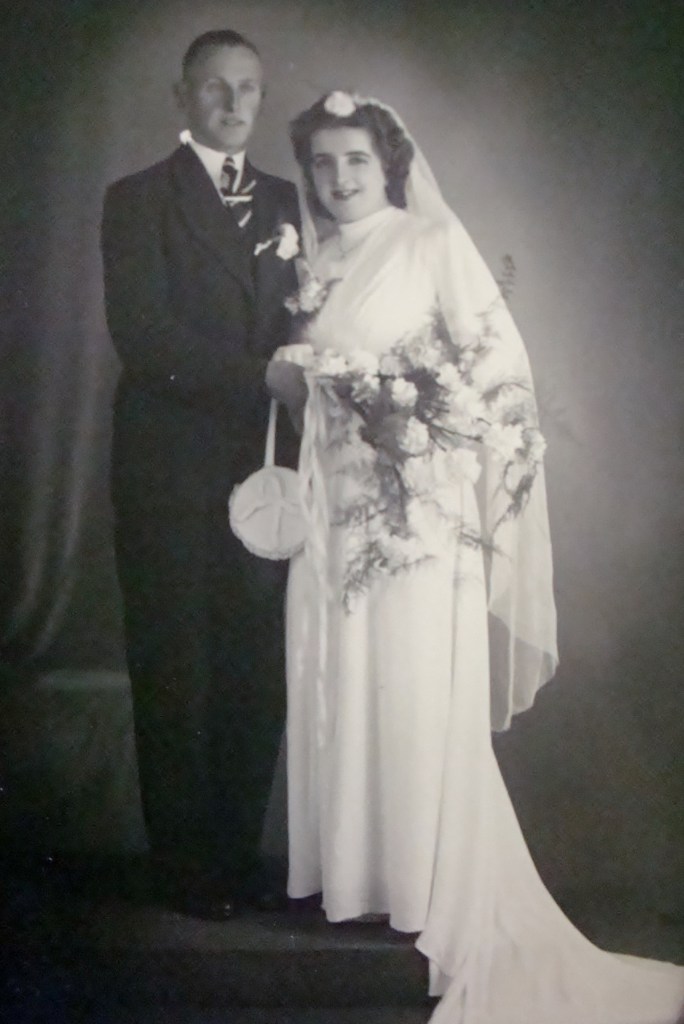
My paternal grandparents.

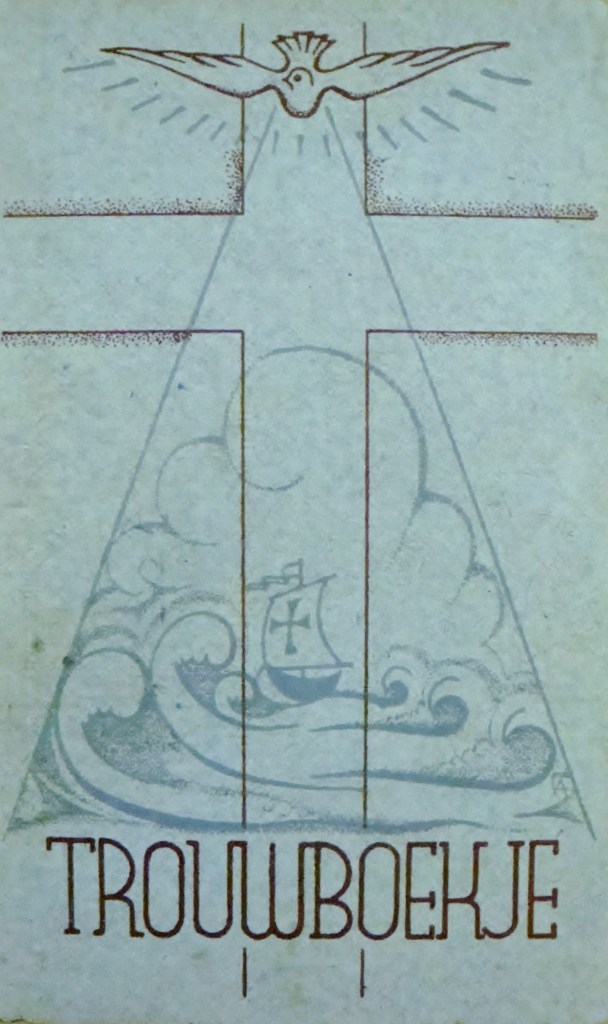
Trouwboekje” means “marriage booklet” in Dutch. In the Netherlands, only a civil marriage is legally valid. A church ceremony can take place afterward, but is not recognized by the state. The registry office would issue one to a couple at they time they were married. They typically include an extract of the marriage registration. While they can vary from one municipality to another, a trouwboekje usually will include space for the birth information of the couple, as well as for the children of the marriage. They can also include information about religious matters, such as information about the church wedding and baptisms of the couple and their children.

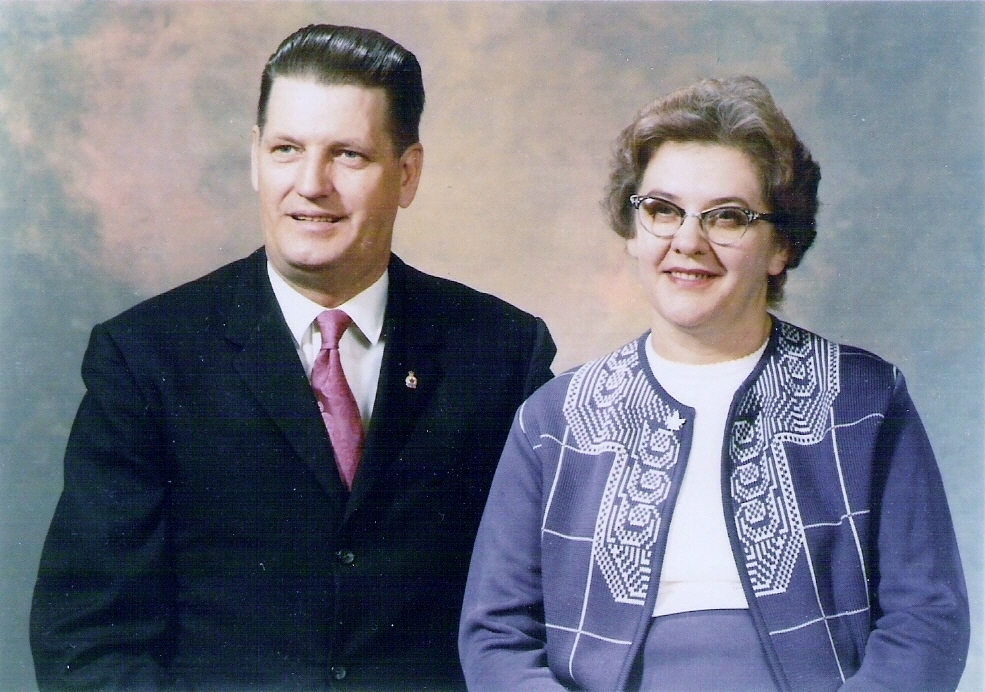
My maternal grandparents.

Leo Cleveland Burgess (1920- 1995)
Helen Lerner (1921 – 1984)
October 1971
Helen and Leo around 1947.

My parents. Married crazy young by current standards and still together, modelling what a great marriage should be.

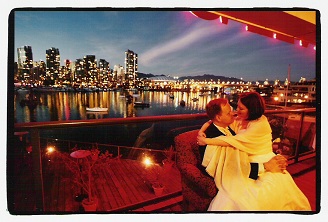
And then there’s mine.