52 Weeks – Week 31: Help

The greatest genealogical help I received began 26 years ago this summer. It started with a simple invitation I spotted on a message board. Someone was planning a visit to a Dutch archive later in the week and was offering to do a lookup for anyone who might be interested.
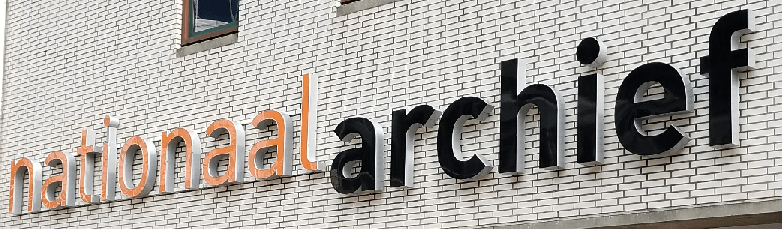
The National Archives of the Netherlands in The Hague.

Two things immediately came to mind when I saw this week’s 52 Ancestors Challenge theme, “Help”. First was the earworm that has resulted in the Beatles’ song bouncing around in my head all day. Second was my friend Nol, who over the years has provided me with an incredible amount of help in researching the Dutch side of my family.

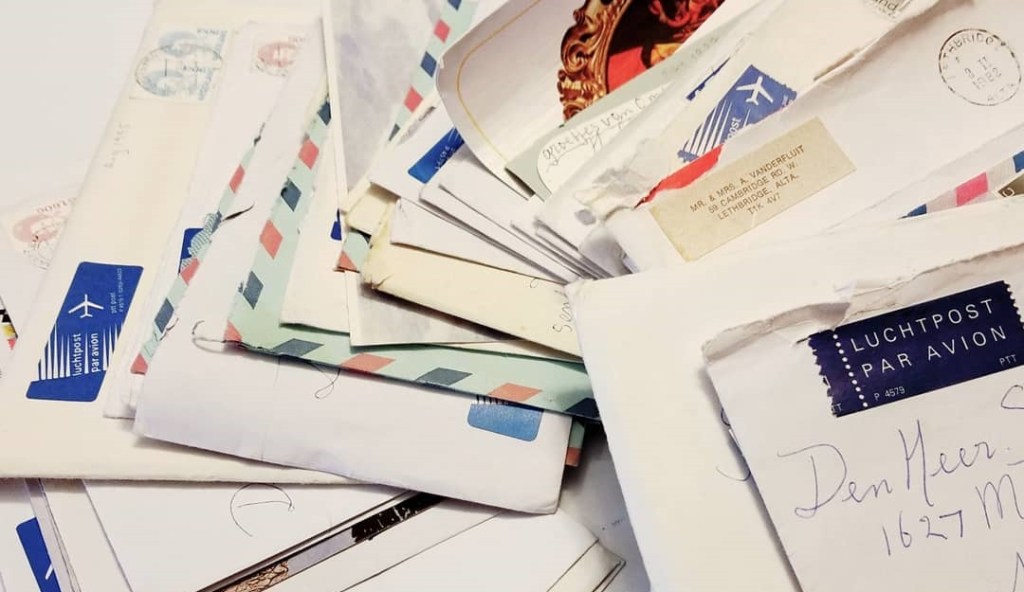
Back in the early days of online research in the 1990s, there wasn’t the variety or depth of resources that we now enjoy today. One source I found said that as of 1996, there were only 10 million users of the internet world-wide. While many libraries, archives, and genealogical societies had begun to stake out a presence, they weren’t yet able to provide the scope of digital materials that are so easily accessible today. It was still often necessary to obtain documents the old-fashioned way, by using the mail. Bulletin boards and Usenet were still a common way of connecting with other genealogists.
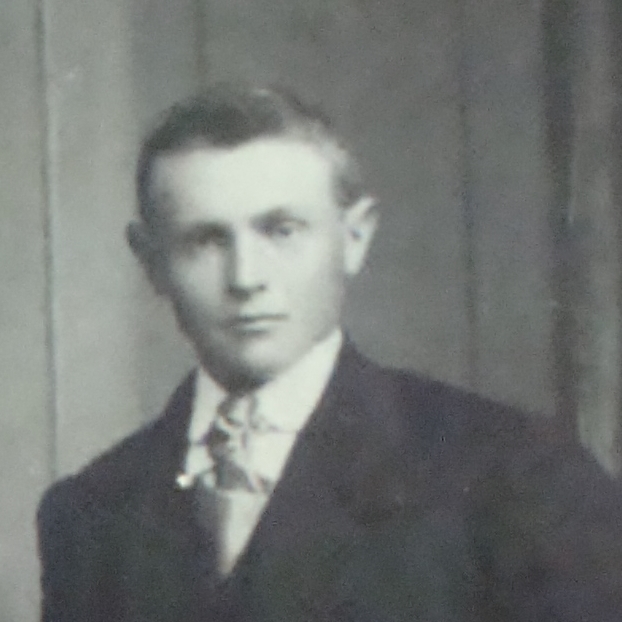
Johannis Albertus van der Fluit (1894 – 1932), the subject of my first query to Nol.

While I know it was sometime in early September 1996, I can’t remember where I first saw the original post I saw by Nol (short for “Arnoldus”), or whether it was a message board or something else. It was just a brief statement saying that he was going into a local archive the next day and asking whether he could look anything up for anyone while he was there. I contacted him and asked him if he’d be willing to look up one name for me, my great grandfather Johannis Albertus van der Fluit.

Nol emailed me the next day, telling me that the information I needed was held in the Noord Holland Archives in Haarlem (Noord-Hollands Archief). To my good fortune, Nol lives in Haarlem. He said he would be going into the archive sometime later in the week and he would get back to me.
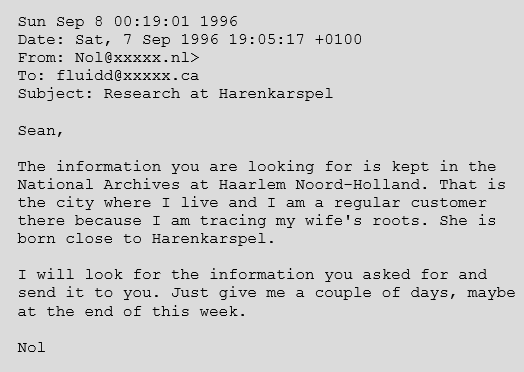
My first email from Nol after we moved off the message boards. Later in our correspondence, I learned that the family line of Nol’s wife intersected with mine.

Nol followed up less than a week later. Not only had he looked up my great grandfather, but he looked up all four of my father’s paternal great grandparents (my great great grandparents). Furthermore, Nol took it further and looked up several of my great great great grandparents. The email he sent me set out a summary of the birth records for each of them, including the record numbers, dates and places of birth, each person’s parents’ names, the names of the witnesses, and the occupations of the persons named in the records.

While I had some prior knowledge, my early exchanges with Nol provided a significant introduction to the nomenclature with which I am now so familiar, including the types civil institutions and records sources (such as the “Burgerlijke Stand” – civil register), the municipal system of local governance (“gemeente”), population registers, and the Dutch words and phrases associated with genealogical research. So not only has Nol been a mentor in Dutch genealogy, I have often relied upon him as a language coach as I tried to teach myself Dutch. No Duolingo back then!

Over the next two years and over fifty emails, Nol provided me with countless records summaries: births, marriages, and deaths of ancestors and cousins from all over Noord Holland. I still have a copy of each and every one of them. I originally converted each email into a WordPerfect document. Over the years I have updated the format in which they’re saved and made sure that they remain accessible. I still go back to them often. One time several years ago I went through them again, one by one from the beginning, to ensure that I squeezed them for every drop of information I could gather.

The timing during which our paths crossed online resulted in a much longer and deeper relationship than what might have resulted had we met online nowadays. Dutch archives are amazing in how much they’ve scanned and made available online for free. Nowadays, over the course of a week I could probably find scanned online images of everything Nol found for me over that two-year period of in-person archival visits. In fact, over the last many years, I pretty much have found and downloaded digital images of all those records. So while we might still have become acquainted online, I would not have been as reliant on Nol as I might have been in the present.

Unfortunately, I’ve been unable to reciprocate Nol’s incredible kindness. He needs more Canadian relatives! Despite that, what makes me particularly happy is that our connection has evolved into much more of a friendship, particularly given that he and I connected in the early days of Facebook. Our connection has reached a point that I often forget the genealogical origins of our relationship.

My only regret is that in the 26 years I have known Nol, we have never met in person. Pre-COVID, he often visited the United States, but his travels mainly took him to the east coast. From where I am on the west coast of Canada, the eastern seaboard of the United States is about as far as Baghdad is from Amsterdam. Not exactly a trip down the street. It’s also why I don’t know your cousin in Toronto. 😂
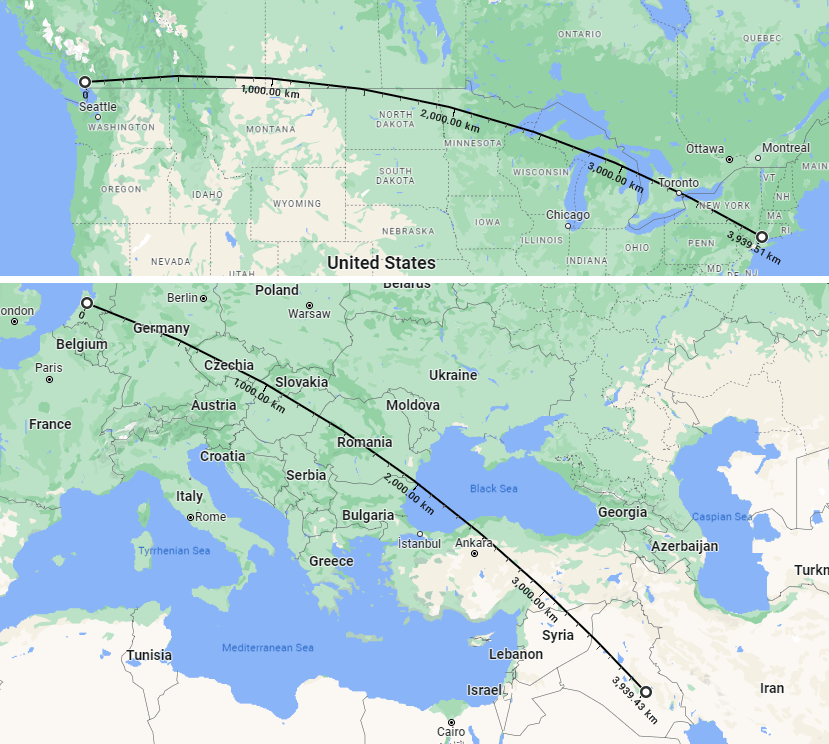
This is why my Dutch relatives and I have such different points of view about long road trips.

I have only been to the Netherlands twice. The first time was before I met Nol. My last trip there occurred in 2017. I had hoped that I could meet Nol at that time, as I was literally going to be in Haarlem during part of my trip. Unfortunately, at the same time I was in the Netherlands, Nol was in the United States. Wat jammer, as you might say in Dutch.

I am still hoping that one day our paths might cross in real life. Nevertheless, I am grateful for all the help, mentoring, and friendship Nol has provided to me over the years. The depth of my gratitude is profound. Dank je wel, Nol!
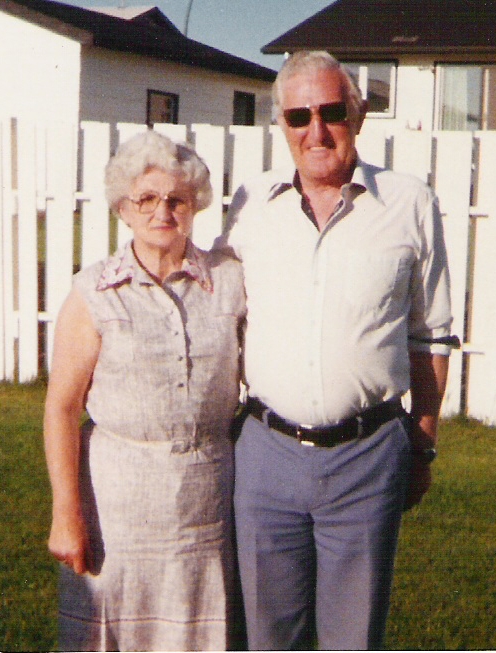
52 Weeks – Week 27: Extended Family

For theme of this week’s 52 Ancestors Challenge, “Extended Family”, we are invited to write about relatives other than our direct ancestors: aunts, uncles, cousins, nibblings, or even those to whom we are related by marriage. So many options! After deliberating on the topic, I decided that the best and most impactful way to write on the topic would be to focus on a single relative. But whom? It did not take long to decide: my father’s aunt, Tante (“Aunt”) Anny.

My father actually had two Tante Annys, one on each side of his family. Both were wonderful women and I have very happy memories of both. I chose my Tante Anny on my grandmother’s side of the family because of the close and unique relationship we had.

Anna Adriana (“Anny”) van Kleef was born in Zuid-Scharwoude, Noord Holland in 1926. Anny was the third-born child of Arie Komen (who I wrote about last week) and Elizabeth Bakker. Zuid-Scharwoude is part of the larger “gemeente” (municipality) of Langedijk (which recently merged with a neighbouring gemeente and is now “Dijk en Waard”). Anny lived in Langedijk her whole life.

Tante Anny and Ome Nic during their visit to our home in Saskatchwan when I was 12

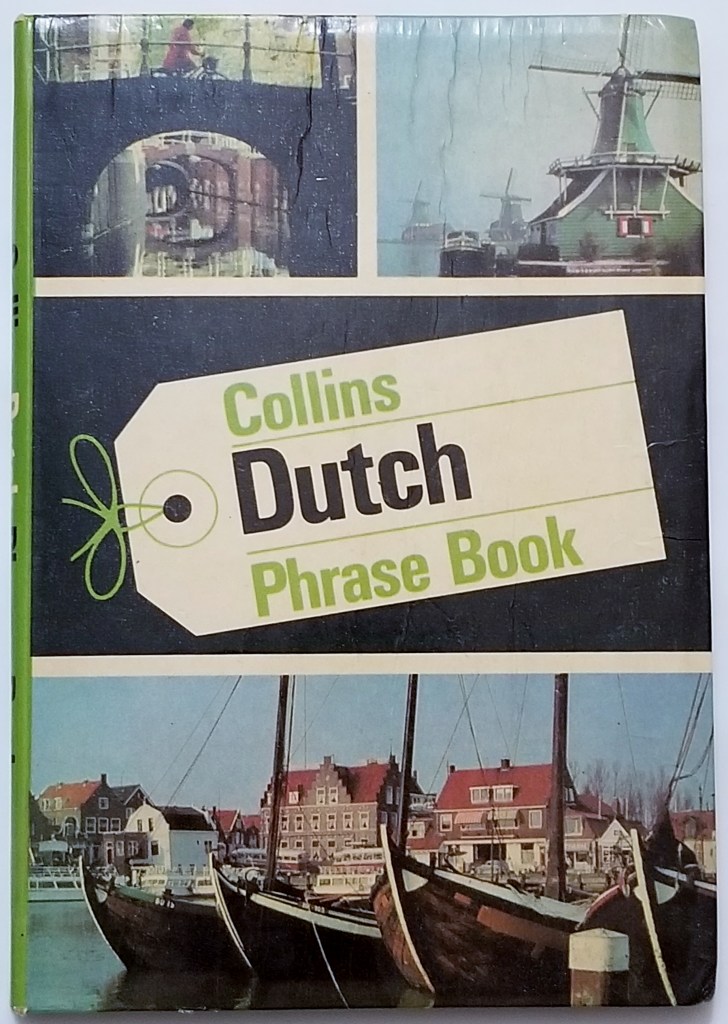
I first met Tante Anny when she and Ome (“Uncle”) Nic van Kleef came to visit Canada when I was 12. While they spent most of their time in Alberta with my grandparents, the four of them planned a road trip to the town in Saskatchewan where we were living at the time. I was so excited by their impending visit, because it would be my first time meeting any of our relatives who lived in the Netherlands. I went to our little bookstore and bought myself a Dutch-English phrase book to prepare for their visit.

I still have the phrase book that I bought when I was 12!

Tante Anny and I clicked right away, despite the fact she spoke no English and the only Dutch I knew was a few phrases I had memorized from my little book. A few days after she arrived, I came down with a small cold. She sat with me for hours while I lay on the couch with my sniffles. She chatted in Dutch, I responded in English, and we spoke a lot with our hands.

My grandparents, Arie van der Fluit and Christina Komen, with Tante Anny Komen and Ome Nic van Kleef

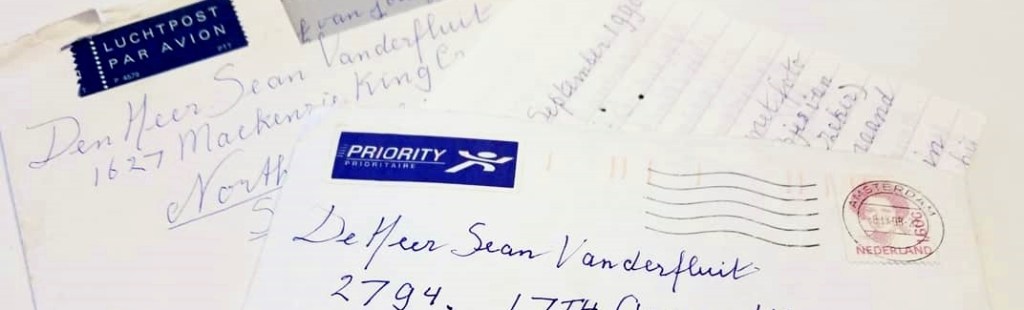
At the end of her visit, I asked Tante Anny for her address. We soon entered into a correspondence that we maintained until she passed away. I’d write in English, she’d write in Dutch. My father would translate her letters for me; Tante Anny’s children would translate my letters for her.

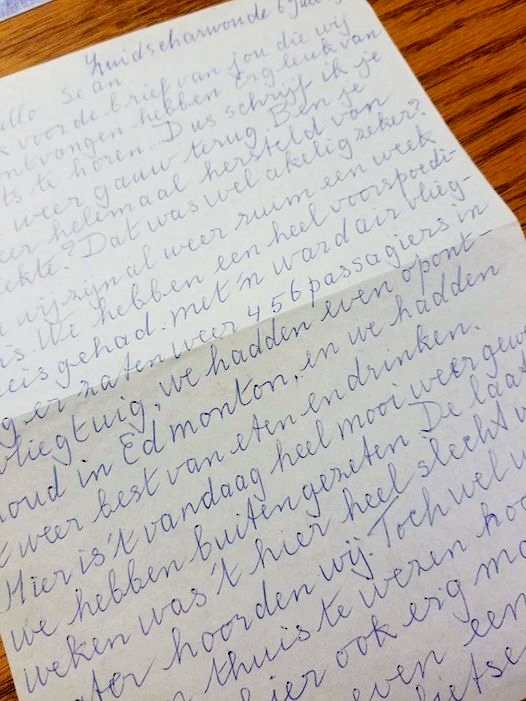
The first letter I received from Tante Anny. Here she’s writing about her return trip from Canada to the Netherlands and the weather at home.

When I moved away from home, I had to painstakingly translate Tante Anny’s letters with only a Dutch-English dictionary. It wasn’t easy, especially when it came to idiomatic phrases. There was no Google Translate back then! Once in a while I’d call my dad, but it wasn’t easy because I didn’t always know the pronunciation of what was written (although I definitely could pronounce the Dutch “g” early on). However, when you look up a word over and over and over again, after a while it sticks.

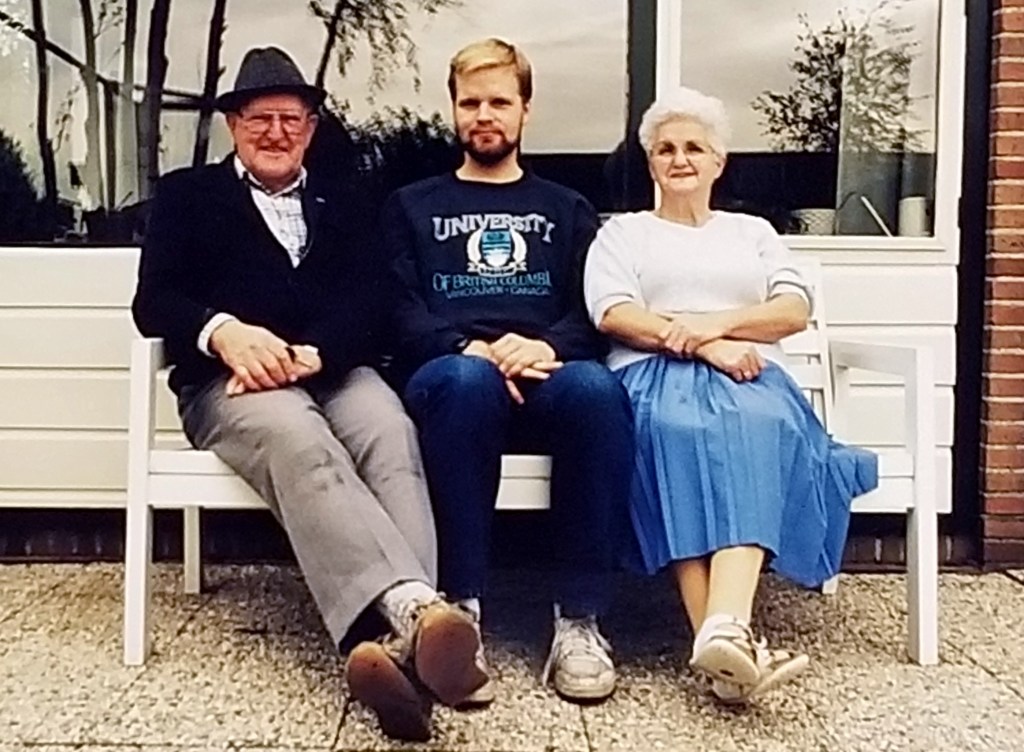
During my first trip to the Netherlands in 1990, my friend and I stayed with my Tante Anny and Oom Nic for two weeks. She still spoke no English. What little Dutch I knew back then I largely learned from reading her letters, supplemented by a bit of coaching from some Dutch-speaking friends and a Dutch translation of a Richard Scarry book. Nevertheless, we still managed to communicate quite well, and my English-speaking Dutch cousins were very encouraging in my attempts to speak their language. I was particularly happy to understand enough when she told me the stories about the old family photos in her albums. Perhaps the strangest thing was explaining to her what my grandmother – Tante Anny’s older sister – had written to her in a letter that arrived during my visit. It was then that I realized that my grandmother’s Dutch had become heavily Canadianized.

October 1990, on the last day of my stay with Oom Nic and Tante Anny at their home in Zuid-Scharwoude.

Upon my return to Canada, I discovered a night school class that gave me a few basics. However, reading those letters remained a challenge. Happily, with the advent of the internet and things like YouTube videos and DuoLingo, learning on my own has become easier. A few years ago I pulled out my cache of letters from Tante Anny. While my comprehension was not perfect, after so many years I was amazed by my ability to read her letters by myself, without constantly having to look up every second word.

Almost twenty years worth of letters from my great aunt.

I’m happy that in my letters I asked Tante Anny questions about the family history. With one letter, I enclosed a simple questionnaire and a pedigree chart that I spent a lot of time writing in Dutch, in order to make it easier for her to respond. I figured the easier I made it for her, the more likely it was that she’d fill them out. She did, although in her reply letter she queried why I’d want to know about something that was so uninteresting as family history. I often amuse myself by thinking she said that only because there is something interesting worth knowing that she didn’t want me to find. However, in the 25 years since she wrote that, I have not found anything that would support that idea.

I saw Tante Anny one last time in the summer of 1998. She came to Canada on her own to visit my grandmother in Alberta. My parents had moved back to Alberta a few years earlier, so Tante Anny stayed with them for a few days. I made sure to get out there for a visit, because I did not want to miss an opportunity to see her again. By then, I had expanded my efforts to learn Dutch as part of my genealogical pursuits. As a result, it was easy for Tante Anny and I to discuss my sister’s wedding video, which we watched during her visit. However, I was far from conversant on other topics. One night my Dutch was particularly bad and I knew I was making stupid mistakes, so it was no surprise when Tante Anny just waved her hand to indicate I was making little sense.

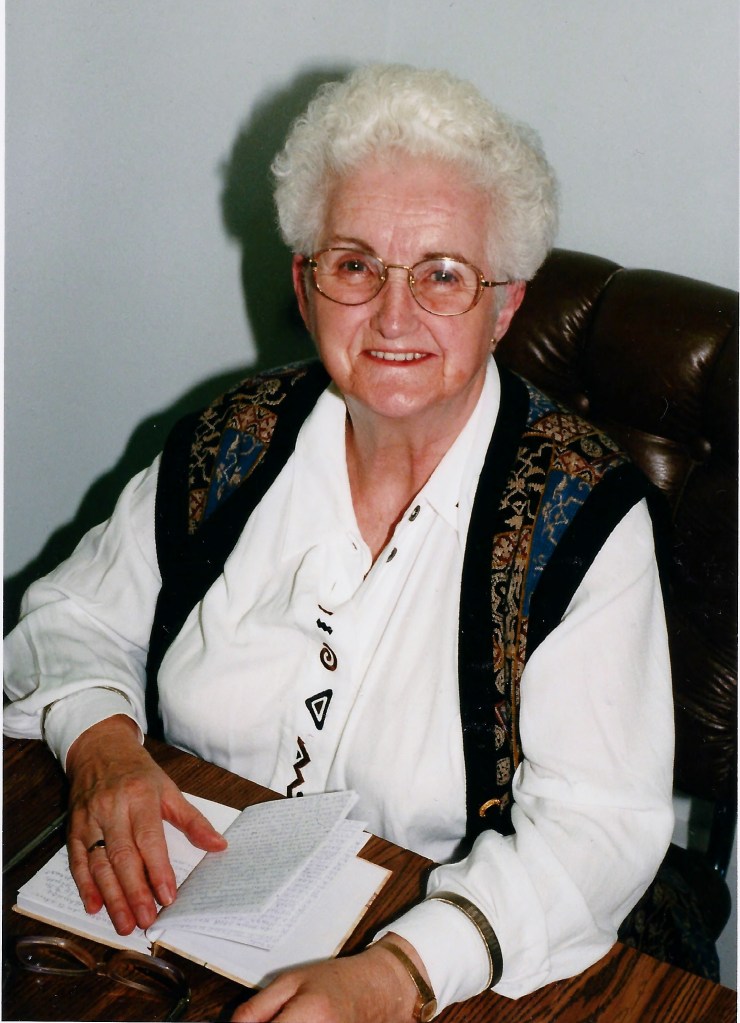
Tante Anny at my parents’ house, August 3, 1998.

I’m glad I was able to see Tante Anny during her visit, because she passed away two months later at age 72. Oom Nic, who was almost seven years older, survived Tante Anny by 15 years. He died in 2013 at age 93.

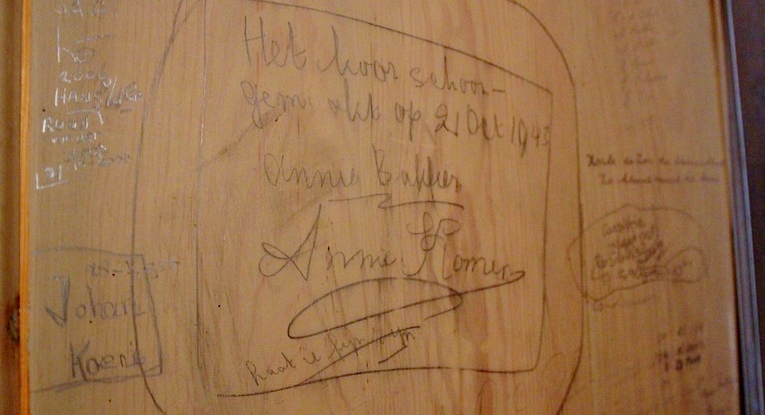
Many years ago I stumbled across the below photo on Flickr that might show my Tante Anny’s signature. It shows a panel of wood inside St. Jan de Doper Katholieke Kerk (“St. John the Baptist Catholic Church”) in Noord-Scharwoude with messages written in pencil. The large message in the centre reads “het koor schoongemaakt op 21 Oct 1943” (“the choir cleaned here on October 21, 1943”) and is signed by Annie Bakker and Annie Komen. Tante Anny would have been 17 years old at the time and this is the church she attended. I should ask my cousins if she was in the church choir. It would not surprise me, because my grandmother had been. Tante Anny’s mother was a Bakker, so Annie Bakker could have been a relative of hers.

Possible “graffiti” by my great aunt? Could this vandalism be the dark secret she was hiding when she told me family history isn’t interesting? 😉

(Posted on Flickr by Regionaal Archief Alkmaar under Creative Commons licence Generic 2.0.)

52 Weeks – Week 26: Identity

How little did I realize that when I decided what to write about on the topic of “Identity” for this week’s 52 Ancestors Challenge it would actually turn out to involve a case of mistaken identity!

A suggestion for this week’s topic was to write about an ancestor beyond just their name. I decided to write about my great grandfather, Adrianus (“Arie”) Komen. He was my father’s maternal grandfather. I chose Arie because of all my great grandparents, he seems to be the one who I consider least often when I write or research. Arie passed away not too long after my father was born, which further served to make him more remote in a way.

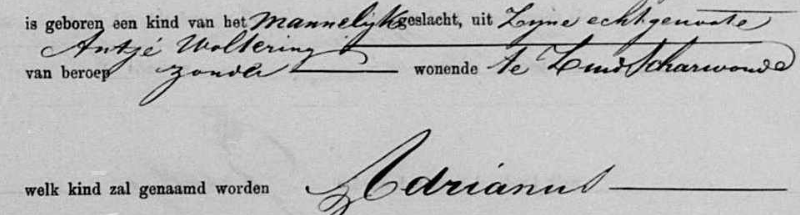
Arie was born on May 11, 1888 in Zuid-Scharwoude, Noord Holland, Netherlands to Nicolaas Komen and Antje Woltering. As far as any record I have indicates, Arie spent his whole life as an agricultural labourer.

The civil register for Zuid-Scharwoude with the record of Arie’s birth
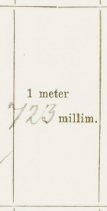
A strange way to state height…

The Netherlands had compulsory military service until the 1990s. When Arie’s name came up in the conscription draw, he sought an exemption from service due to poor eyesight. On December 24, 1907, the military deemed him fit for service. Arie was conscripted into the militia on March 3, 1908. Service was somewhat equivalent to reserve or national guard duty. Adrianus was assigned to the 4e Regiment Vesting-Artillerie (4th Regiment Fortress Artillery) based out of Den Helder. I found the way the military listed his height to be rather odd. Instead of stating that he was 172 cm tall (about 5′ 6 1/2″), it was listed as “1 meter 723 millimeter”.

Arie married Elizabeth Bakker on April 7, 1921 in Noord-Scharwoude, Noord Holland, Netherlands. Elizabeth, or “Oma Komen” as we referred to her when I was a child, lived until I was ten years old. I never met her, but she regularly sent us letters, postcards, and – most significantly to us as children – boxes of goodies in time for Sinterklaas.

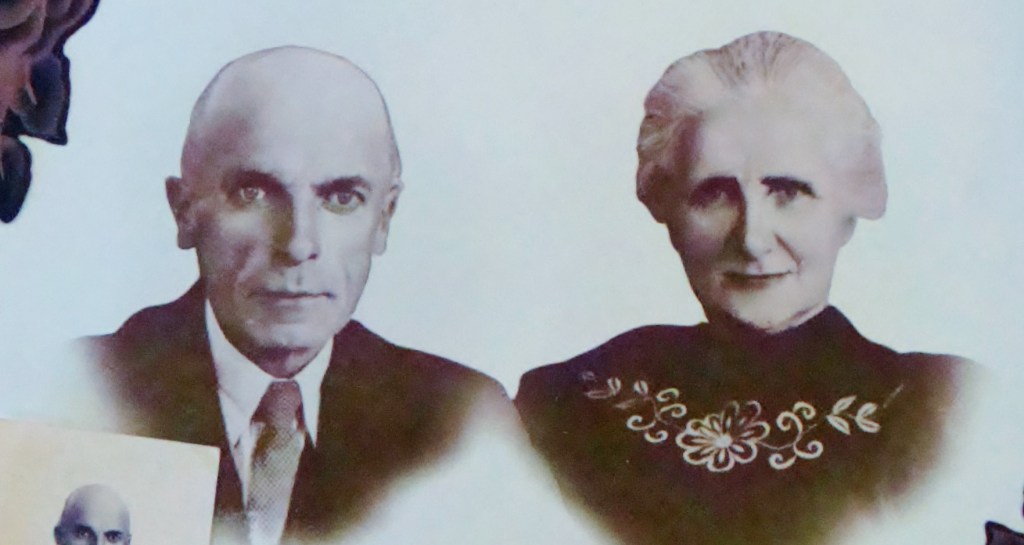
Arie and Elizabeth, from a family history album compiled by my aunt.

Shortly after they were married, Arie and Elizabeth moved into a house on Dorpstraat in Zuid-Scharwoude. I know this street well, as I have relatives who live on this street. In fact, during my last visit to the Netherlands, I stayed with a relative who lives at the north end of this street.

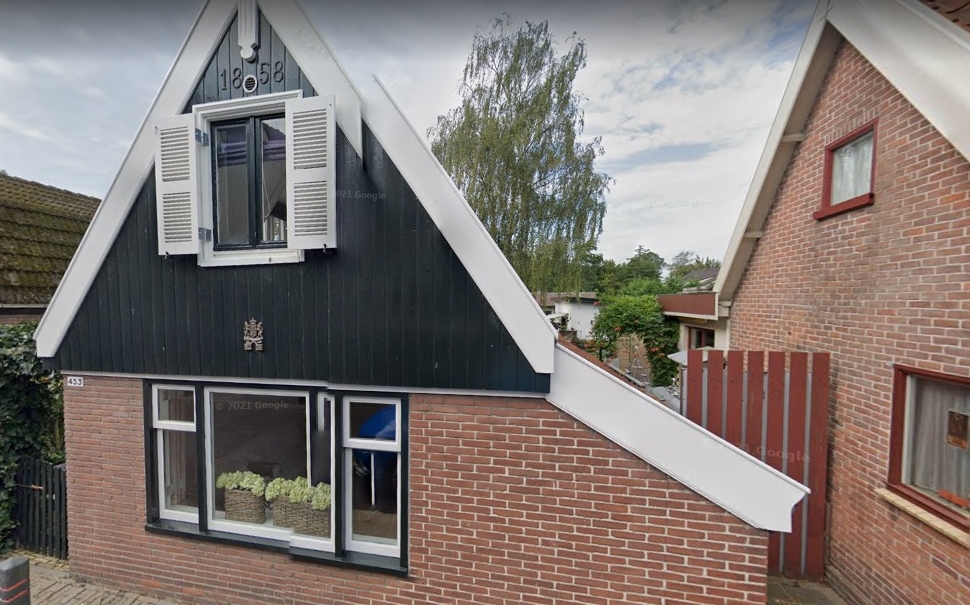
I was fortunate to discover an article in a local history society’s annual magazine that included an article documenting the history of the house that Arie and Elizabeth had moved into. The house itself was built in 1858 and my great grandparents lived there from 1921 to 1928. The article noted that their first three children were born in this house. As the eldest child, this would have included my grandmother, Christina Komen.

The house where my great grandparents lived for the first seven years after they were married. I just realized that during my first visit to the Netherlands, one of my cousins took me by this house and told me this is where my grandmother was born.
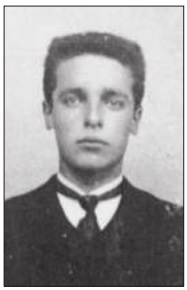
Not so fast, caption writer! This is actually Arie’s older brother, Laurentius (“Louw”) Komen.

Until I found this magazine article, the only photos I had seen of Arie and Elizabeth were taken late in their life. The article had a photo of Elizabeth that I was very familiar with; however, the photo of Arie showed him when he was a younger man of about 32.

Or so I thought.

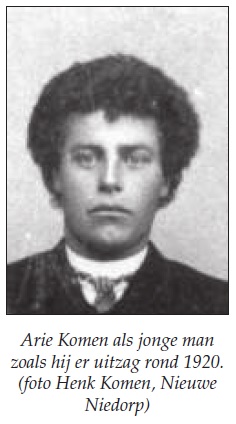
The article appeared in the historical society’s 2004 edition. The 2005 edition included mention of correspondence from my great aunt, Riet Komen, correcting a few errors in the previous year’s publication. One was to note that the photo they had published of Arie was not her father at all, but her uncle, Arie’s older brother Louw. Unfortunately, at the time Tante Riet wrote the magazine, she was unable to provide a photograph of her father. It was another year before the magazine was able to correct the error, two years after the fact.

THIS is Arie Komen!

When I made my original discovery, I emailed my mother the photo of Arie (which was actually Louw) so that she could show my dad. Apparently his response was to say, “what a good looking guy!” When I found the later edition of the magazine with the correction, I sent the actual photo of Arie to my mother for my dad to see. My mom’s response was to say how much they looked alike. I responded by saying that’s probably how the error occurred in the first place.

In December 1928, the family moved to “Pikstraat” in Noord-Scharwoude. I have never been able to find Pikstraat on the map, until today. By happenstance, I found a history of a family unrelated to mine (as far as I know!) in which one of the person’s ancestors lived on Pikstraat. The author of the history noted that the street is now called Werfstraat.

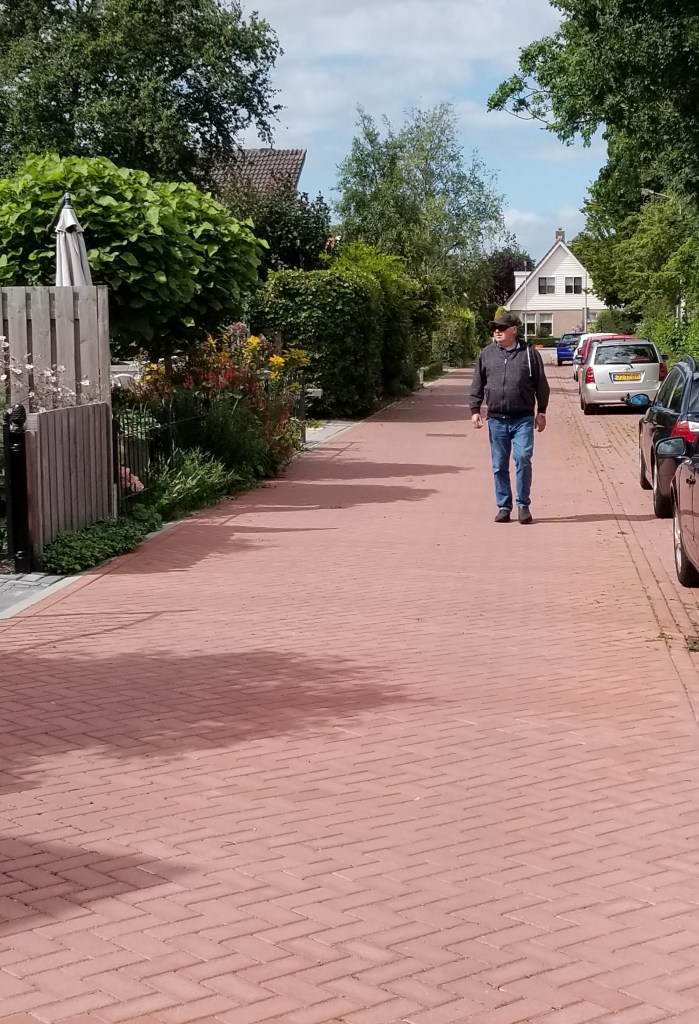
My father walking in front of his grandparent’s house on Werfstraat in Noord-Scharwoude.

I looked it up on Google maps – and discovered I had been there! Werfstraat is just off Dorpstraat at the north end of the municipality, near where I was staying with my family member. My parents were also visiting Noord-Scharwoude at the time, which had partially prompted my trip at the time. One day my father and I were walking around the neighbourhood and he showed me things he remembered from his childhood. One place we went was to where his grandmother, Oma Komen, had lived. I never realized that after Arie passed away in 1948, Oma Komen remained in the same house until she passed away in 1976.

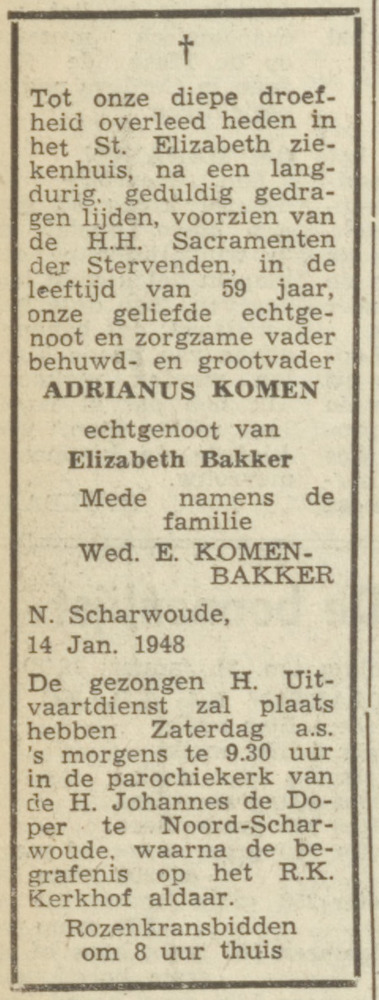
Arie was only 59 years old when he passed away in January 1948. He was buried in the parish churchyard of St. Jan de Doper Katholieke Kerk (St. John the Baptist Catholic Church) in Noord-Scharwoude. I’ve been to that cemetery, but his grave is no longer there. Graves in the Netherlands are usually leased, not purchased, and are routinely cleared after a few decades.

While I’d say I know more about my great grandfather Arie than simply his name, despite all I’ve written about him I still do not feel like I know him. My grandmother never spoke of her father and, to be fair, I never asked her about him. I was very close to one of my grandmother’s sisters, Anny Komen, ever since I was twelve. However, despite the close relationship we had, language was a significant barrier as she never spoke English and my Dutch was very rudimentary for most of the time I knew her (we had our ways of communicating), so asking about her father was not realistic. My grandmother’s youngest sister passed away only last year, but we were not as close. I last visited her in 2017, and it was not really the time for questioning her about her family history. As well, her health in the last many years made correspondence difficult for her. Thus, what I have to rely upon are what records are available. Nevertheless, I am pleased to discover that I know him better than I realized.

52 Weeks – Week 19: Food and Drink

This week’s topic for the 52 Ancestors Challenge is “Food and Drink”. Finally, a topic I can really sink my teeth into!

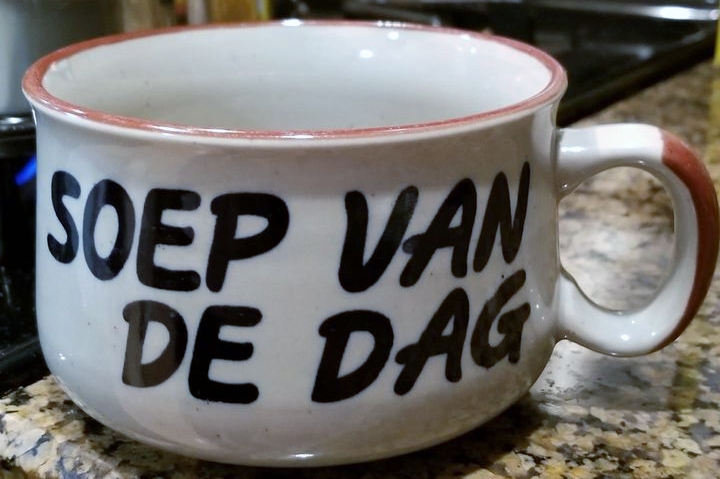
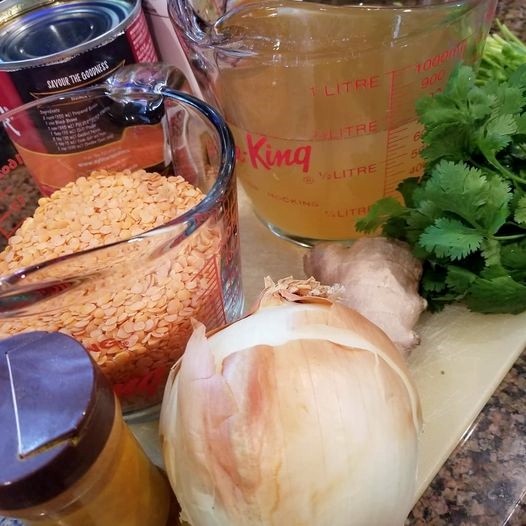
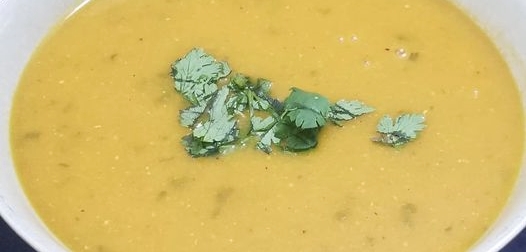
Soup of the Day

Last year on The Great Canadian Baking Show (a direct adaptation of The Great British Bake Off), one of the contestants said she was using her great grandmother’s recipes. There are things my grandmothers made that I have been trying to recreate or emulate for years, but nothing from any of my great grandmothers. I also realized that if I had recipes from my great grandmothers, my kids would have recipes from their great great grandmothers. I love to cook, both my kids really like being in the kitchen with me, and my eldest shares my love of genealogy, so it would be special to have those kinds of recipes.

I asked my mother if she has any of her grandmothers’ recipes, and asked the same of my mother-in-law. I now have a few of those recipes.

From my wife’s mother, I got a recipe for brown bread handed down from her grandmother. Among other things, it calls for two cups of rolled oats, nine cups of flour, and a cup of molasses. Despite that volume, it apparently yields only three loaves of bread. While I am rather good at baking, I don’t really enjoy it, so I haven’t yet tried out this recipe, especially with the volumes of ingredients it requires.

Something I have tried making, however, is cranberry sauce using a recipe from my wife’s great aunt. My wife is actually a very good cook, but doesn’t enjoy it as much as I do so she rarely does. However, she’s usually the one who will make this cranberry sauce. Besides, I don’t actually like cranberry sauce.

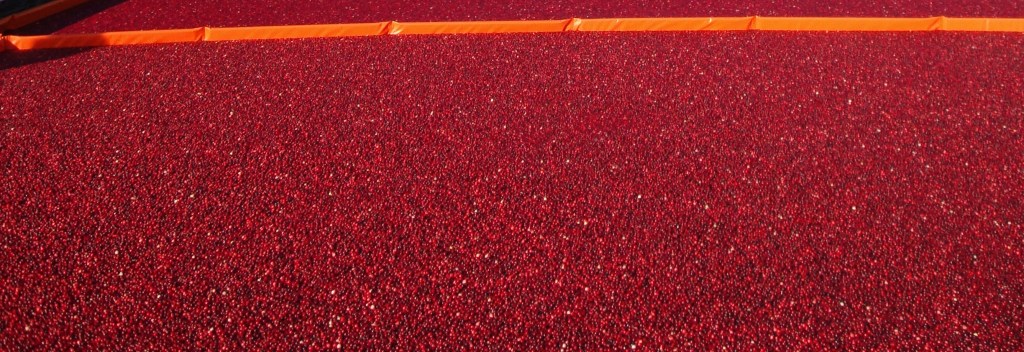
So many cranberries!

My mother said that her maternal grandmother was not really a good cook, except for one thing: raisin cookies. While I take my mother’s word for it, I find it hard to get excited over raisin cookies.

My maternal grandmother was an amazing cook and baker. She made her soup noodles from scratch and pickles from cukes my grandfather would grow. While my grandmother was born in Saskatchewan, both her parents were  Germans from Russia, so a lot of her cooking reflected that cultural heritage. My mother, also a very good cook, learned from her mother, so a few of our favourite meals as kids also reflected that background.

My grandmother also made her own preserves, jams, and jellies. Of those, one of my favourites was her chokecherry jelly. A year after she died, I moved away from home to attend university. While unpacking, I discovered that I had a jar of her chokecherry jelly in one of my boxes. Realizing that I had the last jar of her jelly in the entire world, I savoured and stretched it out as long as I could.

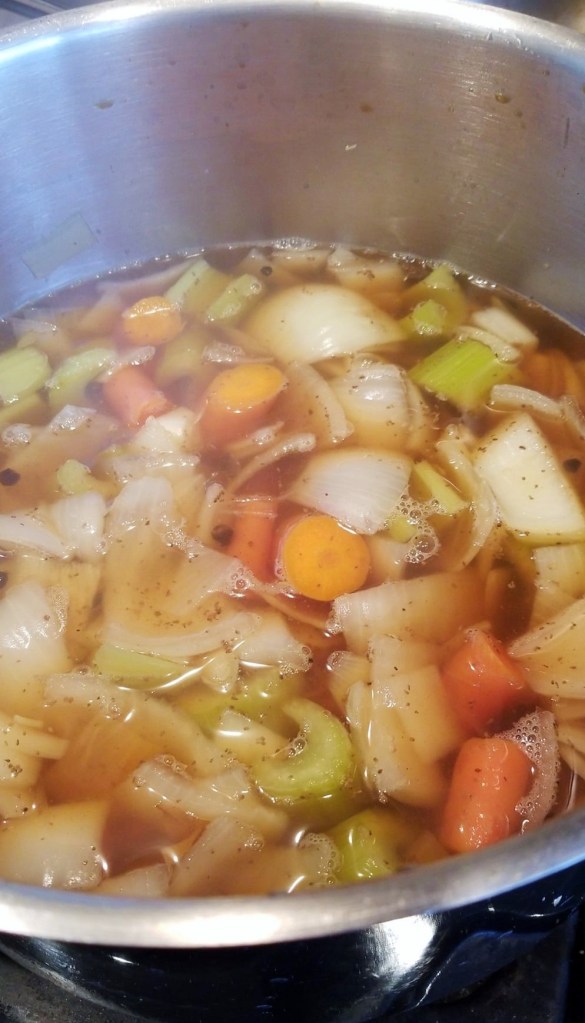
Making stock during my latest attempt to replicate my grandmother’s soup.

My dad’s mother was not as good a cook. Rather, her usual fare was either very, very good or…not so very good, to put it kindly. In fairness, a couple of things she seemed bad at was because she was cooking for my grandfather’s tastes. For example, he enjoyed meat beyond well done. However, my grandmother made amazing soup. I have spent years trying to recreate her groentensoep met balletjes (vegetable soup with meatballs). While it’s a common traditional Dutch soup, everyone has their own little twists on how they make it. I exchanged many emails with one of my aunts over the years as we tried to work out my grandmother’s special way of making it.

My grandmother made a lot of customary Dutch dishes. Some I really liked, others I found…less likeable. While it was usually greasy, I really liked her hachee, a beef and onion stew. However, I really disliked her stamppot, which she made more often than not. Stamppot usually consists of potatoes boiled and mashed with other vegetables. My grandmother typically made boerenkool stamppot – kale and potatoes. The way my grandmother made it, she’d boil the vegetables beyond recognition, then my dad would make me cover it in gravy and mix it together. I was sure I was being punished for something.

One day during a trip to Alberta to visit my parents, I found myself in my grandparents’ neighbourhood. I thought the time of day was right, because it meant that I was probably too early for supper. While I loved her soup, I didn’t want to run the risk of ever having to eat boerenkool stamppot again. Unfortunately, my grandparents were eating early that day and my grandmother had already started cooking and invited me to stay for dinner.

Much to my surprise and delight, in addition to her soup, I discovered that my grandmother was making nasi goreng, an Indonesian fried rice dish. As Indonesia was a former colonial possession, Indonesian food is very common in the Netherlands. It’s fantastic food, It makes up for the fact that some staples of Dutch cuisine seem to be things made on a dare – or named on a dare, like snert (a nickname for ertwensoep, traditional Dutch split pea soup, which is delicious).

I asked my grandmother if she was trying something new. She replied that she made it all the time. I did a mental double take and said that I had never seen her make Indonesian food before in my entire life. “Oh, that’s because your father doesn’t like it, so I never made it when your family came for dinner.” So all those years I had been choking down boerenkool stamppot we could have been enjoying nasi goreng! Needless to say, that evening I let my father know how unimpressed I was to make this discovery.

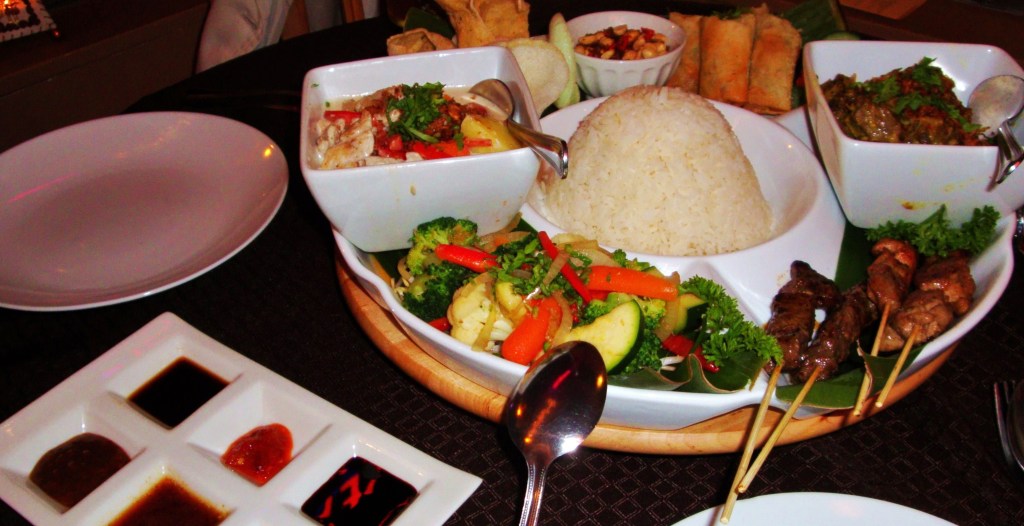
Rijsttafel, a sampling of Indonesian dishes served wth rice, at the former Balilicious restaurant in Vancouver.

While it seems that Dutch cuisine leaves something to be desired, I may be exaggerating to some extent. Some of my favourite treats and dishes are Dutch and I’ve collected a few cookbooks with Dutch recipes. Unfortunately, I have yet to find many recipes that work for our entire family. While my version of my grandmother’s groentensoep is generally a big hit, other things seem to divide the house fifty-fifty.

Before I leave the topic of Dutch food, never accept an offer from a Dutch person of dubbel zoute drop: double salted black licorice. Lots of Dutch people love to see the reaction of their unsuspecting victims. I love black licorice, but without the addition of the Dead Sea.

Over the last few years, I’ve started to acquire recipes from more extended branches of the family. My brother-in-law is Jewish, and I’ve acquired a few recipes and cooking tips from his sister and mother. Sometimes I’ll try making a particular dish from recipes I’ve found online, and then sought guidance from my sister’s mother-in-law as to how to tweak and improve the dish. What I have discovered is that the best latkes are the ones made by someone else – I find them to be a lot of work!

Meanwhile, I just remembered that at the time of that episode of The Great Canadian Baking Show, my parents were in the middle of moving house, so my mom said she’d look for her mother’s notes and recipes after they settled in. However, visiting her over Christmas and well after the move, I completely forgot to follow up on it. Hopefully I can remember this seven months from now, when visiting her next Christmas!