52W Mark II – Week 49: Family Recipe

Years ago on The Great Canadian Baking Show, one of the contestants said that she was using her *great* grandmother’s recipe. I have all sorts of recipes from my grandmothers (and copious notes on the recipes they didn’t write down that I’ve spent years trying to recreate). However, it never crossed my mind to think about my great grandmothers’ cooking. So the episode inspired me to ask my mother and mother-in-law if they had any of their grandmothers’ recipes.

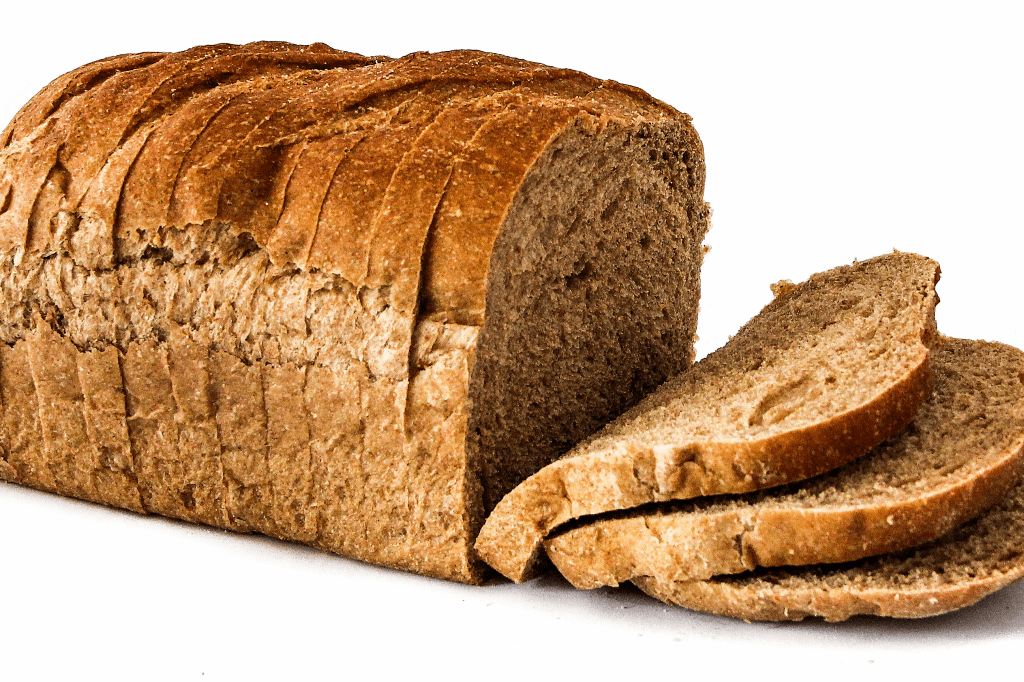
My mother-in-law responded first and provided me with her maternal grandmother’s recipe for brown bread. I’m happy to have it, but I doubt I’ll ever make it. It not only calls for nine cups of flour, it also requires two cups of rolled oats. I know that nine cups of flour isn’t outlandish for two loaves of bread, but adding in all those oats, it strikes me as a lot. However, the real impediment is that while I love to cook, I do not enjoy baking – despite the fact I am a pretty good baker. Nevertheless, I am thrilled to have a recipe that our kids can say was their great great grandmothers! (In fact, writing that last sentence has me thinking that maybe I should make this recipe…)
My mother responded by saying that she didn’t think she had any. She reminded me that her maternal grandmother was not a very good cook. The one exception was that her grandmother made fantastic raisin drop cookies, which all the grandchildren loved. My mother doesn’t have the recipe, which is fine by me. The only thing more boring than raisin cookies is oatmeal cookies.

As for my grandmothers, I’ve written about their cooking in some detail before, but I can add a bit of an update.

This past summer we participated in a 16-week Community Supported Agriculture (CSA) program through a local Richmond farm, Sweet Digz Farm. Overall, we had a very positive experience. What became apparent very early on was that a lot of the produce we were receiving lent itself to a lot of Dutch dishes. In particular, we had a lot of potatoes and kale, the key components of boerenkool stamppot (the Dutch were eating kale decades before it was cool and trendy in North America). My paternal grandmother often made stamppot, and it was awful. I knew I could do better.

My youngest and I went to a local butcher in Steveston Village and he selected the sausage for the recipe. (Sometime I will have to write about the Steeves family of New Brunswick, after whom the west coast village is named. My kids are Steeves descendants.) I also was a bit non-traditional with my stamppot. While there are no hard and fast rules, stamppot is usually potatoes and kale, while a combination of potatoes, onions, and carrots is hutspot. I was a rebel and not only used potatoes, carrots, and kale in the same dish, I used a few kohlrabi in place of a couple potatoes.

If I say so myself, it turned out amazing, and needless to say, much better than my grandmother’s. Not only that, but everyone in the family loved it and wanted seconds. While my family are generally not picky eaters, there are very few things that appeal to all of them. There’s always something I can tell someone is less than thrilled with. Even moreso with the Dutch foods I make – there’s always one who loves it and one for whom the dish is not for them. Pity, because in the winter months I really could go for some snert. A few days later I made shepherds pie (another universal favourite), but used leftover stamppot instead of the typcial mashed potatoes. Another win!

The biggest score, however, was during a visit to my mother’s a year ago. She distractedly removed an item from the back of a shelf and casually said, “oh, it’s my mother’s recipe book.” Yes, my head exploded. I had been asking her for years if she would find it for me sometime. I immediately absconded with it and photographed every page. The vast majority of the recipes were her desserts and sweet dishes but very few of her savoury dishes. However, a few of the savoury dishes seemed familiar – they were things my mother made, but in a whole different way. I could see how my mother adapted and changed her mother’s recipes over time – just as I do with my mother’s recipes!
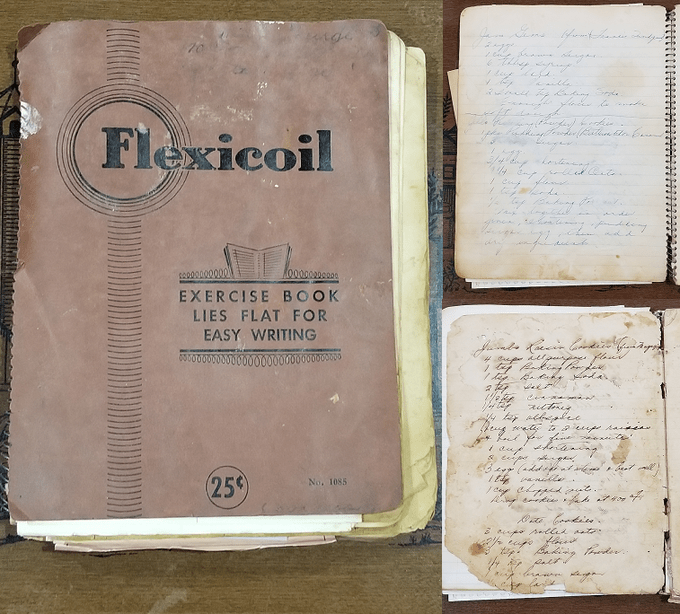
My maternal grandmother’s recipe book.

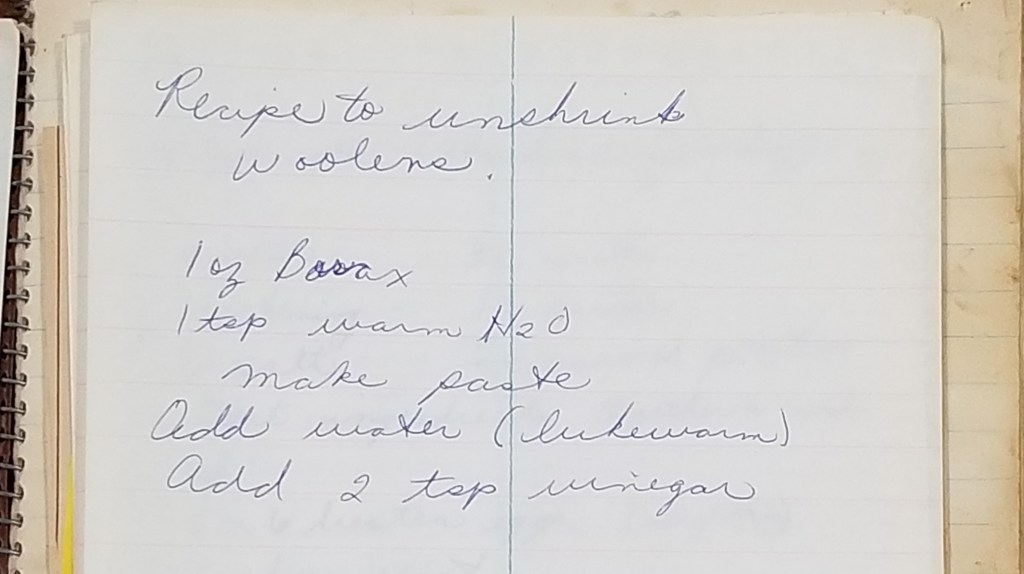
My grandmother also wrote down a few non-culinary recipes, such as this Recipe to Unshrink Woolens:
There were also a lot of clippings of recipes from magazines and product packaging. This was an advertisement on the reverse side of a recipe my grandmother clipped from a magazine in the 1970s:

I suspect those scientists – and their successors – remained frightened, and rightfully so.
52 Weeks – Week 19: Food and Drink

This week’s topic for the 52 Ancestors Challenge is “Food and Drink”. Finally, a topic I can really sink my teeth into!

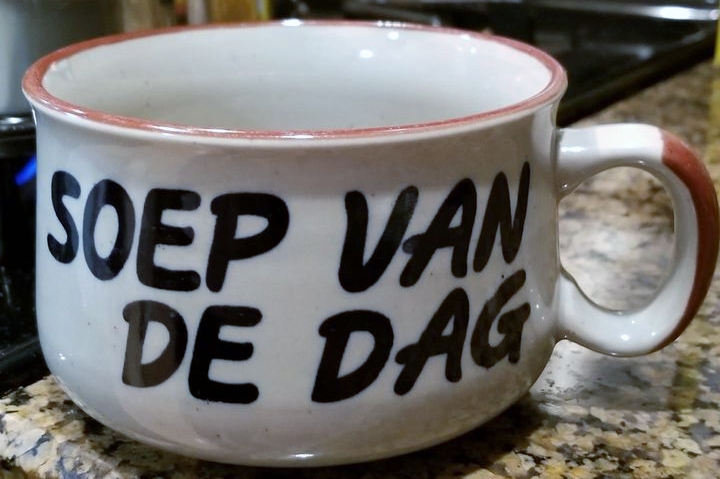
Soup of the Day

Last year on The Great Canadian Baking Show (a direct adaptation of The Great British Bake Off), one of the contestants said she was using her great grandmother’s recipes. There are things my grandmothers made that I have been trying to recreate or emulate for years, but nothing from any of my great grandmothers. I also realized that if I had recipes from my great grandmothers, my kids would have recipes from their great great grandmothers. I love to cook, both my kids really like being in the kitchen with me, and my eldest shares my love of genealogy, so it would be special to have those kinds of recipes.

I asked my mother if she has any of her grandmothers’ recipes, and asked the same of my mother-in-law. I now have a few of those recipes.

From my wife’s mother, I got a recipe for brown bread handed down from her grandmother. Among other things, it calls for two cups of rolled oats, nine cups of flour, and a cup of molasses. Despite that volume, it apparently yields only three loaves of bread. While I am rather good at baking, I don’t really enjoy it, so I haven’t yet tried out this recipe, especially with the volumes of ingredients it requires.

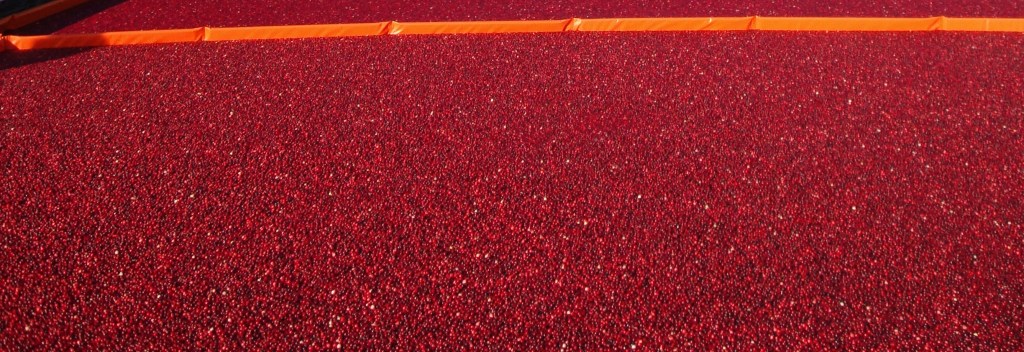
Something I have tried making, however, is cranberry sauce using a recipe from my wife’s great aunt. My wife is actually a very good cook, but doesn’t enjoy it as much as I do so she rarely does. However, she’s usually the one who will make this cranberry sauce. Besides, I don’t actually like cranberry sauce.

So many cranberries!

My mother said that her maternal grandmother was not really a good cook, except for one thing: raisin cookies. While I take my mother’s word for it, I find it hard to get excited over raisin cookies.

My maternal grandmother was an amazing cook and baker. She made her soup noodles from scratch and pickles from cukes my grandfather would grow. While my grandmother was born in Saskatchewan, both her parents were  Germans from Russia, so a lot of her cooking reflected that cultural heritage. My mother, also a very good cook, learned from her mother, so a few of our favourite meals as kids also reflected that background.

My grandmother also made her own preserves, jams, and jellies. Of those, one of my favourites was her chokecherry jelly. A year after she died, I moved away from home to attend university. While unpacking, I discovered that I had a jar of her chokecherry jelly in one of my boxes. Realizing that I had the last jar of her jelly in the entire world, I savoured and stretched it out as long as I could.

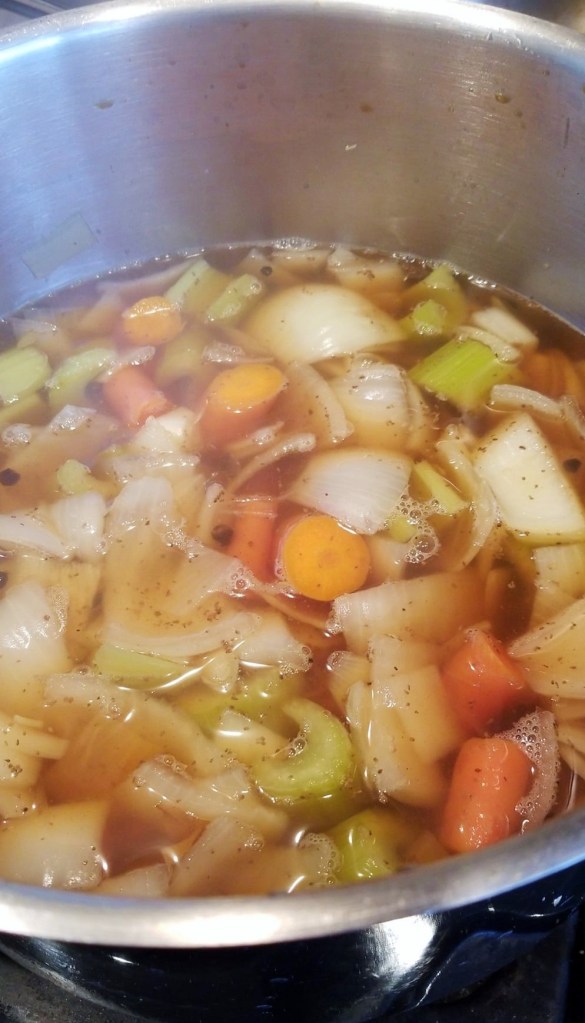
Making stock during my latest attempt to replicate my grandmother’s soup.

My dad’s mother was not as good a cook. Rather, her usual fare was either very, very good or…not so very good, to put it kindly. In fairness, a couple of things she seemed bad at was because she was cooking for my grandfather’s tastes. For example, he enjoyed meat beyond well done. However, my grandmother made amazing soup. I have spent years trying to recreate her groentensoep met balletjes (vegetable soup with meatballs). While it’s a common traditional Dutch soup, everyone has their own little twists on how they make it. I exchanged many emails with one of my aunts over the years as we tried to work out my grandmother’s special way of making it.

My grandmother made a lot of customary Dutch dishes. Some I really liked, others I found…less likeable. While it was usually greasy, I really liked her hachee, a beef and onion stew. However, I really disliked her stamppot, which she made more often than not. Stamppot usually consists of potatoes boiled and mashed with other vegetables. My grandmother typically made boerenkool stamppot – kale and potatoes. The way my grandmother made it, she’d boil the vegetables beyond recognition, then my dad would make me cover it in gravy and mix it together. I was sure I was being punished for something.

One day during a trip to Alberta to visit my parents, I found myself in my grandparents’ neighbourhood. I thought the time of day was right, because it meant that I was probably too early for supper. While I loved her soup, I didn’t want to run the risk of ever having to eat boerenkool stamppot again. Unfortunately, my grandparents were eating early that day and my grandmother had already started cooking and invited me to stay for dinner.

Much to my surprise and delight, in addition to her soup, I discovered that my grandmother was making nasi goreng, an Indonesian fried rice dish. As Indonesia was a former colonial possession, Indonesian food is very common in the Netherlands. It’s fantastic food, It makes up for the fact that some staples of Dutch cuisine seem to be things made on a dare – or named on a dare, like snert (a nickname for ertwensoep, traditional Dutch split pea soup, which is delicious).

I asked my grandmother if she was trying something new. She replied that she made it all the time. I did a mental double take and said that I had never seen her make Indonesian food before in my entire life. “Oh, that’s because your father doesn’t like it, so I never made it when your family came for dinner.” So all those years I had been choking down boerenkool stamppot we could have been enjoying nasi goreng! Needless to say, that evening I let my father know how unimpressed I was to make this discovery.

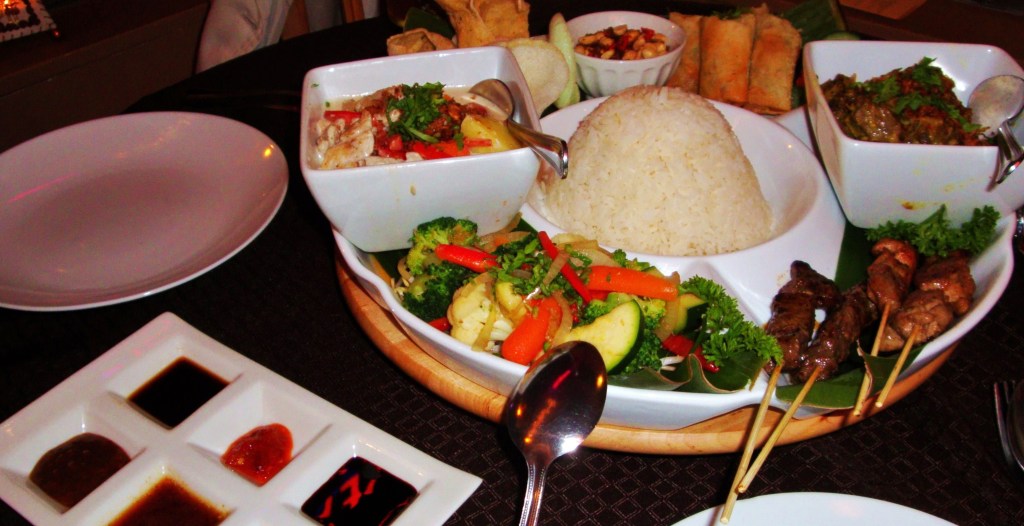
Rijsttafel, a sampling of Indonesian dishes served wth rice, at the former Balilicious restaurant in Vancouver.

While it seems that Dutch cuisine leaves something to be desired, I may be exaggerating to some extent. Some of my favourite treats and dishes are Dutch and I’ve collected a few cookbooks with Dutch recipes. Unfortunately, I have yet to find many recipes that work for our entire family. While my version of my grandmother’s groentensoep is generally a big hit, other things seem to divide the house fifty-fifty.

Before I leave the topic of Dutch food, never accept an offer from a Dutch person of dubbel zoute drop: double salted black licorice. Lots of Dutch people love to see the reaction of their unsuspecting victims. I love black licorice, but without the addition of the Dead Sea.

Over the last few years, I’ve started to acquire recipes from more extended branches of the family. My brother-in-law is Jewish, and I’ve acquired a few recipes and cooking tips from his sister and mother. Sometimes I’ll try making a particular dish from recipes I’ve found online, and then sought guidance from my sister’s mother-in-law as to how to tweak and improve the dish. What I have discovered is that the best latkes are the ones made by someone else – I find them to be a lot of work!

Meanwhile, I just remembered that at the time of that episode of The Great Canadian Baking Show, my parents were in the middle of moving house, so my mom said she’d look for her mother’s notes and recipes after they settled in. However, visiting her over Christmas and well after the move, I completely forgot to follow up on it. Hopefully I can remember this seven months from now, when visiting her next Christmas!