
My mother’s maternal line are all Germans from Russia. The Russian Empire expanded significantly during the 18ths century. When Catherine the Great came to power in 1763, she encourage immigration, partly to re-establish farming in regions that had laid fallow during periods of warfare, modernize the country, and to populate regions the Empire had absorbed.
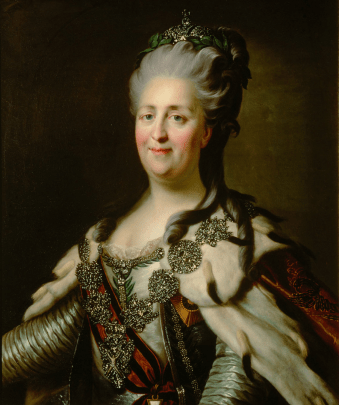
Catherine’s manifesto inviting settlers bears some resemblance the homestead schemes introduced in the United States and Canada over a century later.
Among other things, she promised land, free transportation to Russia, and economic incentives (including freedom from taxes for a period of time and interest-free loans for the purchase of equipment). As well, settlers were promised that they could freely practice their religion, retain their language, and be free from military service. The settlers were also promised a degree of self-government.
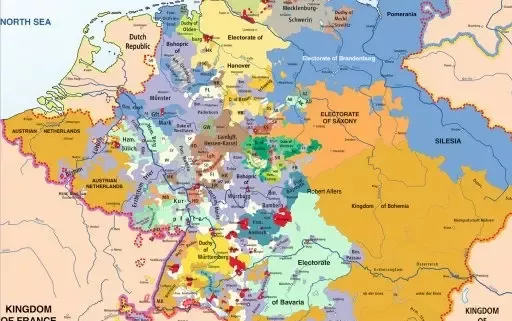
While settlers came from several places in Europe, a majority were Germans. At the time, there was no “Germany”. Rather, the region was primarily composed of a multitude of principalities, dutchies, and other small states. While Catherine’s promises provided a significant pull, economic and political conditions in the German states provided a significant push.
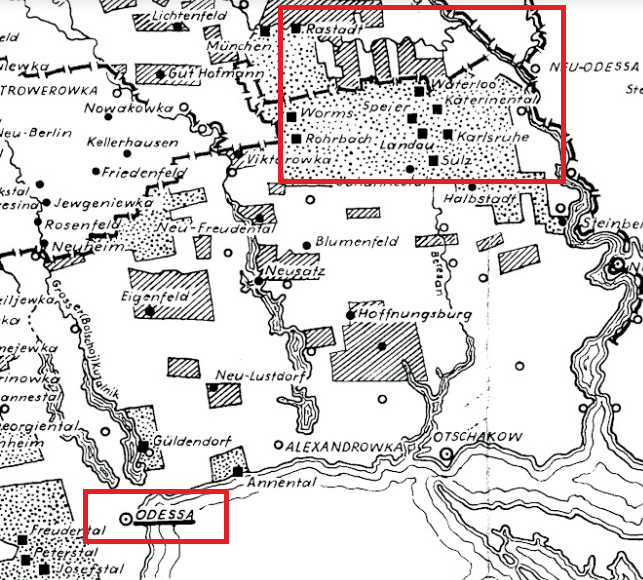
The first wave of settlers formed colonies in the Volga region (“Volga Germans”). The next wave occurred after Catherine’s grandson, Alexander I, issued a similar manifesto with many of the same promises. My ancestors were part of this wave of settlers, who formed colonies in what is now southern Ukraine, particularly in the area north of Odessa (“Black Sea Germans”).
The German colonies were usually composed of members of the same religion. The main colonies were Catholic, Lutheran, and Mennonite. These colonies thrived for decades. However, in 1871, Czar Alexander II repealed the manifestos of Catherine and Alexander I. The German colonists lost many of their privileges. Shortly afterwards, they lost their exemption from military service. The next Czar, Alexander III, took further steps to incorporate the German population into general Russian society, which included discouraging the German language and encroaching on the school system established by the colonists.
Needless to say, this immediately sparked waves of emigration of the German colonists, many of whose families had been in Imperial Russia for decades. Many of these Germans left for the United States and Canada, relocating to the plains stretching from Texas to Saskatchewan. Other colonists left for Argentina and Brazil.
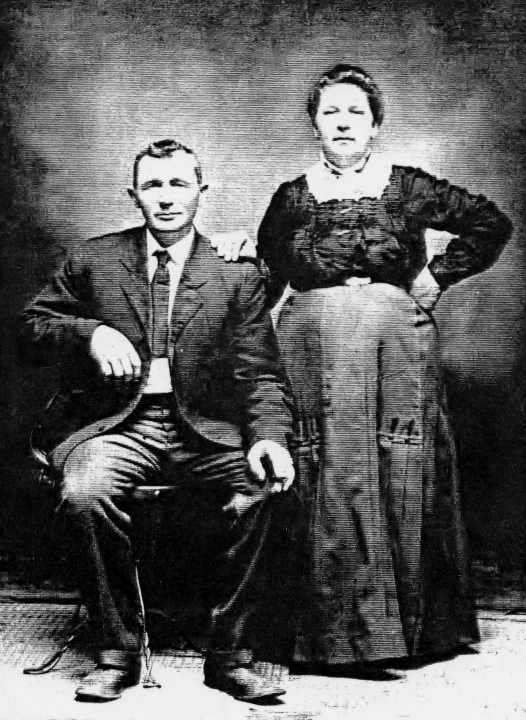
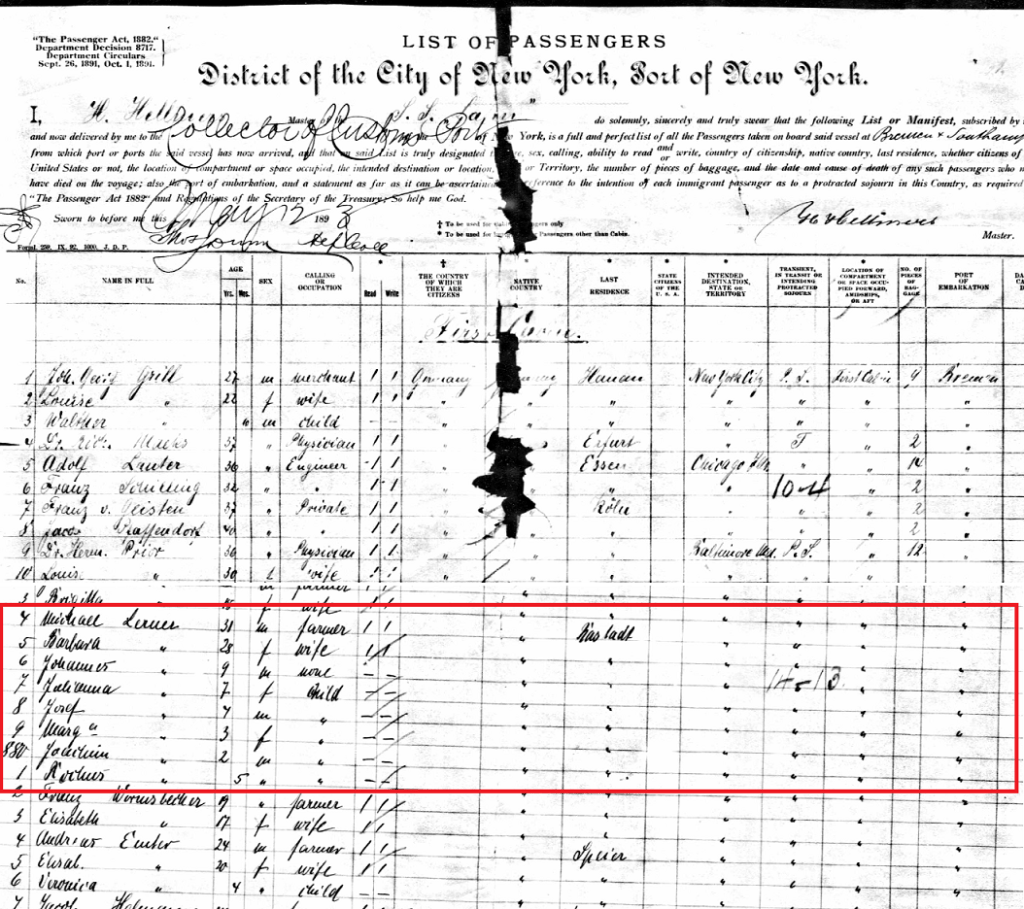
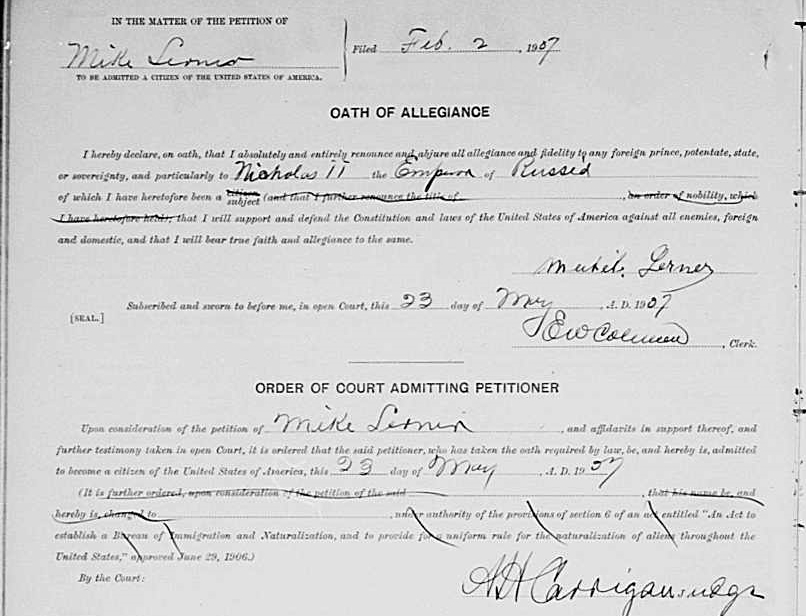
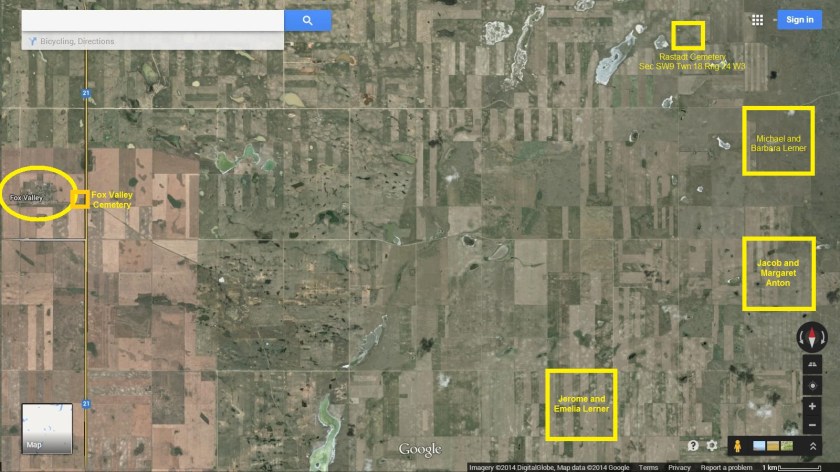
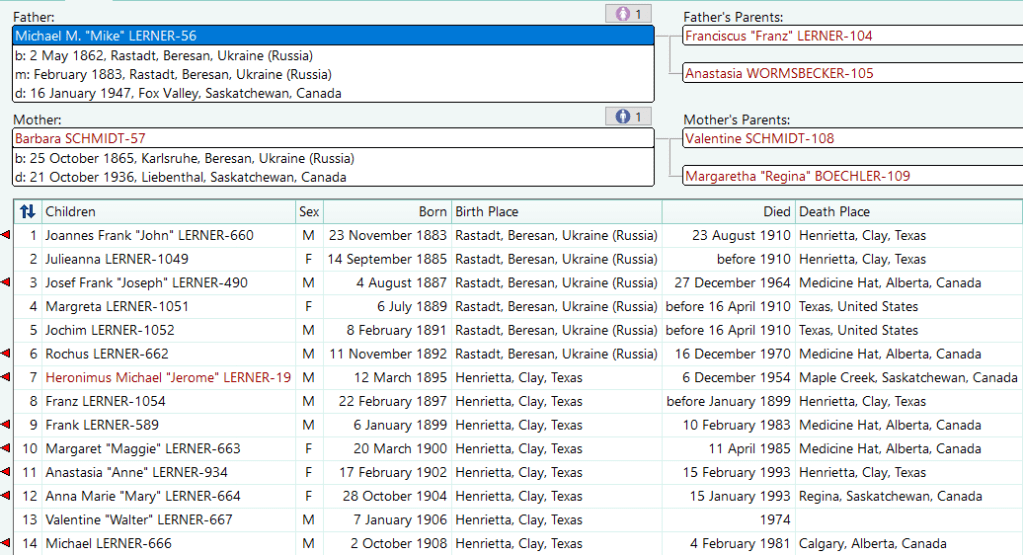
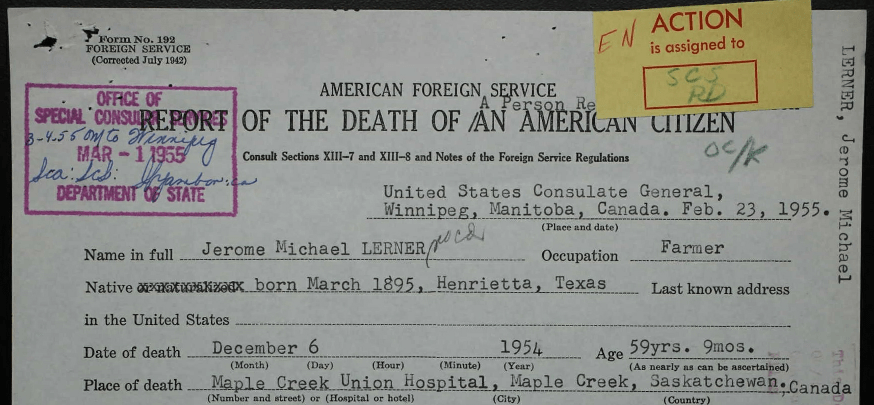
My grandmother’s paternal line originally settled in Texas, starting with my great great grandparents, Michael Lerner and Barbara Schmidt and their six children. They came over in 1893 on the S.S. Lahn, which landed at Ellis Island – less than 18 months after it had opened. Michael and Barbara had six more children after settling in Texas, the first of whom was my great grandfather, Heronimus “Jerome” Lerner. Over time, many of their children relocated to Saskatchewan, including Jerome. Michael and Barbara ultimately made the same move themselves, leaving behind several of their adult children.
My grandmother’s maternal grandparents, Jacob Anton and Margaretha “Margaret” Heck, came directly to Canada in 1912 with all their children and settled in Saskatchewan. This included my great grandmother, Emelia Anton, who was nine years old at the time. She lived to be 94 and I knew her well.
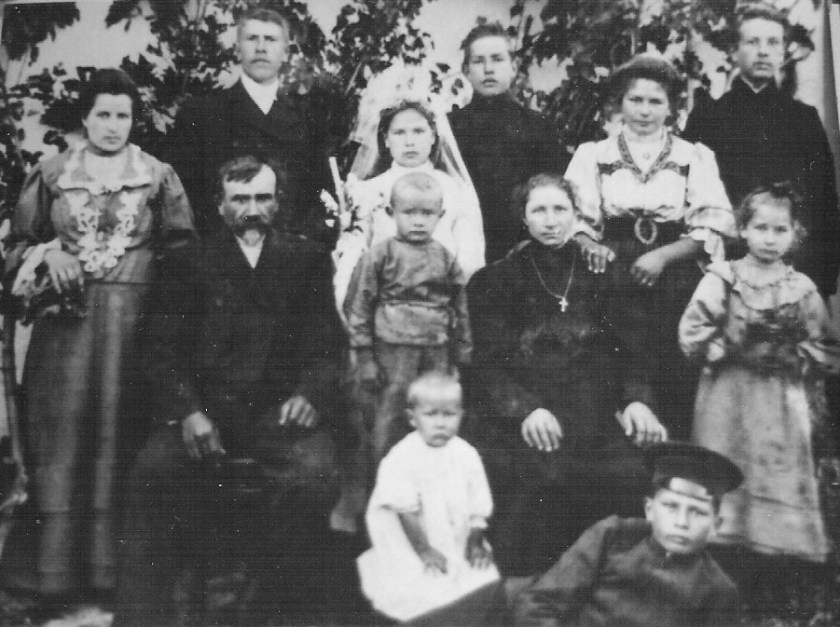
The Anton family, circa 1910. Likely taken in Selo Suchoi, Veronesch, Russia. My great grandmother, Emelia, is the little girl standing at the edge of the right side of the photo.
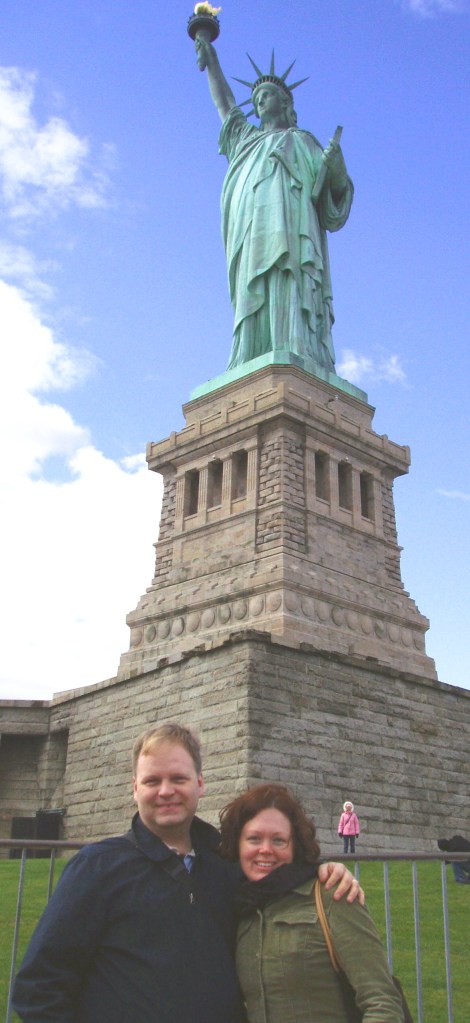
Emelia had not had much schooling before coming to North America, but was very religious. She said that she was frightened and nervous during the journey, as she did not know anything about where she was going and did not fully understand what was going on. However, on reaching New York, she said her fears subsided when she saw “the Madonna”. When she saw that, she knew she would be safe and all would be well. Of course, the “Madonna” was the Statue of Liberty. As she had never heard of it before, she thought it was a statue of the Virgin Mary.
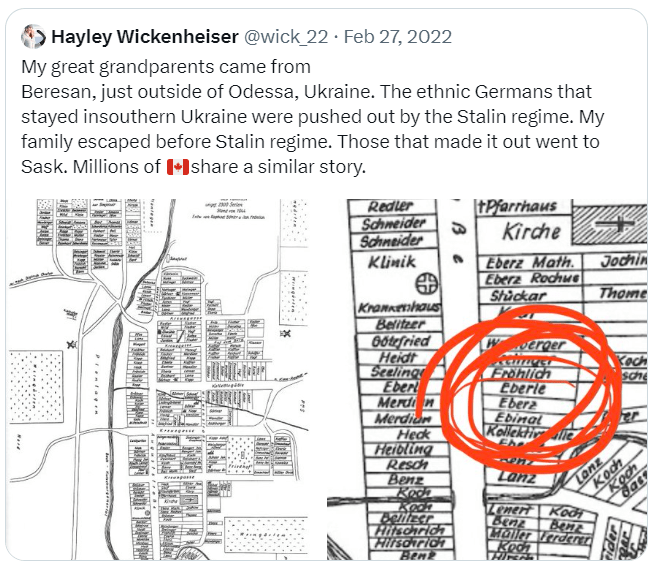
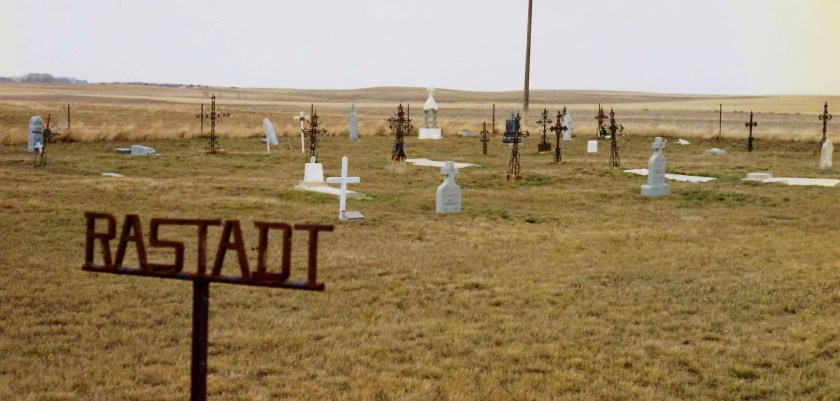
There are many well-known descendants of the Germans from Russia. They include Lawrence Welk, who married my grandmother’s fourth cousin. While I am generally disinterested in celebrity, I was excited to learn that Hayley Wickenheiser is a descendant of Germans from Russia. Her great grandparents lived in Rastadt, where Mike and Barbara had lived before emigrating. However, her family was there decades after mine left, as the did not leave until they fled Stalin’s regime.
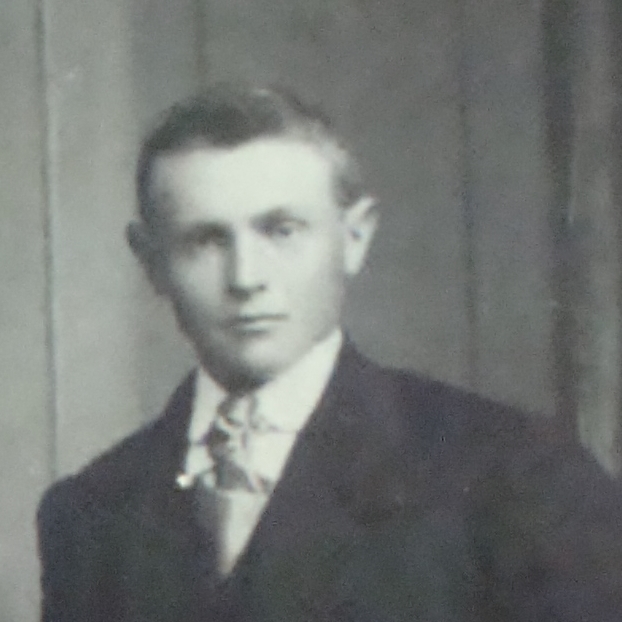
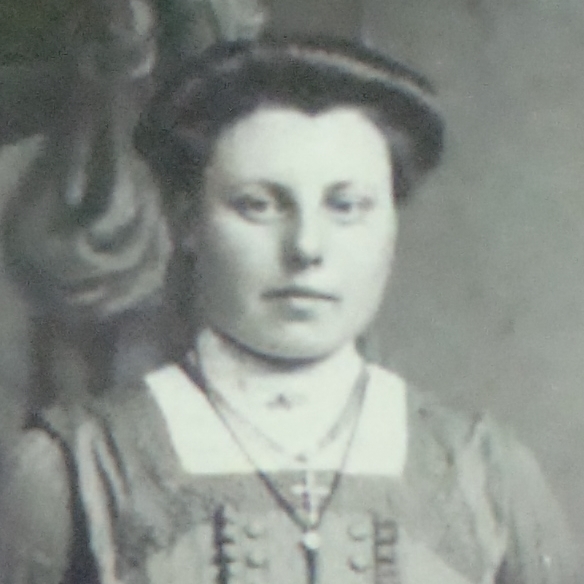
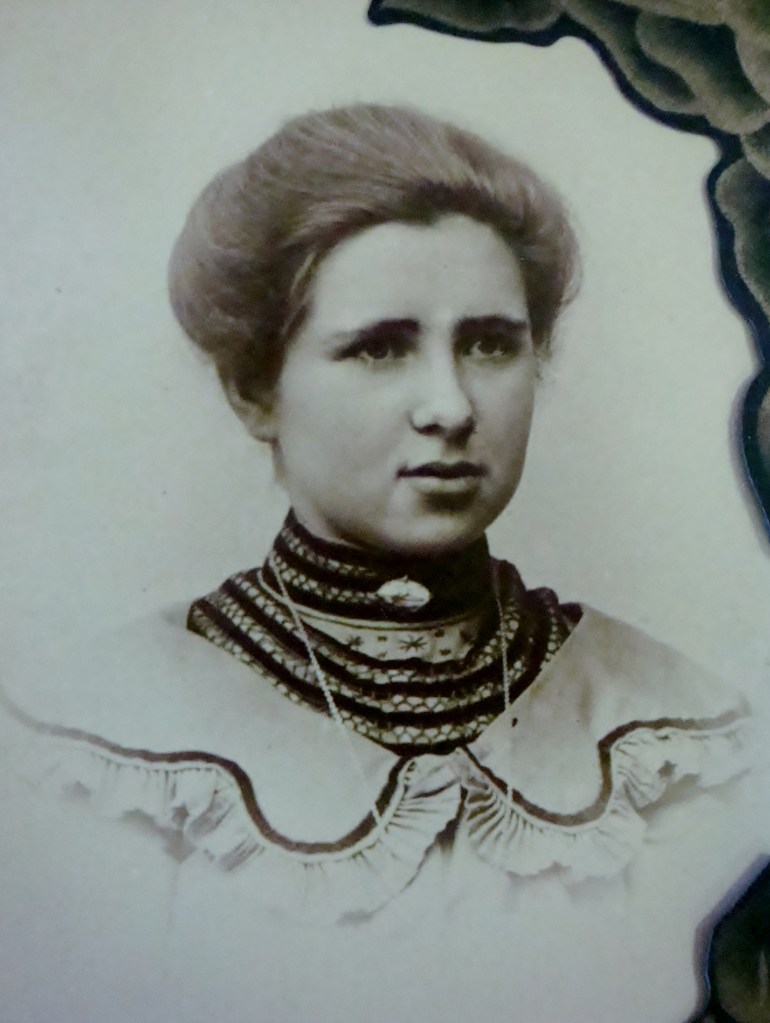

 A Deck of Ancestors