52W Mark II – Week 31: Flew The Coop

This week’s theme for the week’s 52 Ancestors Challenge is “Flew The Coop”. I’m making a real stretch of the phrase to write about my recent visit to Pier 21, where my father and his family arrived in Canada after emigrating from the Netherlands. They arrived on board the Sibajak in early 1954. My father’s aunt and uncle had arrived at Pier 21 four months earlier, in January 1954 on the Groote Beer, while another aunt and uncle followed in late May 1954, on board the Castel Felice.
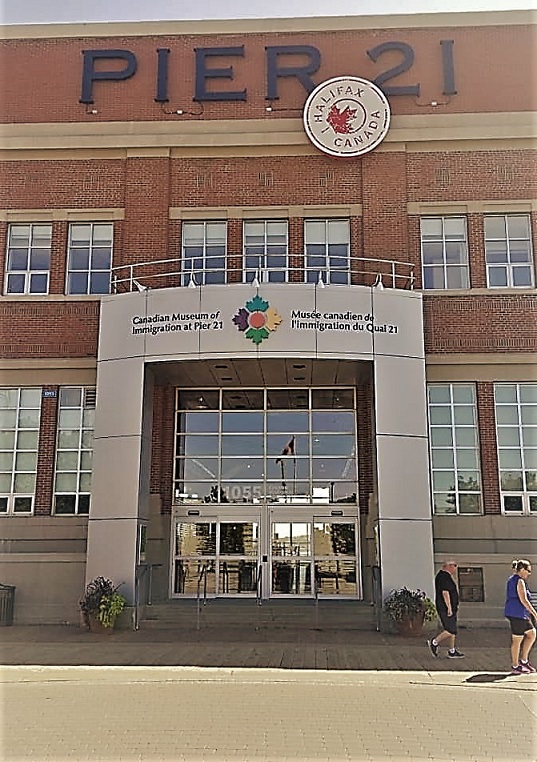
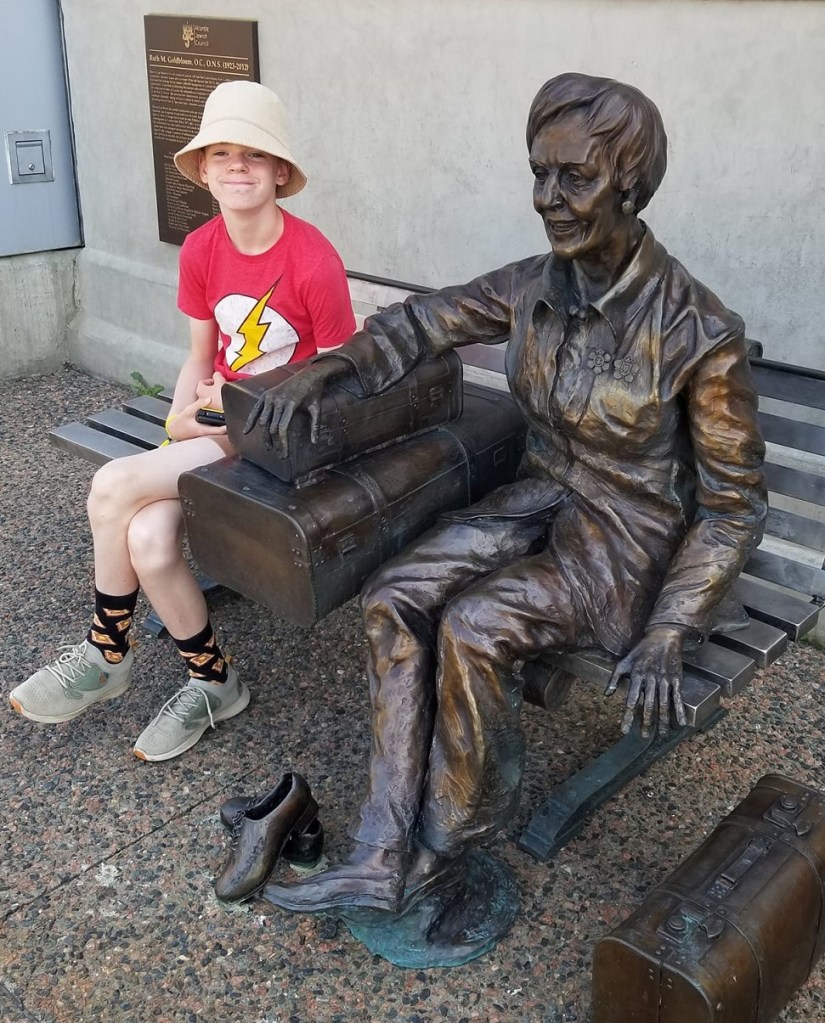
This was not my first visit to Pier 21 (analogous to Ellis Island in the United States), but it had been many years since my last visit. The displays are significantly different; moreover, the museum has strictly implemented privacy rules that means they don’t display ship passenger lists like they used to. I find their policy a little illogical, because the researchers on site will happily use other sources for the same information that aren’t subject to the same rules.

We began with watching in Canada/au Canada. It’s an excellent and moving short film weaving together the stories of many immigrants from countries all around the world and who have settled in all sorts of places, big and small, across Canada. We then participated in a guided tour. The tour was available in English and French. I felt bad for the fellow offering the tour in French – he had no takers at that time. I told him that my wife and kids would have gone with him if it weren’t for my lack of proficiency in French.

Our tour guide began by asking if anyone had family or friends who had come through Pier 21. Most of us on the tour raised our hands. One woman in our group had come through herself, at 18 months old, with her mother who was a war bride. The tour guide immediately welcomed her back and gave her a gold “Alumni” sticker to wear.
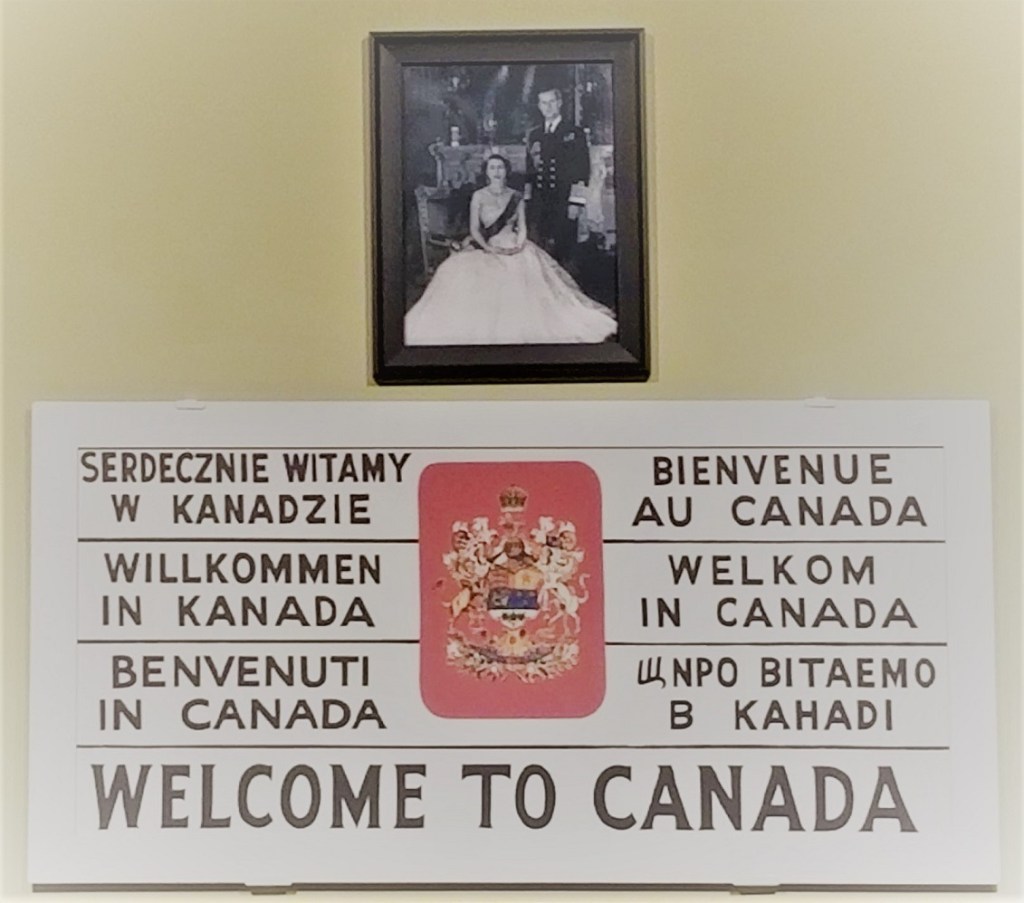
This hangs on the wall in front of the seating area where immigrants waited to be interviewed by immigration officials.

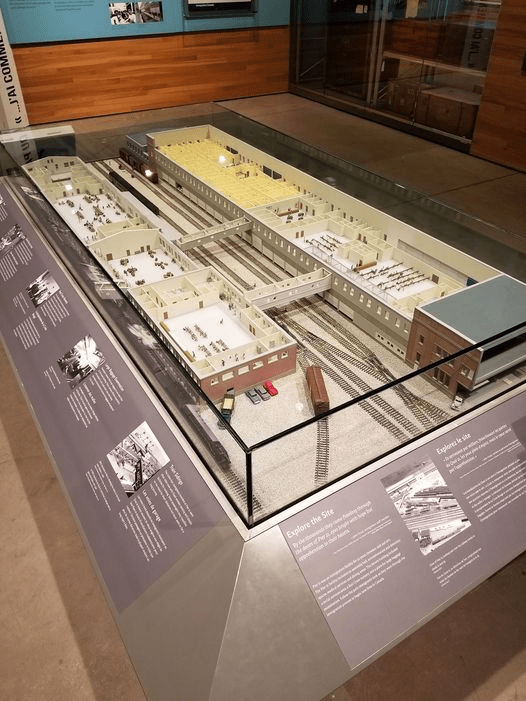
The tour began with at this model of Pier 21 as it was at the time it was in operation. The building on the left no longer exists. The guide showed the path of the immigrants as they disembarked from the ship and the steps they went through before being able to leave. We were told that if everything went without a hitch, people could be off the ship and on the train in four to six hours. However, most people were usually in and out within a day.

There were many displays recreating the immigrant experience. One was of the interior of typical tourist class accommodations and amenities. On the opposite wall were photos of many of the immigrant ships that landed at Pier 21.
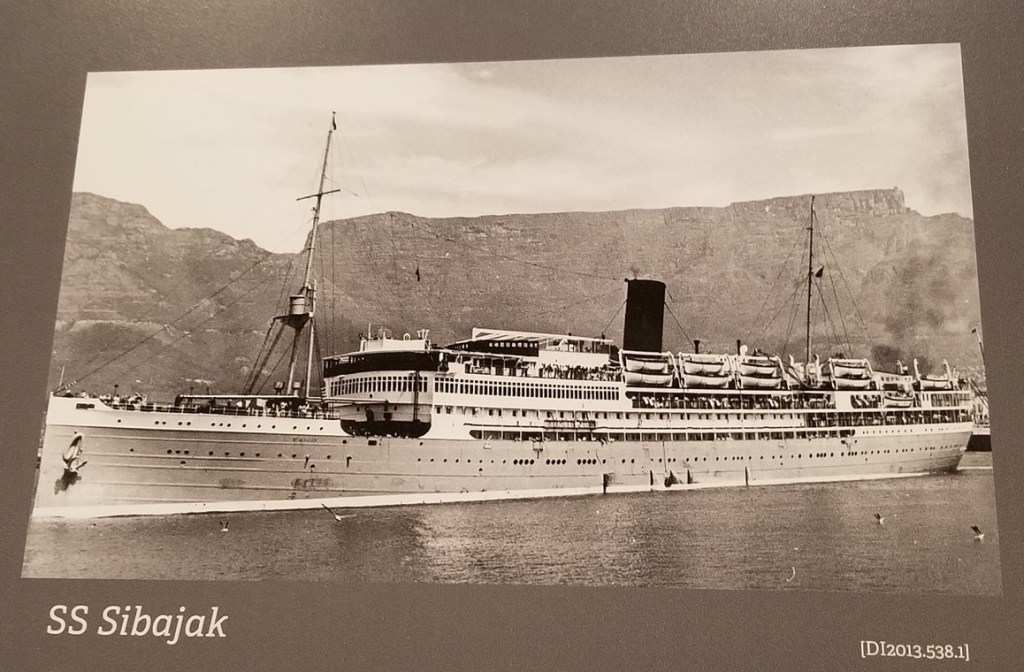
The SS Sibajak, the ship that brought my father, his parents, and his siblings to Canada.
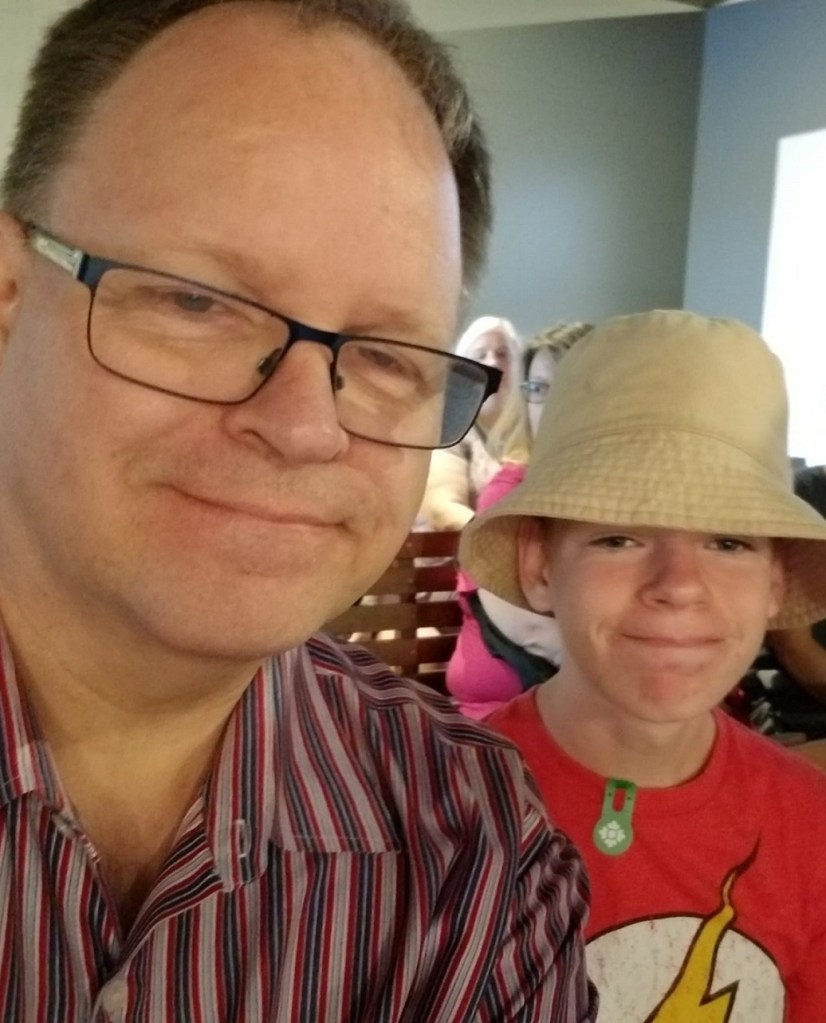
My son and I sitting on the benches in the waiting room where my father would have sat with his family upon arriving in Canada almost 70 years ago.

The museum has something for visitors of all ages, with lots of interactive and immersive displays. I think our youngest must have watched every video that accompanied the exhibits. There were also lots of crafting and other hands-on activities for the kids.
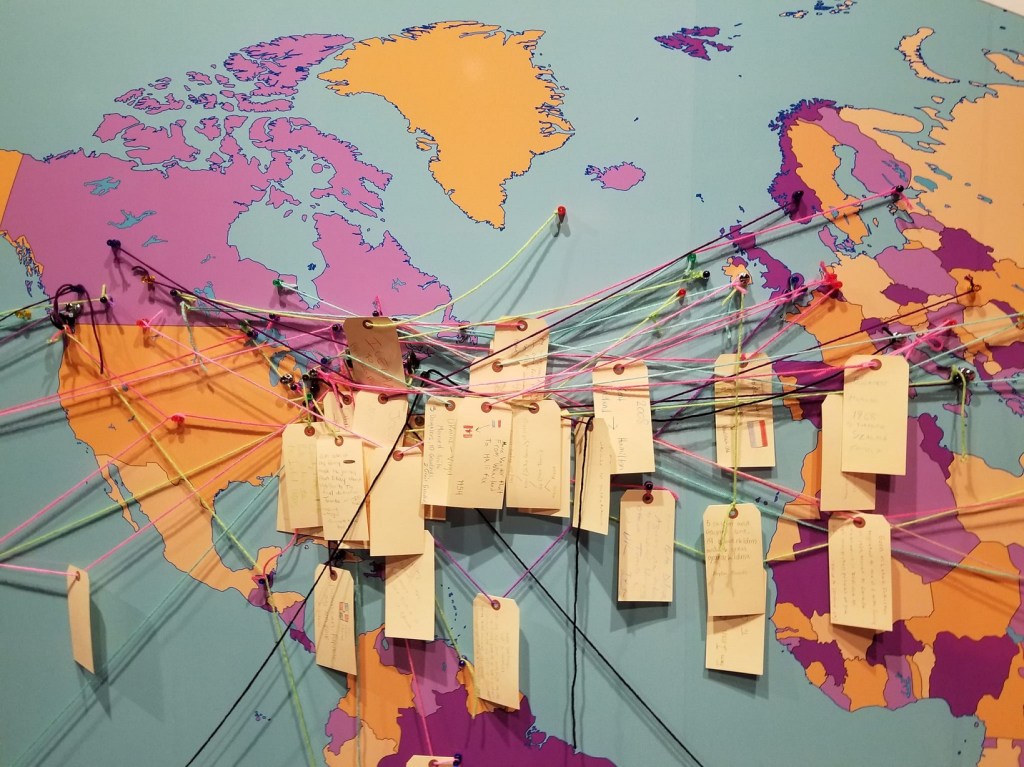
One of the activities was to decorate a baggage tag showing the name of your immigrant family member and stringing it from their point of origin to their destination. Our youngest made one honouring his grandfather.

A temporary exhibit we were lucky to see was “Destination: Canada”:

In 2022, the Consulate General of the Kingdom of the Netherlands published a graphic novel called “Destination: Canada”, telling the story of ten Dutch immigrants, illustrated by ten comic book artists. The Museum has adapted two of these stories for a special exhibit, presenting the story of George Zwaagstra, a Pier 21 immigrant and volunteer, and Tayebeh Farooqi-Wahedi, a refugee from Afghanistan and immigrant from the Netherlands.

From the Pier 21 page, Destination: Canada
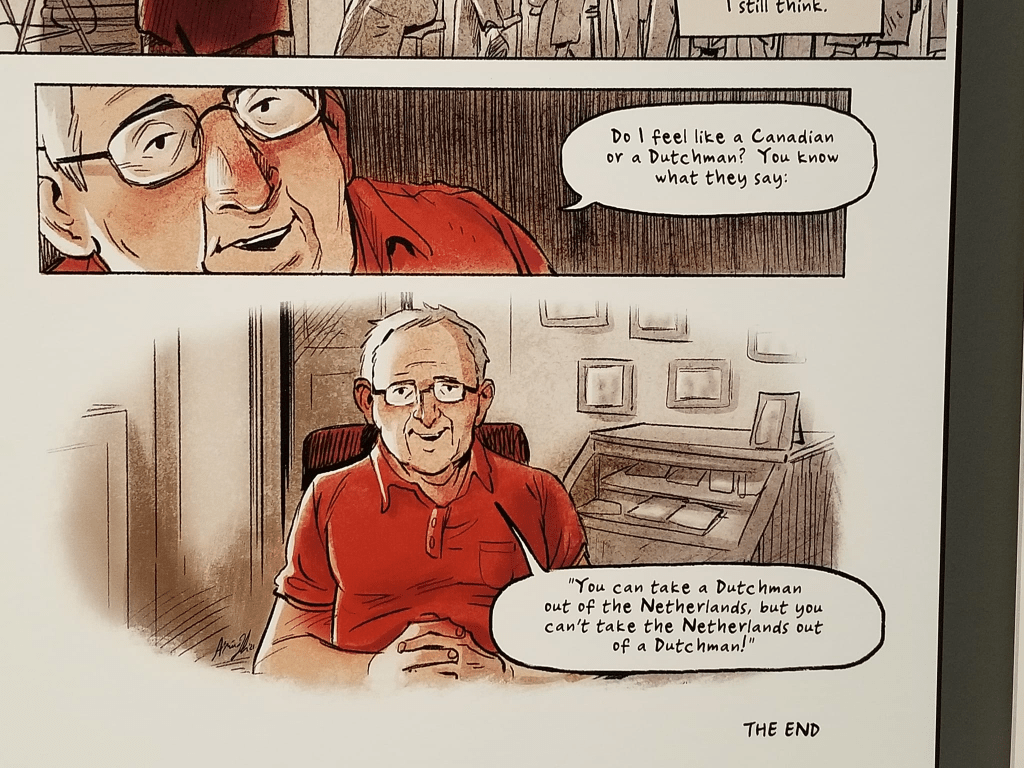
One of the panels of Destination: Canada on display on the wall at Pier 21.

Needless to say, being the son of a Dutch immigrant I had to buy my own copy!
52W Mark II – Week 30: In The News

One of the great things about conducting Dutch genealogy is the amazing array of resources that are available. While the adage “not everything is online” still applies, there are an incredible number of sources that are digitized and online – largely for free! For this week’s 52 Ancestors Challenge theme, I want to focus on two sources I have relied upon the most for newspaper articles.

One great thing about old Dutch newspapers is that they usually published summaries of all the birth, marriage, and death registrations for the local village or town civil registers (“burgerlijke stand”).

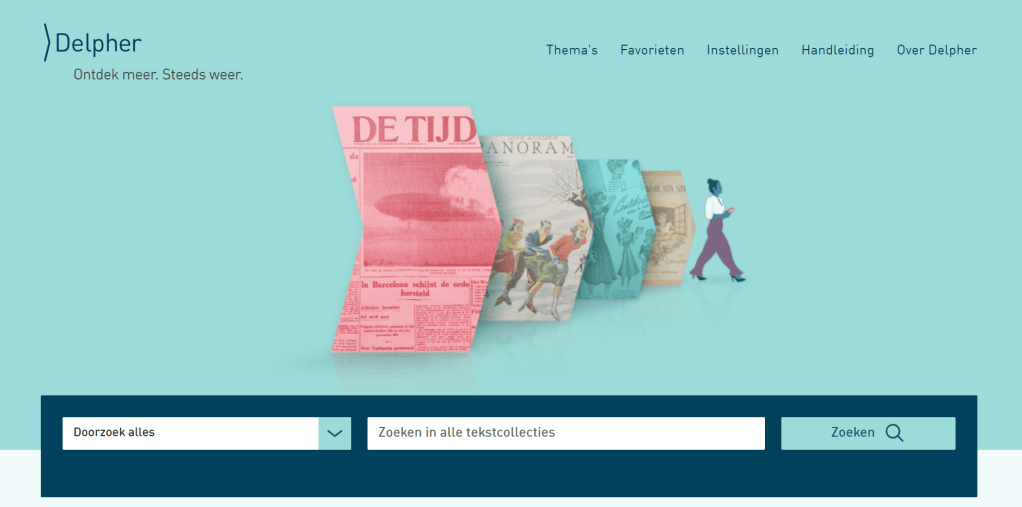
The first is Delphler.nl, a partnership between numerous Dutch libraries and archives – over 200 institutions, according to the website. It is a central access point for Dutch historical texts from the digital collections of numerous scientific institutions, libraries, and heritage institutions.

Delpher is somewhat like the Internet Archive. It is a repository for scanned images of newspapers, magazines, and books published in the Netherlands. It even includes some publications from its former colonies, such as Suriname. It boasts over two million newspapers, 400,000 magazines, and 200,000 historical books.

Delpher has a rather good search engine; I’ve rarely had difficulty finding what I am looking for. The results provide you a link to the full page of the document with your search term. The search result also allows you to go through every page of the paper or magazine containing the page you were looking for.

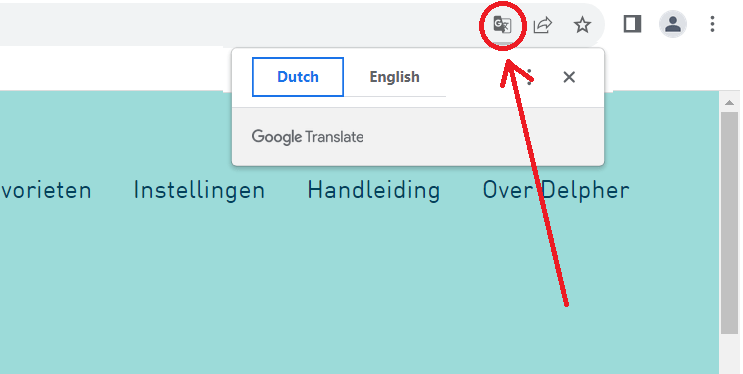
What might be a downside for most North American users is that the site is only available in Dutch. The translate function of your browser can help, although the records you’ll find will be in Dutch. Luckily, my Dutch is good enough that I can navigate and search without much difficulty. For what it’s worth, “kranten” is “newspapers” and “tijdschriften” is “magazines”. It’s probably not much of a guess to figure out “boeken” is “books”.

I use Chrome, which has a translation function.

Another excellent source of newspaper images are the many local and regional archives throughout the Netherlands. I make use of several, particularly those situated in Leiden, Haarlem, and Alkmaar. Unlike Delpher, many Dutch archives have an English interface. However, some of them only provide English versions of part – but not all – of their website. Fortunately, the English interface is usually available for things like genealogy.

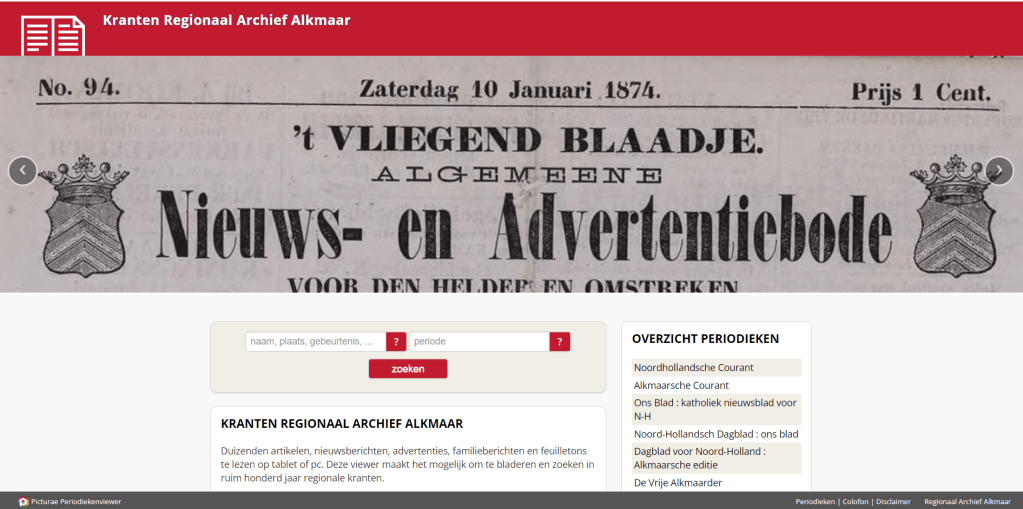
Alkmaar is very close to many of the towns and villages where my family has lived, so I have gathered a lot of newspaper images from the Alkmaar Archief. It has an online database exclusively devoted to newspaper images, Kranten Regionaal Archief Alkmaar (Alkmaar Regional Archives Newspapers).

Like Delpher, I find the Alkmaar Archief search engine works well. Like Delpher, the search result provides you with the full page of where your search term appears, with the ability to look at the entire newspaper that contains the page. However, unlike the main Alkmaar Archief, this database does not have an English interface.

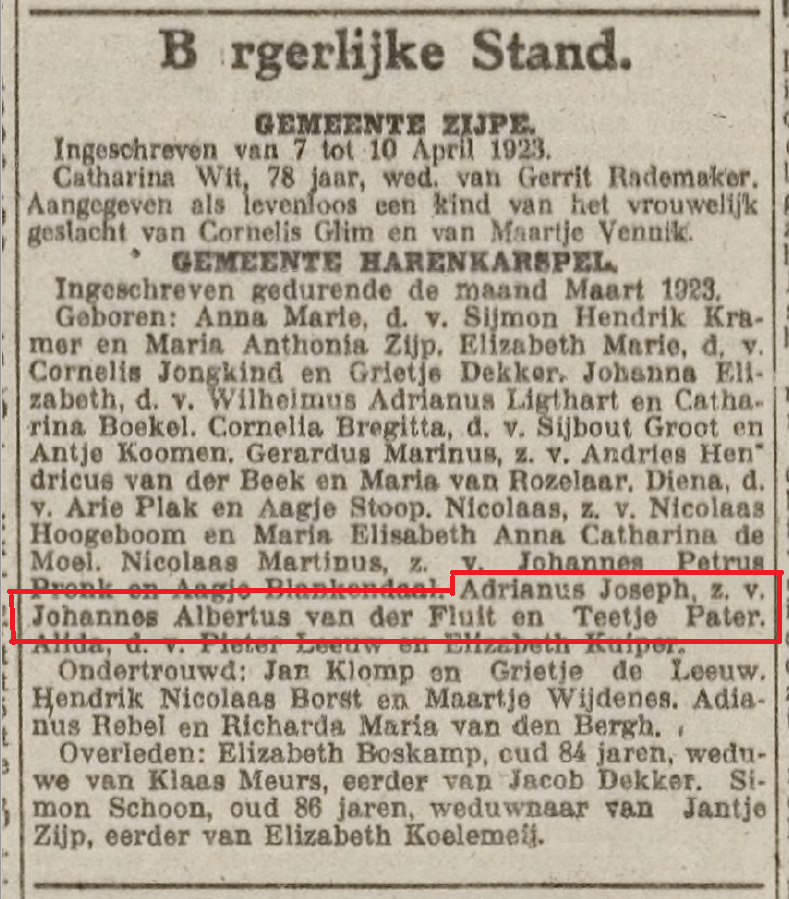
I have had a great deal of success with the Kranten Regionaal Archief Alkmaar. Here are the clippings from the papers with the summaries of the birth registrations of my paternal grandparents:

“Adrianus Joseph, son of Johannes Albertus van der Fluit and Teetje Pater”
Schager Courant, 11 April 1923, page 8.
(“Gemeente” is akin to a municipal district)
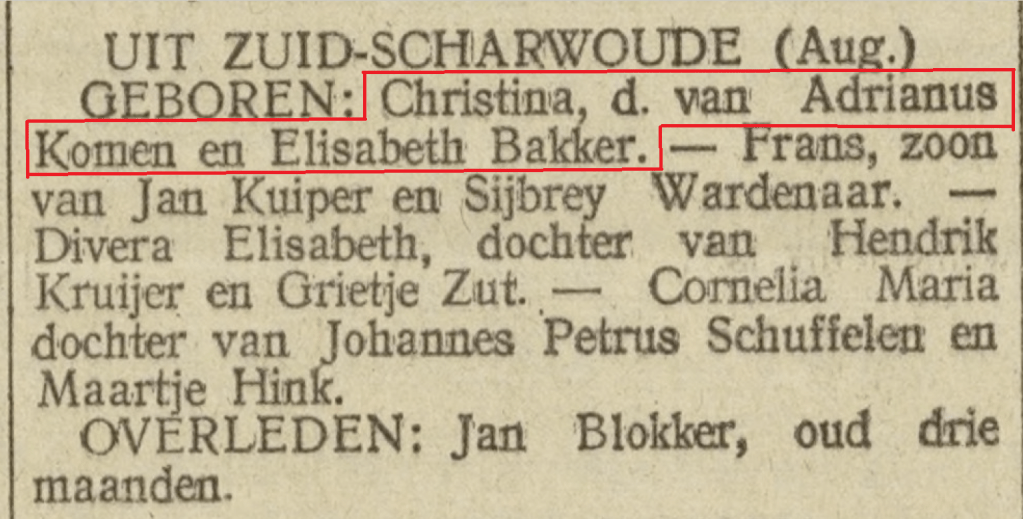
“Christina, daughter of Adrianus Komen and Elisabeth Bakker”
Alkmaarsche Courant, September 10, 1923, page 6.

52W Mark II – Week 29: Birthday

This week, the 52 Ancestors Challenge theme is “Birthday”. What I have chosen to write about isn’t so much about a birthday, but about an age.

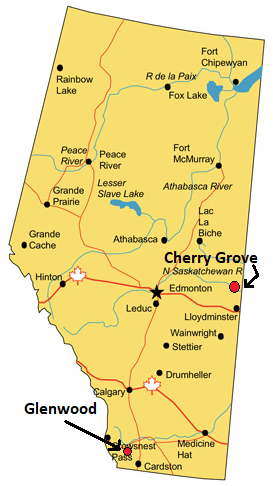
My great great grandfather, Horace Conrad Liggett Burgess, was born in 1854 in Lehi, Utah. In his 40s he was living and working in Wyoming. At age 50 he moved to Alberta, Canada, where he was a homesteader. He moved all around the province, so much so I’ve had trouble tracking his movements. It appears that from 1916 to 1930 he divided his time between Glenwood, in southern Alberta, and Cherry Grove, which is midway up the province close to the Saskatchewan border. Horace remained in Cherry Grove when he retired in 1930 at age 76. However, in 1928 he was in Glenwood.

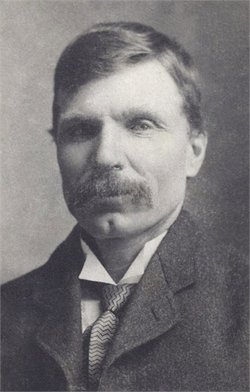
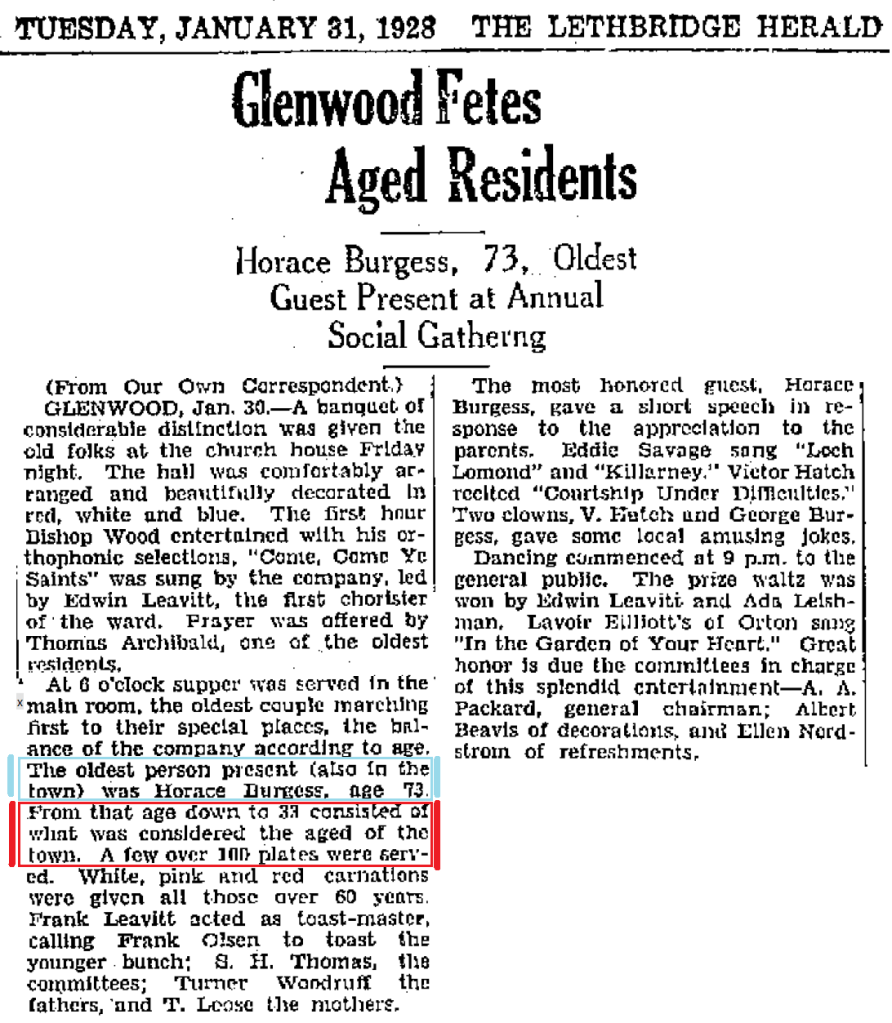
On January 30, 1928, the good burghers of Glenwood fêted the senior citizens of the village. At age 73, Horace (right) was the oldest of those honoured. According to the newspaper account of the event, “From that age down to 33 consisted of what was considered the aged of the town.”

33.

Aged.

Excuse me while I take a moment. My head just exploded.

The reference to Horace being the oldest resident of the town is in blue. The outrageous statement that age 33 is “aged” is in red.

52W Mark II – Week 28: Random

The theme for this week’s 52 Ancestors Challenge is “Random”. So I decided to truly be random.

I currently have 5,294 people in my RootsMagic database. This consists mainly of my children’s direct ancestors, along with the spouses and children of those people. There are also several lines where I’m tracking all the descendants of certain ancestors; in particular, those of Dirck Jansz, my direct paternal great x10 grandfather.

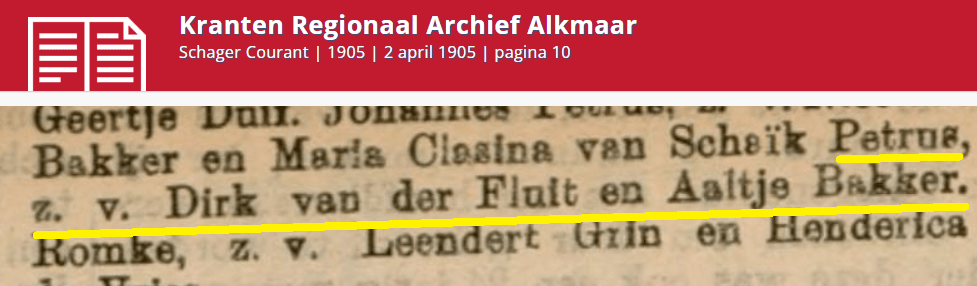
Using a random number generator, I chose a number from 1 to 5,294. The plan was to write about the person whose record number corresponded with the result. The first result corresponded with a living person, so try again. The second time it came up with 3,061. That corresponds with Petrus van der Fluit, my second cousin twice removed.

Birth notice for Petrus van der Fluit, Schager Courant, April 2, 1905, page 10.

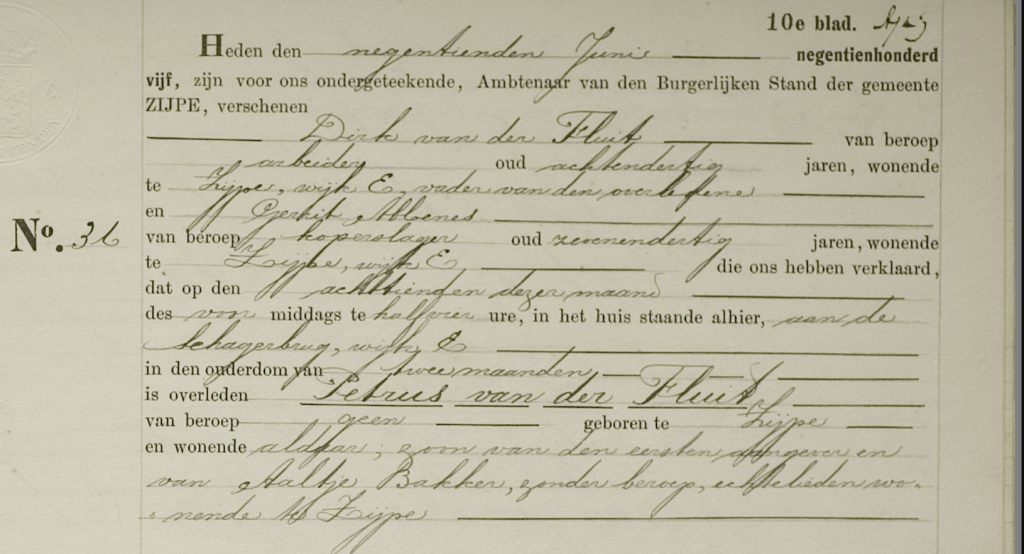
Petrus did not have a long life. He was born on March 25, 1905 in Zijpe, Noord Holland, Netherlands. He died less than three months later, on June 18, 1905.

One might think that this is an unfortunate result, in that there is not much to say about someone who lived such a short life. However, I was quite happy with the result. To me, it’s important to remember those who never really got to live their lives. Not only were their lives dismally short, they’re often forgotten as a result. They might not have been long in this world, but their time on Earth should be noted.

Death registration for Petrus van der Fluit, civil register for Zijpe – deaths.

Petrus was the son of Dirk van der Fluit and Aaltje Bakker. They married in Zijpe on May 4, 1895. Dirk is my first cousin three times removed. While Aaltje appears to be related to me through marriage, I have many Bakker ancestors and cousins from Zijpe and environs, so I would not be surprised to discover that she and I share a common ancestor.

Petrus was the fifth of six children born to Dirk and Aaltje. Sadly, Petrus was not the only one who died in infancy. Dirk and Aaltje’s second child passed away within a day of birth, and their youngest, Anna, lived less than ten months.

Death register for stillborn child (“levenloos”, or “lifeless”).

It has been said (attributed to everybody from the ancient Egyptians to Banksy): “Everyone dies twice. Once when you take your final breath, and then again the last time someone says your name.” I say the name “Petrus van der Fluit”, and he lives on.