52W Mark III – Week 49: Handed Down

The prompt for this week’s 52 Ancestors Challenge is “Handed Down”. At first, I thought this would be another week where I would struggle to think of something that would even remotely fit the topic. Thanks to my niece, inspiration struck. The other night I was planning what to wear to her university convocation ceremony, which included selecting a pair of cufflinks.
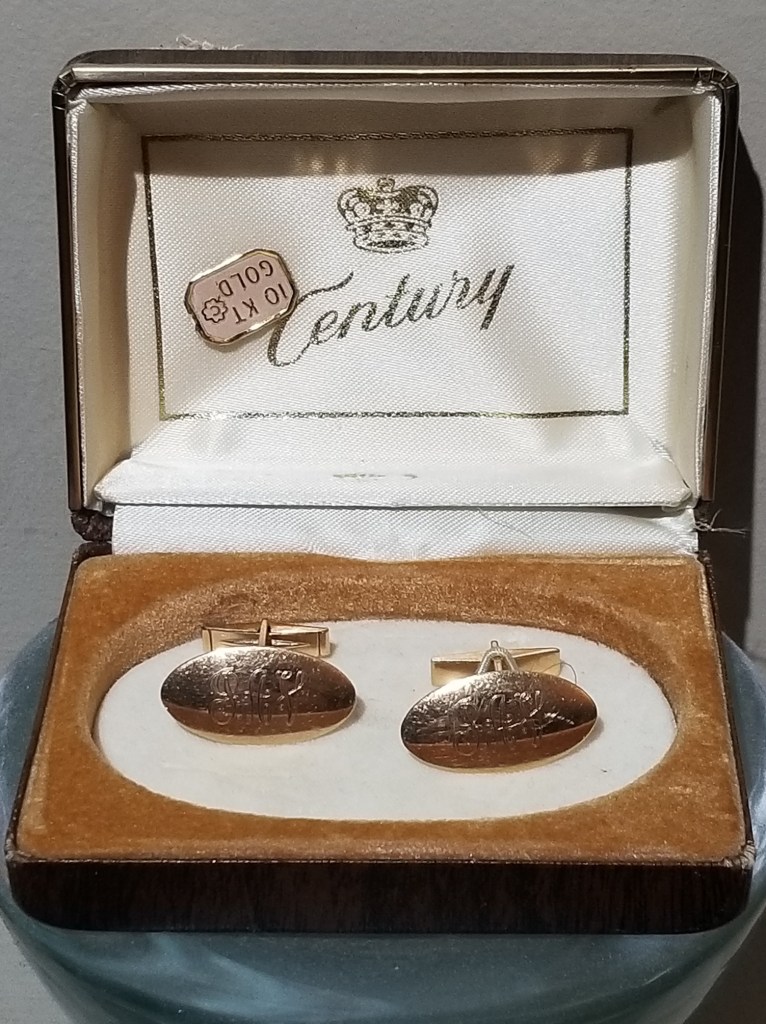
When I was little, cufflinks seemed to ubiquitous and commonplace. To me, it seemed that everyone wearing a suit had a pair of cufflinks for their dress shirts. My father always wore cufflinks in his early days with Woolworths, where he always wore a suit to work. I thought they were very cool. I also liked flipping the toggle around.

As time passed and fashions changed, my father wore cufflinks less and less often. Buttons on the cuffs became the norm. My dad rarely, if ever, wore cufflinks anymore. Then, in the mid-90s, my father had a career change, which did not require him to wear a suit for work anymore.

When I began wearing dress shirts on a regular basis, they all had buttons on the cuffs. However, at some point, my mother gave me a few pairs of my dad’s old cufflinks. I can’t remember why, or what the occasion might have been that I would have worn cufflinks.

Not too long afterward, my father gave me a pair of his old cufflinks that have become my favourite and most treasured. They’re clean, classic, and simple. There’s stamp on the post indicating that they’re 10 karat gold. They’re engraved with my father’s initials and, about five minutes ago, I discovered that “1975” is engraved underneath the face. That must have been the year he received them.
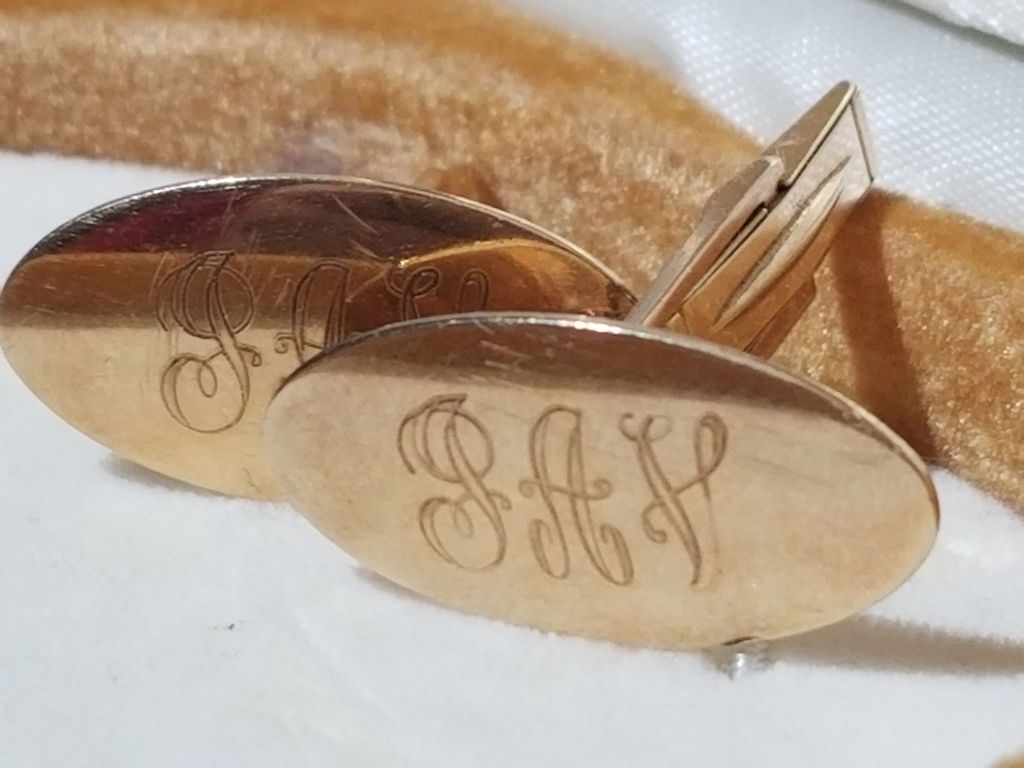
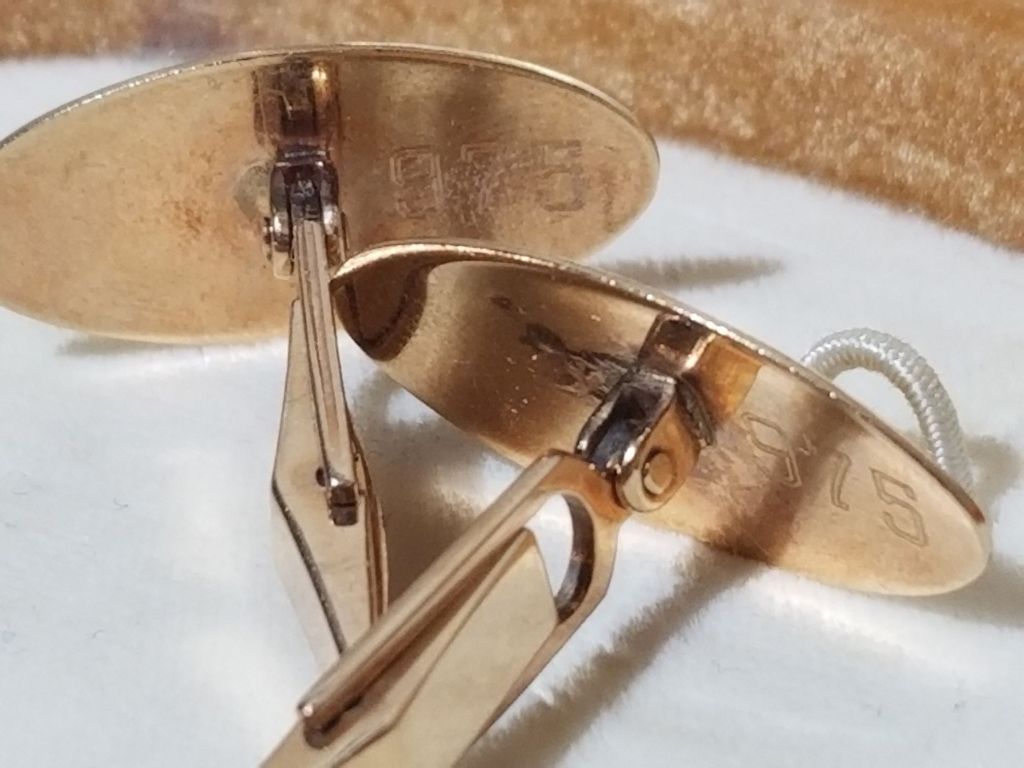
I can’t exactly recall how he came to possess them, although I knew he received them at work. Having discovered “1975” engraved on them, he must have received them to commemorate the opening of the new Woolworths in North Battleford, Saskatchewan. We had moved there the year before, when dad took over as general manager of the old store in the downtown core. The new store was far larger and was an anchor tenant of the new mall in which it was located.
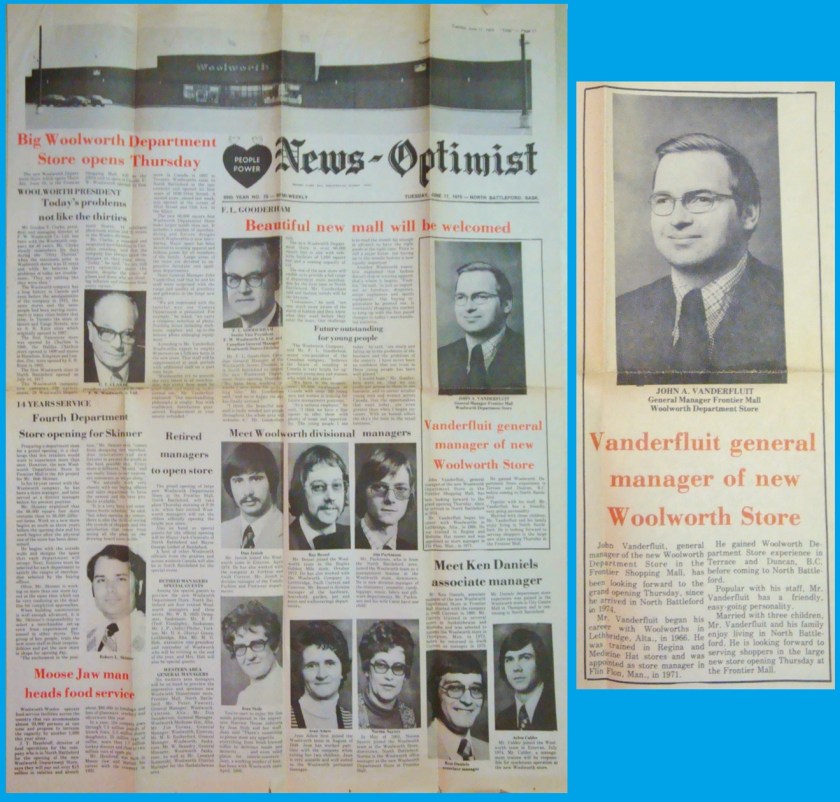
Big news in a small town. I wonder if my father was wearing his fancy new cufflinks when the photo of him was taken.

Ever since I received these cufflinks, I have worn them to almost every major occasion at which I’ve had to wear a suit. I wore them at weddings and funerals. I wore them at my law school graduation and my call to the bar. And, of course, I wore them at my wedding.

This week I wore them when I attempted to attend my niece’s commencement ceremony, when she graduated with her Bachelor of Education degree. Unfortunately, I got no closer than 200 meters from the ceremony and was unable to attend. Long and boring story. At least I got to join the family celebration later that evening – sans cufflinks.
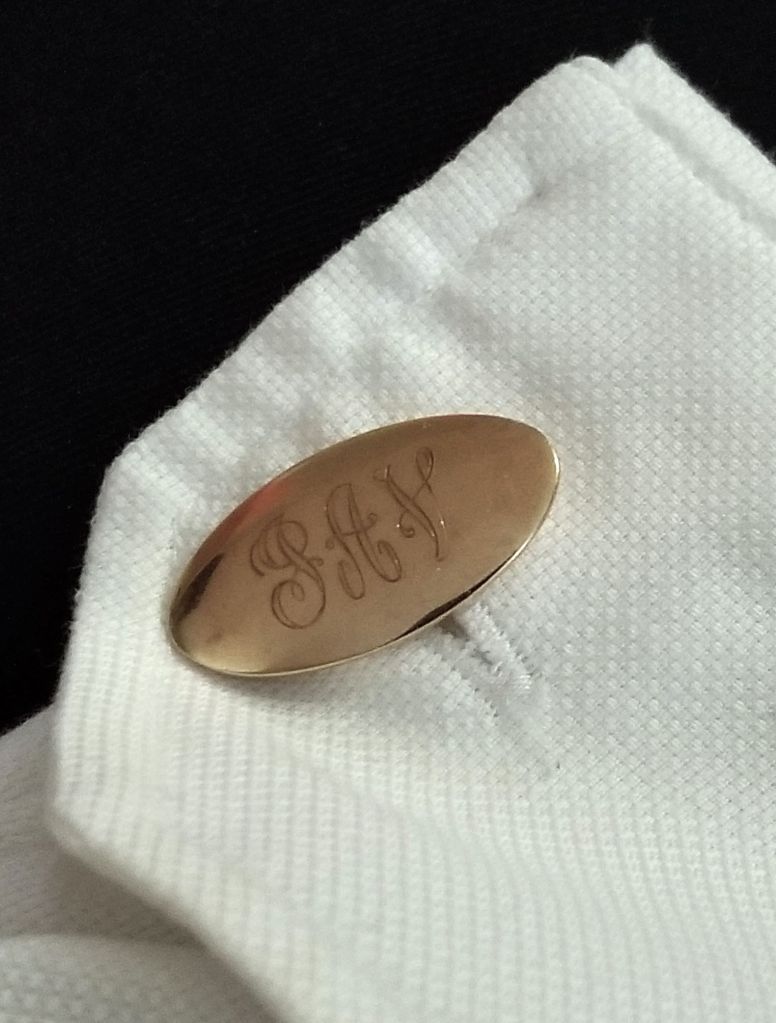
Wearing the cufflinks to the event I didn’t attend.

52 Weeks – Week Nine

Women

A new month brings a new theme for the 52 Ancestors Challenge, “Women”. The first week of the month shares that theme. It took a fraction of a second for me to think of who I wanted to write about this week.

I often see questions posed in genealogy forums about the preservation of records. Every time I see one, it reminds me of my Aunt Diana. The world knew her as Helen Burgess, a scientist and a leading expert on paper preservation, but with family she went by her middle name because she shared her first name with my grandmother. While Aunt Diana passed away more over 20 years ago – not yet even 50 years old – I can still find her work is cited in modern papers.

Helen Diana Burgess, B.Sc., M.Sc., M.A.C.
(1951 – 1999)
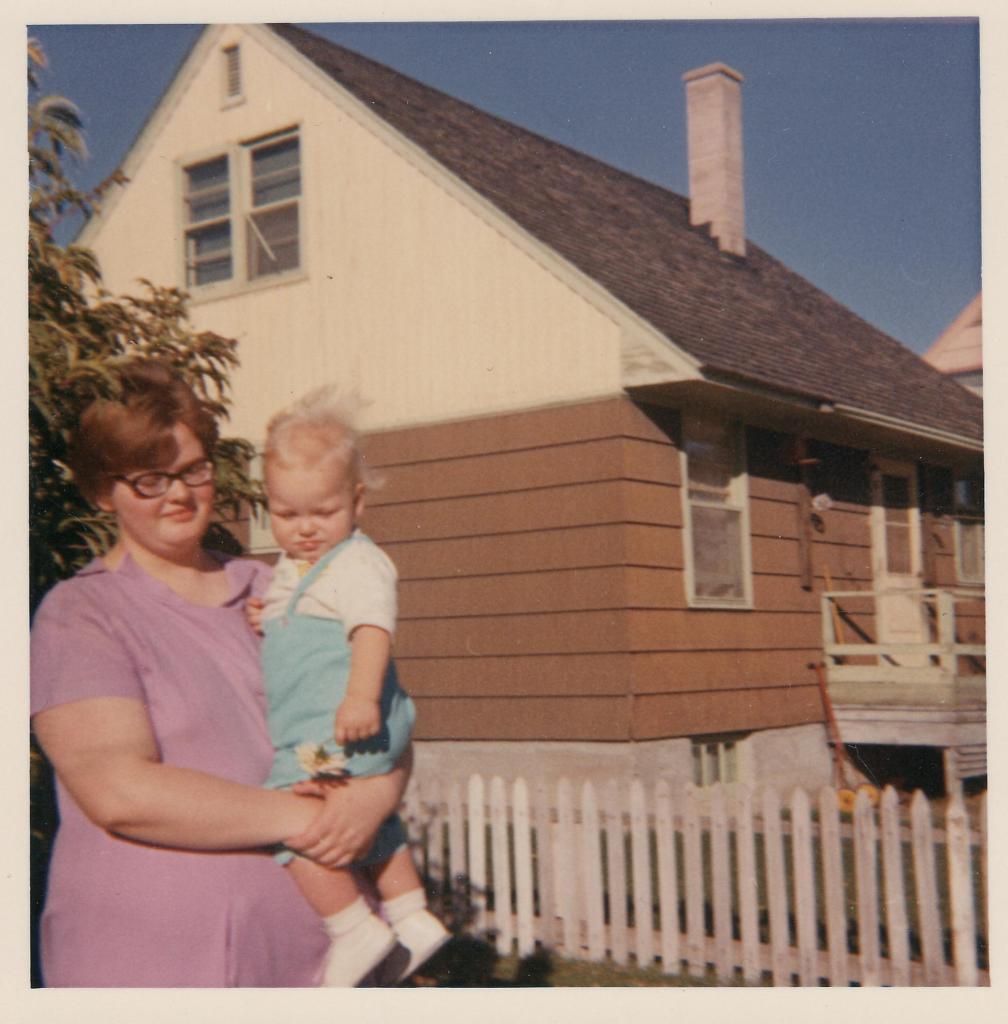
Me with my Aunt Diana. My grandparents’ house is in the background. I have no idea why we were in the neighbour’s yard.

I idolized my Aunt Diana when I was a kid. At the time, she was an undergraduate student at the University of Lethbridge. She was the only person I knew in university at the time. However, to me, her academic pursuits and later career were only part of her identity. I modeled a lot of my behaviour after her, from sharing her interests to developing a love of some of her favourite foods.

Aunt Diana excelled at nurturing children’s intellect without any us even realizing it. Many of my favourite gifts as a kid came from her, including many books. I still have a lot of them. While Aunt Diana read all kinds of books, her favourite genre was mystery novels. She had walls of bookshelves filled with them, and a few of the books she gave me were in that vein. These included the Alfred Hitchcock and the Three Investigators series, about three boy detectives, which were everything boring old Hardy Boys books were not. I’ve passed those on to my sons. She also gave me a copy of L.R. Wright’s award-winning novel, The Suspect. That book kind of blew my mind, because it was a murder mystery set in Sechelt, Canada not far from where I lived, and not Sometown USA.

Aunt Diana also instilled in me her love of art. She loved to draw and paint. When I turned ten, she gave me a set of oil paints, complete with canvases, brushes, turpentine, and linseed oil. I often received postcards from her from around the world, as her work took her to some of the greatest museums of the world. I still have every one of those postcards. I was lucky enough to visit a few museums with her. It was something to have her as my own personal tour guide and art expert.

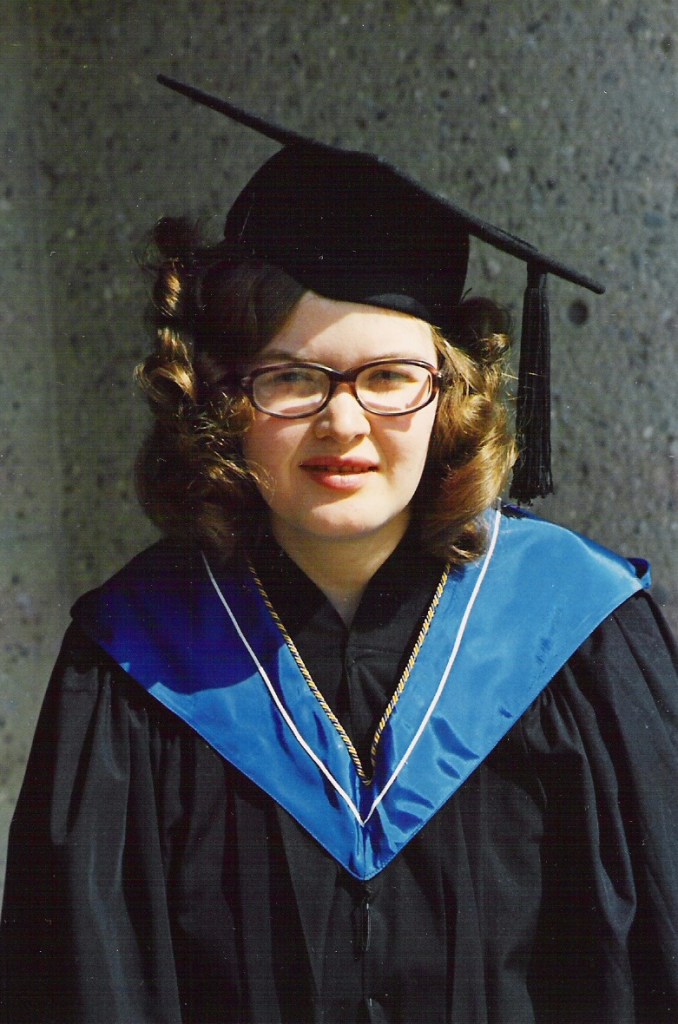
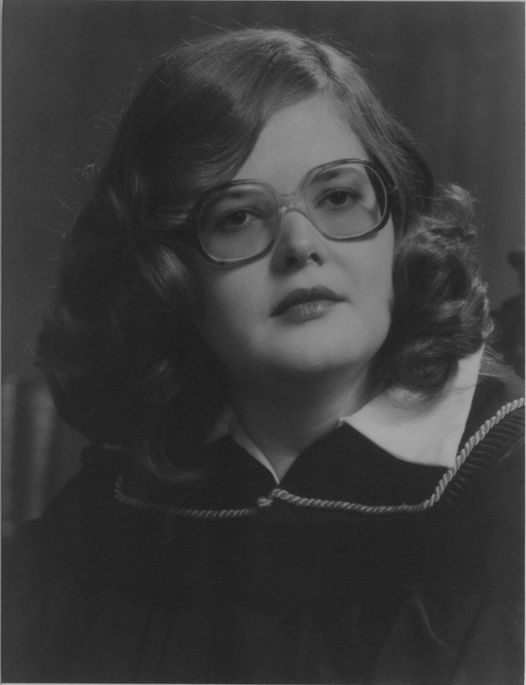
Diana graduating from the University of Lethbridge, 1973

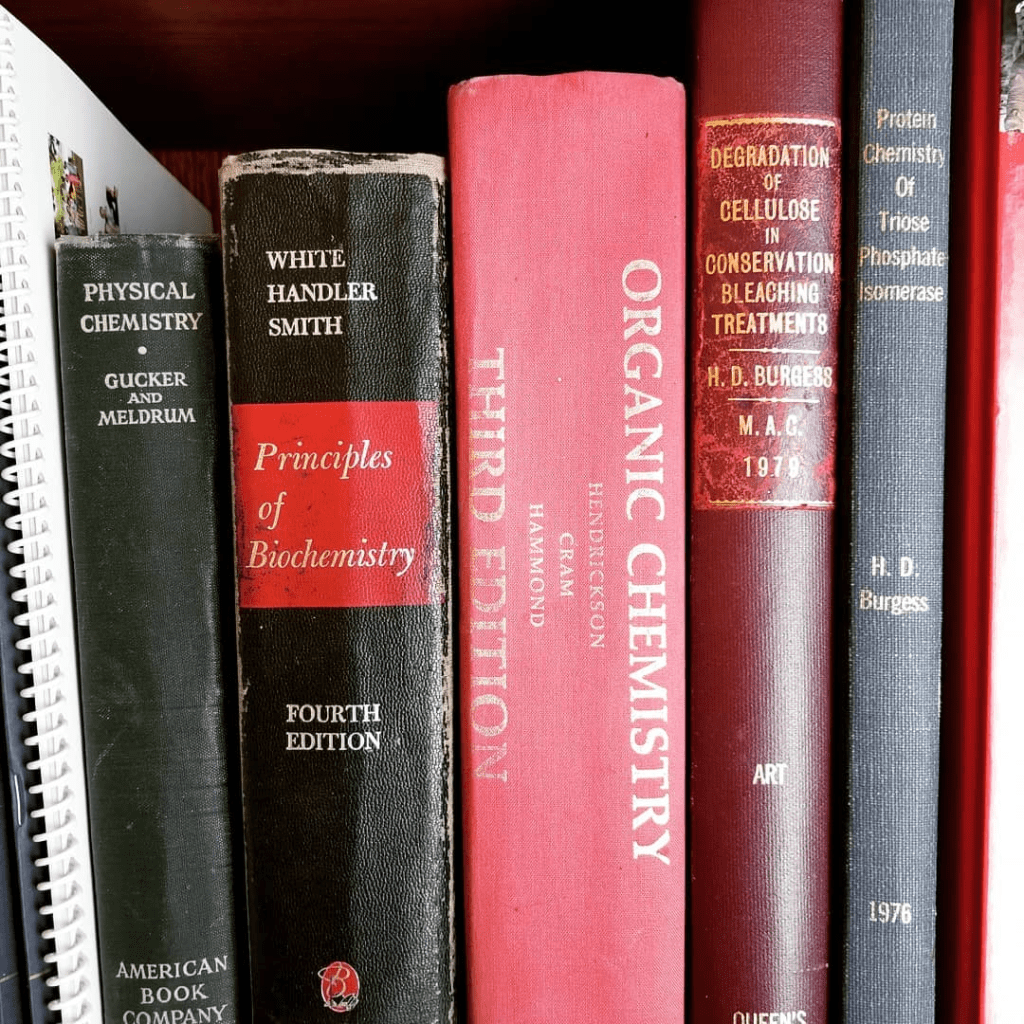
Aunt Diana obtained a Bachelor of Science (Honours) in chemistry in 1973. Diana followed this with a Masters of Science in bio-organic chemistry from U.B.C. in 1977 and a Master of Conservation from Queen’s in 1979. Her thesis at Queen’s was about the “degradation of cellulose during conservation bleaching treatments”. To mark its 40th anniversary, the Queen’s Art Conservation Program conducted an interview series regarding leaders in conservation with a link to the school. One of the sets of interviews was about my aunt, conducted with her friends and colleagues.

Some of my Aunt Diana’s books, including her two masters theses, which now sit on my mother’s bookshelf. After getting an “A” in Grade 12 chemistry, I could almost understand the title of her U.B.C. thesis.
Science!

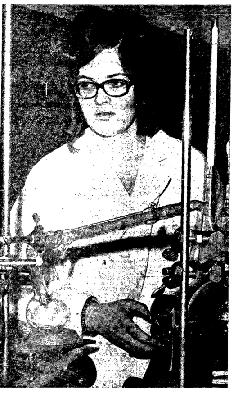
In 1978, Aunt Diana started her career with the Canadian Conservation Institute in Ottawa. By the time she took early retirement in 1998 due to her health, Aunt Diana was a Senior Conservation Scientist. She specialized in the conservation of paper artifacts, but she also worked with other materials. Diana was an expert in conservation bleaching, the use of enzymes, deacidification, and cellulose degradation analysis.

It was a big deal to me and my family when Aunt Diana was one of the scientists featured on an episode of The Nature of Things. The episode, “Turning to Dust“, was about the deteriorating paper in old books and their preservation.

On a more practical level, Aunt Diana would often give my mother tips about what household products – particularly bleach-based products – were worth it and which were rubbish. She also taught me decades ago about the perils of adhesive photo albums and the wonders of acid-free and archival paper products.

Of course, because Aunt Diana was a scientist who was at the top of her field, it always seemed normal to me that women could be scientists. Every time I see a query about preservation of genealogical records, it makes me wish I could ask her and reminds me how much I miss her.

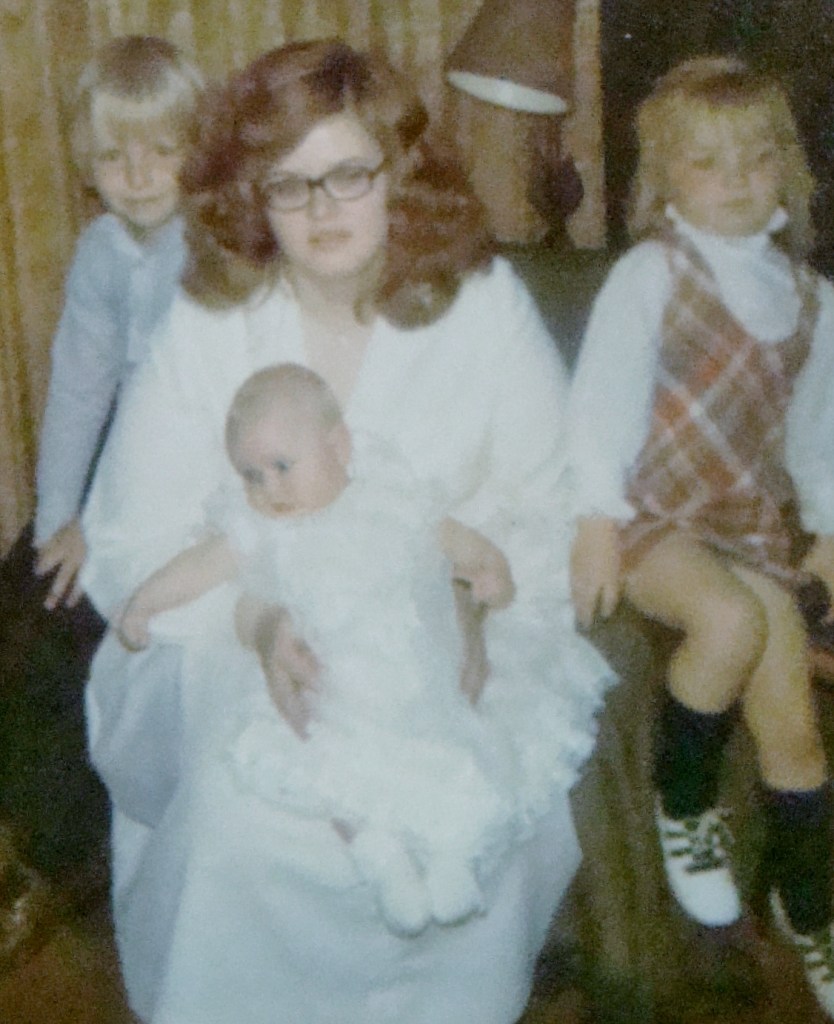
With Aunt Diana back when I only had two siblings. She was my brother’s godmother. Her we are after the baptism.