
52W Mark II – Week 30: In The News

One of the great things about conducting Dutch genealogy is the amazing array of resources that are available. While the adage “not everything is online” still applies, there are an incredible number of sources that are digitized and online – largely for free! For this week’s 52 Ancestors Challenge theme, I want to focus on two sources I have relied upon the most for newspaper articles.

One great thing about old Dutch newspapers is that they usually published summaries of all the birth, marriage, and death registrations for the local village or town civil registers (“burgerlijke stand”).

The first is Delphler.nl, a partnership between numerous Dutch libraries and archives – over 200 institutions, according to the website. It is a central access point for Dutch historical texts from the digital collections of numerous scientific institutions, libraries, and heritage institutions.
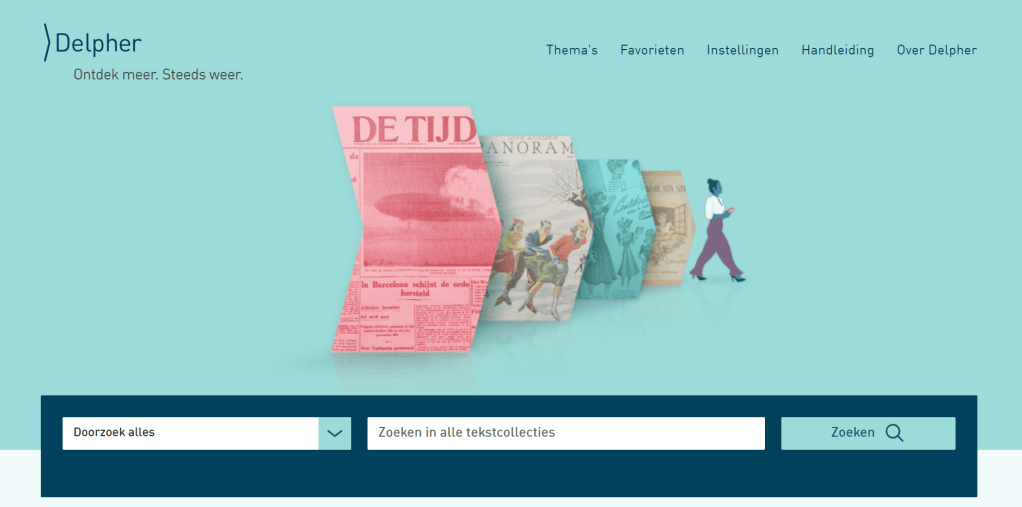
Delpher is somewhat like the Internet Archive. It is a repository for scanned images of newspapers, magazines, and books published in the Netherlands. It even includes some publications from its former colonies, such as Suriname. It boasts over two million newspapers, 400,000 magazines, and 200,000 historical books.

Delpher has a rather good search engine; I’ve rarely had difficulty finding what I am looking for. The results provide you a link to the full page of the document with your search term. The search result also allows you to go through every page of the paper or magazine containing the page you were looking for.

What might be a downside for most North American users is that the site is only available in Dutch. The translate function of your browser can help, although the records you’ll find will be in Dutch. Luckily, my Dutch is good enough that I can navigate and search without much difficulty. For what it’s worth, “kranten” is “newspapers” and “tijdschriften” is “magazines”. It’s probably not much of a guess to figure out “boeken” is “books”.
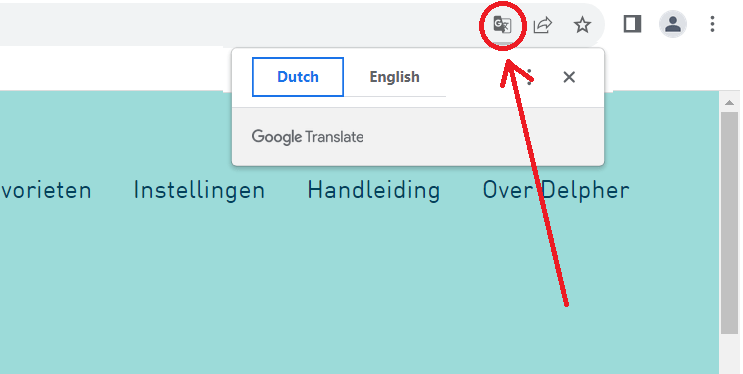
I use Chrome, which has a translation function.

Another excellent source of newspaper images are the many local and regional archives throughout the Netherlands. I make use of several, particularly those situated in Leiden, Haarlem, and Alkmaar. Unlike Delpher, many Dutch archives have an English interface. However, some of them only provide English versions of part – but not all – of their website. Fortunately, the English interface is usually available for things like genealogy.

Alkmaar is very close to many of the towns and villages where my family has lived, so I have gathered a lot of newspaper images from the Alkmaar Archief. It has an online database exclusively devoted to newspaper images, Kranten Regionaal Archief Alkmaar (Alkmaar Regional Archives Newspapers).
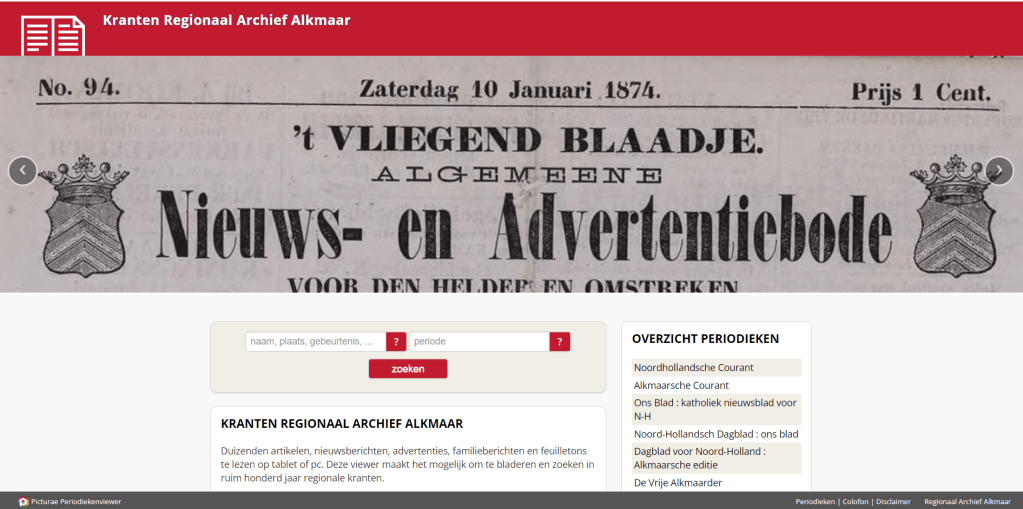
Like Delpher, I find the Alkmaar Archief search engine works well. Like Delpher, the search result provides you with the full page of where your search term appears, with the ability to look at the entire newspaper that contains the page. However, unlike the main Alkmaar Archief, this database does not have an English interface.

I have had a great deal of success with the Kranten Regionaal Archief Alkmaar. Here are the clippings from the papers with the summaries of the birth registrations of my paternal grandparents:
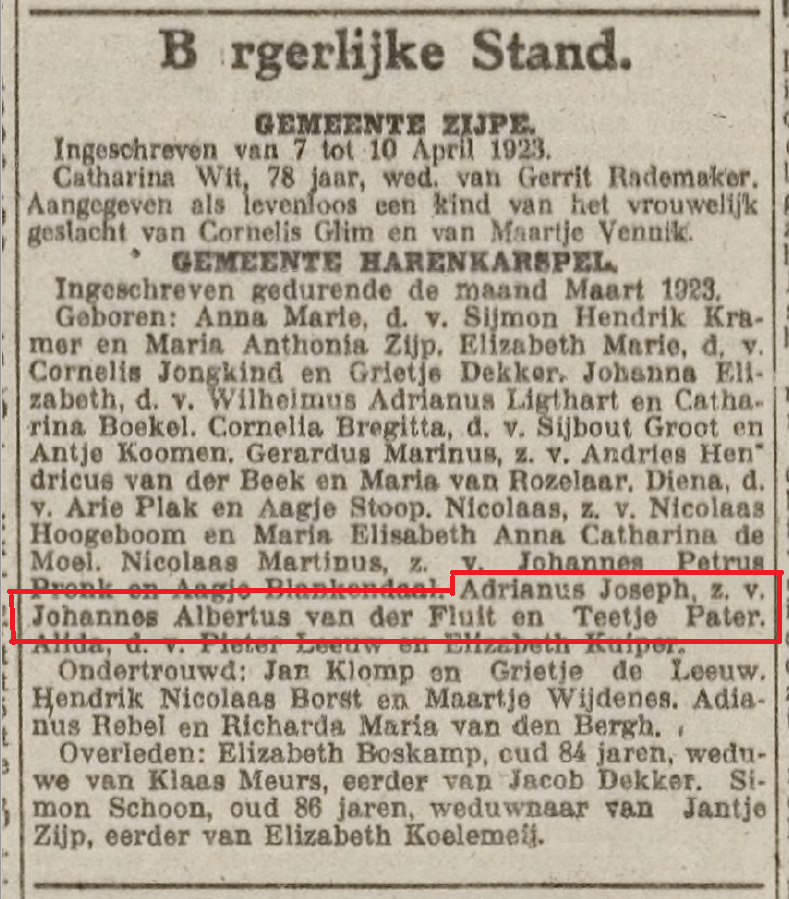
“Adrianus Joseph, son of Johannes Albertus van der Fluit and Teetje Pater”
Schager Courant, 11 April 1923, page 8.
(“Gemeente” is akin to a municipal district)
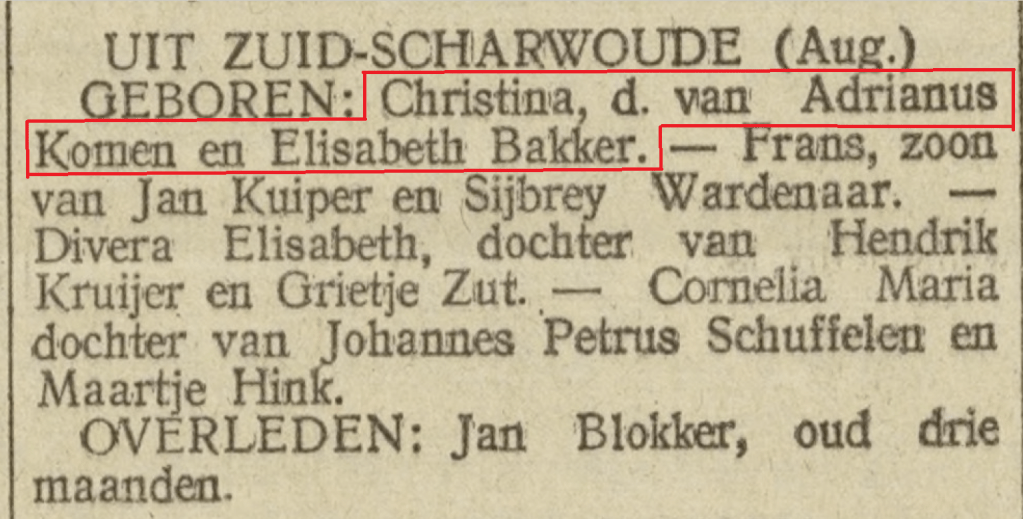
“Christina, daughter of Adrianus Komen and Elisabeth Bakker”
Alkmaarsche Courant, September 10, 1923, page 6.
52W Mark II – Week 22: At the Cemetery

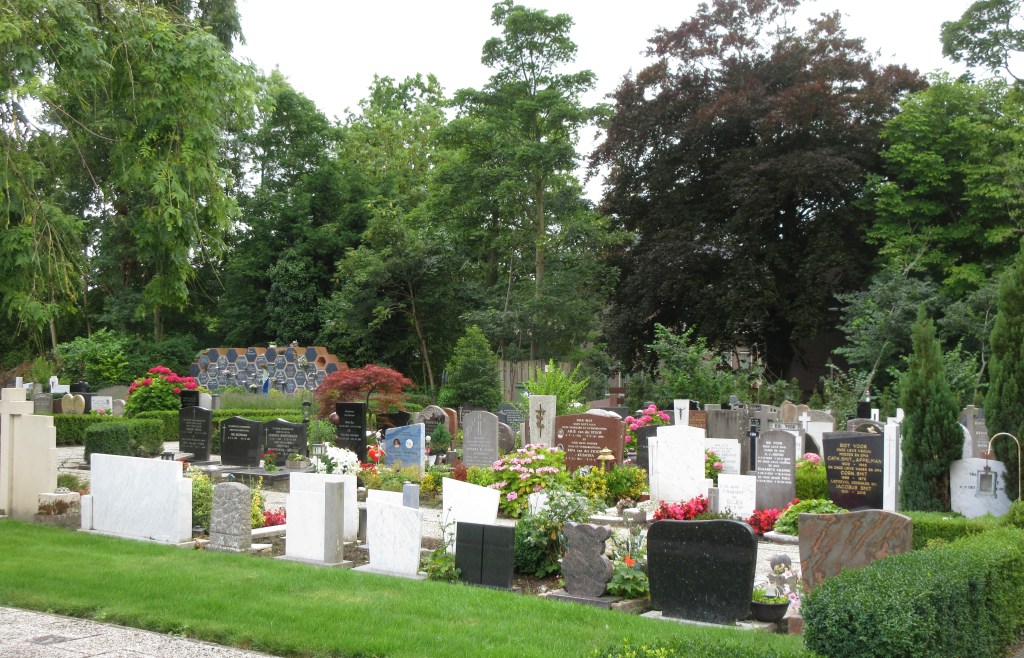
During my last visit to the Netherlands, I was fortunate to visit a graveyard where several of my relatives are interred. I say fortunate, because in the Netherlands graves are routinely cleared after a few decades.

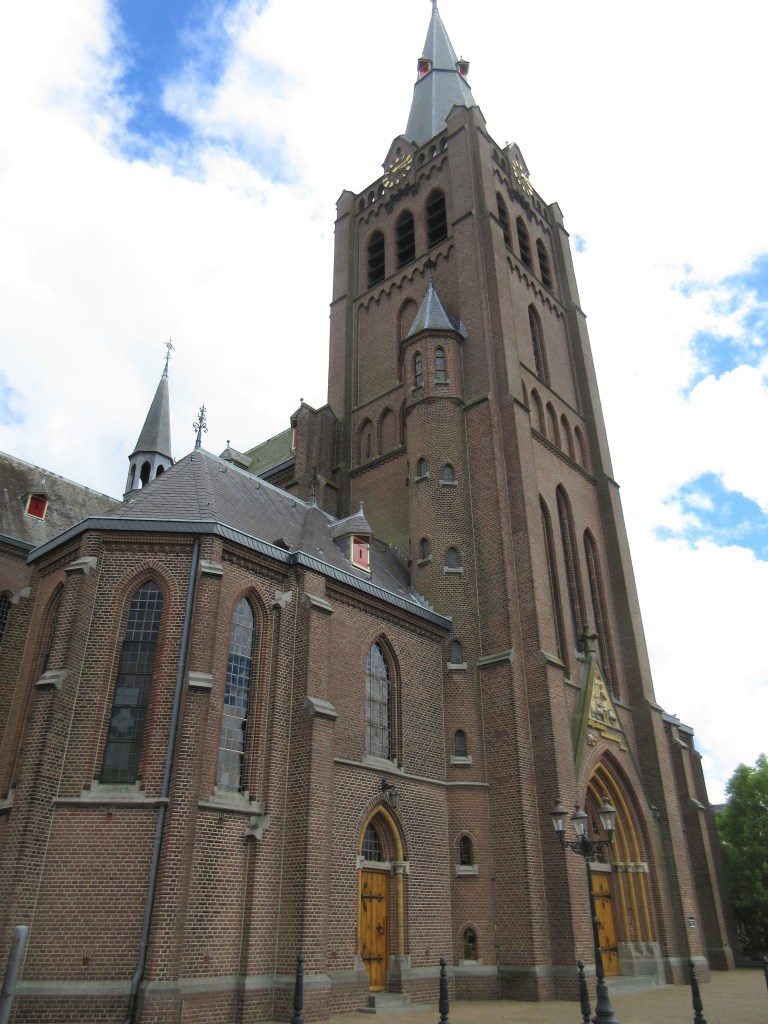
Kerk van Sint-Joannes de Doper, Noord-Scharwoude, Noord Holland, Netherlands

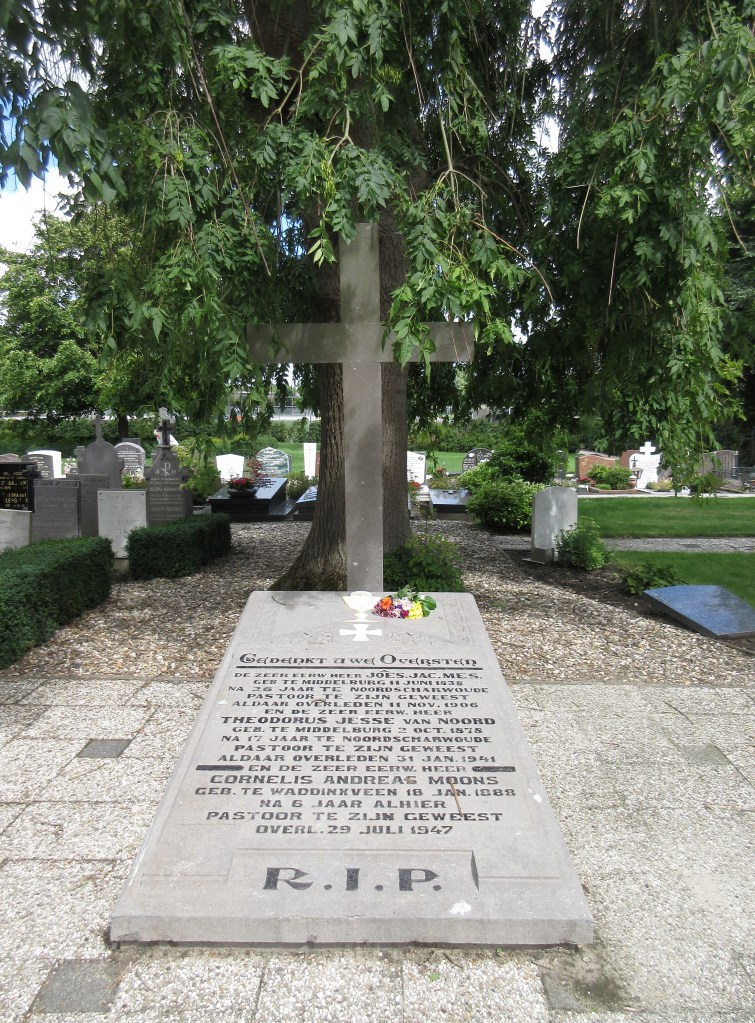
I was staying with a cousin whose home is only a few hundred metres from the Kerk van Sint-Joannes de Doper (Church of Saint John the Baptist – link is in Dutch). I walked past it every day. One afternoon my father and I, along with a few of our cousins, explored the church and the adjacent graveyard, Het Parochiële Kerkhof Sint Jan de Doper (The Parish Cemetery of Saint John the Baptist – link is to Find a Grave).

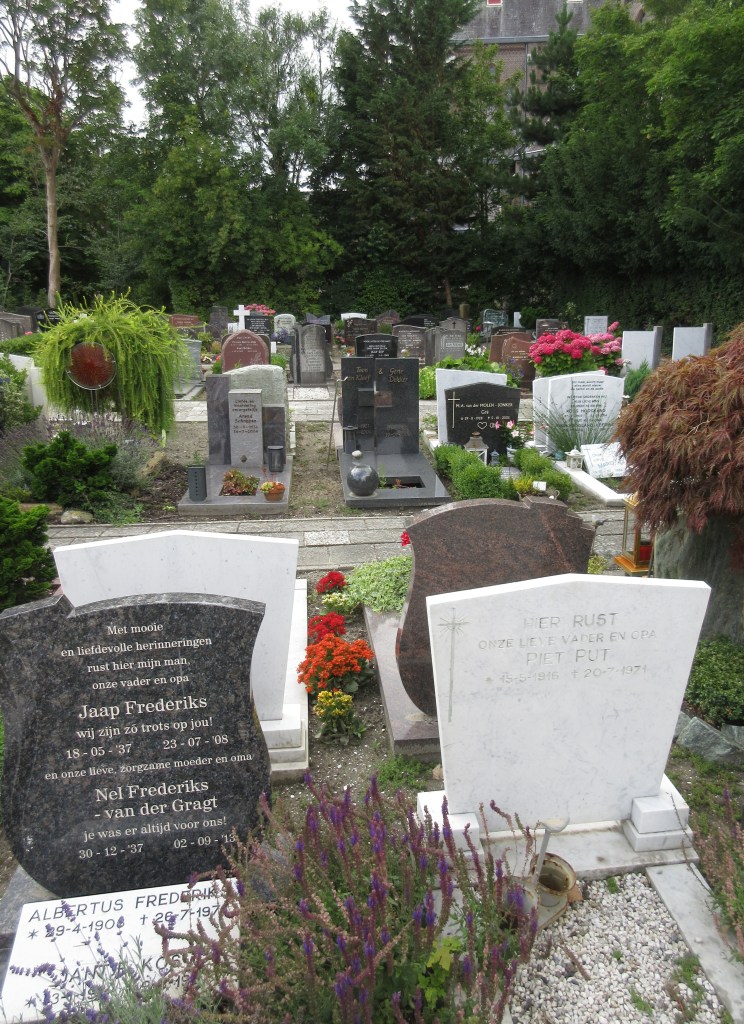
Het Parochiële Kerkhof Sint Jan de Doper (The Parish Cemetery Saint John the Baptist), Noord Scharwoude.

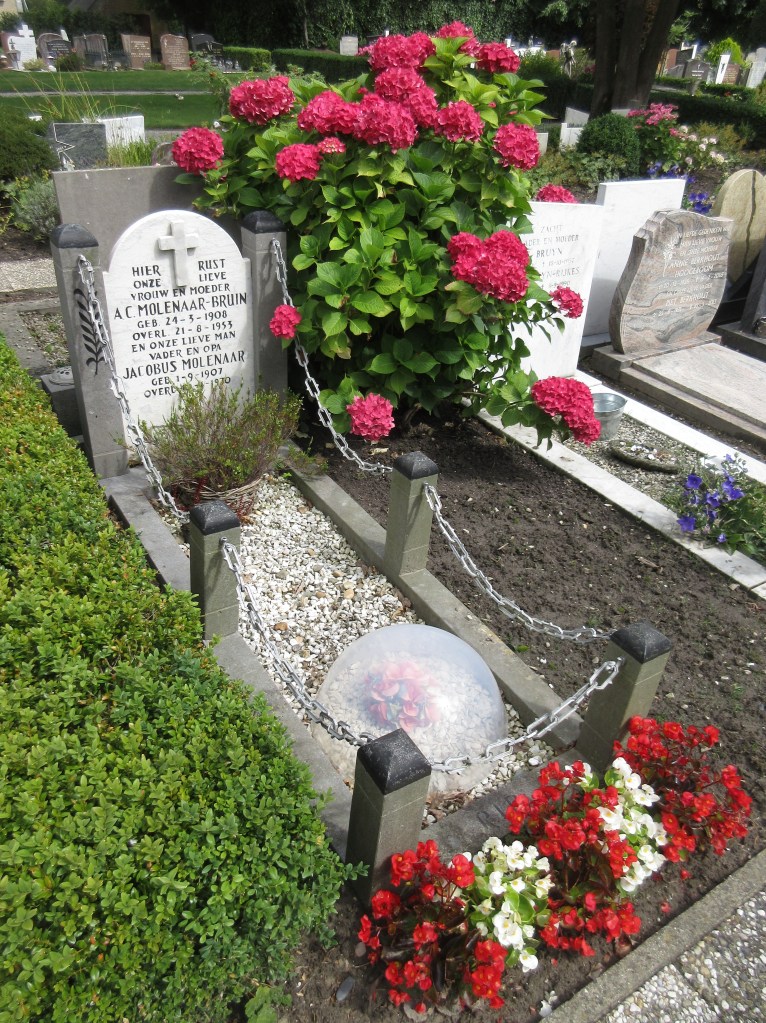
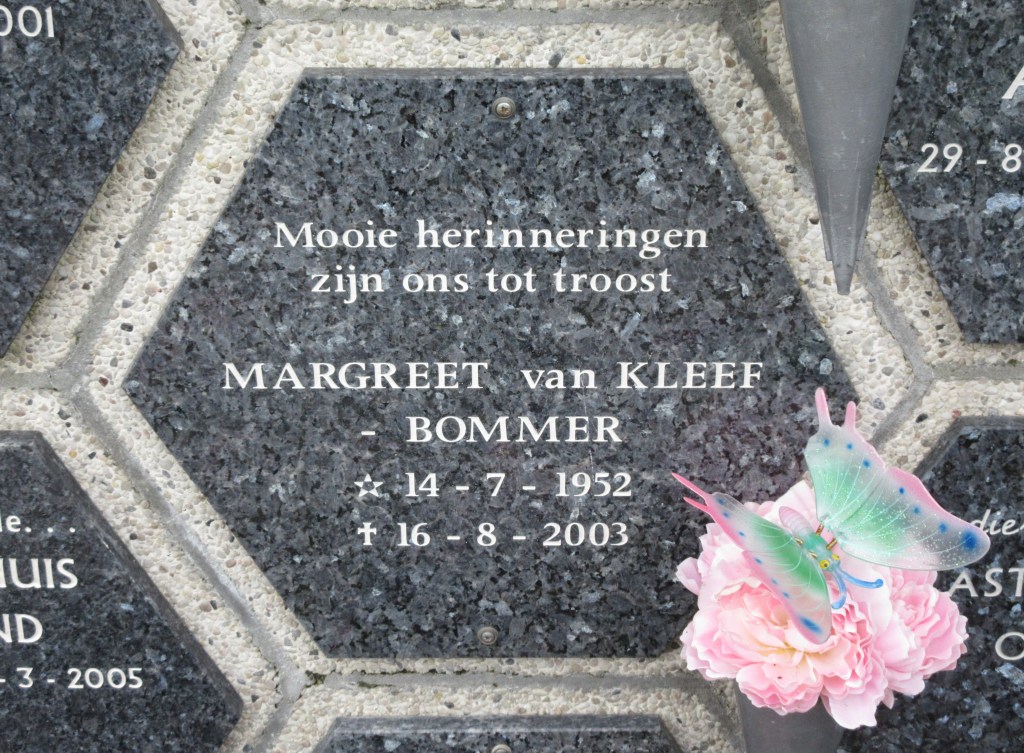
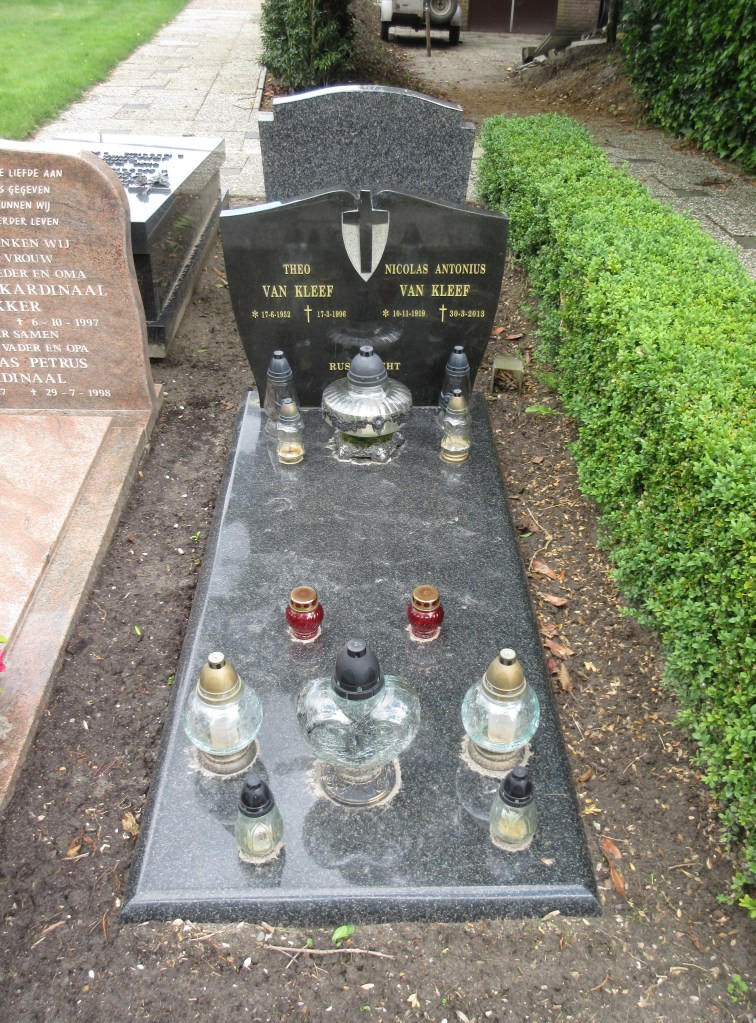
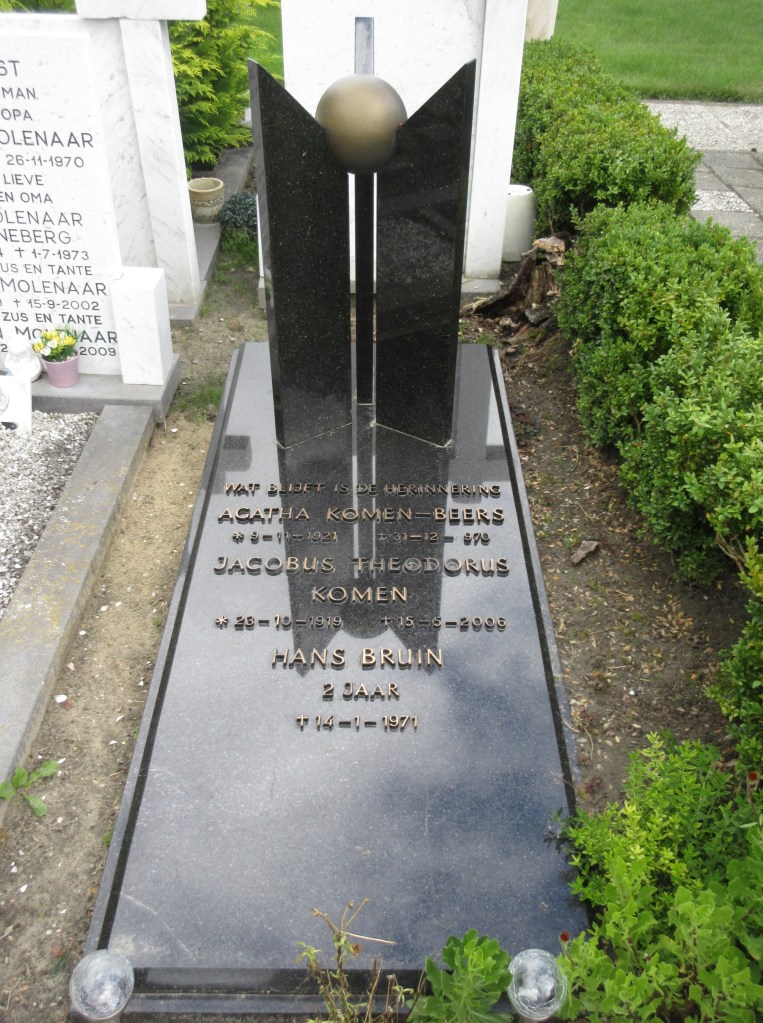
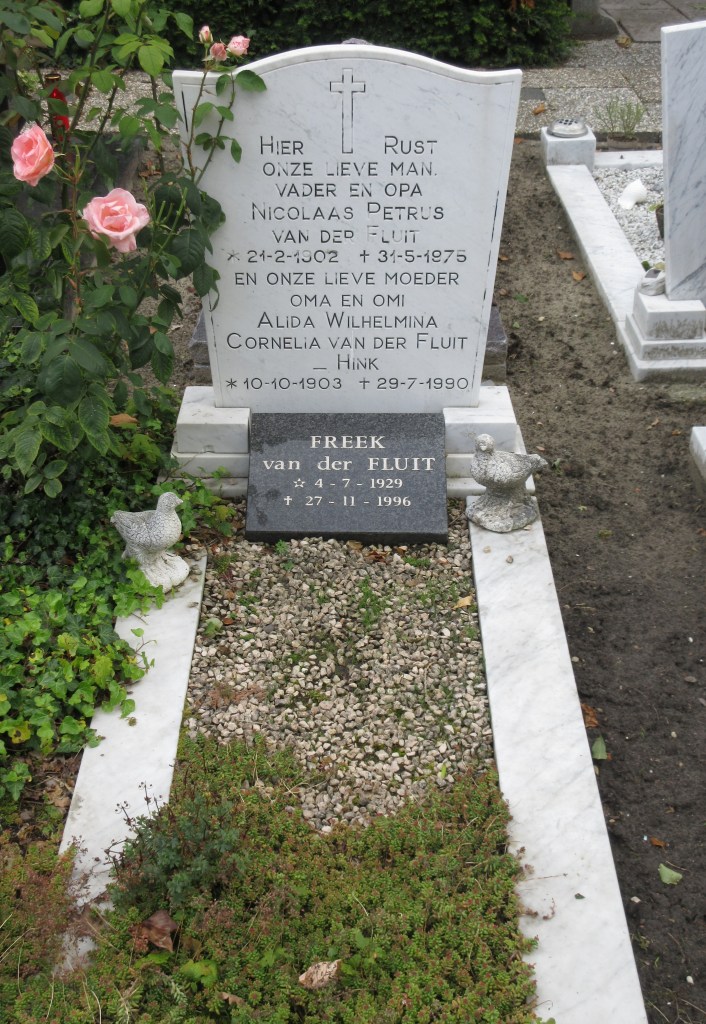
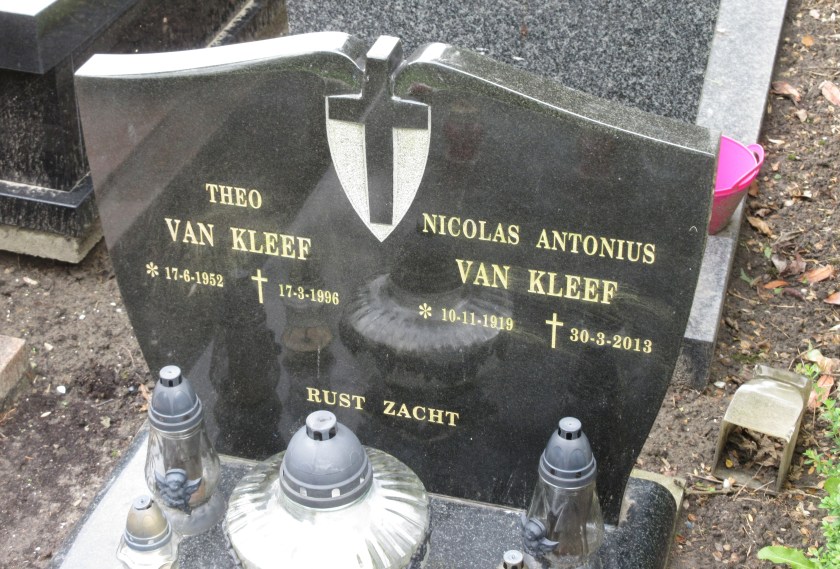
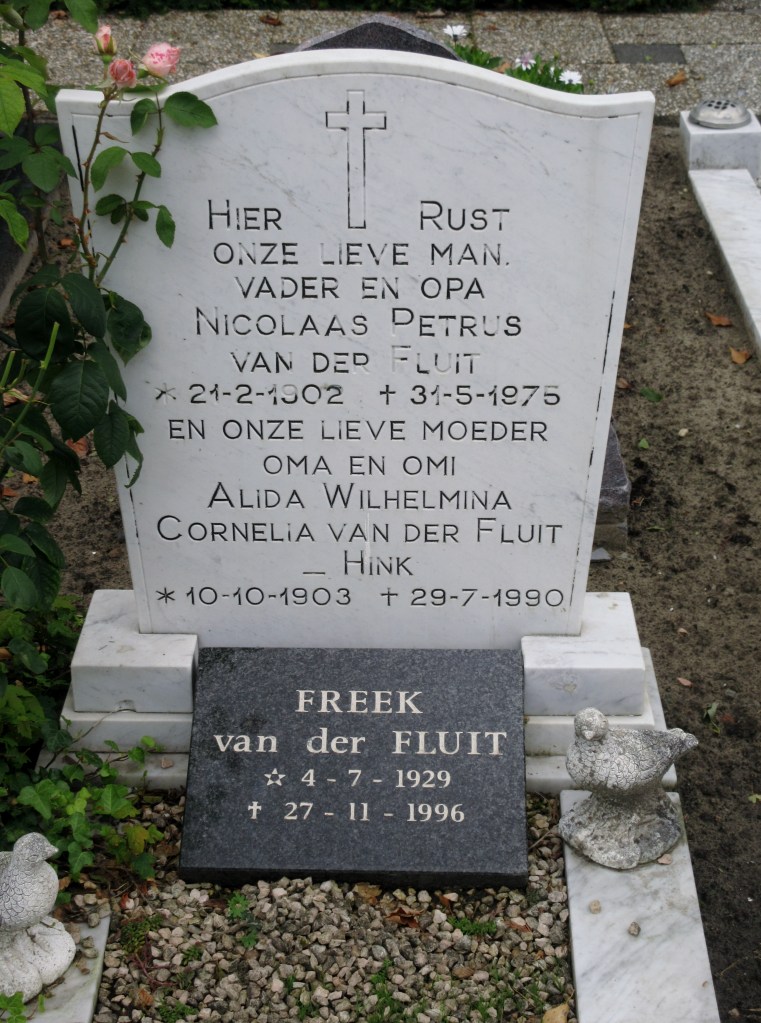
Here are a few of the graves of some of some of my extended family, several of whom I had the pleasure of knowing, including my great uncle, Nic van Kleef.

(As cemeteries are a big part of genealogy, it should come as no surprise that it forms a common theme for the 52 Ancestors Challenge. For Week 46 of the challenge in 2022, the theme was “Tombstones“.)

52W Mark II – Week 13: Light a Candle

Hard to believe that we’re now a quarter of the way through this year’s 52 Ancestors Challenge! I feel like I’m still at the starting gate.

This week’s theme is “Light a Candle”. Amy says, “Candles are often lit in remembrance, in prayer, or when the power goes out for 5 days because of an ice storm. Be creative with this prompt!” So I’ll be creative!

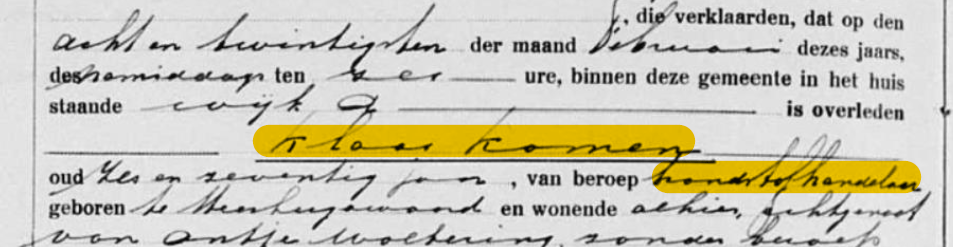
All candles need fuel for the fire, which in their case is the wax. Thinking of fuel reminded made me think of an occupation of one of my ancestors, which has intrigued me many, many years: “brandstoffenhandelaar”. It’s Dutch for “fuel merchant” or “fuel dealer”. My great great grandfather, Nicolaas “Klaas” Komen was a brandstoffenhandelaar in Zuid-Scharwoude, Noord Holland, starting sometime around 1920 up to when he died in 1929.

From the civil register of deaths for Zuid-Scharwoude for Klaas Komen (1852 – 1929), noting his occupation as a brandstoffenhandelaar.

Back in the days before Babelfish or Google Translate, and when my Dutch was still at its most rudimentary as I struggled to teach it to myself, I would often puzzle over what it meant or what the job actually involved. I couldn’t find it in any of the Dutch-English dictionaries I had. However, I knew it was a compound noun. By breaking it down to its component parts I was able to determine that it had something to do with fire and trading or mercantile.

Many years later, I learned that it meant “fuel merchant”, but what exactly did it mean? It’s a term you can find in common use today, especially in the petroleum industry. However, its current use could not possibly mean what Klaas had likely been doing in the 1920s.

Years ago, I trick I figured out for translating unusual or difficult to understand words is to use Google Image Search. Like they say, a picture says a thousand words. I did this for the term “brandstoffenhandelaar“. Not only did that search show the modern usage of the word, but it also showed century-old photos of people with carts or wagons transporting various kinds of fuels, such as coal, oil, and peat. It struck me that those images likely depicted Klaas’s occupation, particularly given that he was a labourer for most of his life. Operating a cart or wagon would be quite consistent with the other work he performed and his station in life.

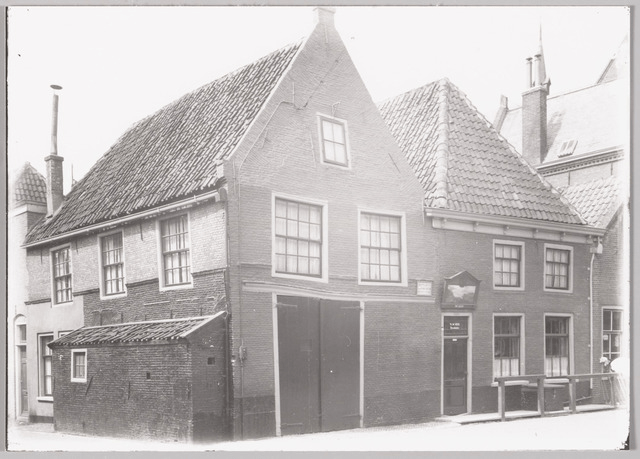
One of my Google Image Search results for brandstoffenhandelaar resulted in this photo in the collection of Regionaal Archief Alkmaar (Alkmaar Regional Archive). This was the warehouse of Dirk Veer, a brandstoffenhandelaar in Alkmaar, which is only a couple kilometers from Zuid-Scharwoude. The image was taken in 1925, so it’s possible Klaas might have known of this place.

In recent years, I discovered the Dutch Genealogy group on Facebook. I posted a query asking whether my understanding of brandstoffenhandelaar was correct, or whether it was more nuanced. The responses led me to believe that I was more or less correct. Several of the responses confirmed that back in Klaas’s day, a brandstoffenhandelaar might be someone transporting fuel by cart, wagon, or small truck, most likely coal, peat, or heating oil.

On occasion, I’ll try to find out what it was that Klaas actually did as a brandstoffenhandelaar. In preparing this post, I thought I’d give Delpher a try. Delpher is a fantastic resource, where you can find historical newspapers, magazines, books, and other publications. The only down-side to Delpher is that the site is only in Dutch, with no English interface. Even if it had one, the search results would be documents that are only in Dutch, so some knowledge of the language is necessary. I get a great language lesson every time I use it!

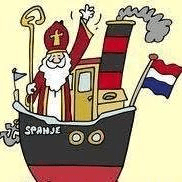
My goal with Delpher was to see if Klaas had placed any ads or notices for his services in the local paper. Delpher has great advanced search features, but I was still stymied in my search. In addition to being a surname, “komen” is also the verb “to come” in Dutch. On top of that, searching for an exact phrase using variations of Klaas’s first name (Nicolaas, Klaas, Nic) with his surname produces a lot of items about Sinterklaas coming to town. Even expressly excluding “sint” or “sinter” from the search didn’t filter them all out.

Hier komt Sint!

Despite the quirks of my search terms, I never found anything for Klaas or his work in the papers I searched. Nevertheless, my curiosity remains fueled.

52W Mark II – Week 12: Membership

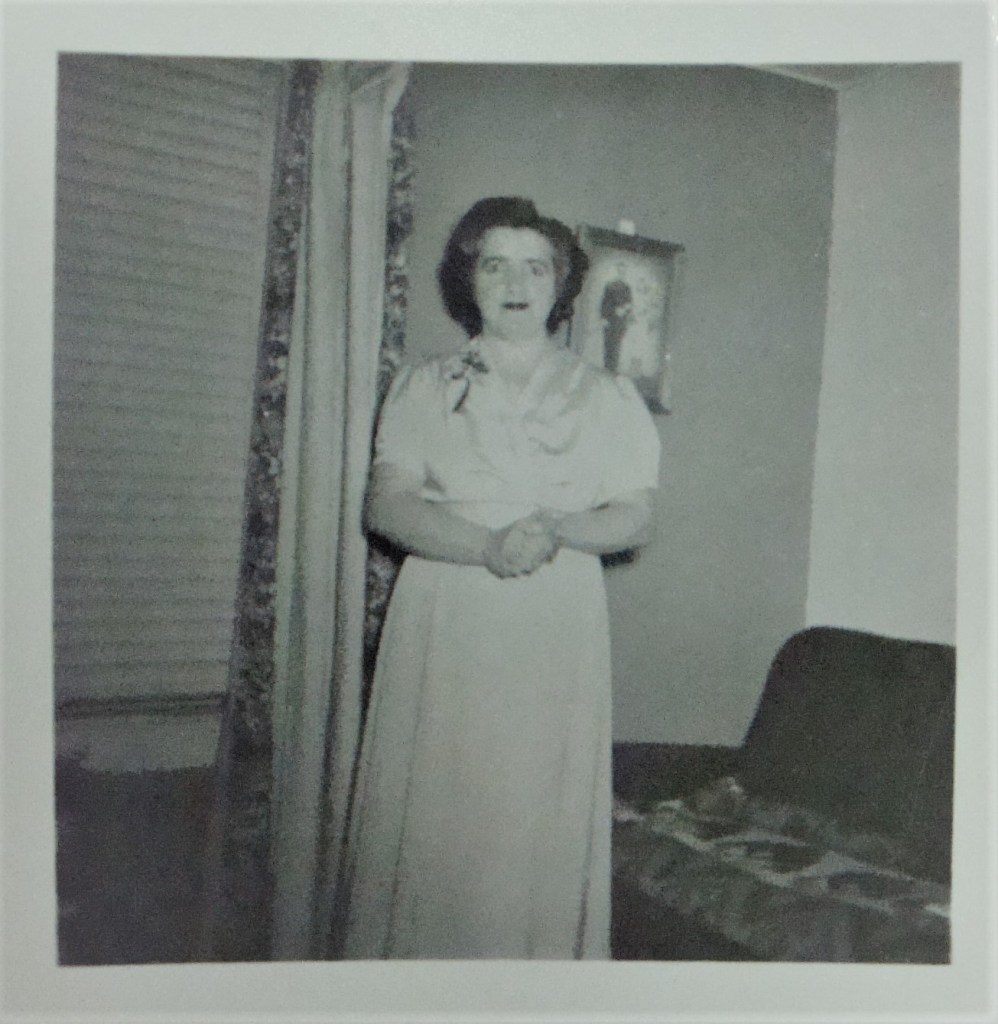
In this blog I’ve written about many different memberships that my ancestors have been part of: members of the military, the church, and the bar, for example. Something I haven’t really written about is membership in volunteer work, service organizations, and social organizations. So for this week’s 52 Ancestors Challenge, I’d like to share something about my paternal grandmother, Christina (“Tiny”, pronounced “tee-nee”) Komen.

My grandmother, Christina Komen, dressed for one of her choral performances. The date written on the back of the photo is March 5, 1957. Unfortunately, the rest of the notation is about the photo on the wall behind my grandmother. It says that it’s a Canadian soldier and his war bride from Scotland and that they were my grandparents’ neighbour. I believe this means the photo was taken at the neighbours’ house.

My grandmother was a wonderful singer with a beautiful voice. Before emigrating to Canada, she was a member of local and church choirs in her home town. After settling in Canada, my grandparents and the family (including my father) lived in a number of small towns south of Lethbridge, Alberta. However, for most of the late 1950s and early 1960s they lived in Warner, where my grandmother was a member of the Warner Choral Society.

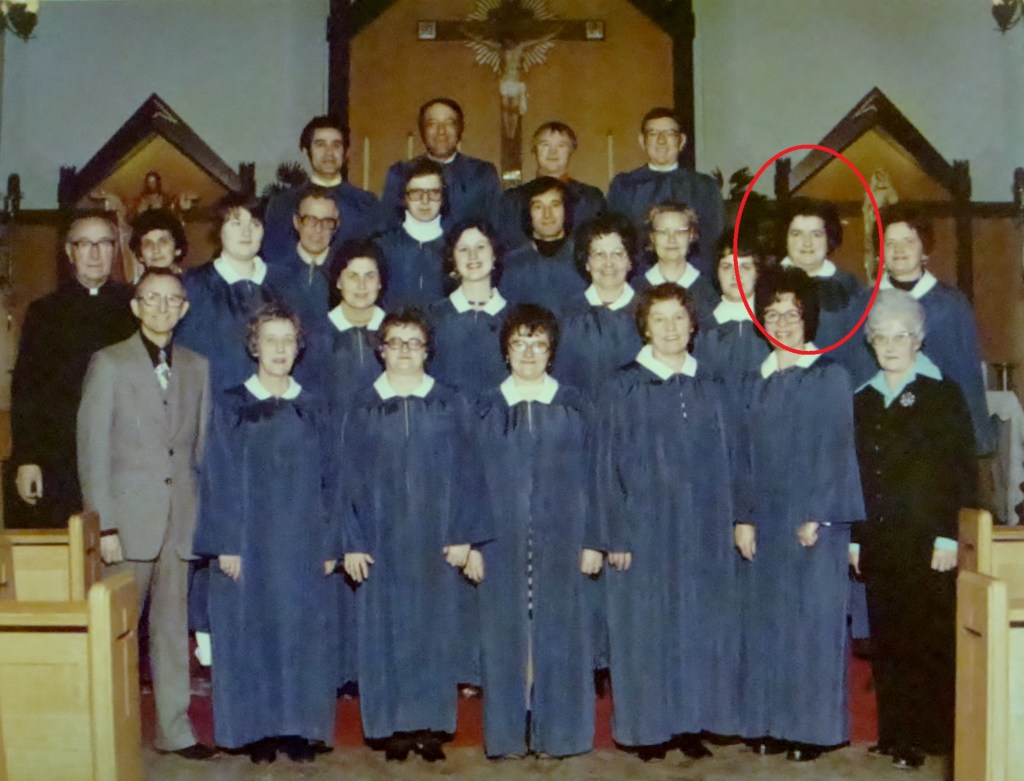
The St. Basil’s Catholic Church Choir, year unknown. My grandmother is in the second row, second from the right.

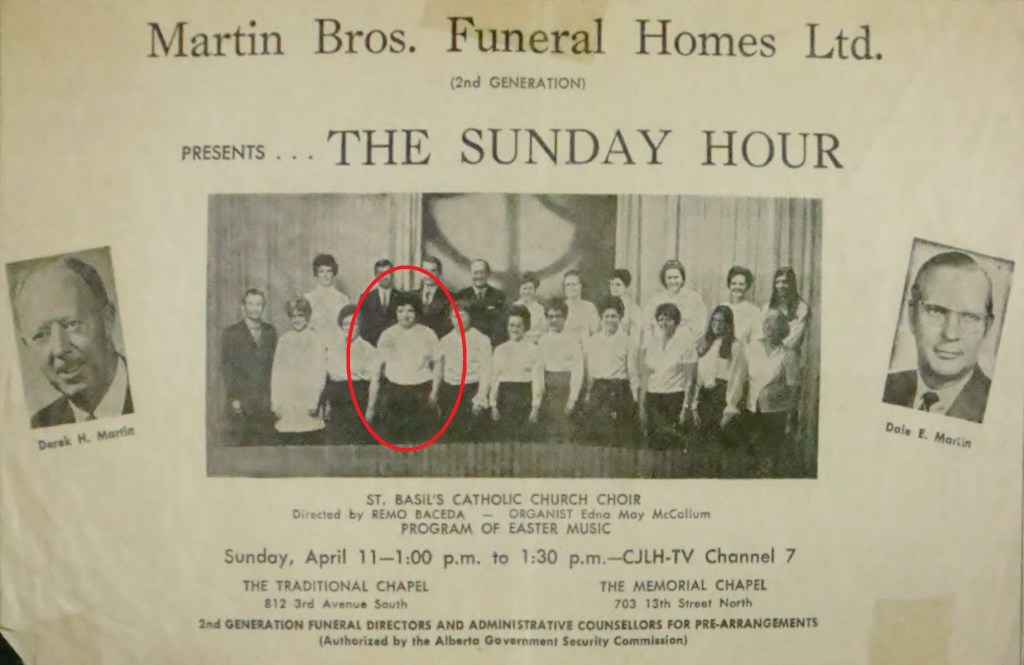
My grandparents later moved into Lethbridge, where my grandmother was a member of the St. Basil’s Catholic Church Choir. The choir would appear on a local television on “The Sunday Hour”, a program that aired on CJLH-TV. At that time, it was a CBC affiliate. It’s now CISA, a Global Television station.

The St. Basil’s Catholic Church Choir were featured on The Sunday Hour on CJLH-TV in Lethbridge on April 11, 1965. While the advertisement is for a program of Easter music, this air date occurred a week before Easter, on Palm Sunday. My grandmother is in the front row, fourth from the left.