52W Mark II – Week 32: Reunion

I’ve only been to one family reunion, when I was 13. It was a gathering of all the descendants of John Alexander Nelson and Ella Elizabeth Thomas, my great great grandparents.
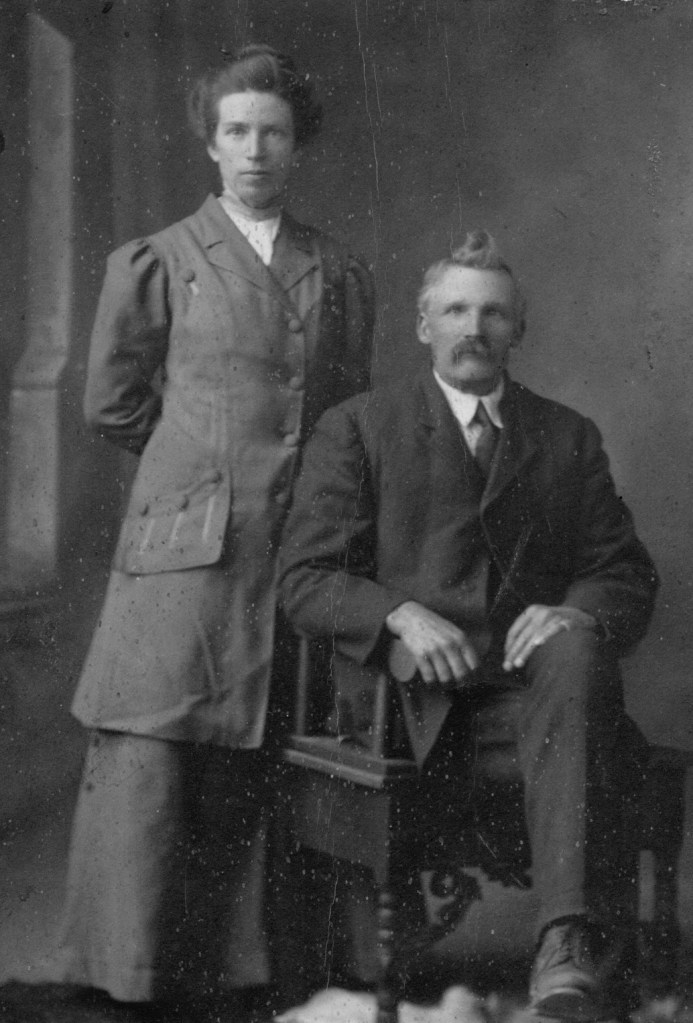
Ella Elizabeth Thomas (1859 – 1941)
John Alexander Nelson (1854 – 1942)

They were amongst the earliest settlers of Cardston, which was founded in 1887 by members of the Latter Day Saints (Mormons). John and Ella were both born in Utah a few short years after it became a territory of the United States. John was born in 1854 to Irish immigrant parents. Ella was born in 1859. Her father was originally from North Carolina and her mother was from England. John had worked as a farm labourer in Utah before he married. John and Ella married in Salt Lake City in 1879. Shortly afterwards, John and Ella moved to Smithfield, Utah, where John continued to work in farming.

John and Ella came to Canada in September 1890. John and Ella had five children at the time. The family travelled to Canada by covered wagon. Their eldest daughter, Maria, said that she often drove the wagon team while her father managed the cattle. The family first settled in a sod dugout at “Lee’s Creek”, west of Cardston. They arrived with 13 horses, 7 cows, 7 “other horned cattle”, and a pig.
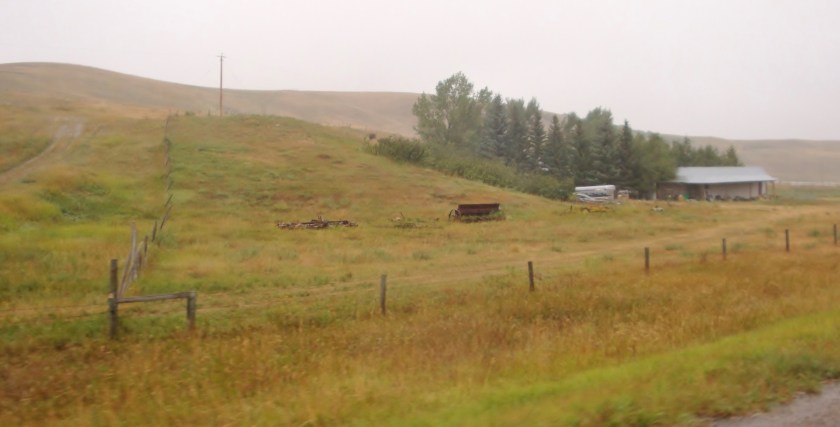
This was where John and Ella first settled in Canada, just west of Cardston, where the prairies meet the foothills of the Rockies.

The book, Alberta Past and Present, states that upon moving to Canada, John homesteaded on 160 acres of raw land. The homestead was located on Lee Creek, which ran through the property and into the centre of Cardston. The farmhouse was about four kilometers southwest of the town centre and is located on what is now Alberta highway 501.

In addition to farming, John also worked in carpentry. As well, John and a partner, John Turner, constructed and operated the first lime kiln in this part of the country. In 1906, John and Ella moved to nearby Woolford, Alberta, where John continued farming. John and Ella briefly returned to Utah in the early 1920s, where John operated an orchard or fruit farm, but they returned to Woolford in 1924. John continued farming the rest of his working life.

Ella did not simply bide her time in the background as a farm wife and mother. According to a Lethbridge Herald article published after her death, in 1892 Charles Ora Card, Cardston’s founder and stake president, called to on Ella to study nursing and obstetrics. After six months’ training, Ella returned to Cardston and started her service. The Herald article says that Ella “answered every call from 1892 to the time when the district was supplied with medical men, and after that time when there was more work than one doctor could do”. Ella continued as a midwife until 1932, when she was 73.

John and Ella had twelve children, two of whom died in infancy. This included my great grandmother, Hazel Nelson, and her twin sister, Irene, who died at one month old. Ella died in October 1941. John died almost a year later, in September 1942.

The reunion was quite an interesting experience for me. The reunion was held in Bigfork, Montana, with attendees from the United States and Canada. At the time, I knew I had American ancestors, but did not realize how large an extended family I had that lived there. A memorable highlight for me was some of my mother’s American cousins hiring me to babysit for them one night – and paying me in American dollars.

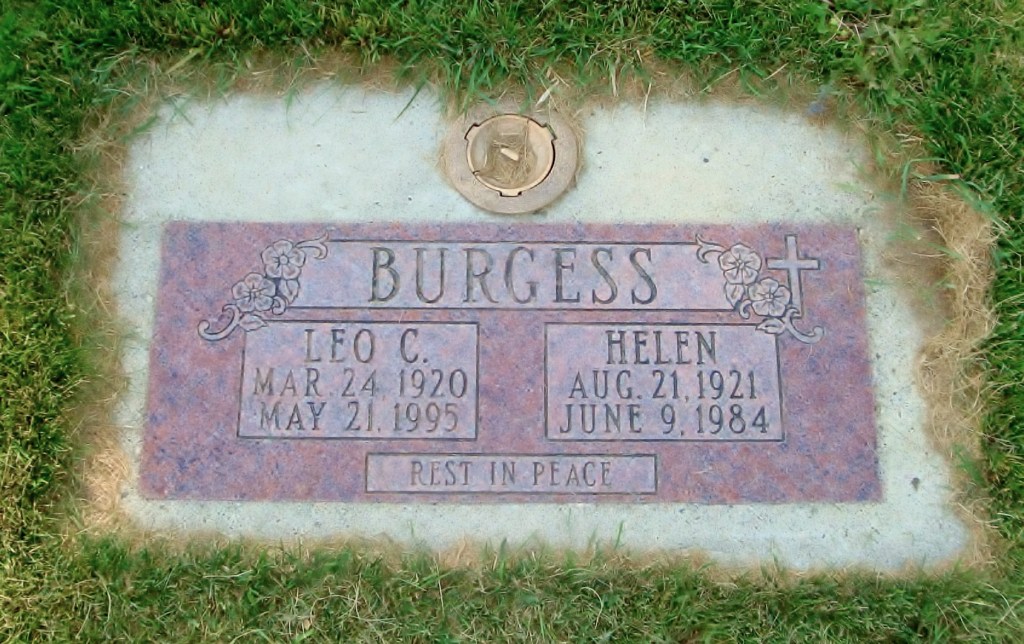
Another interesting part of the experience was that our immediate family, and my maternal grandmother, were pretty much the only attendees who were not members of the The Church of Jesus Christ of Latter-day Saints (Mormon) church. While my maternal grandfather Leo Burgess was Mormon, he was no longer an active participant in the church during my childhood, so at the time I knew little about their church, customs, and traditions. In my late teens my grandfather began participating more in the church, which is when I learned much more about them.
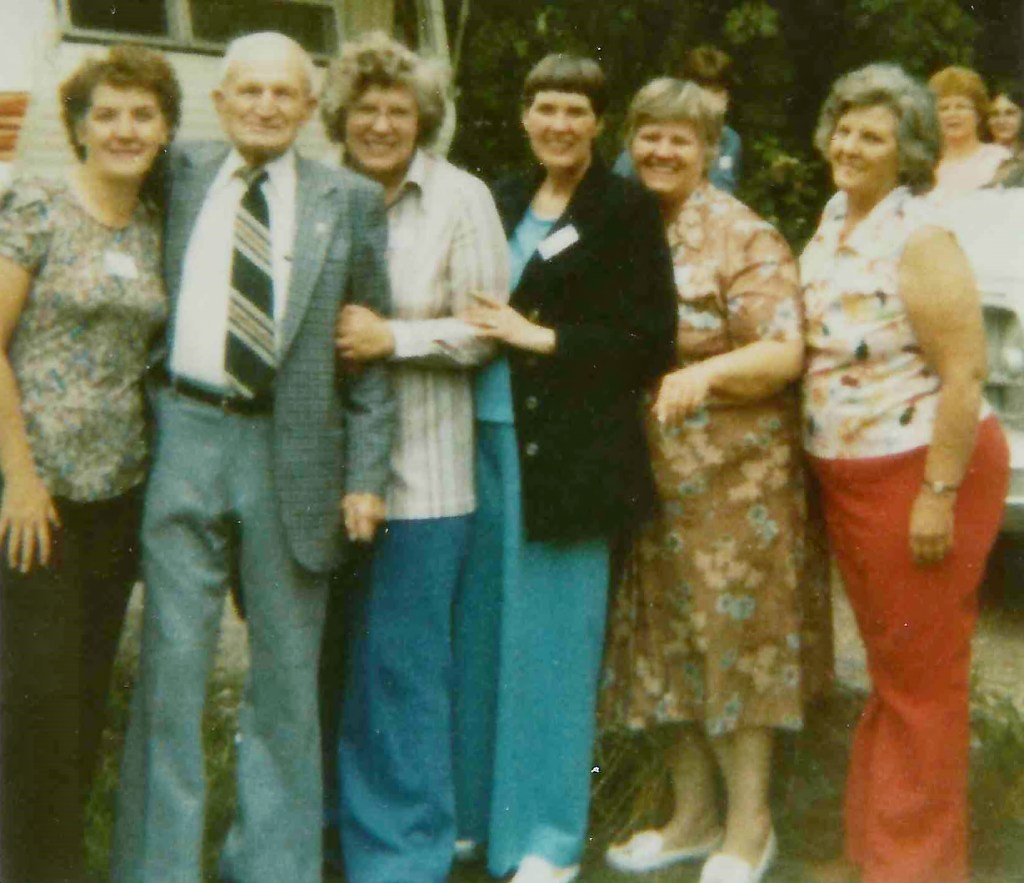
The only photo I have scanned of the Nelson family reunion. This is Cleveland Nelson (1893-1982) with four of my maternal grandfather’s aunts (Cleve’s nieces). From left to right: Fon, Cleve, Julia, Ella, Molly, and Irene. In the background on the right you can see my mother.

The star of the reunion was my great great uncle Cleveland Nelson. Cleve was John and Ella’s eighth-born and last surviving child. He was 87 years old at the time. Everyone wanted to talk to and get a photo with him!
52W Mark II – Week 8: I Can Identify

Can we identify James Turner’s parents?

Heck, are we even related to James Turner?

There are branches of my family tree in which I am keenly interested, and others that just haven’t caught my fancy. Maybe it is because I identify with some branches more than others. I suspect many genealogists might be like that. However, in recent years I now have someone to prompt me about those ignored or forgotten family lines.

Like me, my eldest son developed an interest in genealogy when he was about eight years old – without any prompting by me, I’d like to add. He has been invaluable to my own research, as he often asks very good questions that set me off on a new line of inquiry. In addition, there are times he’ll look through our pedigree on my database and ask about ancestors who I literally haven’t looked at in thirty years. It always results in the two of us working together to learn more about that individual and their branch of the family. Perhaps the one he has been most interested in was his great x8 grandfather on his mother’s side of the family, Francis Lecain. He is fascinated with the fact he has an ancestor from the Bailiwick of Jersey.

One branch that my son asked about very recently, who I haven’t thought much about since my early days of research, is that of my great x4 grandmother, Nancy Ann Morehead. She is the mother of Preston Thomas, someone who I actually have spent quite a bit of time researching. However, I have little more on Nancy other than her date of birth (April 18, 1779, in Virginia) and date of marriage (December 3, 1795, in Richmond County, North Carolina, to Daniel Thomas). Pretty much the only “research” I’ve done in relation to Nancy was through Ancestral File (am I dating myself?) in 1995 and 1997. Needless to say, that was well before the development of the Genealogical Proof Standard. Other than that, my research notes show that I looked her up on FamilySearch in 2014, almost 10 years ago.

Looking at Nancy’s paternal line, I see that the last time I touched it was when I transitioned from using Cumberland Family Tree to RootsMagic in 2008. That information also probably dates back to 1995 and Ancestral File.

However, I have taken occasional passing interest in Nancy’s maternal line, although not too seriously and without any real research into it in decades. What has caught my eye about that branch was the surname of the person said to be Nancy’s great grandmother, Martha Taliaferro, who was also from Virginia. Martha was the mother of James Turner, Nancy’s maternal grandfather. I think what piqued my interest was that “Taliaferro” looks Italian to me. In later years, I learned that the Virginia Taliaferros were of British origin, although they most likely came to England from Venice centuries before. I also learned, either through Who Do You Think You Are or Finding Your Roots with Henry Louis Gates, Jr., was that the name is actually pronounced “tolliver”.

About two weeks ago my son asked if we could do some genealogy together. The request usually results in him going through our pedigree and choosing someone who catches his eye. That day it was Martha Taliaferro. If I recall correctly, we ended up trying to find better information about her parentage. However, as I often do, I remind him that we need to ensure that the links between our generation and that of the person we’re researching are sufficiently proven. That’s when the loose threads began to unravel.

Looking at the information I had and the information we found, it seemed that Martha and her husband Thomas Turner could not be James’s parents. First of all, the most likely date of their marriage is inconsistent with the likely date of Jame’s birth.

Most of the sources linking James to this couple are centuries old compendiums with little or no notation of the sources. More recent research I found indicates that this connection is likely incorrect. Among other things, Thomas Turner’s will makes no mention of a son named James, nor do there appear to be other records, such as deeds, suggesting any connection. As one person posted on an Ancestry message board, “It is unfortunate so many people continue to ‘input’ this erroneous family relationship into their ‘databases’. All they have to do is a little bit of actual research to discover this simple fact.

While it remains to be confirmed with more certainty, James’s parents might be Edward Turner Sr. and Sarah Meredith, or Edward Turner and Sarah Palmer.

I haven’t done any further or significant research into this conundrum. Before doing so, I first want to prove the lineage I have from Nancy to James. I would then dig into James’s parentage. I have created a research log for this problem, complete with some of the possible sources I have identified. However, I have only rated it as being of middling urgency. Until then, the mystery remains.

52 Weeks – Week 46: Tombstones

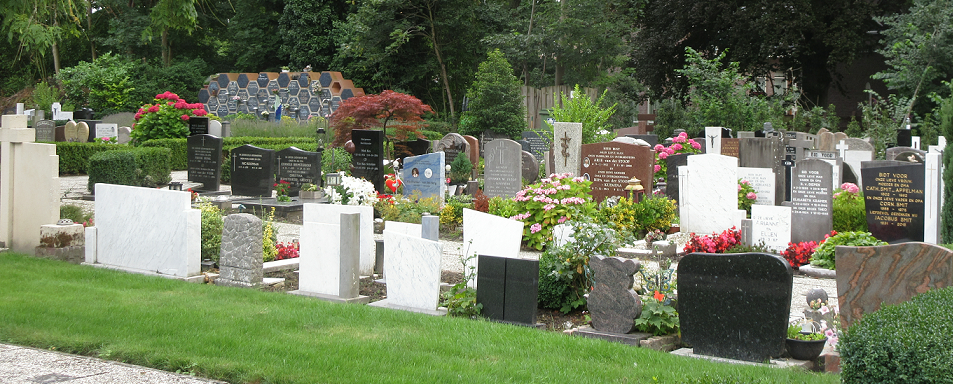
Pretty much anyone who has been doing genealogy for a significant period of time has likely visited their fair share of cemeteries. So it’s no surprise that one of this year’s weekly themes for the 52 Ancestors Challenge is “Tombstones”.

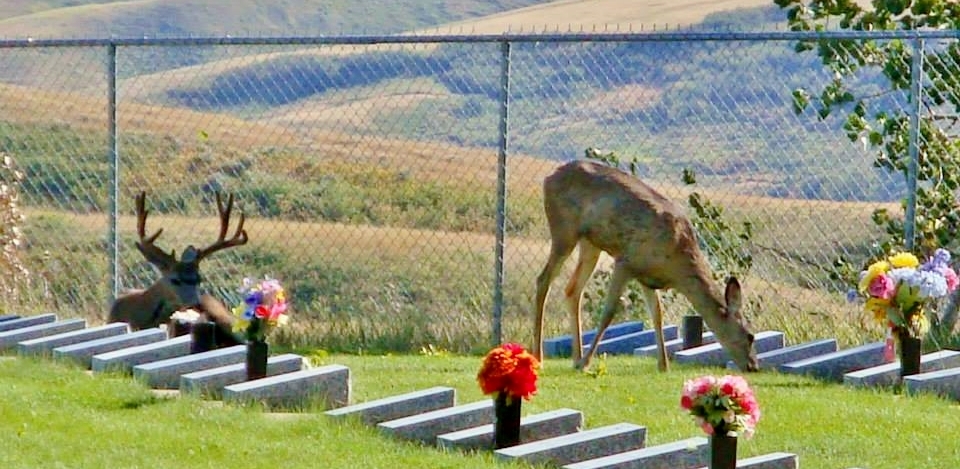
A couple of visitors I ran into at Mountain View Cemetery in Lethbridge, Alberta.

On Week 14, “Check it Out“, I considered some unique ways to consider my pedigree. For this week’s theme, I thought about my pedigree in terms of whose tombstone/headstone/grave marker I have visited.

What I was surprised to realize is that I’ve visited the final resting place of more of my great great grandparents than my great grand parents. I’ve been to where two of my great grandparents are buried, but to the site of three of my great grandparents. Granted, it’s a matter of three to two, but still, it seems like an odd statistic.

None of these include my Dutch ancestors. In general, Dutch graves are cleared after a few decades. I’ve only been to one church graveyard in the Netherlands, the Parochiële Kerkhof of St Jan de Doper (St. John the Baptist) in Noord Scharwoude, North Holland. My father has at least one aunt and uncle buried there, as well as a number of cousins of varying degrees.

Parochiële Kerkhof of St Jan de Doper

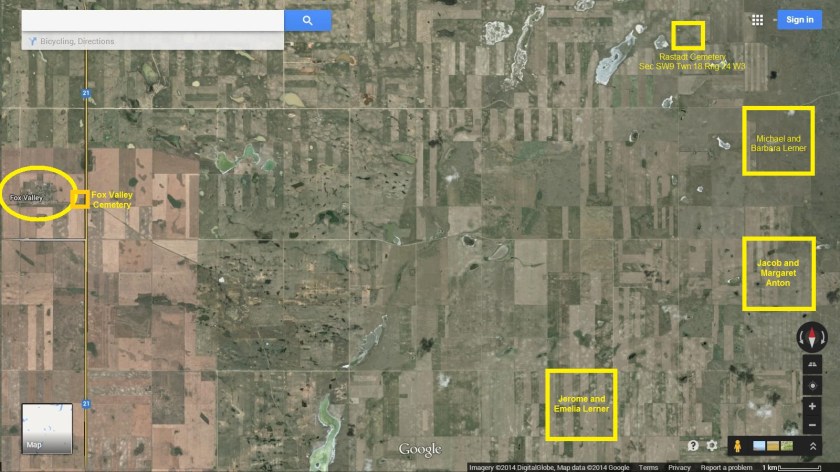
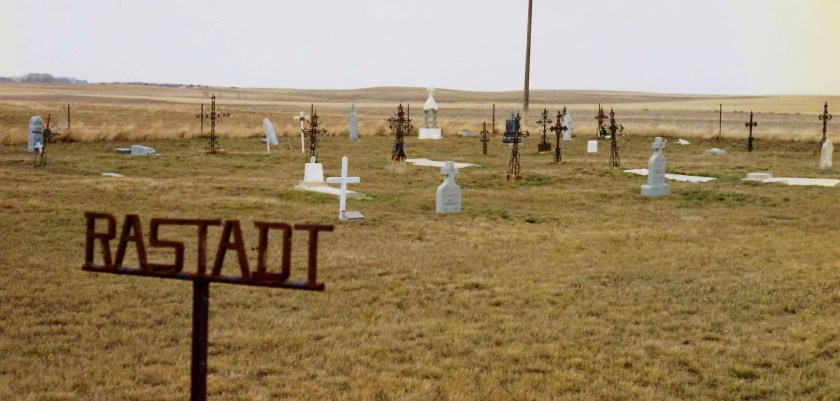
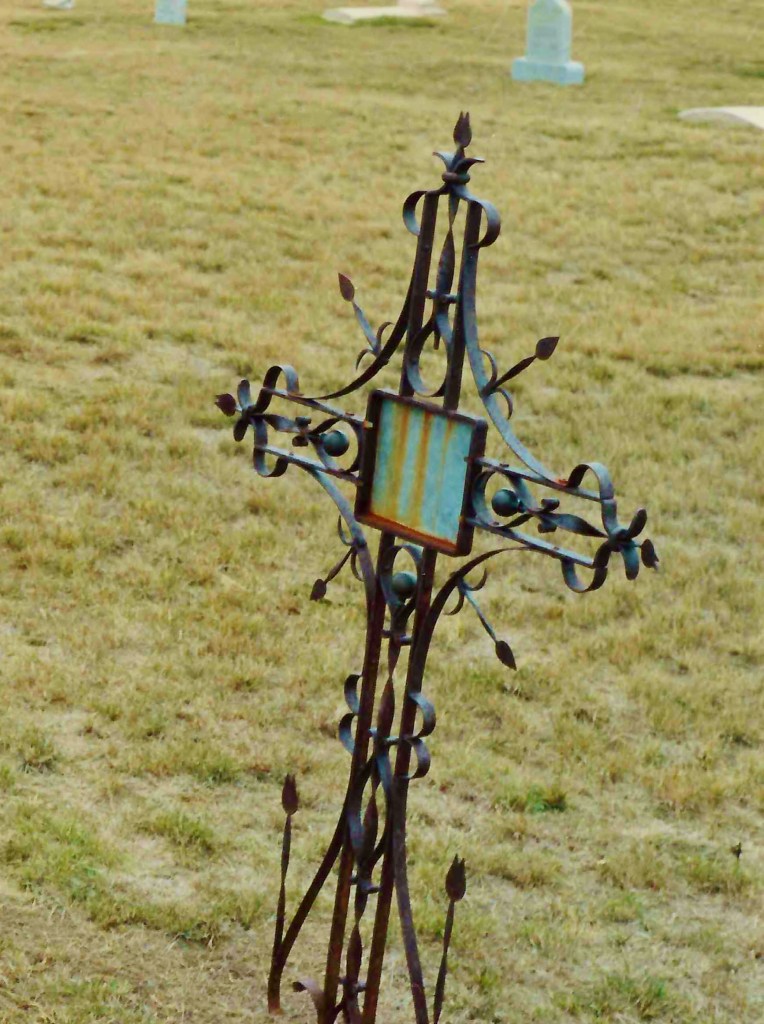
I’ve written several times about my road trip to Fox Valley, Saskatchewan with my mother, where we visited the Rastadt and Fox Valley cemeteries. My great great grandfather Jacob Anton is buried at Rastadt, while his son-in-law (my great grandfather) Heronimus (“Jerome” or “Jerry”) Lerner is buried in Fox Valley.

Fox Valley is the oval on the left, with the Fox Valley cemetery immediately to the east. The Rastadt cemetery is located in the upper right hand corner.
Rastadt, Saskatchewan Cemetery, April 1, 1997. Located at 50°30’00.9″N 109°15’32.3″W
You can find the cemetery listing here.

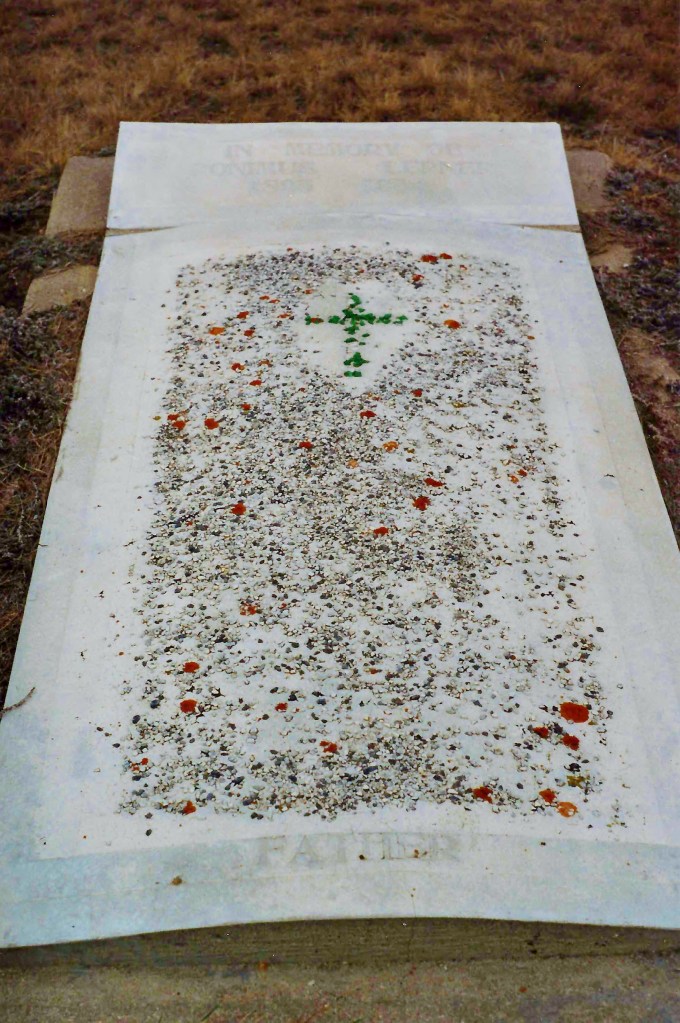
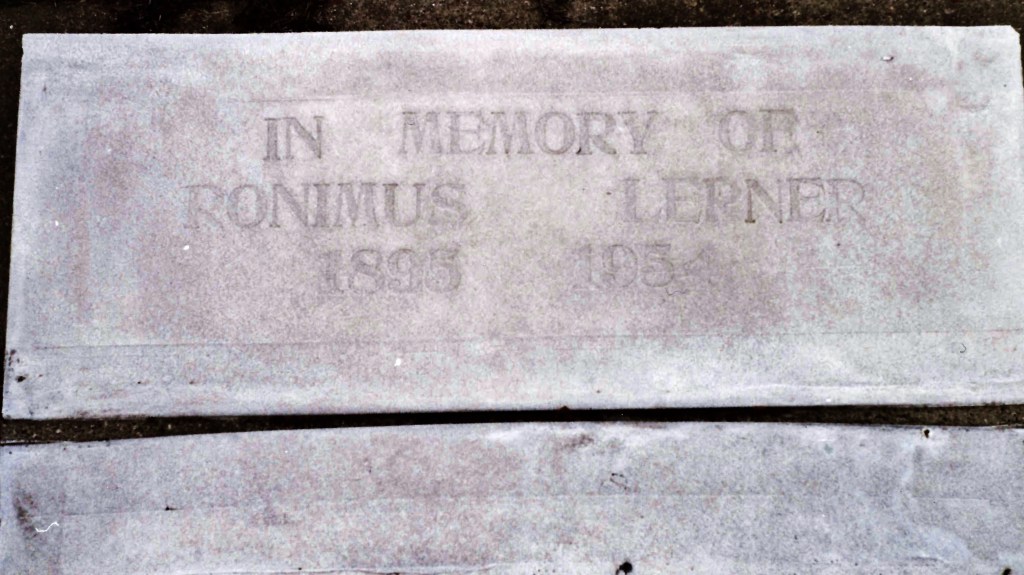
There’s an error on the headstone. I guess you could say that it’s a grave mistake.

The inscription on my great grandfather’s headstone is wrong. It should read “Heronimus” rather than “Ronimus”. During our visit, we tried to determine if the first two letters (“HE”) had worn off the headstone or if it had been deliberately written this way. Because of the centering of the text, it appears to have been deliberate. The Medicine Hat News, of December 20, 1954, page 4 states, “Jerome Lerner, of Fox Valley, Sask., who died at Maple Creek December 6. Interment was in Fox Valley cemetery.”

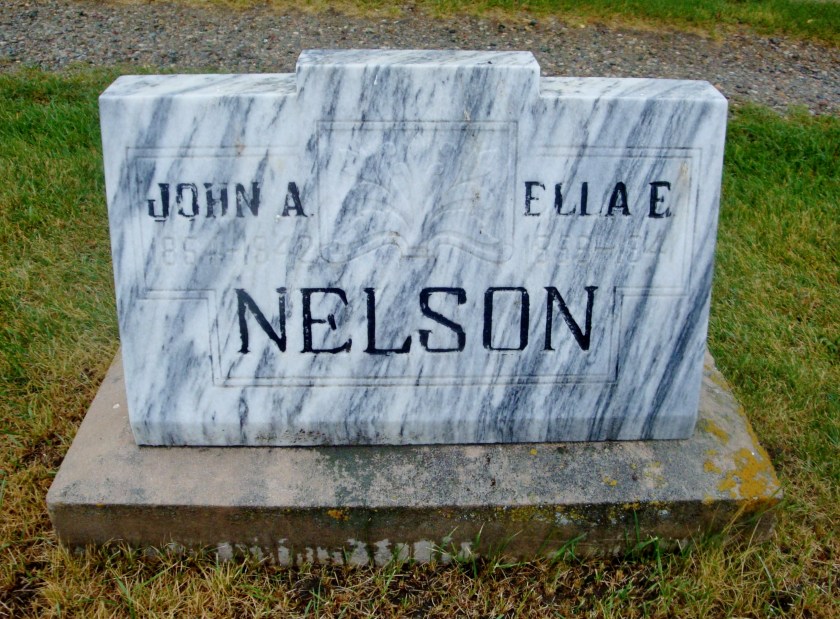
The other great great grandparents whose grave I’ve visited are John Alexander Nelson and Ella Elizabeth Thomas. They’re buried at the Cardston Cemetery. I wrote about my visit there on Week 36.

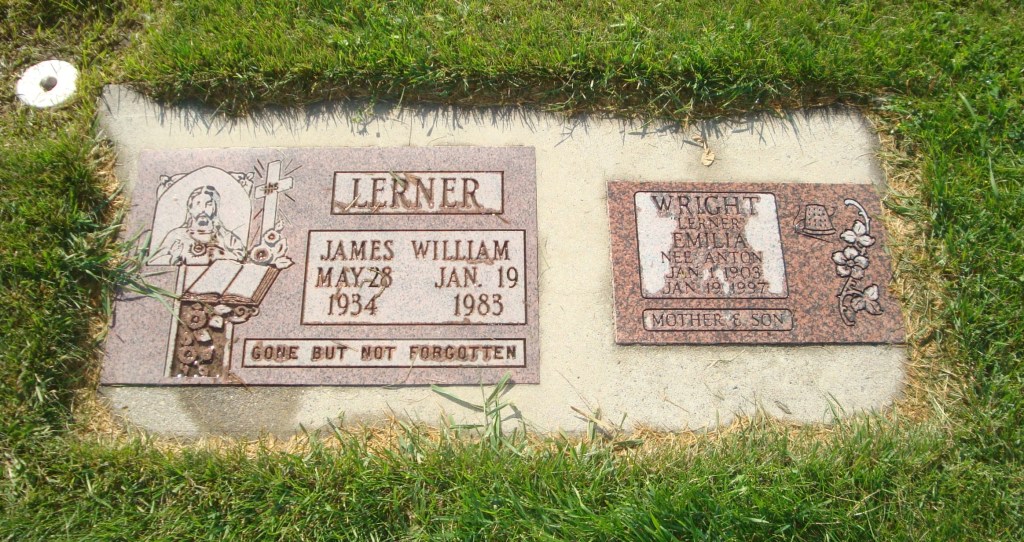
Besides Jerome, the only other great grandparent whose grave I have visited is that of his wife, Emilia Anton. She is buried at Mountain View Cemetery in Lethbridge, Alberta, along her son (my great uncle) Jim Lerner.

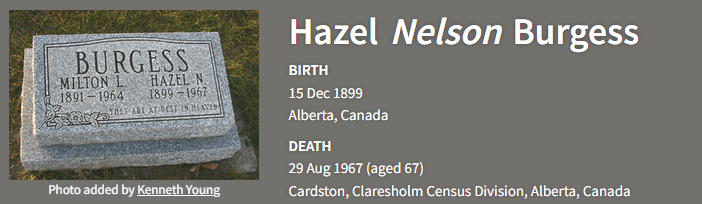
Then again, for what it’s worth, my mother was at the burial of her grandmother Hazel Nelson the day before I was born. She was buried at the Magrath, Alberta cemetery alongside my great grandfather, Milton Burgess, so in a way I’ve been to the burial site of four of my great grandparents. I’ve been to Magrath many times, just never to the cemetery.

Screenshot of the entry for Hazel Nelson at Find a Grave. The headstone is for both Hazel and her husband, Milton Burgess.

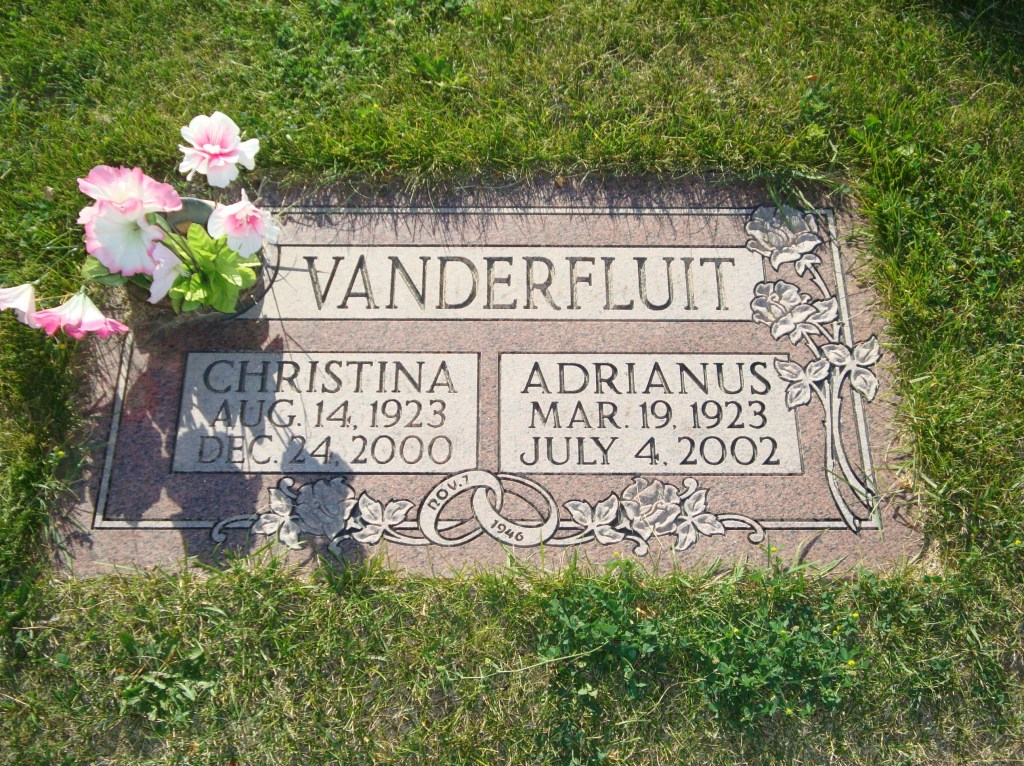
However, I should add that I’ve been to where all four of my grandparents are interred, although I was only present for three of their funerals. I was in high school and writing final exams when my grandmother, Helen Burgess, passed away. Both pairs of my grandparents are buried in close proximity to each other at Mountain View Cemetery in Lethbridge. Among others, they’re also close to Emelia, as well as my aunt Helen Diana Burgess.

52 Weeks – Week 37: High and Low

Highs and lows bring to mind the Guinness Book of World Records. So for this week’s 52 Ancestors Challenge, I thought I’d consider some of the superlatives in my family tree. Bear in mind that this is for entertainment purposes only, because some of these superlatives have not been sufficiently researched or verified such that they can be taken as fact.

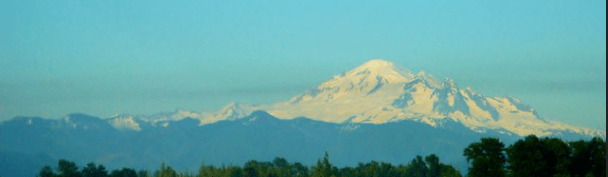
Here’s a high: Mount Baker, Washington

I cannot verify with certainty the longevity of the few centenarians in my database. According to my database, my longest-lived ancestor died at age 110. I don’t believe that for a second, so I won’t even name them. The person for whom I have at least a scintilla of information regarding their longevity is Joseph Metz, my first cousin three times removed. According to his headstone, as seen on Find a Grave, Joseph lived to be about 102 or 103. The longest-lived person in my database with the most reliable information regarding their lifespan is my fourth cousin three times removed, Fern Renner. She was better known to the world as Fern Welk, as she was married to the well-known band leader, Lawrence Welk.

My relative who was the oldest on their wedding day was my great great great uncle, Samuel Nelson, who married for the fourth time when he was 77. The bride, Cecilie Anderson, was 62. Samuel lived to be 93, making him one of my longer lived relatives.

The newlyweds, Hazel Nelson and Albert Beaves, about July 5, 1967.

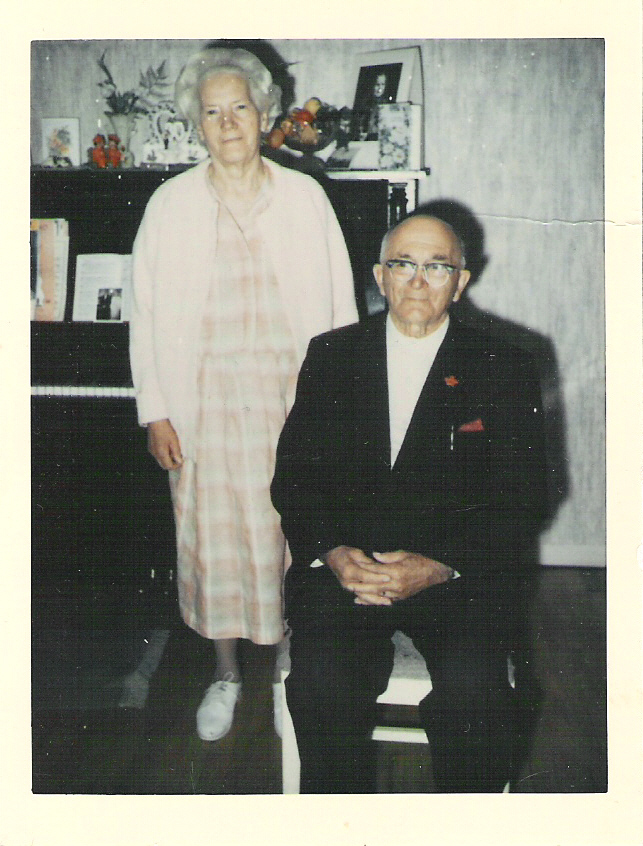
My great grandmother, Hazel Nelson, married for a second time at age 67, not quite two months before she passed away. Her husband, Albert Beaves, was also a widower marrying for the second time. Albert was 85 years old at the time. He lived another nine years after Hazel’s death. Albert died when he was 94.

While Samuel Nelson had been married four times, the record for most marriages is my 7x great uncle, Archelaus Kenney, who apparently married five times. Not even any of the Mormon polygamists in my tree married that many times. However, I have not verified any of Archelaus’s marriages.

Otherwise, Samuel’s record was tied by his younger brother, my great great grandfather, John Alexander Nelson. However, while it appears that Samuel had been widowed each time he remarried, John was a polygamist. Another ancestor, my great x3 grandfather, Henry Lyman Cook, was also a polygamist who married four times. Other polygamist ancestors, including my great x3 grandfathers William Burgess, Jr. and Preston Thomas, only married three times.

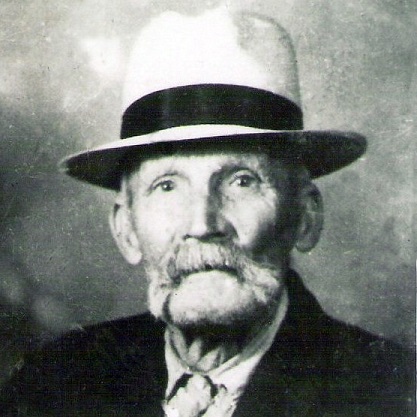
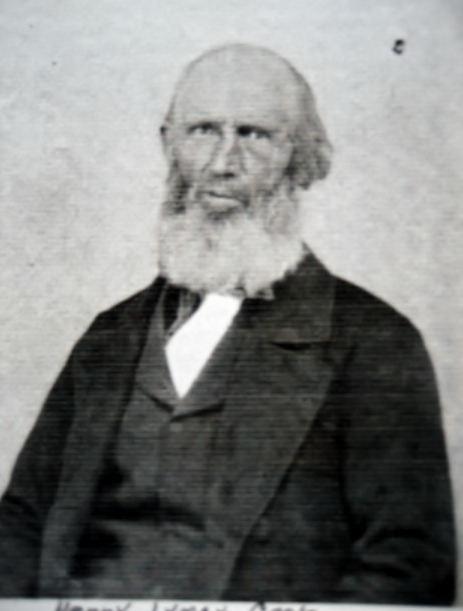
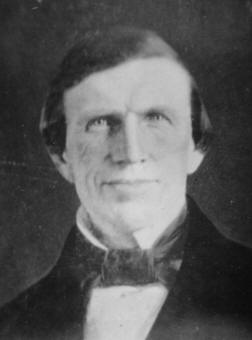
A bunch of polygamists: John A. Nelson, Henry L. Cook, William Burgess Jr., Preston Thomas.

It probably comes as no surprise that the women in my family tree have had fewer multiple marriages than the men. I can find few examples of women who married more than twice. One of the exceptions is my great x4 grandmother, Louisa Thomas, who married three times. Her first husband, Lazarus Beakley, died a year or two after they married, when Louisa was around 24 or 25 years old. Louisa’s second husband, my great x4 grandfather Conrad Liggett, died 18 months after they married, when Louisa was 26. Louisa married again at age 29, to Aaron Cook. Unfortunately, that was another short-lived marriage, as Louisa died when she was 35.

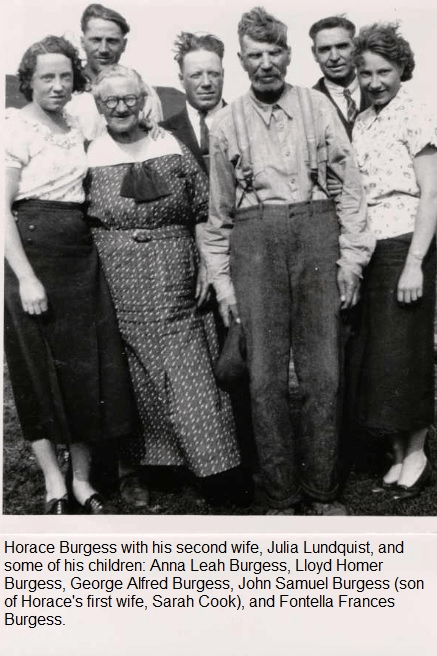
Of course, with marriage there are often children. Of course, the person with the most children in my tree is a father. My great great grandfather, Horace Burgess, had nineteen children. He had nine children with his first wife, my great great grandmother Sarah Cook. Their eight child and youngest son was Milton Leo Burgess, my great grandfather. After Sarah died, Horace remarried, to Julia Josephine Lundquist, with whom he had ten children.

The woman in my family tree who appears to have had the most children is Horace’s paternal grandmother, Violate Stockwell. Violate and my great x 4 grandfather, William Burgess Sr., had 12 children, including my great x 3 grandfather William Jr, who had 12 children with three different wives.

Delving far from what I’ve established through the genealogical proof standard, the earliest occurrence of a surname in my direct lineage is de Fleg, which dates back to the 10th century, through my 9x great grandfather Thomas Flegg. My connection to Thomas is through Henry Lyman Cook. While I have done a pretty good job at demonstrating my connection to Henry, I have not really done much work on his ancestry beyond the basics.

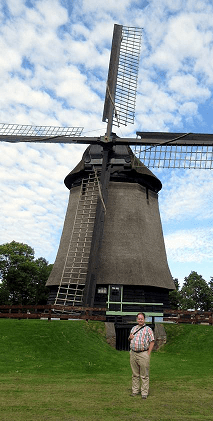
Here’s a low: standing a meter below sea level in Waarland, Netherlands

I realize that in this examination of superlatives, I have only considered the highs. Of course, considering the people in my tree who are at the opposite end of most of the categories I have discussed are in the multiples. The one category that might lend itself to reasonable consideration of the low end is the surname that might be the opposite end of earliest occurrence. In other words, the surnames I have traced the least far back in time. I’ve identified all 32 of my great x3 grandparents. It is the next generation where I face my first brick walls. I am missing nine of my 64 great x4 grandparents, all on my maternal grandmother’s side of the family. They are all Germans from Russia, who are particularly difficult to research. These lines trace back to settlements in what is now Ukraine, when it was part of the Russian Empire.

Genealogy: all the highs and lows are fascinating!