52W Mark II – Week 38: Adversity

In which my grandparents unwittingly recreate the Four Yorkshiremen sketch

My paternal grandparents were 16 and 17 years old when the Nazis invaded the Netherlands in 1940. The occupation was a difficult one. My grandfather and his brothers were all rounded up to work as forced labourers in Germany; somehow my grandfather escaped. Only a few weeks ago I found records about one of my great uncle’s time as a forced labourer through the Arolsen Archives – International Center on Nazi Persecution. I was surprised to find that discovery, only because I was expecting to find records about one of the other brothers.

Needless to say, my grandparents rarely spoke about the war in my presence. In particular, the two times I ever heard my grandmother speak about it were astonishing because it was so rare it was for her to do so. My grandfather must have spoken about it more often, because I have heard several stories about the hardships he endured and the close scrapes he had with the Nazi occupiers. My father also tells the tale of when he was a boy, after his family had immigrated to Canada, about walking in a farm field with my grandfather. While they were walking, a small airplane flew overhead. My grandfather instinctively dove to the ground for cover. The war would have been over for at least ten years at the time, but clearly it had left its scars.

While the war was generally a proscribed topic, much to my amazement it came up during a visit I had with them in the late 90s, shortly before my grandmother passed away. I can’t remember how the topic came up, but I remember being absolutely gobsmacked that it did. It was particularly stunning that my grandmother participated in the discussion. Even more amazing was that the topic of conversation was the Hongerwinter (“Hunger Winter”), a famine the Nazis imposed on the Netherlands during the last winter of the war. However, what started off as a very somber recollection of their experience quickly spiraled into the famous Monty Python sketch.

The Allied strategy in the Netherlands was to get to Germany as quickly and directly as possible. This meant bypassing large parts of the northwest part of the country, including Amsterdam and the province of Noord-Holland. The Germans retained control of those areas until they surrendered on May 5, 1945. Over the winter of 1944-1945, which was particularly harsh, the Nazis deliberately blockaded the food and fuel supplies into the occupied portions of the Netherlands, resulting in the Hongerwinter. Malnutrition was rampant and about 22,000 people died of starvation.

My grandparents both lived in the central part of Noord-Holland and experienced full effects of the Hongerwinter. The famine occurred before they were married, so they experienced the hardship with their families.

When the topic came up, my grandparents began discussing how hard that winter had been and how they had each suffered. What caused the discussion to go sideways was when my grandmother said to my grandfather, “At least you lived on a farm!”

My grandfather countered by acknowledging the fact, but adding that my grandmother’s family was much better off economically. My grandmother reciprocated by pointing out some other advantage she believed my grandfather had that she did not. I am certain that my grandfather added that his mother was raising the family on her own, as his father had passed away in 1932.

They then began countering with what foodstuffs the other had access to, which they themselves did not. Finally, one of them said, “all we had to eat was the white beans!”, to which the other responded in a somewhat overdramatic voice, “oh, if only we had the white beans!”

I am certain that the competition to outdo the other’s hardship was black humor that served to ameliorate the trauma they had both experienced, even though it had been fifty years in the past.

I feel nothing but love and empathy for my grandparents when I think back on this. To this day, whenever I am in a Dutch store (my favourites are the Holland Shopping Centre in New Westminster and Coombs Wooden Shoe on Vancouver Island), I always make a point of buying a jar of white beans in their honour.
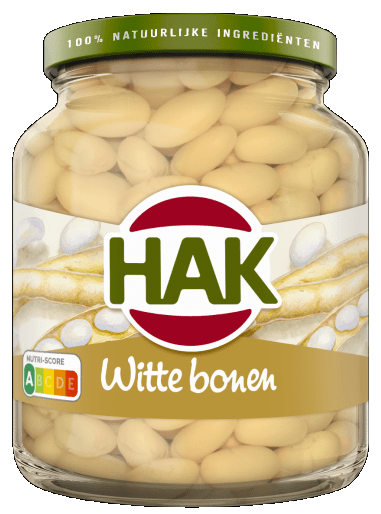
White Beans

52W Mark II – Week 27: The Great Outdoors

Whenever I pointed out to my father how my younger siblings always got things that I was never allowed to have, he’d say, “at least I took you fishing!”

That answer sufficed for the seconds it took me to remember… “Dad, they hated fishing!”

Some of my earliest memories are going fishing with my father. We also did a fair amount of camping, but far less frequently. Fishing was our favourite outdoor activity. Growing up, we lived all over western Canada, so we’ve fished in all sorts of lakes and rivers, as well as the ocean. During trips to Alberta to see our grandparents, we’d often go fishing with my maternal grandfather as well.

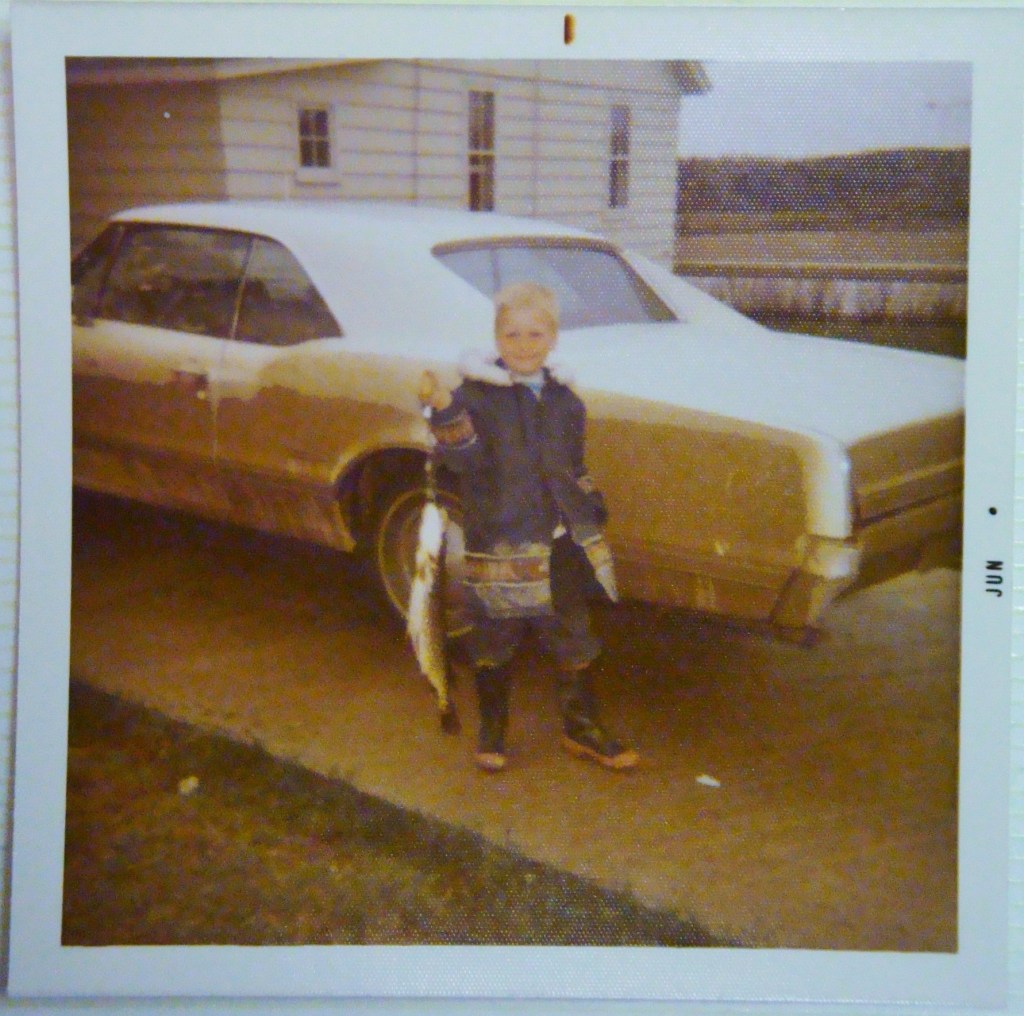
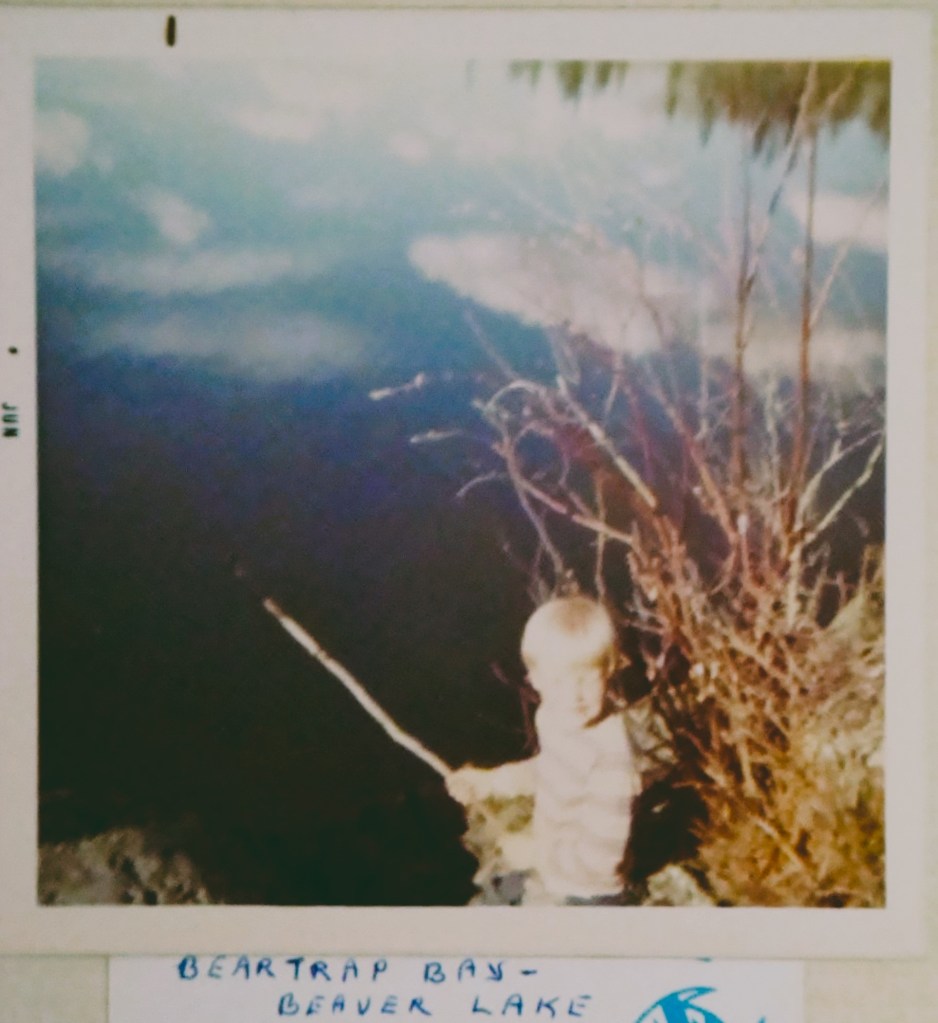
I was four and a half. We were living in Creighton, Saskatchewan at the time. We must have been on a road trip to my parents’ friends, who lived in southern Manitoba.

While we have angled for all types of fish, my favourite catch was always pickerel, which is what walleyes are called in western Canada. We also caught a lot of jackfish, which is another name for northern pike.

A month later, closer to my fifth birthday. In our driveway in Creighton.

One of the greatest controversies in my family involved pickerel. When we lived in North Battleford, Saskatchewan, one of our favourite fishing destinations was where the Battle River meets the North Saskatchewan River. In late summer, water levels were so low that a large sandbar developed, forming a sort of island. Water levels often were low enough that you could wade to the “island”, which took you to a particularly good spot where the pickerel seemed to gather.

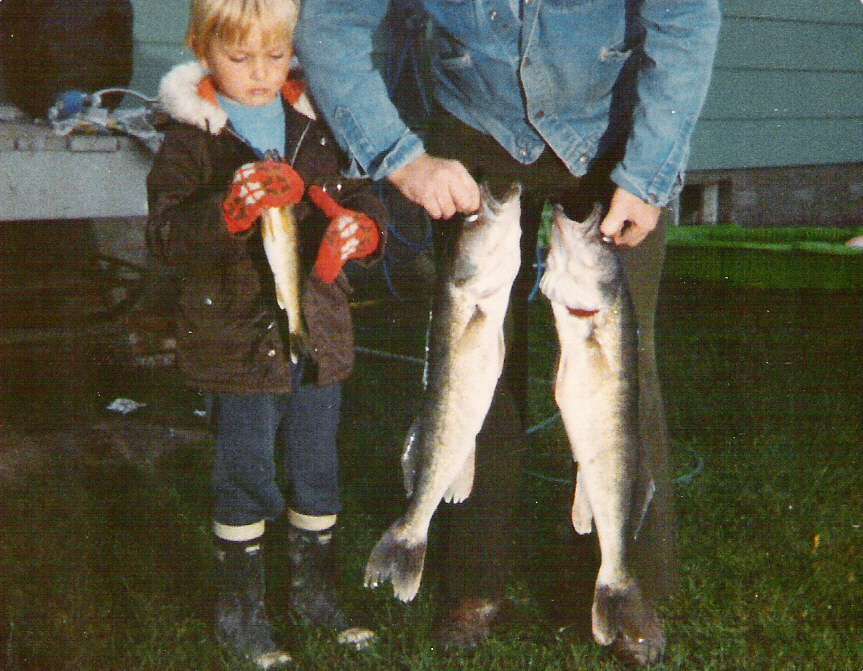
During one of those late-summer fishing expeditions, my brother caught two particularly large pickerel. However, he was about four years old at the time, and not strong enough to reel them in – one of the great things about pickerel is the fight they put up despite their size – so my father had to help them.

My brother and father with the controversial pickerel – along with one my brother was able to reel in himself.

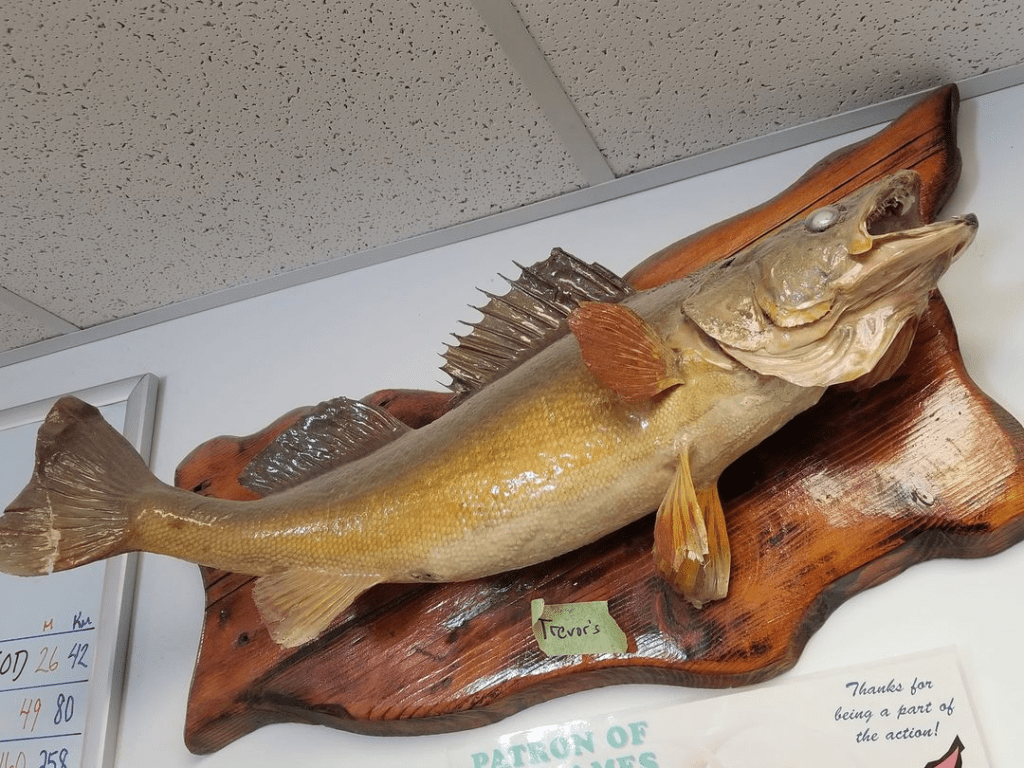
Pickerel are not a large fish by nature, so the eight-pounders my brother caught were pretty impressive. So much so that my father decided to have them mounted. However, in the decades that followed, they both claim that they caught the fish and have tried to take sole credit. In recent years, they’ve reached a compromise, and both recognize each other’s role in the achievement.

One of the two infamous controversial pickerel.

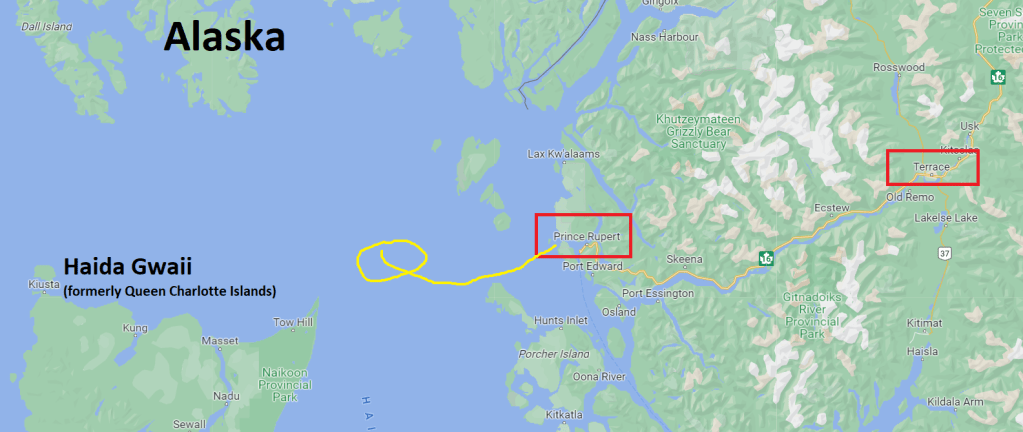
I also much prefer freshwater fishing to saltwater. However, one of my most memorable fishing trips was when I was in high school. At the time, we were living in Terrace, British Columbia. My father had a friend in Prince Rupert who had a fishing boat, who invited my father, me, and one of my brothers (he of pickerel fame) out one weekend. (My youngest brother was an infant at the time, so he wasn’t invited.) I’m sure my sisters were welcome to join us, but they had no interest.

Quickly after we started, not far offshore, we dropped some crap traps, and then set out for open water. Our goal was halibut, and we were quite successful. One of the best parts of the trip was that, at various times, we were able to see the coast of Haida Gwaii and Alaska. The most amazing part was seeing porpoises swimming along side us during part of the voyage. I’m sure my brother’s most significant memory of the trip was being nauseous.

A rough approximation of our fishing trip. The red box on the coast is Prince Rupert, the one inland is Terrace, where we were living at the time.

52W Mark II – Week 17: DNA

For this week’s 52 Ancestors Challenge theme, we were simply provided three letters, DNA. That could stand for anything!

Of course, the idea is probably to write about genetic genealogy. Thankfully, we are not beholden to what the weekly theme should be. Suffice to say, if we were, this would be an incredibly short post. I have precious little to say about deoxyribonucleic acid; I have far more I can say about the Dutch National Archives.

Of course, the institution is not called the Dutch National Archives. In Dutch, the institution is simply “Nationaal Archief“. You don’t need to be a polyglot to figure out that’s “National Archive”.

If you do Dutch genealogy, you’re not getting information from churches, courthouses, or libraries. The archives are where you want to be. The Netherlands adopted a system of civil registration in 1811. At that time, it had all the churches turn over their baptism, marriage, and burial records. Since then, births, marriages, and deaths have been recorded at the municipal level. After a period of time, these records are turned over to the civil or provincial archives. As well, other governmental institutions, as well as the courts, are required to turn their records over to the archives after a requisite period of time.

The Dutch archives are amazingly accessible over the internet. A lot of resources have been put into digitizing archival holdings and putting them online. Many of the provincial and municipal archives provide this material through their own websites, many of which have an English interface. However, they all contribute to a central online source, WieWasWie, which has both a Dutch and English interface. There’s also OpenArchives. It’s a portal and aggregator, that uses openly available information, although it is privately backed.

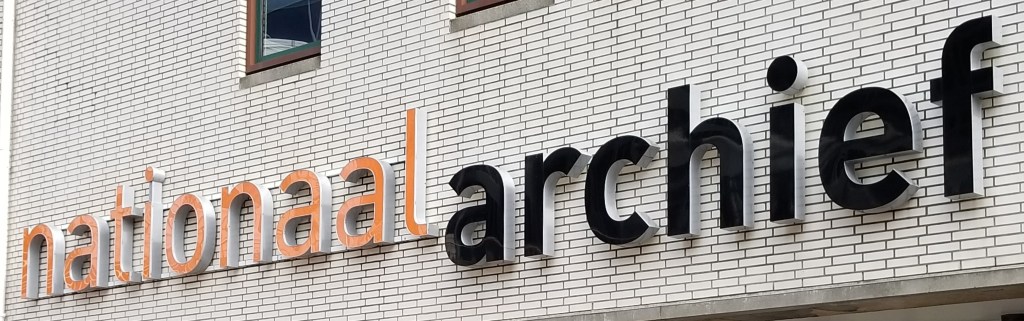
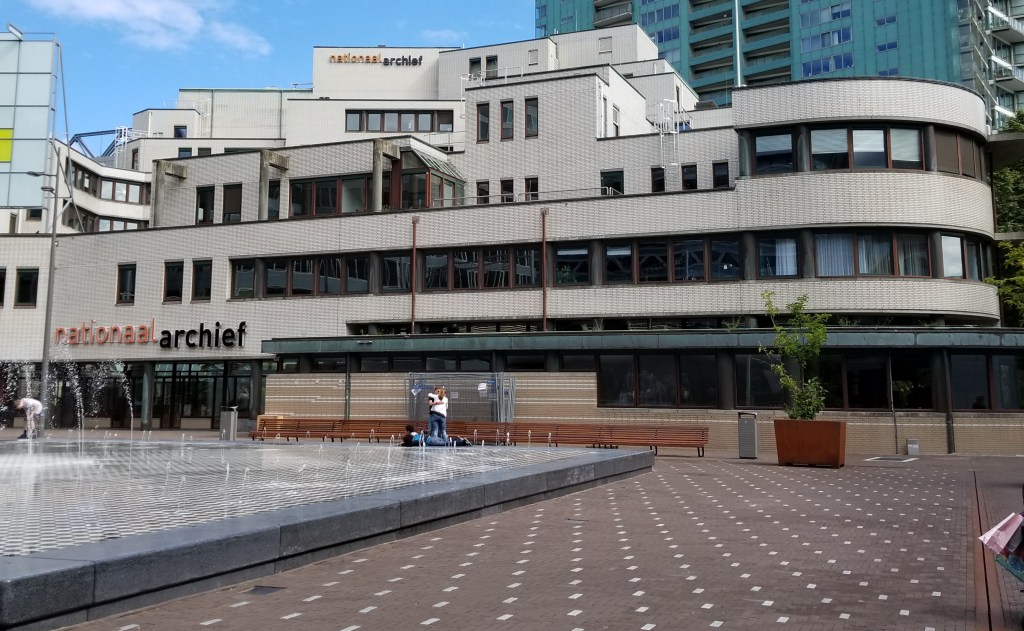
The Nationaal Archief, located in Anna van Buerenplein (Anna van Bueren Square) The Hague.

While so much is available over the internet, the old adage “not everything is online” still applies. Of course, with an entire ocean and and a whole continent separating me from the Netherlands, I don’t have the opportunity to visit in person. Thus, I’ve been to the Nationaal Archief exactly once, but as part of an unplanned visit shortly before closing just to get a lay of the land.

My last trip to the Netherlands was spurred by the fact my parents were taking a cruise out of Amsterdam. They went early to spend time with family. I’ve always wanted to visit the Netherlands with my father, so I took advantage of the opportunity.

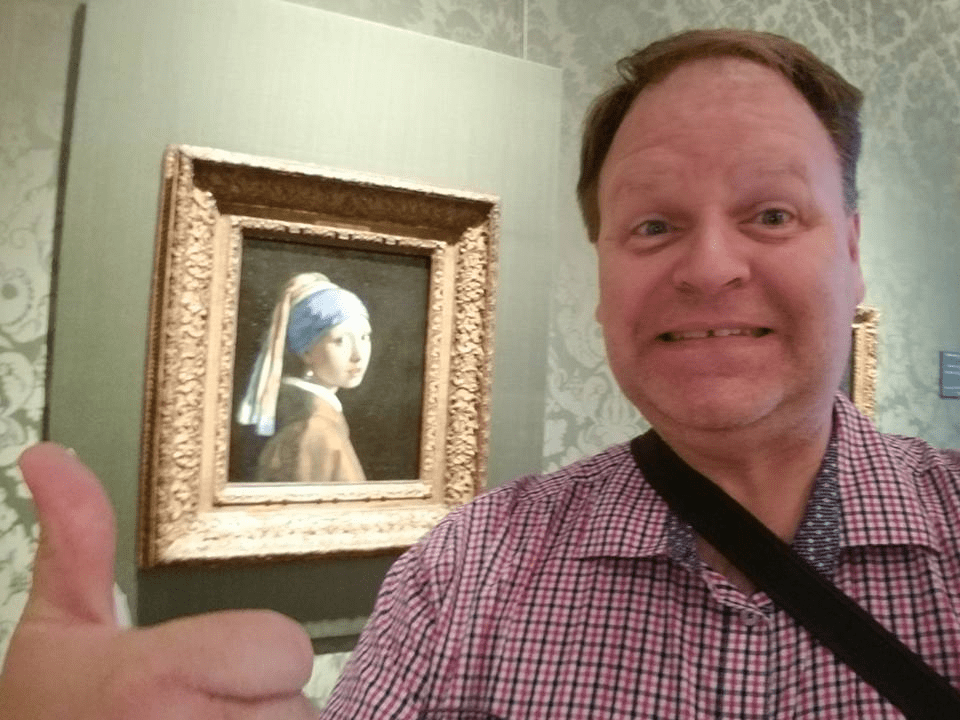
After they left for their cruise, I had a couple days on my own. I decided that I wanted to go to The Hague, to do exactly two things. First and foremost, I had to see my favourite painting by my favourite artist: Girl With a Pear Earring by Johannes Vermeer. It’s part of the holdings of Mauritshuis, a museum adjacent to the Dutch parliament buildings in The Hague. The second was to visit a small polder in Leidschendam, on the outskirts of The Hague, which is either the source of my surname, or was named after my family.

One of two reasons I went to The Hague.

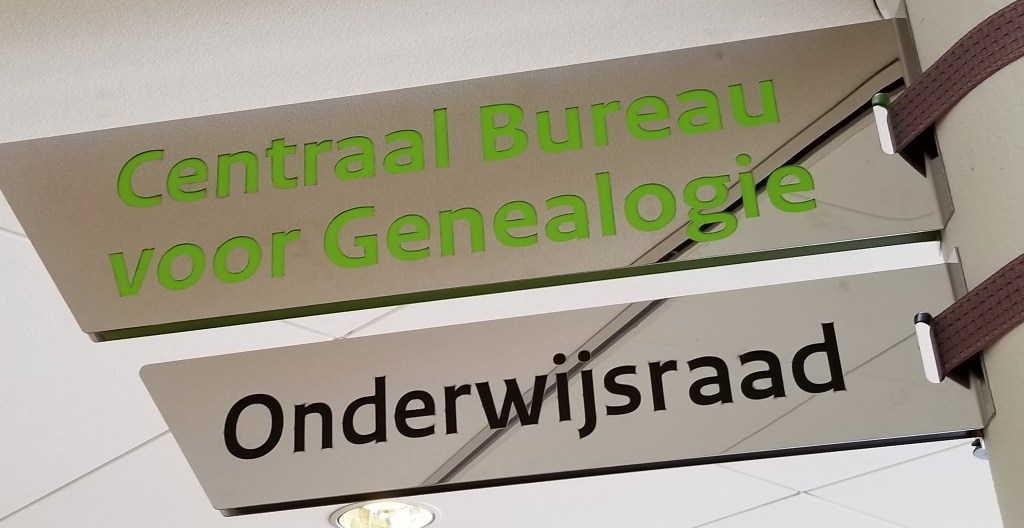
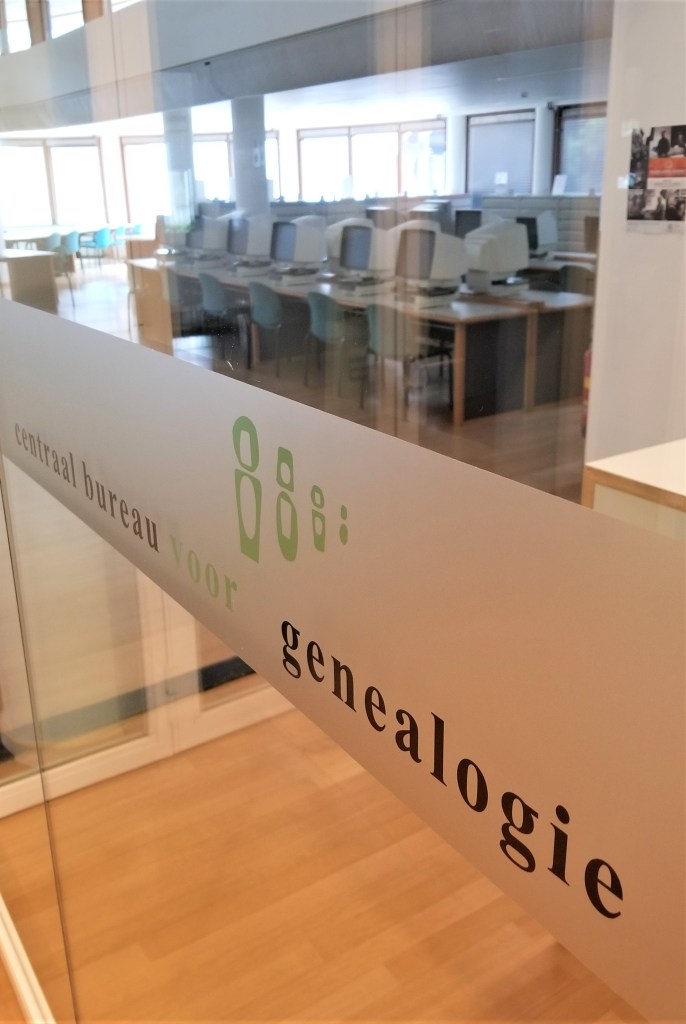
Given the limited time and my singular goal, I did not make any plans to visit the Nationaal Archief. If I was going to spend any time during my trip in an archive, that would probably not be the one. The records I really need are to be found in the Noord-Hollands Archief in Haarlem (provincial) or Alkmaar Archief (regional). However, the Nationaal Archief also houses the archives for the province of Zuid-Holland, so a visit there would not be fruitless. Furthermore, the Centraal Bureau voor Genealogie (since renamed CBG Centrum voor Familiegeschiedenis – Centre for Family History) is located within the same building as the Nationaal Archief.

However, if I had done even a minimal amount of research, I would have discovered that the Nationaal Archief is located immediately beside The Hague’s main central train station. My hotel was a five minute walk away.

On my last day in The Hague, I found myself walking by the Nationaal Archief, and noticed it was still open. I couldn’t resist popping in, if only to take a peek. The place was spacious and pleasant. There was an archivist on duty who was very welcoming. When I explained that I wasn’t there to do any actual research and that I only wanted to take a look, she gave me a bit of a tour.

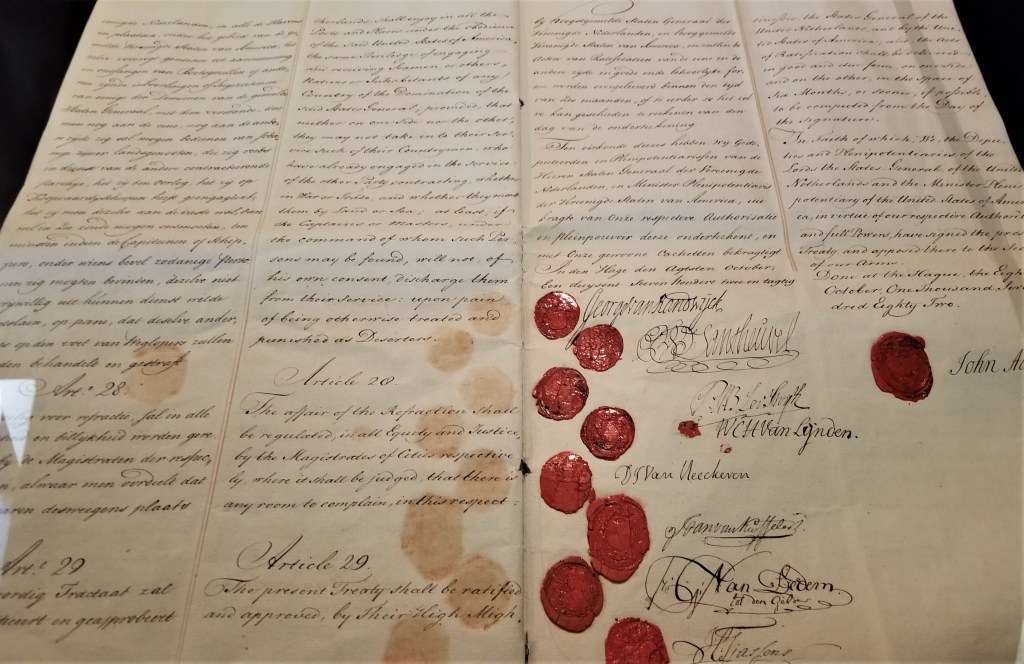
Among the items the archivist showed me was an original of the Treaty of Friendship and Commerce between the States General of the United Netherlands and the United States of America. The Netherlands was the second country in the world, after France, to formally recognize the independent United States. This treaty formed the foundation of their formal diplomatic relations.

At the time this treaty was signed, the Netherlands was not a unitary state; rather, it was more of a confederation of largely autonomous states. Thus, there are eight Dutch signatories. The single American signatory was John Adams, who later became the second President of the United States.

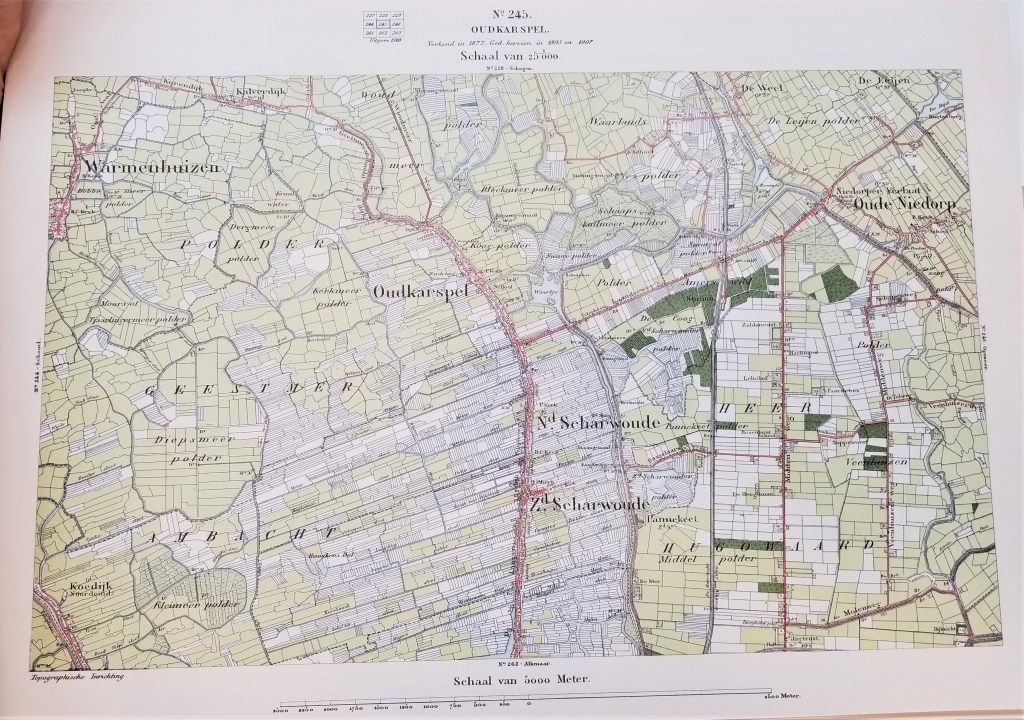
I also saw this map of central Noord Holland, which shows many of the towns and villages where many of my ancestors lived. It is also where many of my closest Dutch relatives live. At the top, near the middle, is Waarland, where my father was born.

If I should ever return to The Hague with lots of time for myself, I definitely need to plan a return trip to the Nationaal Archief.

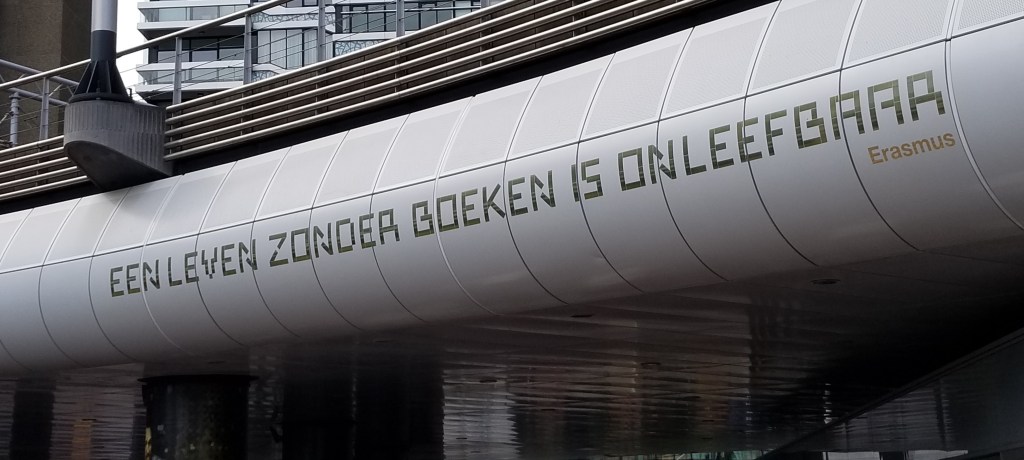
The Nationaal Archief is directly across from the University of Leiden’s campus in The Hague. “Een leven zonder boeken is onleefbaar” – “A life without books is unlivable”

52W Mark II – Week 15: Solitude

I have really struggled with this week’s 52 Ancestors Challenge theme, “Solitude”. Everything that came to mind was something I wrote about in last year’s challenge, and didn’t need repeating for a second, third, or even fourth time. I also could not think of a creative way to bend the theme to suit some other purpose.

However, two days ago, well after this week’s theme was posted, we had a death in our extended family. Tomorrow is the funeral. It will be at a cemetery I used to pass often, when I lived in a different part of the city. Planning my route for tomorrow, the solitude of the location of the cemetery came to mind. It also reminded me of the quiet solitude of most cemeteries I’ve been to, whether in a remote rural location or in the middle of a bustling urban centre.

Solitude is often characterized by descriptions of melancholy, sadness, misery, and unhappiness. I don’t think that’s accurate. To me, that’s loneliness, the opposite of solitude. Solitude is more a description of the contentment or joy one can experience with being in a quiet place or on your own. It’s descriptive of what we wish for our deceased loved ones when we say, “rest in peace”.

So, to our late family member, rest in peace. May your memory be a blessing.

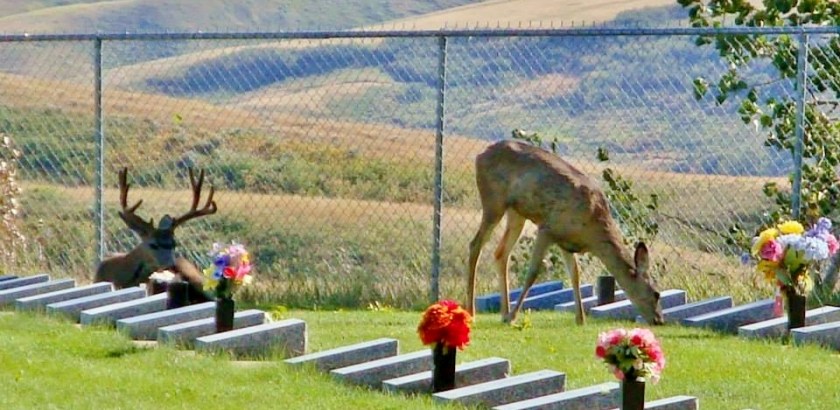
A couple of visitors enjoyng the quiet solitude of Mountain View Cemetery in Lethbridge, Alberta.