52 Weeks – Week 37: High and Low

Highs and lows bring to mind the Guinness Book of World Records. So for this week’s 52 Ancestors Challenge, I thought I’d consider some of the superlatives in my family tree. Bear in mind that this is for entertainment purposes only, because some of these superlatives have not been sufficiently researched or verified such that they can be taken as fact.
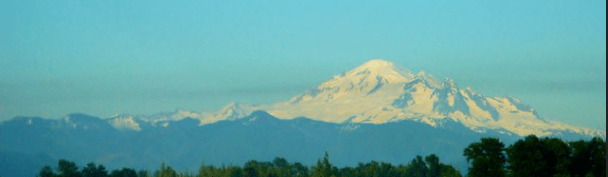
Here’s a high: Mount Baker, Washington

I cannot verify with certainty the longevity of the few centenarians in my database. According to my database, my longest-lived ancestor died at age 110. I don’t believe that for a second, so I won’t even name them. The person for whom I have at least a scintilla of information regarding their longevity is Joseph Metz, my first cousin three times removed. According to his headstone, as seen on Find a Grave, Joseph lived to be about 102 or 103. The longest-lived person in my database with the most reliable information regarding their lifespan is my fourth cousin three times removed, Fern Renner. She was better known to the world as Fern Welk, as she was married to the well-known band leader, Lawrence Welk.

My relative who was the oldest on their wedding day was my great great great uncle, Samuel Nelson, who married for the fourth time when he was 77. The bride, Cecilie Anderson, was 62. Samuel lived to be 93, making him one of my longer lived relatives.
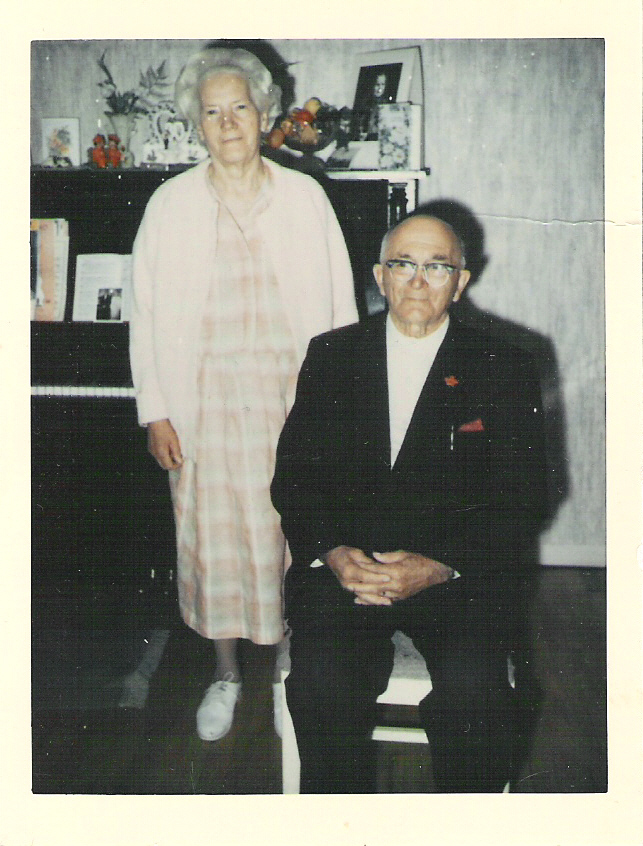
The newlyweds, Hazel Nelson and Albert Beaves, about July 5, 1967.

My great grandmother, Hazel Nelson, married for a second time at age 67, not quite two months before she passed away. Her husband, Albert Beaves, was also a widower marrying for the second time. Albert was 85 years old at the time. He lived another nine years after Hazel’s death. Albert died when he was 94.

While Samuel Nelson had been married four times, the record for most marriages is my 7x great uncle, Archelaus Kenney, who apparently married five times. Not even any of the Mormon polygamists in my tree married that many times. However, I have not verified any of Archelaus’s marriages.

Otherwise, Samuel’s record was tied by his younger brother, my great great grandfather, John Alexander Nelson. However, while it appears that Samuel had been widowed each time he remarried, John was a polygamist. Another ancestor, my great x3 grandfather, Henry Lyman Cook, was also a polygamist who married four times. Other polygamist ancestors, including my great x3 grandfathers William Burgess, Jr. and Preston Thomas, only married three times.
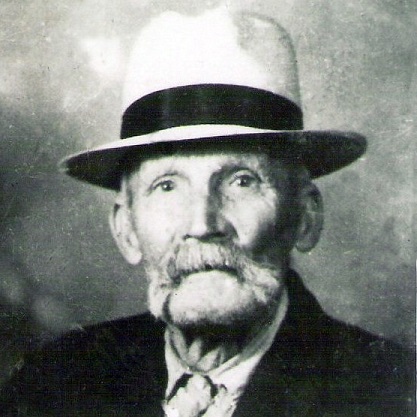
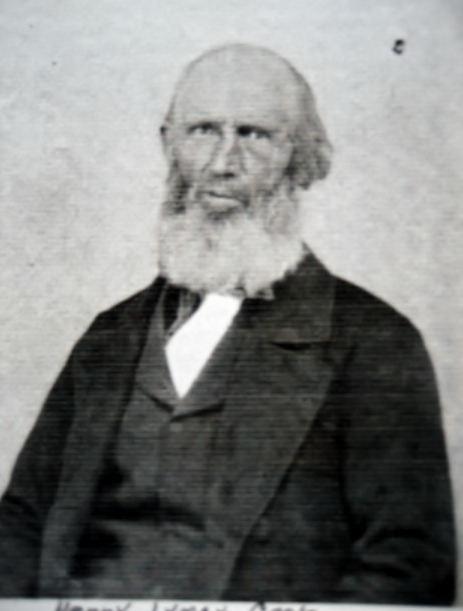
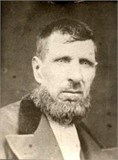
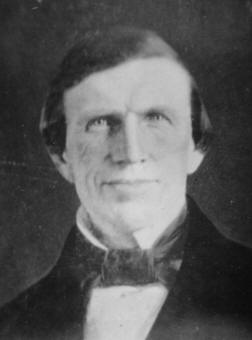
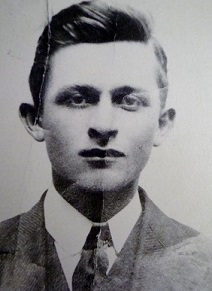
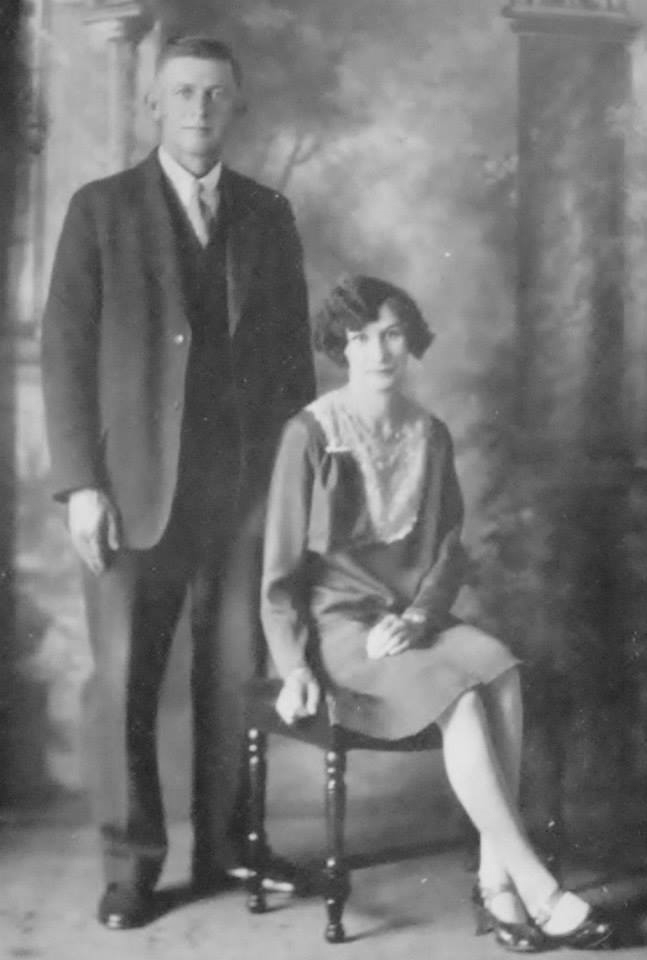
A bunch of polygamists: John A. Nelson, Henry L. Cook, William Burgess Jr., Preston Thomas.

It probably comes as no surprise that the women in my family tree have had fewer multiple marriages than the men. I can find few examples of women who married more than twice. One of the exceptions is my great x4 grandmother, Louisa Thomas, who married three times. Her first husband, Lazarus Beakley, died a year or two after they married, when Louisa was around 24 or 25 years old. Louisa’s second husband, my great x4 grandfather Conrad Liggett, died 18 months after they married, when Louisa was 26. Louisa married again at age 29, to Aaron Cook. Unfortunately, that was another short-lived marriage, as Louisa died when she was 35.

Of course, with marriage there are often children. Of course, the person with the most children in my tree is a father. My great great grandfather, Horace Burgess, had nineteen children. He had nine children with his first wife, my great great grandmother Sarah Cook. Their eight child and youngest son was Milton Leo Burgess, my great grandfather. After Sarah died, Horace remarried, to Julia Josephine Lundquist, with whom he had ten children.
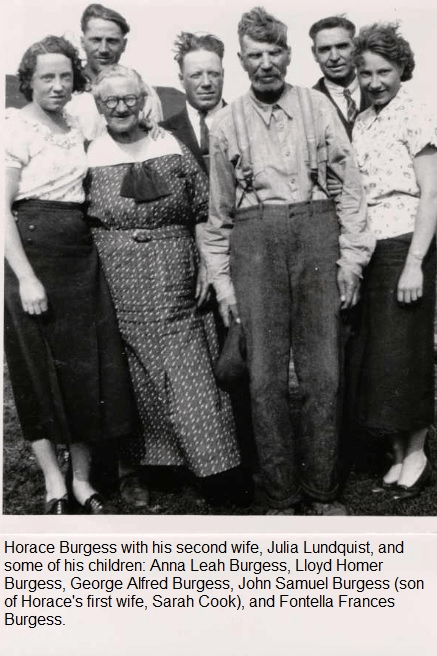
The woman in my family tree who appears to have had the most children is Horace’s paternal grandmother, Violate Stockwell. Violate and my great x 4 grandfather, William Burgess Sr., had 12 children, including my great x 3 grandfather William Jr, who had 12 children with three different wives.

Delving far from what I’ve established through the genealogical proof standard, the earliest occurrence of a surname in my direct lineage is de Fleg, which dates back to the 10th century, through my 9x great grandfather Thomas Flegg. My connection to Thomas is through Henry Lyman Cook. While I have done a pretty good job at demonstrating my connection to Henry, I have not really done much work on his ancestry beyond the basics.
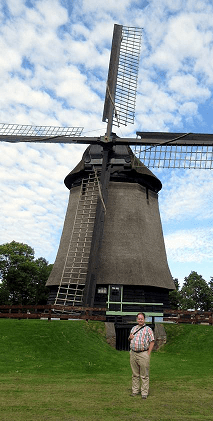
Here’s a low: standing a meter below sea level in Waarland, Netherlands

I realize that in this examination of superlatives, I have only considered the highs. Of course, considering the people in my tree who are at the opposite end of most of the categories I have discussed are in the multiples. The one category that might lend itself to reasonable consideration of the low end is the surname that might be the opposite end of earliest occurrence. In other words, the surnames I have traced the least far back in time. I’ve identified all 32 of my great x3 grandparents. It is the next generation where I face my first brick walls. I am missing nine of my 64 great x4 grandparents, all on my maternal grandmother’s side of the family. They are all Germans from Russia, who are particularly difficult to research. These lines trace back to settlements in what is now Ukraine, when it was part of the Russian Empire.

Genealogy: all the highs and lows are fascinating!
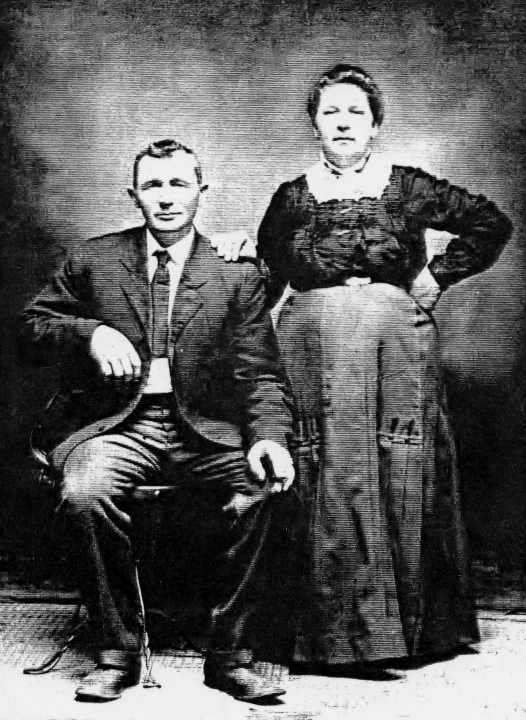
52 Weeks – Week 25: Broken Branch

For this week’s 52 Ancestors Challenge, Amy Johnson Crow wrote “Are you researching a branch that it feels like there is nobody else in the world who is researching them? What about a collateral line that seems to have gotten lost?”

Turns out that line was mine!

Through sheer chance, through a random encounter with a farmer in the middle of nowhere, I discovered that my great grandfather, Heronimus (“Jerome”) Lerner and his descendants had “gotten lost”. I thought I was looking for them, it turns out they were actually looking for me!

Jerome Lerner was born in Henrietta, Clay County, Texas on March 12, 1895. His parents, Michael Lerner and Barbara Schmidt, were Germans from Russia. They lived in one of the many German colonies in Imperial Russia, in what is now part of Ukraine. These colonies usually bore the names of the places in Germany the original settlers had come from. After Michael and Barbara married, they lived in the village of Rastadt, where their first six children were born. In 1893, the family emigrated to the United States and settled in Henrietta, Clay County, Texas. Jerome was the first of eight children Michael and Barbara had after coming to America.

During the mid-1910s, members of the family began moving between Texas and Saskatchewan. Jerome was one of the first. Ultimately, Jerome, his parents, and at least four of his siblings ended up permanently moving to Canada and settled in the area of Fox Valley, Saskatchewan.

Jerome married my great grandmother, Emelia Anton, in 1920. They separated sometime around 1937. As far as I can tell, they never formally divorced. I thought that being Catholic, they might have simply separated without divorcing. However, my great aunt Adeline (their third child) told me that it was more due to the difficulty in obtaining a divorce at the time. Prior to 1968, divorces in Canada were granted through a private act of Parliament, through a difficult and expensive process.

Jerome and Emelia, likely sometime around 1931.

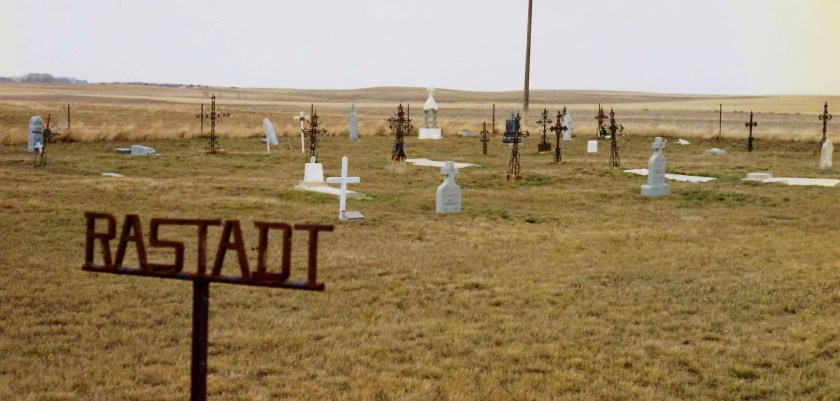
I’d known my great grandmother since I was born. We visited her almost every time we went to my parents’ hometown. As she lived until I was thirty, she was the great grandparent I knew best. I’ve written quite a lot about my Anton ancestors in this blog. They were also Germans from Russia. They came to Canada in 1912 and settled in Rastadt, Saskatchewan. All that is left of Rastadt is the schoolhouse and the cemetery.

Rastadt, Saskatchewan Cemetery, April 1, 1997. 

While I knew Emelia, I never met Jerome. He died in 1954. My mother never even met him. From what I know, Jerome may have had some mental health problems from sometime around the time he and Emelia separated. As well, from what my mother has told me, the Lerner side of the family was none too pleased with Emelia after she and Jerome separated.

After the separation, Emelia moved to Alberta. I doubt she had much contact with her former Lerner relatives, although it sounds like my grandmother and her siblings might have. Nevertheless, it is easy to see how the Lerner branch of the family might have lost track of Emelia and Jerome’s family. As well, while I know my grandmother, her siblings, and my mother all seem to have been in close contact with their Anton relatives, the fact that branch of the family relocated may have made for a much looser connection. So it seems that Jerome and Emelia’s branch of the family became lost, or lost-ish, to both the Lerners and the Antons.

How were we “rediscovered”?

First, the Antons. In the mid-90s, I made contact online with a Paul Antone of Washington state. It was the early days of online genealogy, so we probably met on a message board or something similar. I wasn’t even using Netscape yet! Paul’s father was one of Emelia’s first cousins. I don’t know if they knew each other. Paul and I sporadically exchanged emails. Through him, I learned of Gordon Anton, a nephew of Emelia’s. At the time, he was compiling a history of the Antons. I don’t know if Gordon ever met Emelia, but it was apparent he didn’t know much about her branch of the family. Apparently he had been in contact with one of Emelia’s sons, my great uncle Herb, but he never got much information through that contact. Gordon ultimately published a history of the Antons, but it was pretty sparse when it came to Emelia and her descendants. Gordon was hoping to publish a second edition, but it never came to be.

Nowadays, finding a lost branch online – even if you are the missing branch being found – is hardly unique or exciting. In comparison, the rediscovery by the Lerner side was largely a matter of coincidence, even though it was because I had been in the right place at the right time. Even today, it would be an unusual occurrence.

In 1997, I left a long-term job and was taking a few months off before embarking on a short-term gig and a return to university. One of the things I did during that time off was visit my parents, who had returned to living in southern Alberta. I had not been to Fox Valley since I was a child, so I suggested to my mother that we go there for a daytrip.

Upon arrival in Fox Valley, we stopped at the village hall where we gathered a wealth of information. Among other things, I was able to discover the exact place where my grandmother was born. After visiting the Rastadt schoolhouse and cemetery, my mother and I made our way to the place where my grandmother was born.

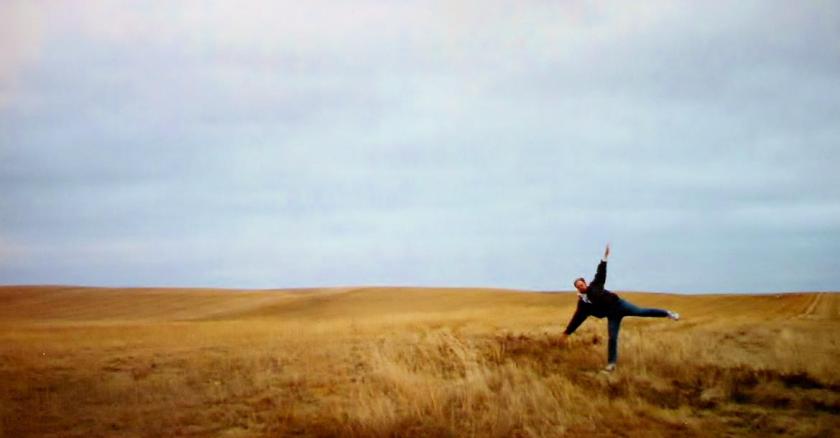
Beautiful downtown Rastadt, Saskatchewan. Actually, this is suburban Rastadt, but no one really is counting. If the middle of nowhere has a middle of nowhere, this is it. Where I am standing once stood the farmhouse where my maternal grandmother, Helen Lerner, was born.

I was not surprised at all to find nothing but a field of wheat. We snapped some photos of the site and decided it was time to head back to Alberta. We drove a bit down the narrow road to find a place to turn around. We soon found a farmhouse with a driveway that provided the opportunity to turn around. After I pulled in, the farmer who lived there saw me and came out, thinking anyone he didn’t know who was out there must be lost.

He seemed surprised that we actually meant to be in his part of the world. We got to talking. It turned out he was a cousin of my grandmother’s. He and his wife invited us in for coffee and they showed us all sorts of interesting family photos and mementos. Talk about serendipity! He even told me the farmhouse my grandmother was born in still existed – a farmer had bought the building and moved it to his land.

Even more fortuitous, he told me that a family history was being put together of the Boechler family. Jerome’s maternal grandmother was a Boechler. The farmer gave me the contact information for the author. My timing was another stroke of luck. I made the call not long afterward and learned that the book was being finalized and would be going to press in a matter of days. It also turned out that Jerome and Emelia’s branch of the family was a huge mystery to the authors. I was able to supply most of the information about Jerome and Emelia’s branch in time for publication.

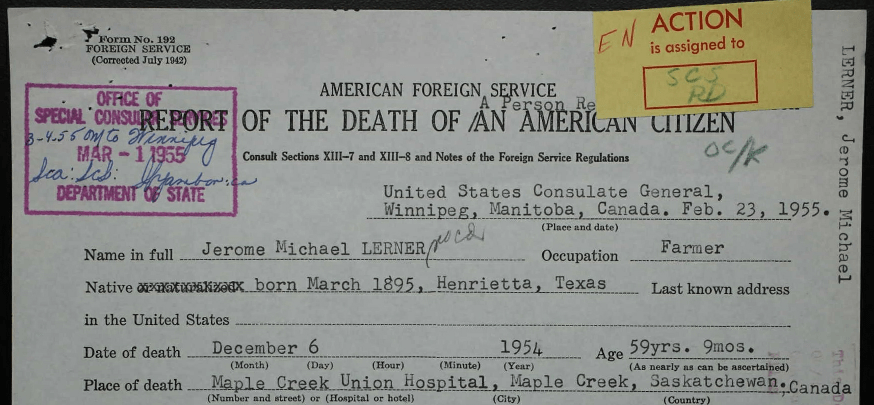
Not only was Jerome’s branch lost to the family, he seems to have been lost by both the United States and Canada. Upon learning of Jerome’s death, the US consulate in Winnipeg submitted a “Report of the Death of An American Citizen” to the American Foreign Service. The Foreign Service stated that it did not have any evidence that Jerome had American citizenship beyond the statement in the registration of death issued by the province of Saskatchewan. This, despite the fact the United States issued Jerome a passport when he first left for Saskatchewan in 1916. Meanwhile, there is no indication that Jerome was ever naturalized as a Canadian (or, at the time, as a British subject in Canada) or that he had renounced his American citizenship (which he was, as evidenced by his US passport).

52 Weeks – Week 19: Food and Drink

This week’s topic for the 52 Ancestors Challenge is “Food and Drink”. Finally, a topic I can really sink my teeth into!

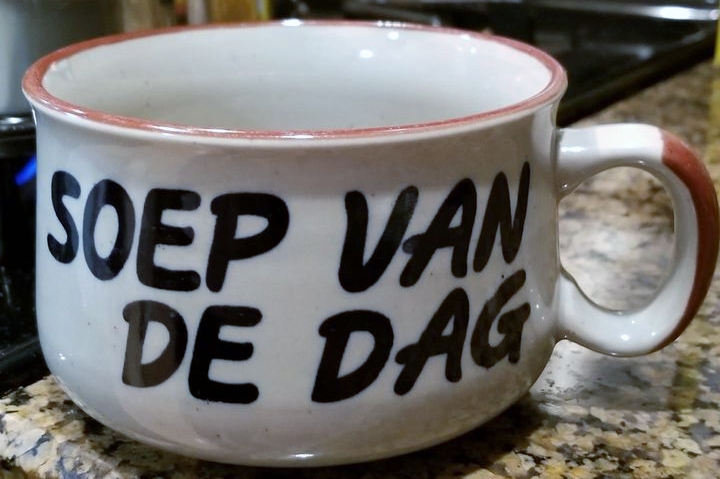
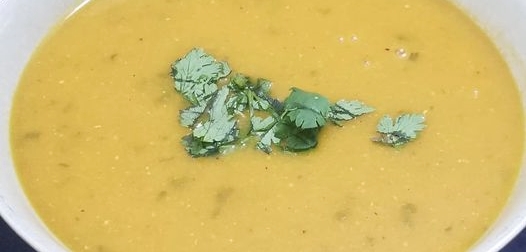
Soup of the Day

Last year on The Great Canadian Baking Show (a direct adaptation of The Great British Bake Off), one of the contestants said she was using her great grandmother’s recipes. There are things my grandmothers made that I have been trying to recreate or emulate for years, but nothing from any of my great grandmothers. I also realized that if I had recipes from my great grandmothers, my kids would have recipes from their great great grandmothers. I love to cook, both my kids really like being in the kitchen with me, and my eldest shares my love of genealogy, so it would be special to have those kinds of recipes.

I asked my mother if she has any of her grandmothers’ recipes, and asked the same of my mother-in-law. I now have a few of those recipes.

From my wife’s mother, I got a recipe for brown bread handed down from her grandmother. Among other things, it calls for two cups of rolled oats, nine cups of flour, and a cup of molasses. Despite that volume, it apparently yields only three loaves of bread. While I am rather good at baking, I don’t really enjoy it, so I haven’t yet tried out this recipe, especially with the volumes of ingredients it requires.

Something I have tried making, however, is cranberry sauce using a recipe from my wife’s great aunt. My wife is actually a very good cook, but doesn’t enjoy it as much as I do so she rarely does. However, she’s usually the one who will make this cranberry sauce. Besides, I don’t actually like cranberry sauce.

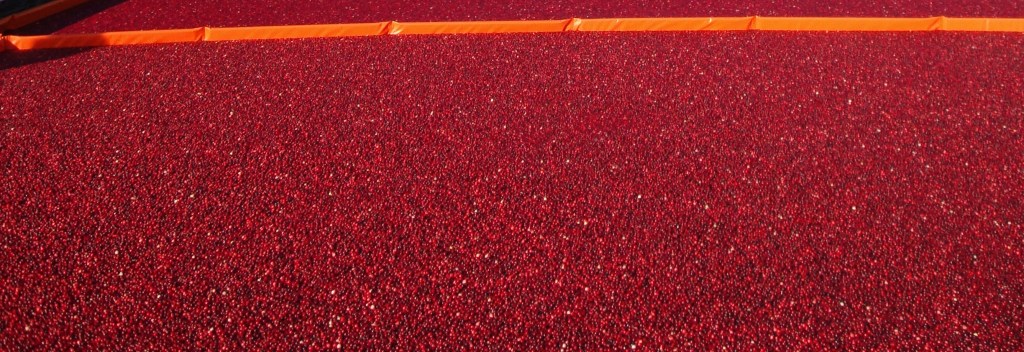
So many cranberries!

My mother said that her maternal grandmother was not really a good cook, except for one thing: raisin cookies. While I take my mother’s word for it, I find it hard to get excited over raisin cookies.

My maternal grandmother was an amazing cook and baker. She made her soup noodles from scratch and pickles from cukes my grandfather would grow. While my grandmother was born in Saskatchewan, both her parents were  Germans from Russia, so a lot of her cooking reflected that cultural heritage. My mother, also a very good cook, learned from her mother, so a few of our favourite meals as kids also reflected that background.

My grandmother also made her own preserves, jams, and jellies. Of those, one of my favourites was her chokecherry jelly. A year after she died, I moved away from home to attend university. While unpacking, I discovered that I had a jar of her chokecherry jelly in one of my boxes. Realizing that I had the last jar of her jelly in the entire world, I savoured and stretched it out as long as I could.

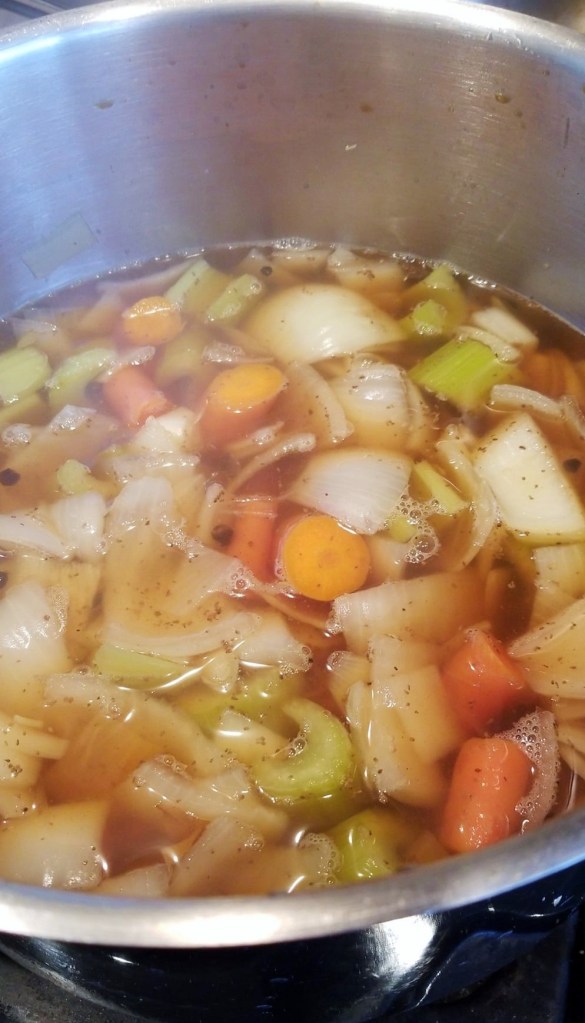
Making stock during my latest attempt to replicate my grandmother’s soup.

My dad’s mother was not as good a cook. Rather, her usual fare was either very, very good or…not so very good, to put it kindly. In fairness, a couple of things she seemed bad at was because she was cooking for my grandfather’s tastes. For example, he enjoyed meat beyond well done. However, my grandmother made amazing soup. I have spent years trying to recreate her groentensoep met balletjes (vegetable soup with meatballs). While it’s a common traditional Dutch soup, everyone has their own little twists on how they make it. I exchanged many emails with one of my aunts over the years as we tried to work out my grandmother’s special way of making it.

My grandmother made a lot of customary Dutch dishes. Some I really liked, others I found…less likeable. While it was usually greasy, I really liked her hachee, a beef and onion stew. However, I really disliked her stamppot, which she made more often than not. Stamppot usually consists of potatoes boiled and mashed with other vegetables. My grandmother typically made boerenkool stamppot – kale and potatoes. The way my grandmother made it, she’d boil the vegetables beyond recognition, then my dad would make me cover it in gravy and mix it together. I was sure I was being punished for something.

One day during a trip to Alberta to visit my parents, I found myself in my grandparents’ neighbourhood. I thought the time of day was right, because it meant that I was probably too early for supper. While I loved her soup, I didn’t want to run the risk of ever having to eat boerenkool stamppot again. Unfortunately, my grandparents were eating early that day and my grandmother had already started cooking and invited me to stay for dinner.

Much to my surprise and delight, in addition to her soup, I discovered that my grandmother was making nasi goreng, an Indonesian fried rice dish. As Indonesia was a former colonial possession, Indonesian food is very common in the Netherlands. It’s fantastic food, It makes up for the fact that some staples of Dutch cuisine seem to be things made on a dare – or named on a dare, like snert (a nickname for ertwensoep, traditional Dutch split pea soup, which is delicious).

I asked my grandmother if she was trying something new. She replied that she made it all the time. I did a mental double take and said that I had never seen her make Indonesian food before in my entire life. “Oh, that’s because your father doesn’t like it, so I never made it when your family came for dinner.” So all those years I had been choking down boerenkool stamppot we could have been enjoying nasi goreng! Needless to say, that evening I let my father know how unimpressed I was to make this discovery.

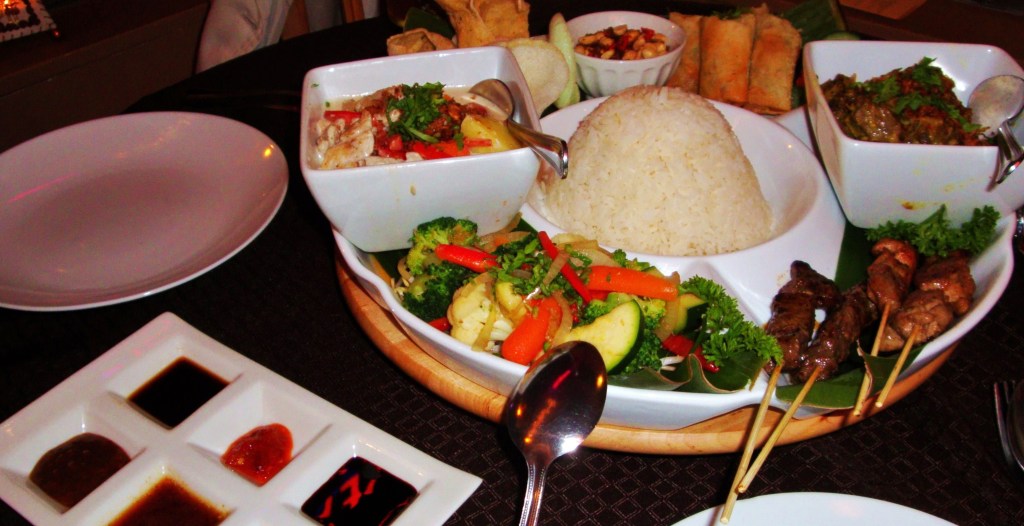
Rijsttafel, a sampling of Indonesian dishes served wth rice, at the former Balilicious restaurant in Vancouver.

While it seems that Dutch cuisine leaves something to be desired, I may be exaggerating to some extent. Some of my favourite treats and dishes are Dutch and I’ve collected a few cookbooks with Dutch recipes. Unfortunately, I have yet to find many recipes that work for our entire family. While my version of my grandmother’s groentensoep is generally a big hit, other things seem to divide the house fifty-fifty.

Before I leave the topic of Dutch food, never accept an offer from a Dutch person of dubbel zoute drop: double salted black licorice. Lots of Dutch people love to see the reaction of their unsuspecting victims. I love black licorice, but without the addition of the Dead Sea.

Over the last few years, I’ve started to acquire recipes from more extended branches of the family. My brother-in-law is Jewish, and I’ve acquired a few recipes and cooking tips from his sister and mother. Sometimes I’ll try making a particular dish from recipes I’ve found online, and then sought guidance from my sister’s mother-in-law as to how to tweak and improve the dish. What I have discovered is that the best latkes are the ones made by someone else – I find them to be a lot of work!

Meanwhile, I just remembered that at the time of that episode of The Great Canadian Baking Show, my parents were in the middle of moving house, so my mom said she’d look for her mother’s notes and recipes after they settled in. However, visiting her over Christmas and well after the move, I completely forgot to follow up on it. Hopefully I can remember this seven months from now, when visiting her next Christmas!

52 Weeks – Week Seven

Landed

I’m starting to realize that when I choose a topic for the theme of the week for the 52 Ancestors Challenge, I should look ahead to see what other topics are coming up. That way I can avoid getting to a topic like this week’s, “Landed”, and seeing that I’ve written on the topic before. Then again, a little repetition here and there won’t hurt.

If I had approached this topic a few hours ago, I would probably be sitting here casting about in my mind as to what “landed” means to me. Fortunately, our eldest son inadvertently gave me a focus to write about. During dinner, out of the blue, he asked “besides Opa, did any of our ancestors come to Canada on steamships?”

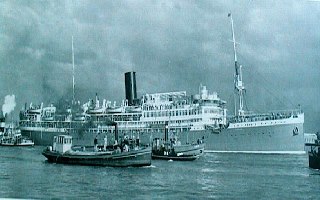
The Sibajak, which brought my father and his family to Canada.
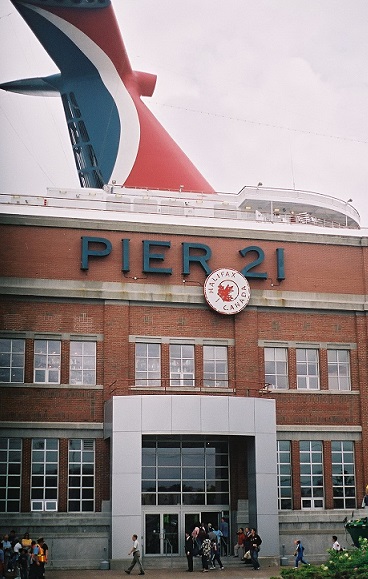
Pier 21, Halifax

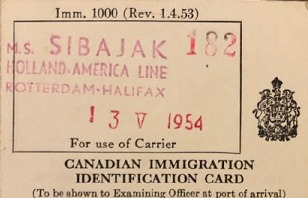
Opa is my father, the Dutch side of my family. I’ve already written about his coming to Canada on the Sibajak. He and his family came in early May 1954, travelling from Rotterdam to Halifax. They landed at Pier 21, which could be described as the Canadian equivalent of Ellis Island. My father’s aunt and uncle came over four months earlier, in January 1954 on the Groote Beer, while another aunt and uncle followed in late May 1954, on board the Castel Felice.

While it was a Holland America ship during his crossing, built and originally operated by Rotterdam Lloyd, along with other ships that they mainly used to go to the East Indies. Built in 1927, the Sibajak served as a troop ship during World War II. After the war, the Sibajak was one of a number of ships operated by Holland America that were used almost entirely for Dutch emigrants, along with the Grote Beer, Waterman, and Zuiderkruis. It was sold and scrapped in Hong Kong in 1959. When I was in Hong Kong in 1996, while travelling around the harbour and between its islands, I wondered how close I might have come to what scraps of it might remain.

This is a fascinating short documentary about a voyage the Sibajak made to Australia carrying Dutch emigrants. The video is in Dutch, but the images convey a lot of meaning.

In the late 1990s, my parents went on an Alaskan cruise on a Holland America ship. During the trip, my father, who loves to talk to people, fell into a conversation with one of the older hands on deck. My father mentioned having come to Canada on the Sibajak. After a few questions from the crew member, my dad learned that the man had been on the Sibajak during my father’s trip, in his first year or two of service.

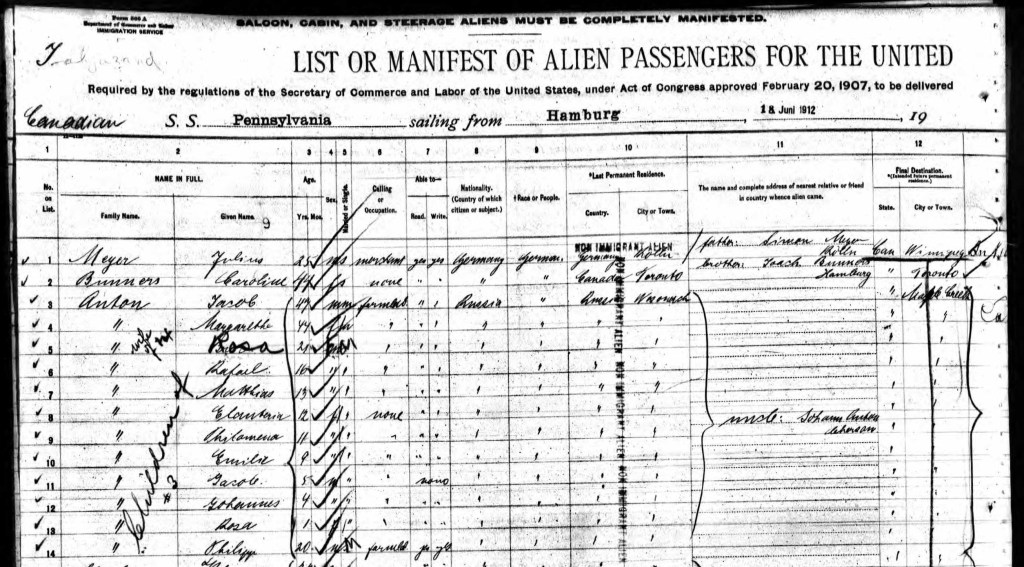
On my mother’s side, the most recent ancestor to arrive by steamship was my great grandmother, Emelia Anton. She came to Canada at the age of nine, with several of her siblings and her parents, Jacob Anton and Margaretha “Margaret” Heck. They were Germans from Russia. The family sailed out of Hamburg on June 18, 1912 aboard the S.S. Pennsylvania. They arrived at the Port of New York (Ellis Island) on July 1, 1912. Their declared destination was Maple Creek, Saskatchewan, to join Emelia’s older brother, Rochus. The passenger manifest stated that Jacob paid for the entire family’s transport, other than that of one of his daughters-in-law, whose passage had been paid by her father.

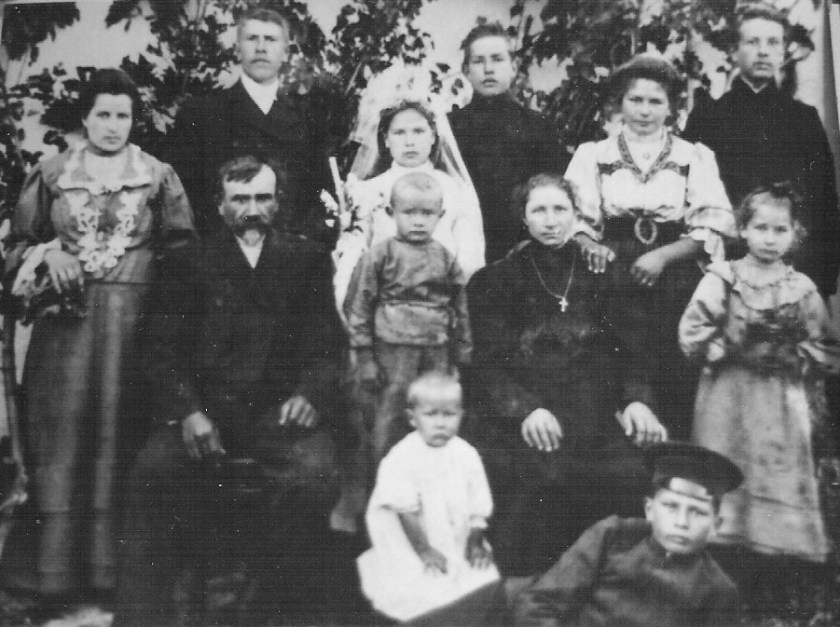
The Anton family, circa 1910. Likely taken in Selo Suchoi, Veronesch, Russia.

Emelia had not had much schooling before coming to North America, but was very religious. She said that she was frightened and nervous during the journey, as she did not know anything about where she was going and did not fully understand what was going on. However, on reaching New York, she said her fears subsided when she saw “the Madonna”. When she saw that, she knew she would be safe and all would be well. Of course, the “Madonna” was the Statue of Liberty. As she had never heard of it before, she thought it was a statue of the Virgin Mary.

Passenger list for the S.S. Pennsylvania showing the Antons.
Jerome Lerner (1895-1954)
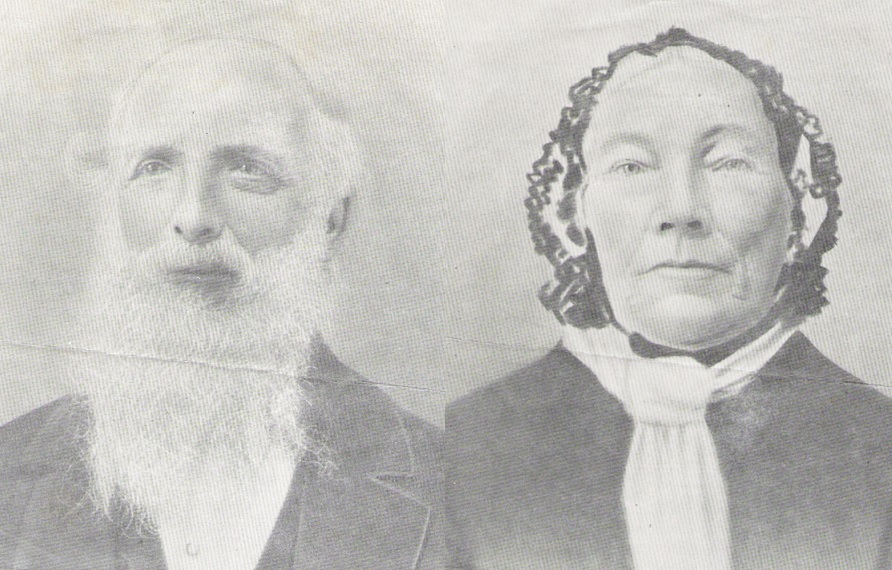
Michael Lerner (1862-1947) and Barbara Schmidt (1865-1936)

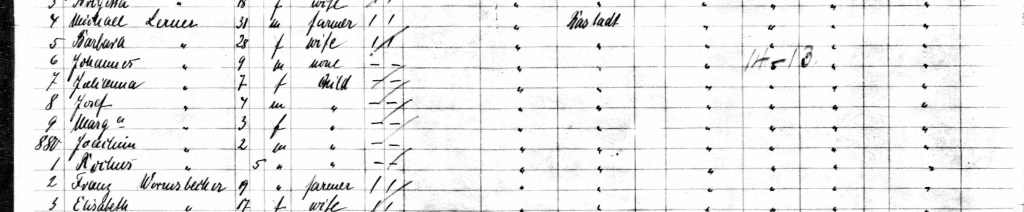
Emelia’s husband, Heronimus “Jerome” Lerner, was born to parents who were also Germans from Russia, Michael Lerner and Barbara Schmidt. Michael and Barbara came to the United States in May 1893 aboard the S.S. Lahn, with the five children they had at the time. They landed at Ellis Island and made their way to Clay County, Texas. Jerome was the first child born to Michael and Barbara in the United States. They had seven other children in Texas after Jerome was born. Jerome moved to Saskatchwan in 1917, preceded by an older brother. Jerome’s parents followed a year later. Other siblings came north at other times.

Passenger list for the Lahn showing the Lerners

The ancestors furthest back in time that I can find who came to North America on a steamship were my great x3 grandparents, Robert Nelson and Elizabeth Joseph. They were both born in Muff, Donegal, Ireland in 1818 and married there in 1842.

Joseph Nelson (1818-1902) and Elizabeth Joseph (1818-1902)

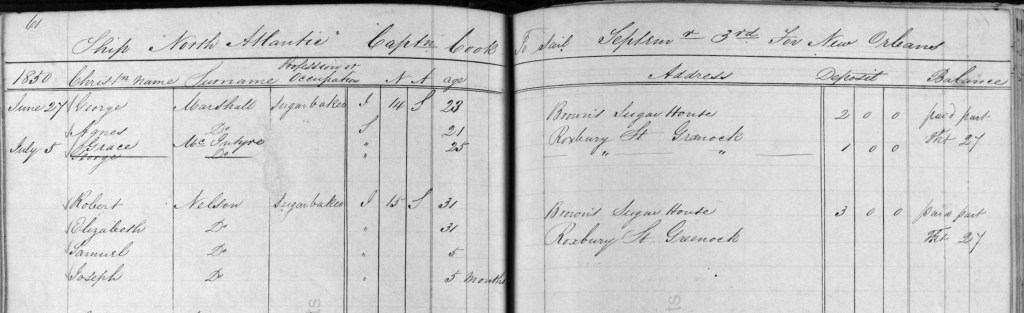
Sometime in the early 1840s they had moved to Linwood, Renfrew, Scotland. They were there at least by January 1844, when their first son, Samuel, was born. By 1850, Robert was working at Brown’s Sugar House, on Roxburgh Street in Greenock, Scotland as a sugar baker. Sugar bakers usually refined muscovado sugar, an unrefined brown sugar imported from Barbados.

On September 3, 1850 Robert and Elizabeth, along with their three children, departed Liverpool on board the ship “North Atlantic” bound for New Orleans. For a long time I had been confused by references I had seen to them coming over on “the north Atlantic”, thinking it meant the route they travelled. It wasn’t until I came across the passenger list that I realized that “North Atlantic” was the name of the ship. Having a name like that makes it difficult refine a search to distinguish the ship from where it sailed. However, while I have not found very good sources, it appears that the North Atlantic was a steam powered ship.

Passenger list for the North Atlantic showing the Nelson family

The records show that there was at least one other family headed by a sugar baker from Brown’s on the same voyage. Robert and Elizabeth were part of a company of Latter Day Saints (Mormon) converts travelling from the United Kingdom to Utah. The family spent a short period of time in Missouri, where in 1852 Elizabeth had her first child born in America. By late 1854 they were in Farmington, Utah, where my great great grandfather John Alexander Nelson was born.

Looking at my pedigree for this post, I realized I might have one other ancestor who might have travelled from the United Kingdom to the United States by means of a steam powered ship. That would be my great x3 grandmother, Maria Hadlond, who was born in Cheltenham, Gloucester, England in 1838 and who emigrated sometime in the 1850s. I have not really researched this branch of my family beyond collecting names and basic vital stats. For whatever reason, it has never caught my interest.

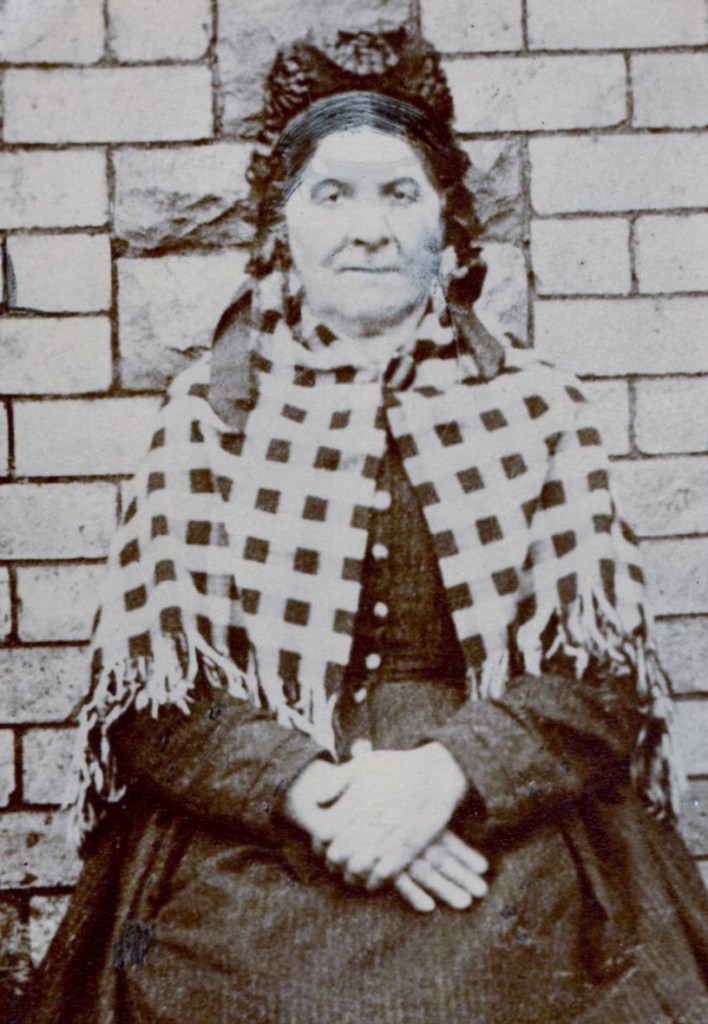
Susan Turple (1818-1906)

I also have a great x3 grandmother, Susan Turple, whose family had been in Nova Scotia since the 18th century, who would have travelled by means of a ship with sails. In 1849, Susan joined the Mormon church in 1849. In 1852, she went from Halifax to Boston to join a westward migration of Mormons. It is most likely that the initial part of Susan’s travels was by means of steam powered ship.

Before these people, any ancestors I have who crossed the Atlantic would have done aboard ships with sails.

Speaking of looking ahead, I see that next week’s theme is “Courting”. Since I am writing this on February 14, I wonder if that should have been this week’s theme!